Attractions and Places To See around Estaing - Top 20
Best attractions and places to see around Estaing include a variety of historical and natural sites in the Aveyron department. This medieval village, recognized as one of France's "Most Beautiful Villages," is situated at the foot of the Aubrac mountains and at the mouth of the Lot River gorges. The area offers a rich tapestry of history, culture, and natural beauty, making it a notable destination for exploration.
Best attractions and places to see around Estaing
- The most popular attractions…
Last updated: November 21, 2026
Saint-Hilarian-Sainte-Foy
Highlight • Other
Translated by Google •
Tip by

Estaing Bridge
Highlight • Bridge
Translated by Google •
Tip by
Sign up now to discover places like this
Get recommendations on the best single tracks, peaks, & plenty of other exciting outdoor places.
St-Pierre-de-Bessuéjouls
Highlight • Other
Translated by Google •
Tip by
Bozouls Canyon
Highlight • Canyon
Translated by Google •
Tip by

Espalion
Highlight • Settlement
Translated by Google •
Tip by

Sign up for free to discover even more attractions around Estaing.
Already have an account?
Start today with a free account
Your next adventure awaits.



Tips from the Community

The city has a rich architectural heritage including seven historical monuments: Le Pont Vieux Le château de Calmont d'Olt Les musées d'Espalion Le Vieux Palais et les calquières L'église romane de Perse
0
0
This masterpiece of Romanesque sculpture in Rouergue features a tympanum illustrating Pentecost, accompanied by a monolithic lintel detailing the Last Judgment with the weighing of souls, Paradise, and Hell. Built in red sandstone typical of the region, the church has a polygonal apse adorned with a rich crown of sculpted modillions as well as a bell-gable with four bell openings. The nave houses two Gothic side chapels added in 1471, fragments of frescoes from the 14th to 17th centuries, as well as a 12th-century statue of the Virgin and Child.
0
0
According to tradition, the original building was built near the place where Saint Hilarian, a local priest presented as Charlemagne's confessor, was beheaded by the Saracens in the 8th century. In 1060, the lord Hugues de Calmont gave the monastery of Perse to the abbey of Conques, thus adding the name of Sainte Foy to the church which the monks largely rebuilt. The building served as a parish church for the inhabitants of Espalion until the 18th century, before the town's center of gravity moved definitively around the Pont-Vieux and the church of Saint-Jean-Baptiste.
0
0
The upper chapel (Saint-Michel). Accessible via a narrow staircase at the back of the nave, this airy chapel located on the first floor of the bell tower is the church's treasure. It houses a rare 12th-century stone altar as well as sculpted capitals and lintels (interlacing, double-tailed mermaid, centaurs) of great iconographic richness.
0
0
The building dates back to the end of the 11th century. The priory of Bessuéjouls was attached in 1082 to the powerful abbey of Saint-Victor in Marseille.
0
0
Saint-Pierre-de-Bessuéjouls is a Romanesque church classified as a Historical Monument, located in the commune of Bessuéjouls in the Aveyron department (in the Occitanie region). Built from local pink sandstone, it is a heritage jewel and an essential stop on the Way of Saint James (Via Podiensis).
0
0

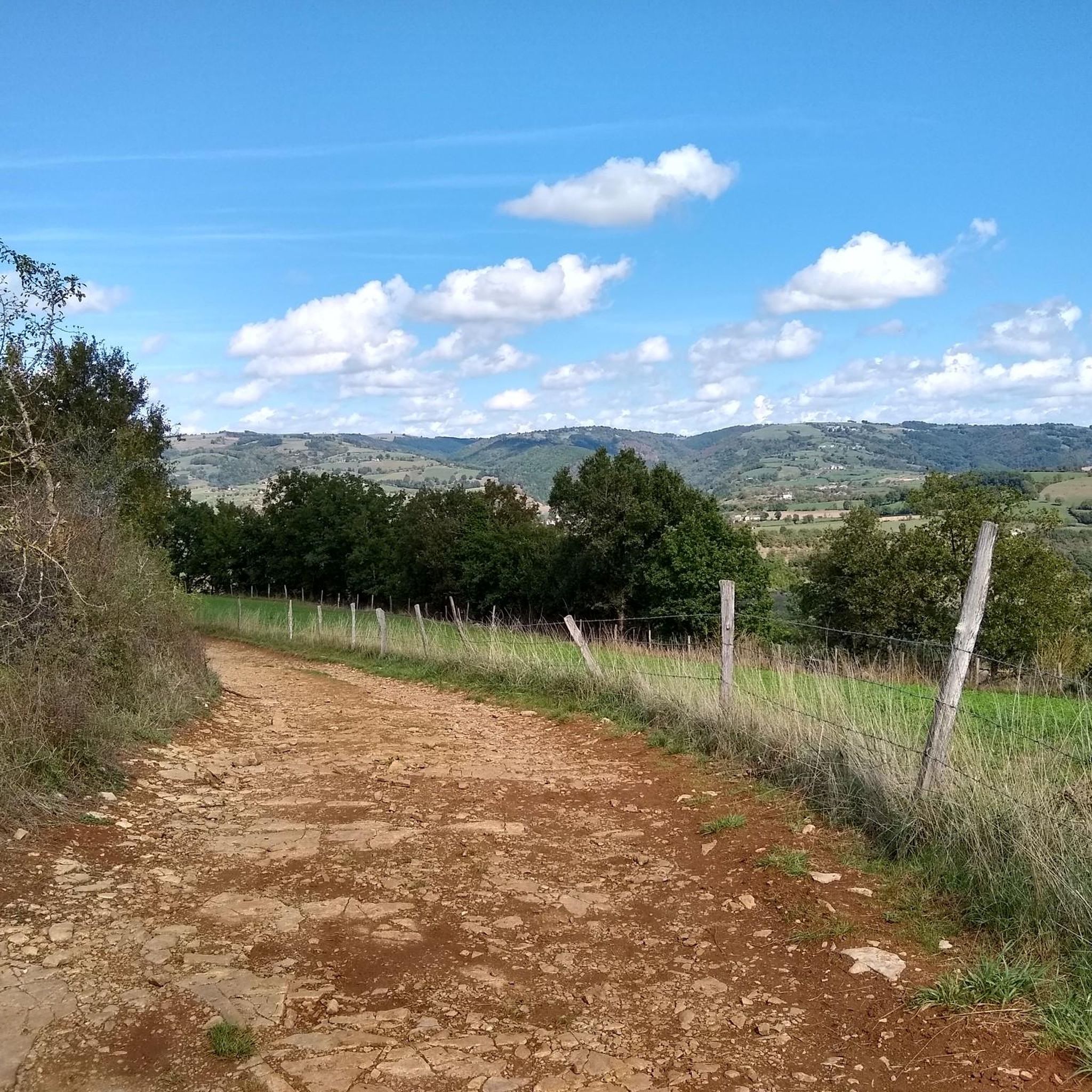
The chapel is located directly on the Way of St. James (Via Podiensis) and has wonderful ceiling frescoes
2
0

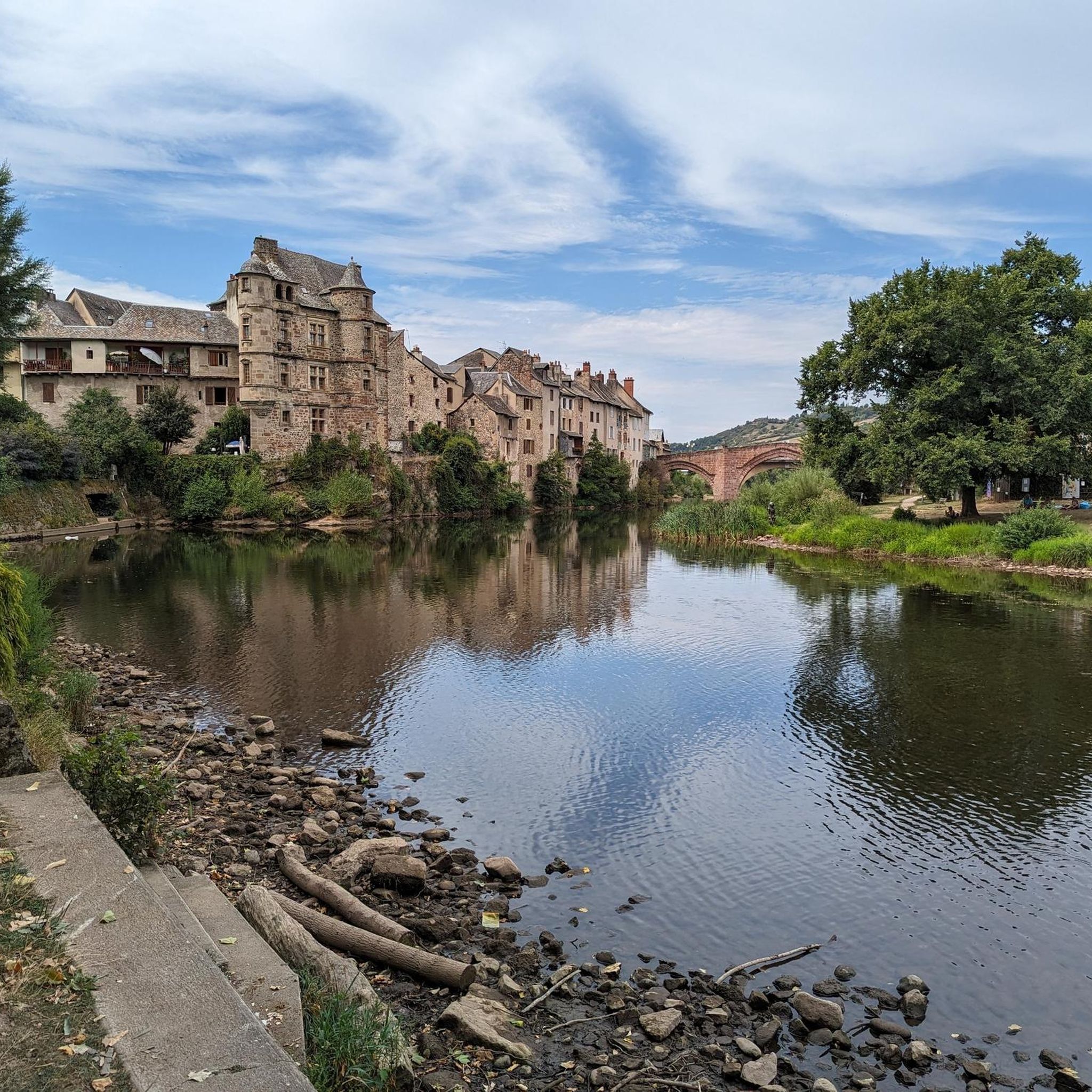
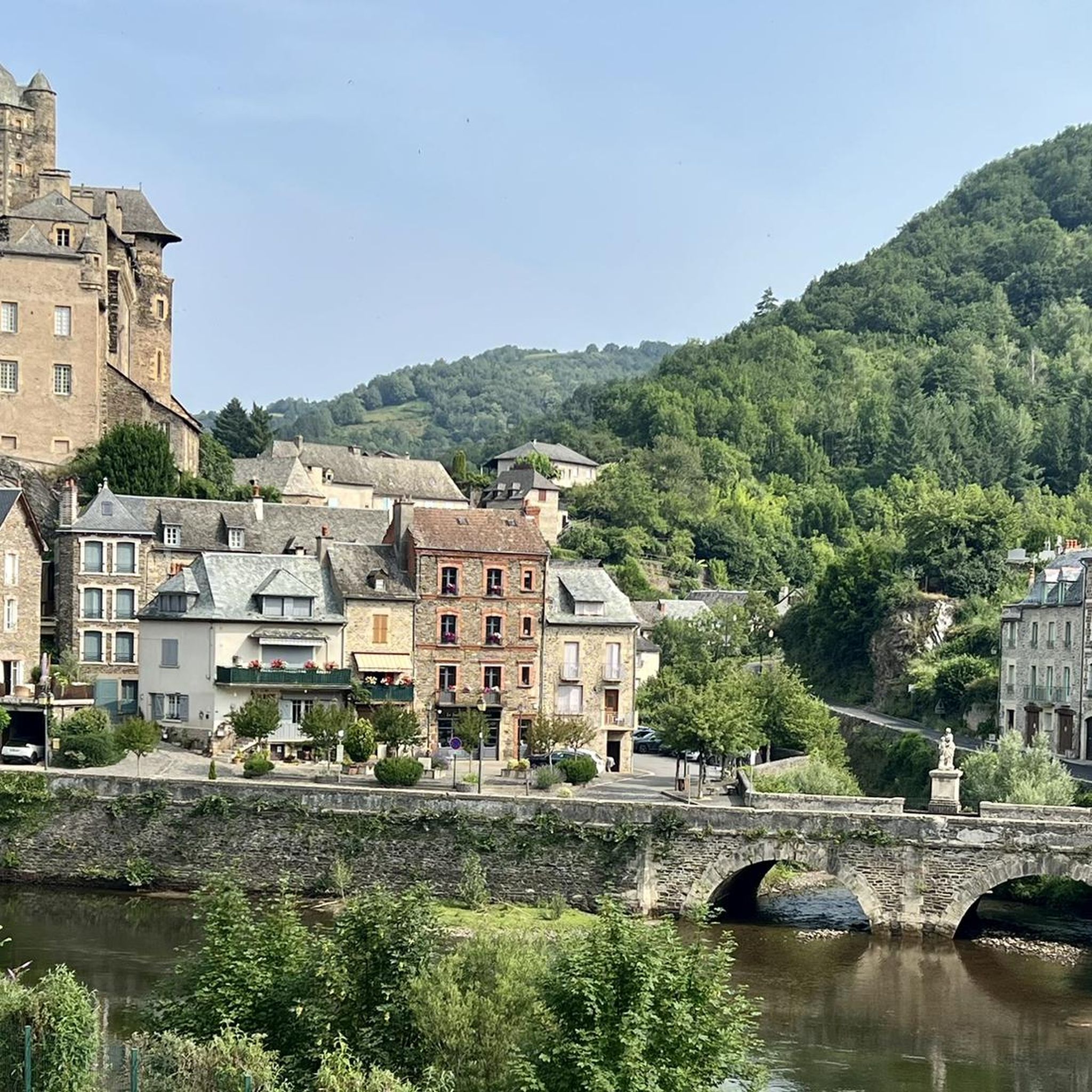
beautiful bridge that will take you to the castle of the Valérie Giscard d'Estaing family
0
0
Frequently Asked Questions
What historical landmarks can I explore in Estaing?
Estaing is rich in history. You can visit the imposing Château d'Estaing, which has overlooked the village since the 12th century. The Estaing Bridge, a 500-year-old Gothic structure and UNESCO World Heritage site, is another significant landmark. Don't miss the Saint-Fleuret Church, built in the 15th century, which houses the relics of Saint Fleuret and is an important stop on the Pilgrim's Way to Santiago de Compostela. Strolling through the medieval alleyways will also reveal beautifully preserved Renaissance buildings.
Are there any natural attractions or viewpoints near Estaing?
Absolutely. The Bozouls Canyon, also known as the "Bozouls hole," is an impressive natural horseshoe-shaped circus, 400 meters in diameter and 100 meters deep, carved by the Dourdou River. The banks of the Lot River offer stunning views of the castle, bridge, and village. Estaing is also situated at the foot of the Aubrac mountains and near the gorges of the Lot River, providing a beautiful natural backdrop.
What outdoor activities can I do around Estaing?
The surrounding landscape of Estaing is ideal for various outdoor activities. You can enjoy hiking, cycling, and mountain biking. For specific routes, consider exploring the cycling routes around Estaing, running trails, or MTB trails. The Lot River is also popular for canoeing and fishing.
What is the best time to visit Estaing for outdoor activities?
Estaing's location at the base of the Aubrac mountains and near the Lot River gorges makes it excellent for outdoor activities during spring, summer, and early autumn. These seasons offer pleasant weather for hiking, cycling, and exploring the natural landscapes.
Are there family-friendly attractions in Estaing?
Yes, Estaing offers several family-friendly spots. The Estaing Bridge is a fascinating historical site for all ages. Exploring the medieval alleyways and Renaissance buildings provides an engaging walk through history. The nearby Saint-Jean-Baptiste Church of Espalion and Rodelle Village are also noted as family-friendly attractions.
What is the significance of Estaing for pilgrims?
Estaing is a significant stopover on the Pilgrim's Way to Santiago de Compostela (GR65 "Via Podiensis"). The Estaing Bridge is a UNESCO World Heritage site and an important part of this route. The Saint-Fleuret Church, housing the relics of Saint Fleuret, also makes Estaing an important pilgrimage destination.
What do visitors enjoy most about Estaing?
Visitors frequently appreciate Estaing's well-preserved medieval charm, its stunning natural setting, and the historical significance of its landmarks. The impressive views from the Estaing Bridge and the unique architecture of the Saint Cosmas and Saint Damian Church are often highlighted. The village's atmosphere, with its narrow streets and old residences, is also a major draw.
Can I learn about local wine production in Estaing?
Yes, the south-facing slopes around Estaing are home to vineyards producing Estaing AOP/AOC wines. You can visit the Maison de la Vigne, du Vin et des Paysages d'Estaing to learn about the winemaking process and taste local wines.
Are there any unique cultural events in Estaing?
Estaing hosts the annual St Fleuret Procession on the first Sunday of July. This event is a historical re-enactment and religious celebration honoring Saint Fleuret, offering a unique glimpse into the village's cultural heritage.
What is the <a href="https://www.komoot.com/highlight/750379" target="_blank" rel="noopener">Saint Cosmas and Saint Damian Church</a> known for?
Located in the medieval village of St-Côme-d'Olt, this Gothic church, built in 1522, is famous for its distinctive spiral tower roof. Its front door, made of solid oak, is also notable, featuring 365 iron nails on each wing.
What is special about the <a href="https://www.komoot.com/highlight/3467684" target="_blank" rel="noopener">Bozouls Canyon</a>?
The Bozouls Canyon, often called the "Bozouls hole," is a remarkable natural phenomenon. It's a massive horseshoe-shaped circus, 400 meters in diameter and 100 meters deep, carved into limestone by the Dourdou River over millennia. It's an impressive sight, especially considering the relatively small river that created it.
Most popular routes around Estaing
Most popular attractions around Estaing

Get inspired with the komoot mobile app


Explore more
Still not found the Highlight you’re looking for? See guides of the top attractions in other regions:
