Attractions and Places To See around Lavaufranche - Top 7
Best attractions and places to see around Lavaufranche include a blend of historical sites, natural features, and cultural experiences. Located in the Creuse department of France, the area offers diverse points of interest. Visitors can explore medieval castles, unique geological formations, and villages with distinct architectural heritage. The region provides opportunities to discover local history and natural landscapes.
Best attractions and places to see around Lavaufranche
- The most popular attractions is Boussac Castle, a castle that was built in…
Last updated: July 29, 2026
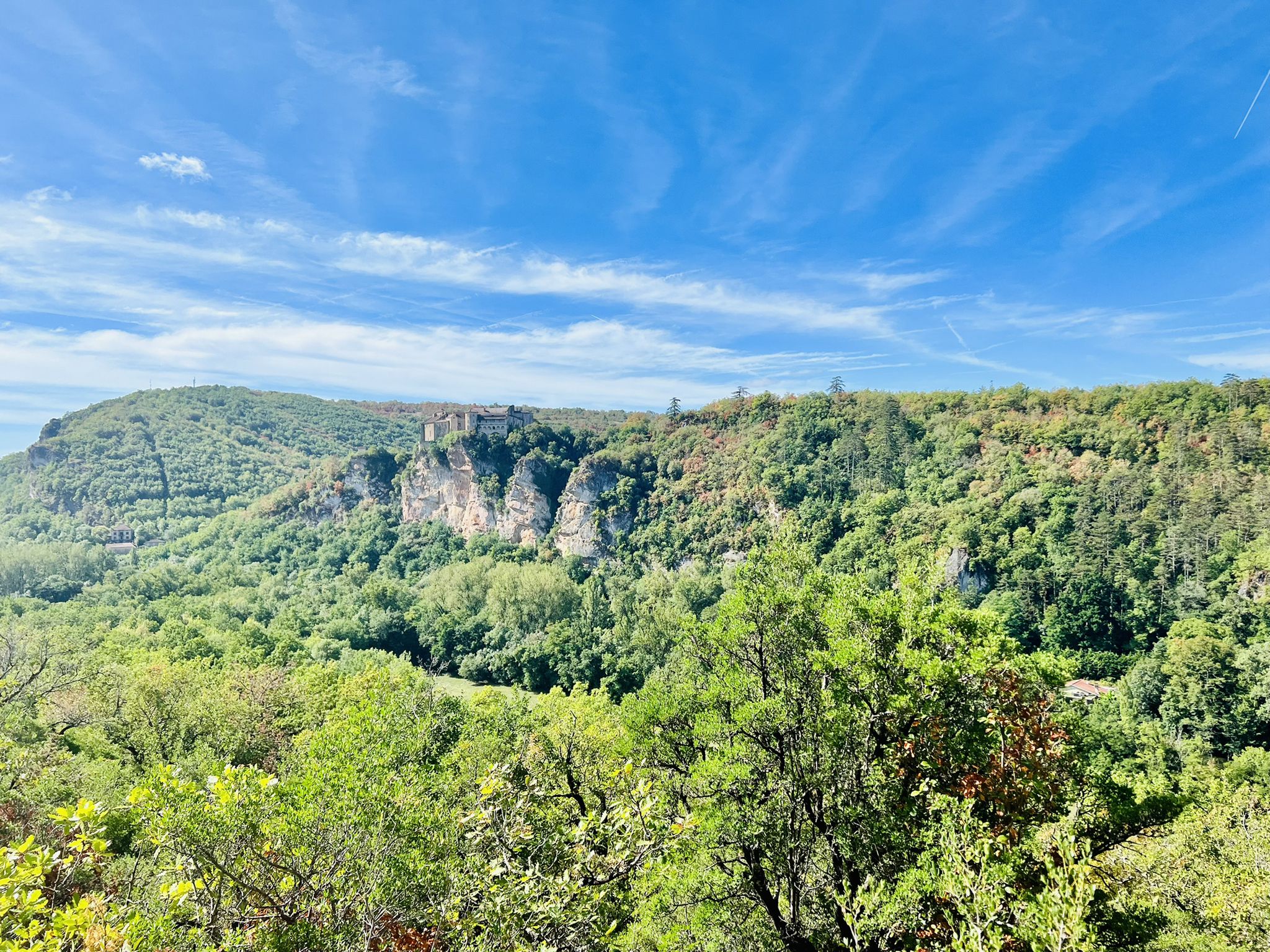
Boussac Castle
Highlight • Castle
Translated by Google •
Tip by

Les Pierres Jaumâtres
Highlight • Natural Monument
Translated by Google •
Tip by

Sign up now to discover places like this
Get recommendations on the best single tracks, peaks, & plenty of other exciting outdoor places.
Sign up for free
Toulx-Sainte-Croix
Highlight (Segment) • Settlement
In the center of the village, a …
Translated by Google •
Tip by
Beautiful rocky path
Highlight (Segment) • Other
Tip by

Tour de Toulx-Sainte-Croix
Highlight • Viewpoint
Translated by Google •
Tip by

Sign up for free to discover even more attractions around Lavaufranche.
Sign up for free
Already have an account?
Start today with a free account
Your next adventure awaits.
Login or Signup



Other adventures around Lavaufranche

Tips from the Community

Magnificent and impressive castle. Worth a visit, as is the village.
1
0
Free access, beautiful view of all the surrounding departments.
1
0

The restaurant there is highly recommended.
0
0

The Yellow Stones, very nice and peaceful. It is possible to stand on the stones to enjoy nature.
0
0

The tower sits at 655 meters, the highest point on the mountain. It is reputed to offer one of the most beautiful views in France thanks to a panorama of up to 100 kilometers around and which extends over seven departments!
2
0

The Château de Boussac is especially famous for having housed two particular occupants: the novelist George Sand and the publisher Pierre Leroux. It was built around the 11th century on a site occupied since Roman times. Destroyed by the English during the Hundred Years War, it was rebuilt in the 14th century. In 1926, a gendarmerie barracks was installed in the castle.
2
0
The Château de Boussac is most famous for having been home to two notable figures: the novelist George Sand and the publisher Pierre Leroux. It was built around the 11th century on a site occupied since Roman times. Destroyed by the English during the Hundred Years' War, it was rebuilt in the 14th century. In 1926, a gendarmerie barracks was established in the château.
2
0
Frequently Asked Questions
What historical sites can I explore near Lavaufranche?
The area around Lavaufranche is rich in history. You can visit the Commanderie de Lavaufranche, a 12th-century site of the Knights Hospitaller, known for its medieval frescoes. Another significant historical landmark is Boussac Castle, which dates back to the 12th century and was once home to novelist George Sand. Further afield, you'll find Culan Castle and the ruined castle at Hérisson.
Are there any unique natural attractions around Lavaufranche?
Yes, a prominent natural attraction is Les Pierres Jaumâtres. These striking granitic rock formations on Mont Barlot are a result of erosion over thousands of years. The nearby Foret de Tronçais, about 50 km away, also offers natural beauty for exploration.
Where can I find panoramic views in the Lavaufranche area?
For breathtaking panoramic views, head to Toulx-Sainte-Croix. On its heights stands a tower, nicknamed 'the lighthouse,' which offers views extending up to 100 kilometers across seven departments. The tower itself, Tour de Toulx-Sainte-Croix, is at 655 meters, the highest point on the mountain.
What outdoor activities and hiking trails are available near Lavaufranche?
The region offers various outdoor activities, especially hiking. You can find trails like the 'Beautiful rocky path – Les Pierres Jaumâtres loop' which is an easy 6.9 km route. For more options, including moderate and difficult trails, explore the Hiking around Lavaufranche guide.
Are there family-friendly attractions near Lavaufranche?
Absolutely. Les Pierres Jaumâtres is a popular spot for families, with visitors noting it's appreciated by children. The village of Toulx-Sainte-Croix, with its unique church and panoramic tower, is also considered family-friendly. Additionally, several remarkable gardens are within a reasonable distance, such as the Jardins du château d'Ainay-le-Vieil.
What kind of local heritage can I discover in Lavaufranche itself?
Lavaufranche offers a 'Petit Patrimoine' walking tour starting from the town hall. This tour allows you to discover local heritage sites including the Commanderie, ancient stones ('pierres de bassie'), a bread oven, two Maltese crosses, and several washhouses and fountains. More details can be found on the Tourisme Creuse website.
What do visitors enjoy most about the attractions around Lavaufranche?
Visitors particularly appreciate the blend of historical depth and natural beauty. The medieval architecture of sites like Boussac Castle and the unique geological formations of Les Pierres Jaumâtres are highly rated. The panoramic views from Toulx-Sainte-Croix are also a community favorite.
Are there cycling routes available near Lavaufranche's attractions?
Yes, the area provides options for cycling enthusiasts. You can find MTB trails, such as the 'Vue sur le château de Boussac loop' from Boussac, which is a moderate 37.7 km route. For a comprehensive list of routes, check the MTB Trails around Lavaufranche guide.
What is the best time of year to visit Lavaufranche for outdoor activities?
The region is generally pleasant for outdoor activities from spring through autumn. Summer offers warm weather ideal for exploring, while spring and early autumn provide milder temperatures and beautiful scenery, particularly for hiking and cycling. Winter can be suitable for walking, though some routes might be less accessible.
Are there any notable gardens to visit in the vicinity of Lavaufranche?
Yes, several exquisite gardens are within a reasonable distance. These include the Jardins du château d'Ainay-le-Vieil (about 10km away), the Jardins du prieuré Notre-Dame-d'Orsan, and Les jardins artistiques de Drulon. These offer a tranquil experience and a chance to appreciate cultivated natural beauty.
Can I find local markets near Lavaufranche to experience local life?
Yes, you can explore various local markets in nearby towns. Boussac hosts a market on Thursdays, Montluçon has markets on multiple days, and Chateaumeillant features a market on Fridays. These markets are excellent places to discover local produce and experience the regional culture.
What is special about the church in Toulx-Sainte-Croix?
The church in Toulx-Sainte-Croix is unique because its bell tower is separated from the rest of the structure. This unusual architectural feature makes it a distinctive landmark in the village, adding to the charm of this historical settlement.

Get inspired with the komoot mobile app


Explore more
Still not found the Highlight you’re looking for? See guides of the top attractions in other regions:
