The best cycling routes around Saint-Hilaire-Le-Château
4.2
(7)
268
riders
36
rides
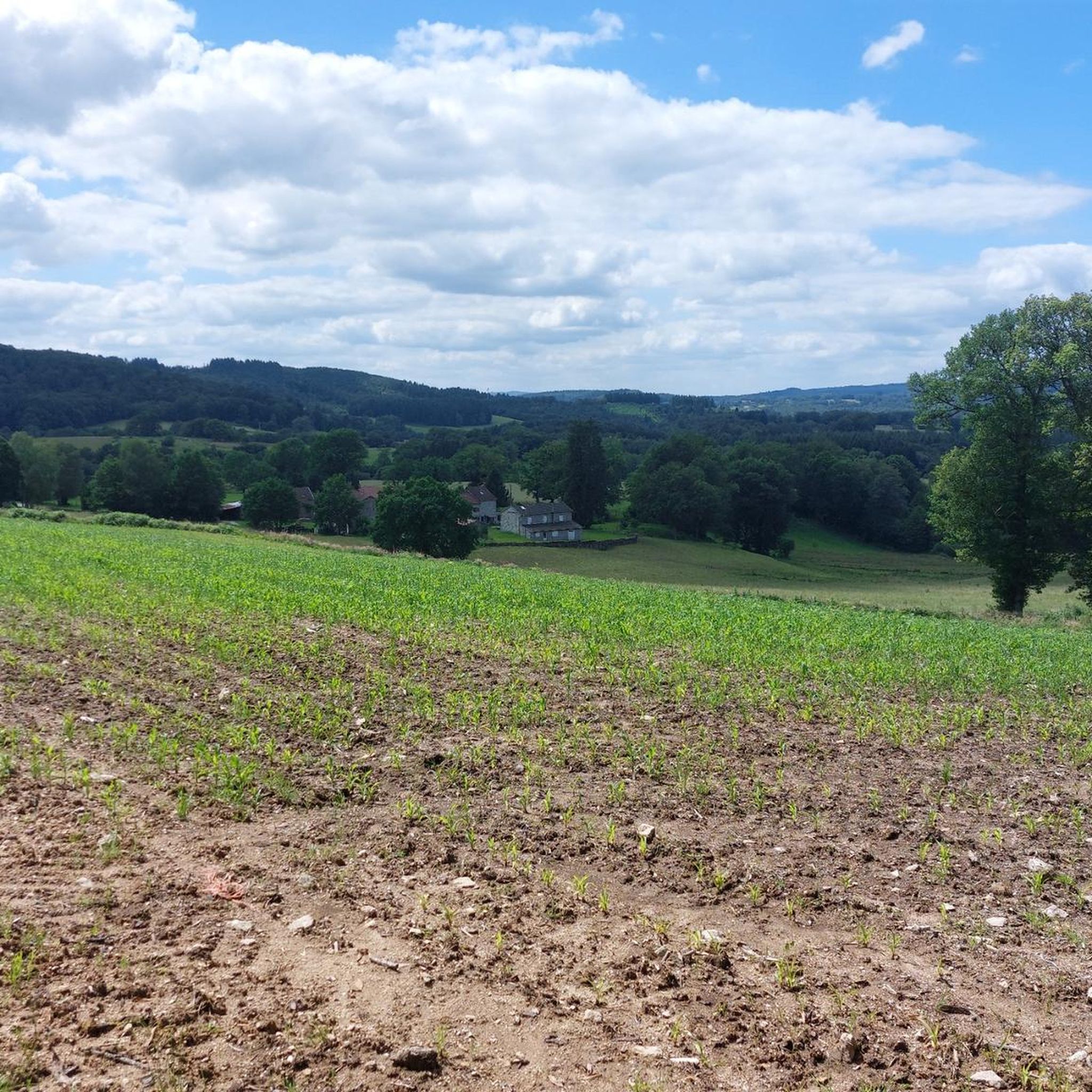
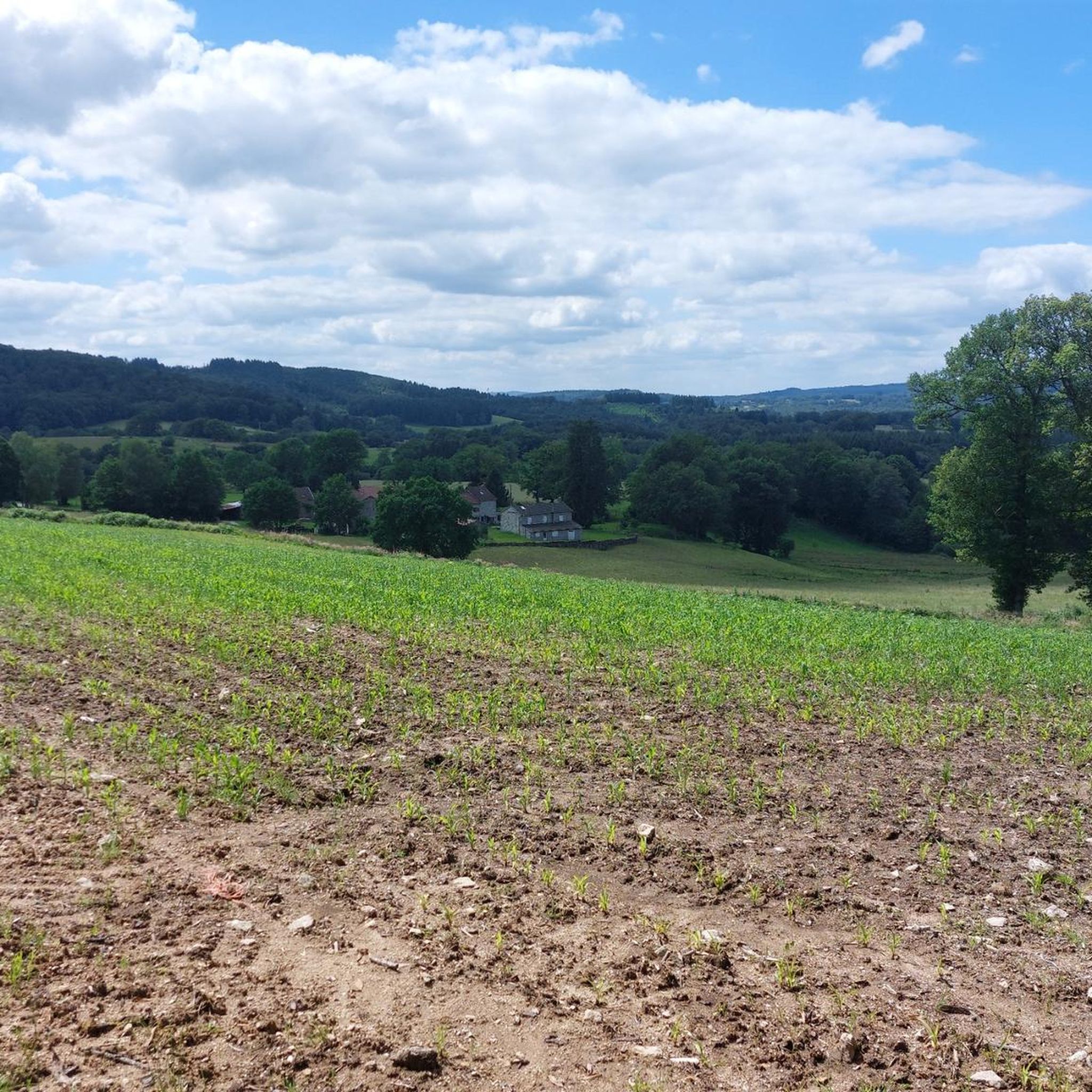
Touring cycling around Saint-Hilaire-Le-Château offers tranquil roads and varied landscapes within the Creuse department of central France. The region is characterized by peaceful river valleys, dense forests, and expansive moorlands, providing diverse scenery for cyclists. Hilly terrain is common, with options ranging from gentle ascents to more demanding climbs. Dedicated cycling routes often utilize minor roads with low traffic, ensuring a relaxed cycling environment.
Best touring cycling routes around Saint-Hilaire-Le-Château
- The most popular touring cycling route is Château du Monteil and Thaurion Gorges Loop, a 50.1 miles (80.7 km) trail that takes 5 hours 11 minutes to complete, featuring the scenic Thaurion Gorges.
- Another top favourite among local touring cyclists is Lake Vassivière – Roby bridge loop from Chavanat, a difficult 72.4 miles (116.5 km) path that winds through forests and offers views of Lake Vassivière.
- Local touring cyclists also love the Thaurion Gorges – Abbaye du Palais loop from Pontarion, a 15.2 miles (24.5 km) trail leading through the Thaurion Gorges, often completed in about 1 hour 39 minutes.
- Touring cycling around Saint-Hilaire-Le-Château is defined by river valleys, dense forests, and hilly terrain. The network offers options for various ability levels, from moderate rides to more challenging routes.
- The routes in Saint-Hilaire-Le-Château are highly rated by the komoot community with an average score of 4.3 stars from 7 reviews. More than 250 touring cyclists have used komoot to explore Saint-Hilaire-Le-Château's varied terrain.
Last updated: July 29, 2026
80.7km
05:12
1,080m
1,080m
Cycle a difficult 50.1-mile loop through the Millevaches Regional Natural Park, featuring the Château du Monteil and Thaurion Gorges.
5.0
(1)
21
riders
117km
07:45
1,740m
1,740m
Hard bike ride. Very good fitness required. Mostly paved surfaces. Suitable for all skill levels.

Sign up for free
12
riders
43.5km
03:52
920m
920m
Hard bike ride. Very good fitness required. You may need to push your bike for some segments of this route.
3.5
(2)
4
riders
25.0km
01:44
410m
410m
Moderate bike ride. Good fitness required. Mostly paved surfaces. Suitable for all skill levels.
4
riders
19.7km
01:14
230m
230m
Moderate bike ride. Good fitness required. Mostly paved surfaces. Suitable for all skill levels.
Get access to more routes and recommendations from other explorers.
Sign up for free
Already have an account?
Our route recommendations are based on thousands of hikes, rides, and runs completed by other people on komoot.
Start today with a free account
Your next adventure awaits.
Login or Signup
Tips from the Community

after 90km on the Tour de la Creuse a swim in the lake in the evening at the campsite is a plus
0
0

Superb site, one of the largest artificial lakes in France
0
0

There is a lovely view of the Taurion Valley from this stone bridge. We can see a mill which contributes to the charm of the place.
0
0
It is an ancient abbey founded in the 12th century by the Cistercian congregation. It was destroyed during the wars then rebuilt, and sold as national property during the Revolution. Today, the abbey has been rehabilitated as a guesthouse. On the land, a chapel and the ruins of a church still remain.
0
0
Royère is located on the Millevaches plateau, between Lake Vassivière and Lake Lavaud Gelade. The town is pleasant and has shops and accommodation.
1
0

Bourganeuf is a small medieval town created by the Hospitallers. It is also the third city in France to have seen the appearance of electricity, hence its nickname the city of lights. The town even houses an electrification museum, in addition to its castle, its church and its characteristic Zizim tower.
0
0

This medieval bridge, known as the 'Soubre Bridge' and made up of four arches, those at the ends in a semi-circular arch, the other two in a pointed arch, bears the name of a tapestry manufacturer whose workshops were located nearby. In the 16th century, Felletin was a prosperous town which saw the development of a significant number of industries: flour milling, tanning, paper milling, dyeing, etc. The river provided the energy necessary for the operation of the numerous mills. Next to the bridge, we notice the toll terminal symbolizing the duty that had to be paid to bring certain goods and foodstuffs into the city. Listed as a Historic Monument in 1926. Source: https://www.tourisme-creuse.com/
0
0
The building from the end of the 12th century is composed of a nave with three bays, a transept and a choir with a flat apse. In the nave, the barrel vault with beams rests on broken arch arcades supported by capitals with crossettes and fluted bases. Four half-columns with capitals with foliage and heads decorate the transept and receive the arches of the pointed vault as well as that of the choir. The molding dates from the 14th century. The bedside window is decorated with a trefoil tracery. The chapel created between two buttresses to the north, vaulted in broken cradle, dates from the 14th century. 14th century door with tympanum carved with oak leaves. The door on the east facade dates from the 18th century. The isolated bell tower dates from the end of the 12th century. The four buttresses placed in the middle of the faces do not appear to have been added afterwards. The old arrow presents a regional type. Source: https://www.tourisme-creuse.com
0
0
Frequently Asked Questions
How many touring cycling routes are available around Saint-Hilaire-Le-Château?
There are over 25 touring cycling routes around Saint-Hilaire-Le-Château, offering a diverse range of experiences for cyclists. These routes are highly rated by the komoot community, with an average score of 4.3 stars.
What is the typical terrain like for touring cycling in the Creuse region?
The Creuse department, where Saint-Hilaire-Le-Château is located, is characterized as a 'low mountain department.' This means you'll encounter hilly terrain with no entirely flat roads, but it's generally accessible. Cyclists can expect to traverse peaceful river valleys, dense forests, and expansive moorlands, with options for both gentle ascents and more demanding climbs.
Are there touring cycling routes suitable for beginners or families in Saint-Hilaire-Le-Château?
Yes, while many routes involve some elevation, there are options suitable for various fitness levels. The region offers moderate routes, and the area around Lac de Vassivière, for example, has an easy 24-kilometer marked route ideal for families. These routes often utilize minor roads with low traffic, providing a safe and relaxing environment.
What kind of challenges can I expect on more difficult touring cycling routes?
More difficult touring cycling routes in the area, such as the Lake Vassivière – Roby bridge loop from Chavanat, can feature significant elevation gains. This particular route covers over 116 km with more than 1700 meters of ascent, winding through forests and offering extensive lake views. Expect sustained climbs and longer distances on these challenging paths.
What natural features can I explore on touring cycling routes near Saint-Hilaire-Le-Château?
The region is rich in natural beauty. You can explore the scenic Thaurion Gorges, featured in routes like the Château du Monteil and Thaurion Gorges Loop. The Millevaches Regional Natural Park offers stunning lake views and wooded areas, while the Lac de Vassivière and Lac de Saint-Pardoux provide beautiful lakeside cycling opportunities through woods, moorlands, and over footbridges.
Are there any notable landmarks or attractions along the cycling routes?
Yes, touring cycling routes often pass by or near interesting landmarks. You can discover the historic town of Bourganeuf, which is part of the larger Tour de Creuse route. Other points of interest include the 'Pont des fées' (Fairy Bridge) over the Gosne river, and various small chapels and characterful villages along routes like the Véloroute Ouest Creuse (V90).
Are there any routes that feature waterfalls?
Yes, the area around Saint-Hilaire-Le-Château includes natural attractions with waterfalls. You can find The Augerolles Waterfalls and the Poirier Waterfall, which can be incorporated into your cycling adventures to enjoy these scenic spots.
Are there circular touring cycling routes available?
Many of the touring cycling routes around Saint-Hilaire-Le-Château are designed as loops, allowing you to start and end in the same location. Examples include the Château du Monteil and Thaurion Gorges Loop and the Thaurion Gorges – Abbaye du Palais loop from Pontarion, providing convenient options for your ride.
What is the best time of year for touring cycling in Saint-Hilaire-Le-Château?
The region is generally pleasant for cycling from spring through autumn. The mild weather during these seasons makes it ideal for exploring the diverse landscapes. While specific seasonal advice isn't provided, avoiding the peak heat of summer or the colder, potentially wetter winter months would likely offer the most comfortable experience.
Are there dedicated cycle routes or greenways in the area?
Yes, the Creuse department boasts over 450 kilometers of marked and safe cycling routes. These often utilize minor roads with low traffic levels, and the region also features 'véloroutes' (cycle routes) and greenways, some converted from old railway lines, providing smooth, safe, and dedicated paths for cyclists.
Can I find routes suitable for gravel cycling?
The region is increasingly developing options for gravel cycling, particularly in the western parts of Creuse. While specific gravel routes are not detailed in the provided data, the varied terrain and network of minor roads suggest good potential for off-road touring experiences.
Where can I find more information about cycling in the Creuse department?
For broader information on cycling opportunities and routes across the Creuse department, you can consult the official tourism website. They provide details on various cycling initiatives and routes, such as the Tour de Creuse and Véloroute Ouest Creuse (V90). You can find more at tourisme-creuse.com.
Most popular routes around Saint-Hilaire-Le-Château
Most popular attractions around Saint-Hilaire-Le-Château

Get inspired with the komoot mobile app


Explore more
Browse the best Cycling routes in other regions.
