Attractions and Places To See around Saint-Priest-La-Feuille - Top 16
Best attractions and places to see around Saint-Priest-La-Feuille include a blend of prehistoric sites, rural heritage, and natural landscapes. This rural commune in the Creuse department is known for its archaeological sites and its position on the pilgrimage route to Santiago de Compostela. The area features gently rolling terrain, bordered by the Sédelle and Gartempe Rivers, offering extensive hiking trails. Visitors can explore historical monuments and natural features within the commune and nearby.
Best attractions and places to see around…
Last updated: May 21, 2026
Bénévent-l'Abbaye
Highlight • Religious Site
Translated by Google •
Tip by

Porte Saint-Jean
Highlight • Historical Site
Translated by Google •
Tip by

Sign up now to discover places like this
Get recommendations on the best single tracks, peaks, & plenty of other exciting outdoor places.
Sign up for free
Church of Our Lady of La Souterraine
Highlight • Religious Site
Translated by Google •
Tip by
Étang de la Cazine
Highlight (Segment) • Lake
Translated by Google •
Tip by
Bridiers Tower
Highlight • Castle
Translated by Google •
Tip by

Sign up for free to discover even more attractions around Saint-Priest-La-Feuille.
Sign up for free
Already have an account?
Start today with a free account
Your next adventure awaits.
Login or Signup
Tips from the Community

The Porte Saint-Jean is one of the old city gates of La Souterraine. What you see now is modest, but in the Middle Ages it was a serious entrance to the walled city. Why it's nice: This was literally the city's checkpoint. Anyone who wanted to enter was examined here. The name probably refers to a nearby chapel or hospital of Saint-Jean. You're essentially walking through a 13th-14th-century section here, without it being ostentatious. What many people miss: La Souterraine was an important stop on a side route of the pilgrimage route to Santiago. It's likely that pilgrims, traders, and soldiers passed through here centuries ago.
3
0
The Tour de Bridiers is what remains of a medieval castle from the 12th–13th centuries. What you see now is mainly the enormous round keep—and it's not subtle. What makes it cool: That tower is over 30 meters high. That's seriously impressive when you stand next to it. It stands slightly apart from the landscape, giving it an almost cinematic feel. The castle was part of a major trade route between Limoges and Berry. So this wasn't a romantic fairytale castle, but a pure display of power. In the summer, a historical evening show is held here with lights, projections, and knights. Then the ruins literally come back to life. What almost no one knows: The name "Bridiers" probably comes from "bride" (rein). The castle was intended to keep the region in check.
0
0
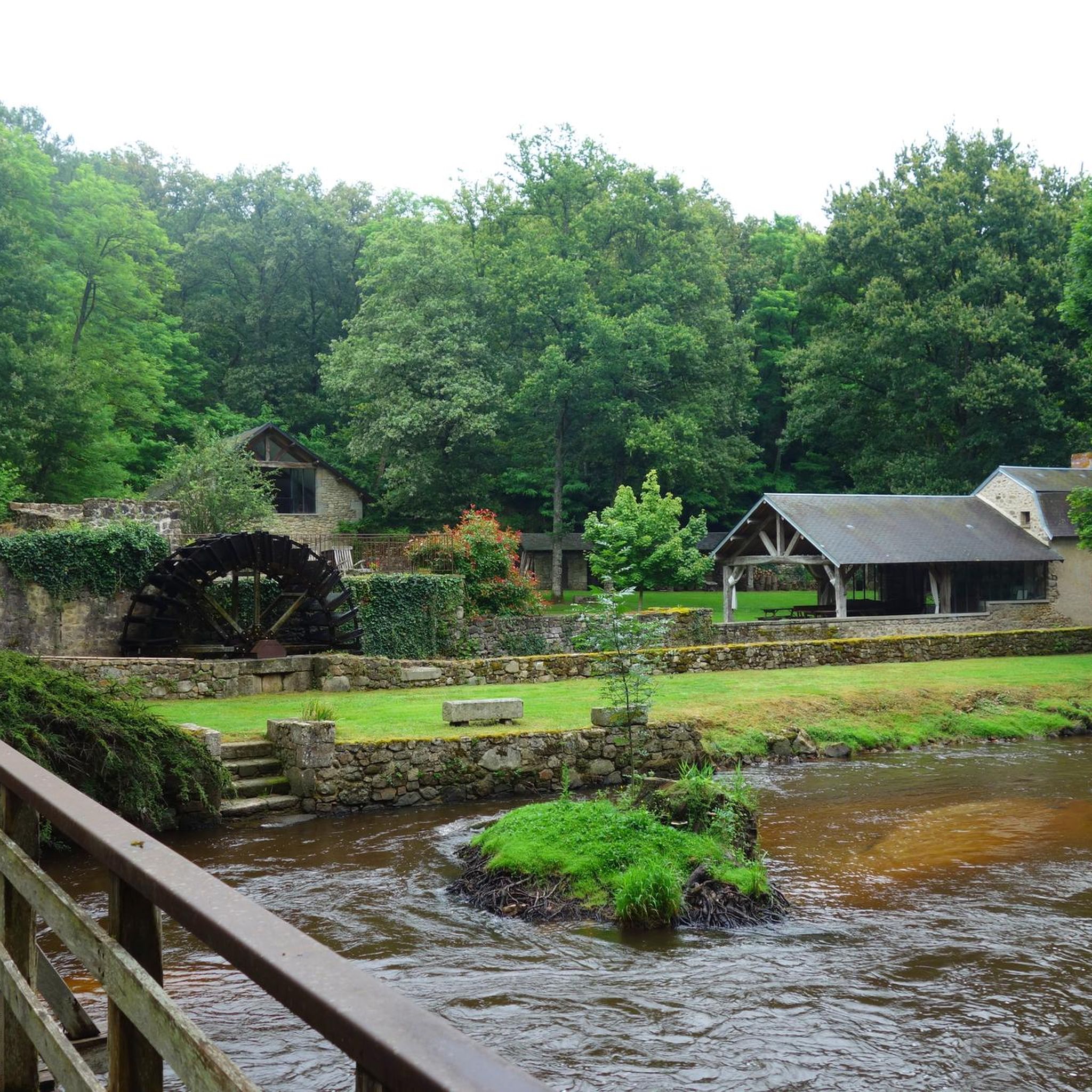
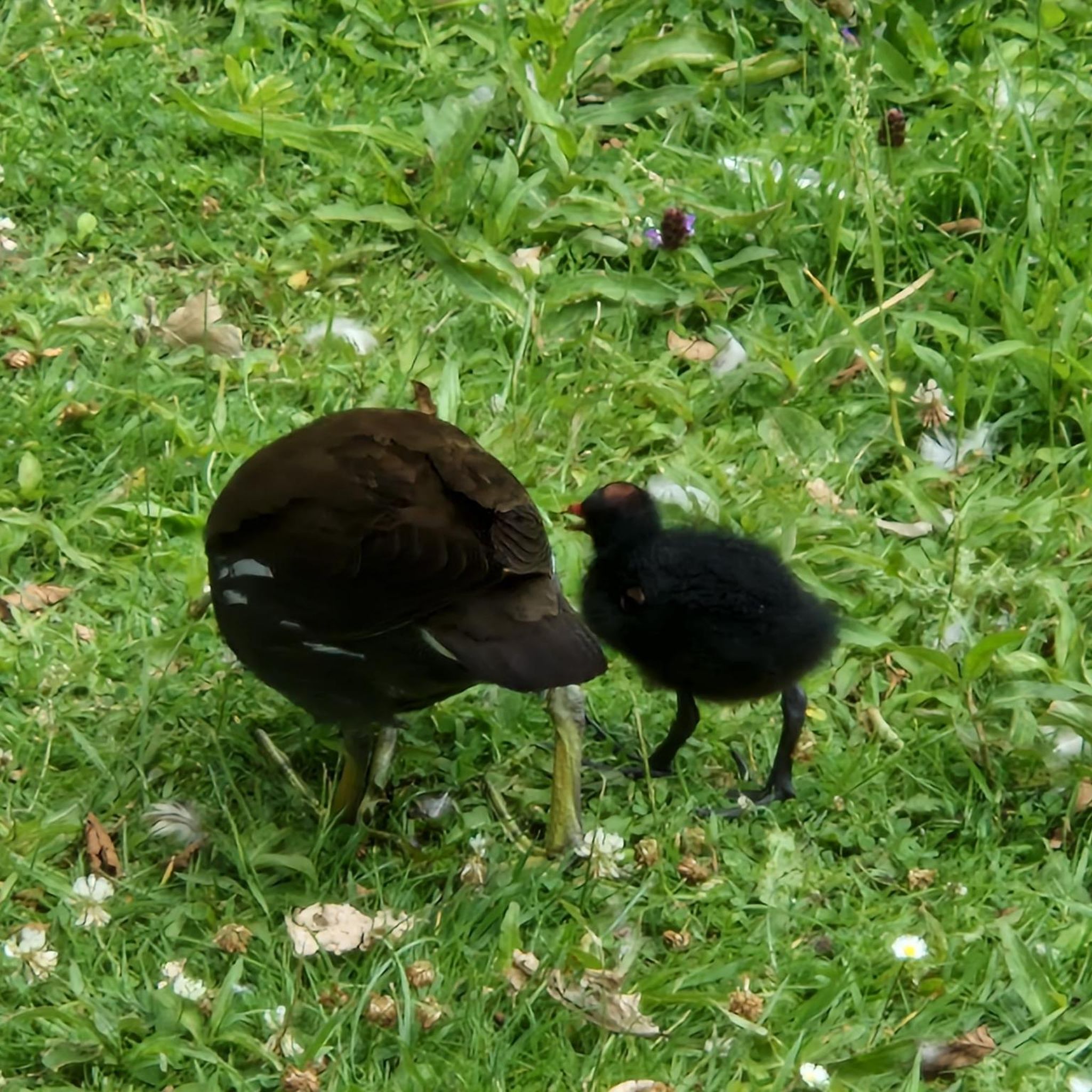
A peaceful loop walk around the La Cazine lakes, with beautiful water reflections, reed beds, and abundant birdlife. The varied landscape is easily completed in a few hours and ideal for a relaxing break in nature. Several benches and picnic tables are available.
3
0


Benevent- the abbey is a pretty and dynamic little town in Creuse… passage compostelle: see the tourist office 😅… or m. The Mayor, inexhaustible about his city 👍 Brevent? Not know…
2
0

The Saint-Jean gate is one of the emblems of La Souterraine. It was used to defend the city and was remodeled in the 15th century. We admire the two round turrets visible on the exterior facade. The door can be visited independently. To do this, simply ask for the keys at the Bar du Marché.
0
0

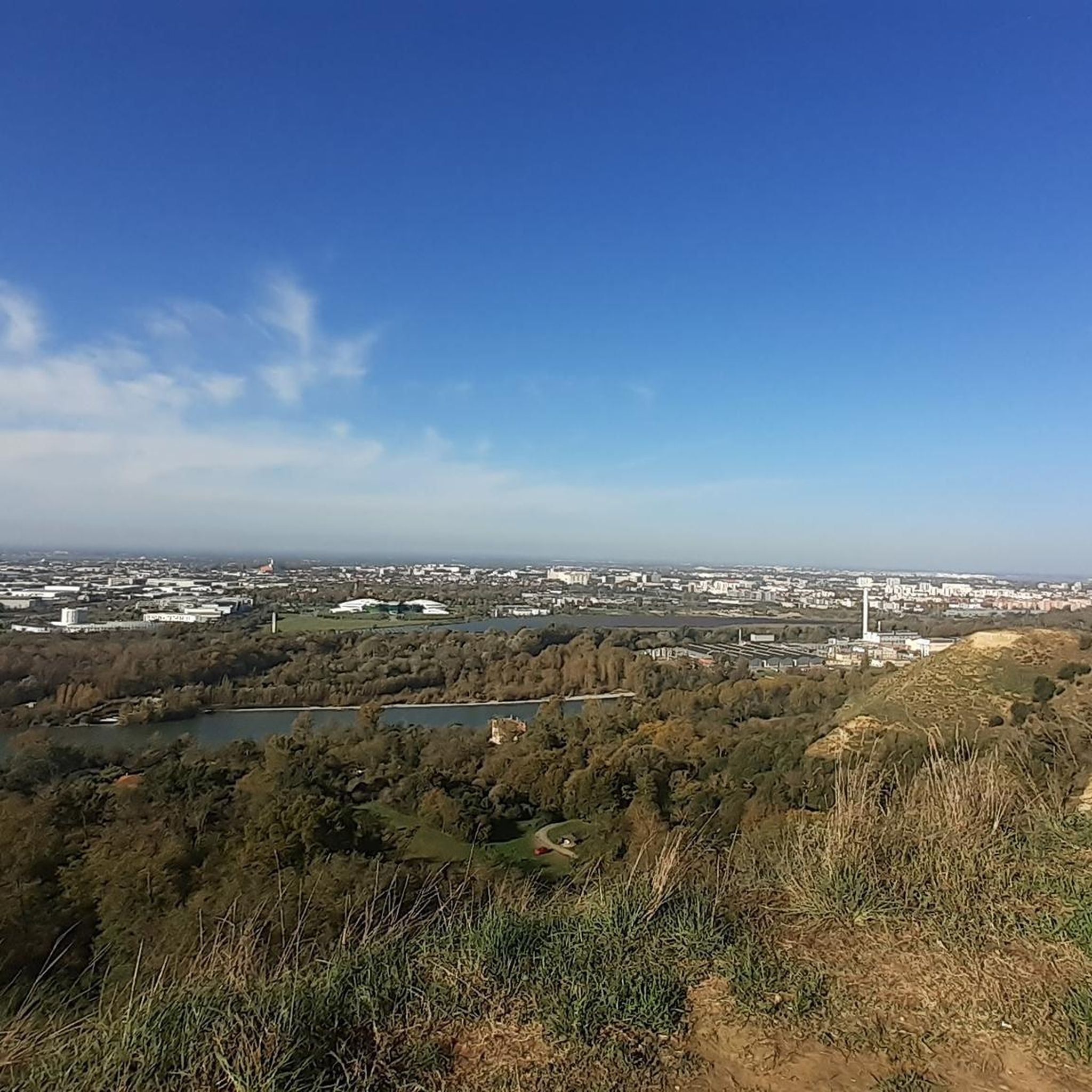
great place with observatories
0
0

In the 12th century, a tower was built on this site. But not the one you see today, it was built in the 13th and 14th centuries. What happened to the first tower? According to a written chronicle dating from 1202, it collapsed!
2
0
Frequently Asked Questions
What historical and prehistoric sites can I explore in Saint-Priest-La-Feuille?
The region is rich in history. You can visit the impressive Dolmen de la Pierre Folle, a megalith from the Middle Neolithic period, and the Menhir de la Rebeyrolle. The Parish Church of Saint Laurent, dating back to the 13th century, also features notable architecture.
Are there any cultural heritage walks or circuits available?
Yes, you can follow the 'Heritage Discovery' circuit, which starts from the village square and takes about 2.5 hours. Brochures detailing this circuit are available at the Town Hall and local Tourist Offices. This circuit allows you to explore the commune's rural heritage, including old wells, public wash houses, and a traditional oxen-shoeing workshop.
What natural attractions are there for outdoor enthusiasts?
Saint-Priest-La-Feuille is bordered by the Sédelle and Gartempe Rivers, offering scenic natural landscapes. You can also visit the Étang de la Cazine, a lake known for its peaceful loop walk, reed beds, and birdlife. The Étang de Néravaud, near the Semme River, is also a popular spot for fishing.
What kind of hiking trails can I find around Saint-Priest-La-Feuille?
The area features extensive hiking trails across its gently rolling terrain, highlighting both natural landscapes and historical sites. For specific routes, you can explore the various options in the Hiking around Saint-Priest-La-Feuille guide, which includes trails like 'The Tour Bridiers – loop' and routes around the Étang du Cheix.
Are there family-friendly attractions or activities in the area?
Many of the historical sites and natural areas are suitable for families. For instance, the Bénévent-l'Abbaye settlement offers a Scénovision experience that can be engaging for children. The peaceful loop walk around Étang de la Cazine is also a great family-friendly outdoor activity.
What is the significance of Saint-Priest-La-Feuille to the Santiago de Compostela pilgrimage route?
Saint-Priest-La-Feuille is indeed part of the historic pilgrimage route to Santiago de Compostela. This connection adds a significant historical and spiritual dimension to the area, influencing sites like the Church of Our Lady of La Souterraine, whose architectural style was shaped by pilgrims.
Can I find opportunities for running or mountain biking near the attractions?
Yes, there are several routes for both running and mountain biking. You can find various running loops, including 'The Tour Bridiers - running loop,' in the Running Trails around Saint-Priest-La-Feuille guide. For mountain biking, explore routes like 'Étang de la Grande Cazine – Bridiers Tower loop' in the MTB Trails around Saint-Priest-La-Feuille guide.
What is <a href="https://www.komoot.com/highlight/4958870" target="_blank" rel="noopener">Bénévent-l'Abbaye</a> and what can I do there?
Bénévent-l'Abbaye is a historic settlement featuring an abbey, a castle, and a landscaped park. It's particularly known for its Scénovision, an immersive experience that tells the stories of local historical figures. It's a great place for a short rest and to delve into the region's past.
What is the <a href="https://www.komoot.com/highlight/3496737" target="_blank" rel="noopener">Church of Our Lady of La Souterraine</a> known for?
The Church of Our Lady of La Souterraine is distinguished by its underground crypt, which gave the town its name. Its granite architecture reflects the influence of pilgrims on the Santiago de Compostela route, making it a significant religious and historical site.
Are there any unique local experiences, such as farm visits?
Yes, during July and August, visitors can arrange to visit Limousin cow breeding farms. These visits can be organized through the local Tourist Office, offering a unique insight into the region's agricultural heritage.
What are some interesting nearby towns or villages to visit from Saint-Priest-La-Feuille?
Just 6 km away, the traditional French town of La Souterraine is worth a visit, featuring historical sites like the Porte Saint-Jean and the Church of Our Lady of La Souterraine. Further afield, Saint-Benoit-du-Sault (29 km) and Gargilesse-Dampierre (35 km) are recognized as some of France's most beautiful villages.
What is the <a href="https://www.komoot.com/highlight/3221315" target="_blank" rel="noopener">Bridiers Tower</a>?
The Bridiers Tower is the impressive remains of a medieval castle from the 12th–13th centuries, standing over 30 meters high. It was strategically located on a major trade route. In summer, it hosts historical evening shows with lights and projections, bringing its history to life.
Most popular routes around Saint-Priest-La-Feuille

Get inspired with the komoot mobile app


Explore more
Still not found the Highlight you’re looking for? See guides of the top attractions in other regions:
