The best walks and hikes around Saint-Sébastien
4.6
(338)
1,747
hikers
79
hikes
Hiking around Saint-Sébastien offers diverse landscapes, blending coastal beauty with mountainous terrain. The region features dramatic cliffs, expansive ocean views, and lush forests. Hikers can explore rugged limestone cliffs, green valleys, and impressive pine, beech, and oak woodlands.
Best hiking trails around Saint-Sébastien
- The most popular hiking route is Fougères to Crozant loop, an 11.3 miles (18.1 km) trail that takes about 4 hours 58 minutes to complete. This moderate route features varied terrain and elevation changes.
- Another top…
Last updated: May 15, 2026
4.7
(10)
71
hikers
18.1km
04:59
290m
300m
Moderate hike. Good fitness required. Easily-accessible paths. Suitable for all skill levels.
4.7
(62)
154
hikers
4.54km
01:14
60m
60m
Easy hike. Great for any fitness level. Easily-accessible paths. Suitable for all skill levels.

Sign up for free
4.9
(7)
68
hikers
16.8km
04:40
300m
310m
Moderate hike. Good fitness required. Easily-accessible paths. Suitable for all skill levels.
4.6
(10)
60
hikers
12.5km
03:33
280m
280m
Moderate hike. Good fitness required. Easily-accessible paths. Suitable for all skill levels.
4.7
(48)
151
hikers
4.41km
01:14
80m
80m
Easy hike. Great for any fitness level. Easily-accessible paths. Suitable for all skill levels.
Get access to more routes and recommendations from other explorers.
Sign up for free
Already have an account?
Our route recommendations are based on thousands of hikes, rides, and runs completed by other people on komoot.
Start today with a free account
Your next adventure awaits.
Login or Signup


Tips from the Community

In a word: beautiful. A breathtaking setting with stunning hiking trails, the ruins, the river, the rocks, and enchanting trails. One of the most beautiful hikes I've ever taken.
2
0

Friends with Paul Cézanne, Camille Pissarro, and Vincent van Gogh, Guillaumin lived in Crozant in the Creuse department (Limousin region) from 1892 onward, the adopted home of numerous other artists, which is the subject of well over one hundred of his paintings. Armand Guillaumin died in 1927 at the age of 86, the last surviving representative of the Impressionist group.
0
0
Bust of the Impressionist Armand Guillaumin
0
0


At the confluence of the two rivers Creuse and Sédelle, stand on top of a rocky promontory the remains of the ancient fortress of Crozant. Considered one of the most powerful strongholds in France in the Middle Ages. Source: Toute la Creuse
1
0
What a beautiful place! The climb to Crozant will require some effort, but it's worth it to discover this corner much appreciated by many painters 👨🏽🎨
1
0


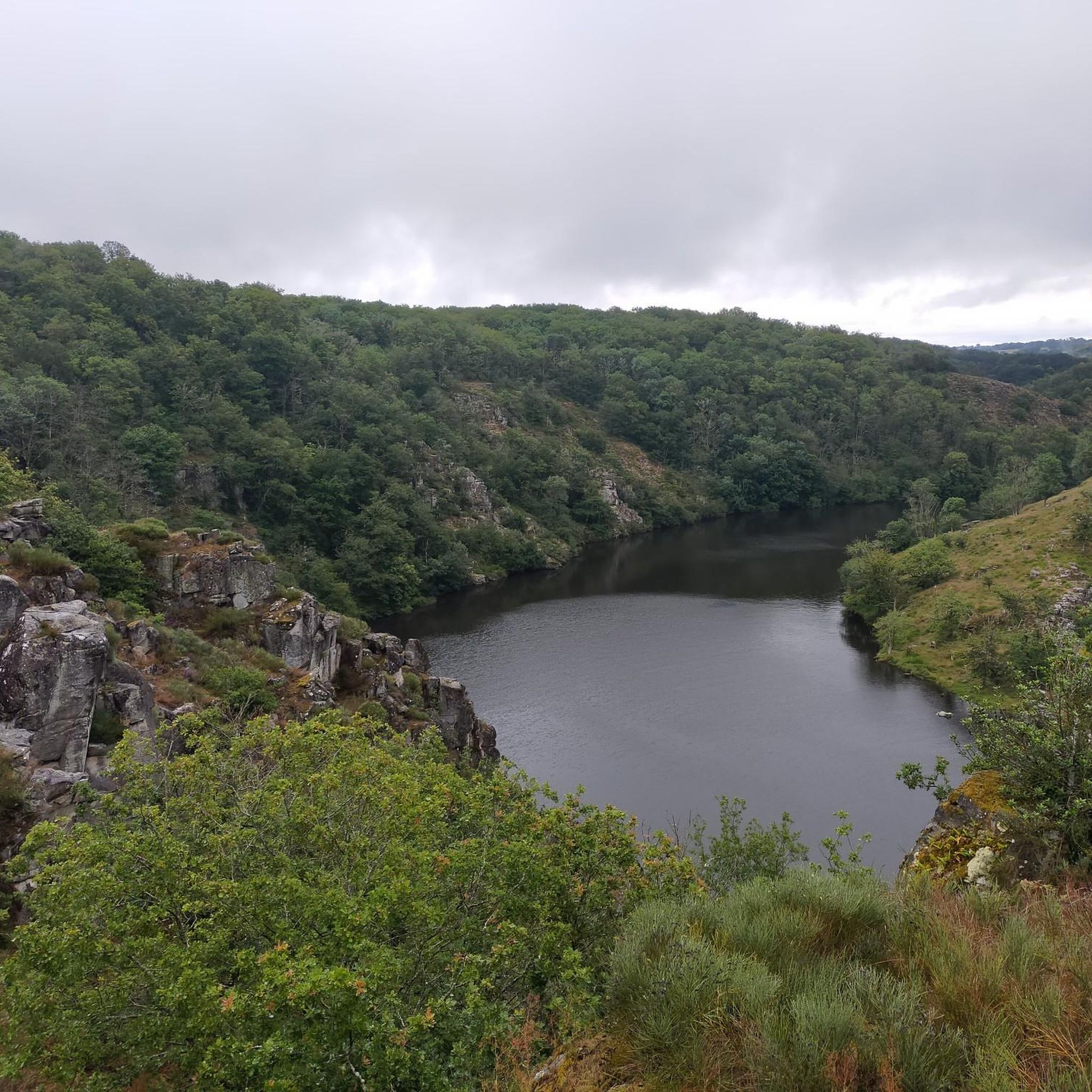
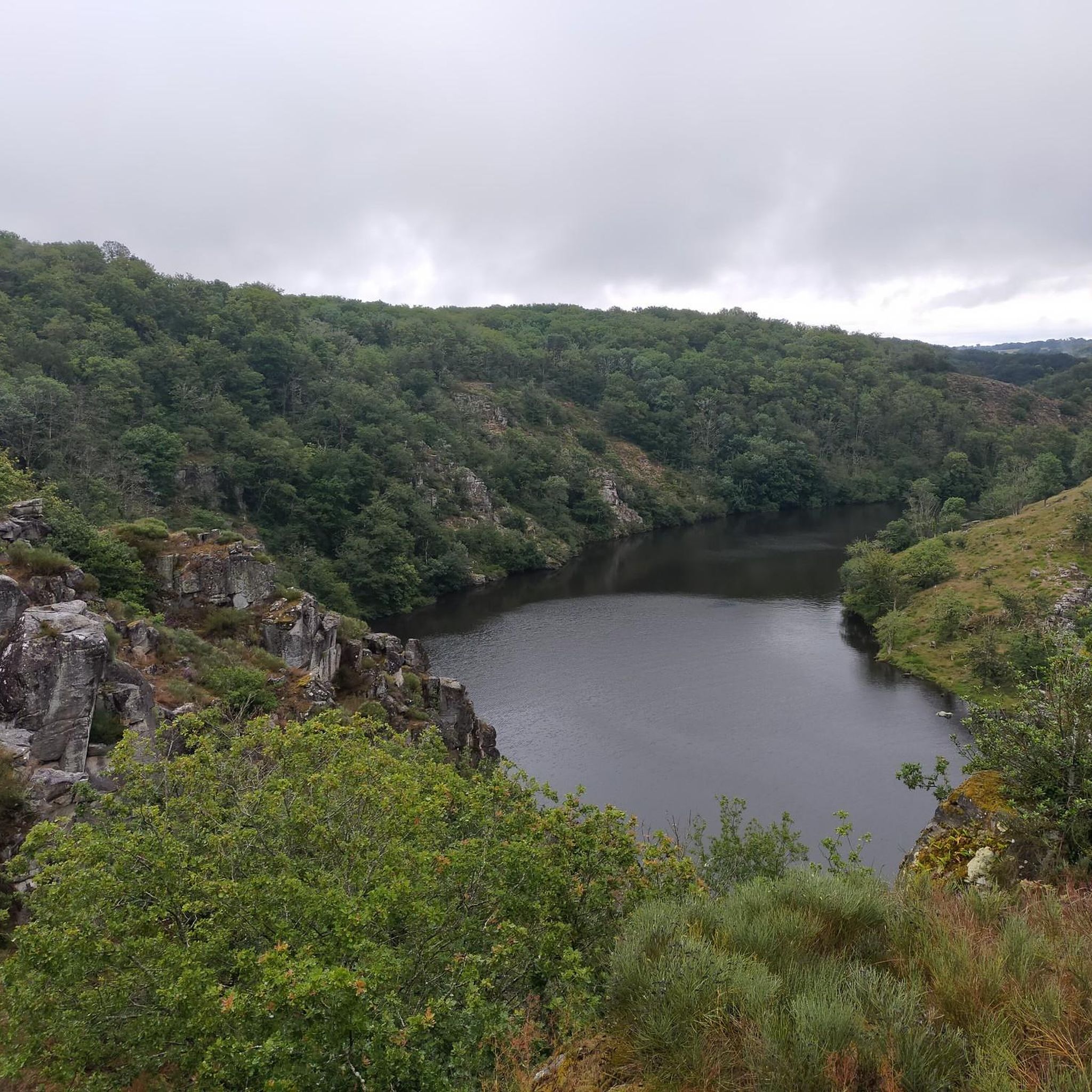
A beautiful reservoir connects the two departments. If you want, you can also rent a canoe and go on the lake.
1
0
Frequently Asked Questions
How many hiking trails are available around Saint-Sébastien?
There are over 80 hiking trails around Saint-Sébastien, offering a wide variety of experiences. These include coastal paths, mountain ascents, and routes through lush forests, catering to different skill levels.
What kind of terrain can I expect on hikes near Saint-Sébastien?
Hiking around Saint-Sébastien offers incredibly diverse terrain. You can expect dramatic coastal paths with ocean views, rugged limestone cliffs, and lush green valleys. Trails also wind through impressive pine, beech, and oak forests, particularly in areas like Peñas de Aya and Mount Adarra.
Are there easy hiking options for beginners or families in Saint-Sébastien?
Yes, Saint-Sébastien offers many easy hiking options suitable for beginners and families. For instance, Mount Urgull in the city center provides scenic trails and green areas for leisurely walks. The region has 30 easy routes, ensuring there are plenty of accessible choices for a relaxed outdoor experience.
What are some notable natural features or landmarks to see while hiking?
The region is rich in natural beauty and historical landmarks. You can explore unique geological formations like the Akerregi Crevice and Zapelarri Rock on Mount Jaizkibel, or discover ancient Roman mines at Arditurri in Peñas de Aya. Coastal paths also offer breathtaking views of the Cantabrian Sea and dramatic cliffs.
Are there any circular walks available around Saint-Sébastien?
Yes, many of the trails around Saint-Sébastien are designed as circular routes, allowing you to start and end at the same point. This is convenient for planning your day and often provides varied scenery throughout the loop.
What do other hikers enjoy most about hiking in Saint-Sébastien?
The komoot community highly rates hiking in Saint-Sébastien, with an average score of 4.6 stars from over 320 reviews. Hikers often praise the stunning blend of coastal and mountain scenery, the well-maintained paths, and the opportunity to discover both natural wonders and historical sites.
Can I hike along the Camino de Santiago near Saint-Sébastien?
Yes, sections of the famous Camino de Santiago (St. James' Way), specifically the Northern Way, pass through the Saint-Sébastien region. These routes offer a unique blend of scenic ocean views and historic paths, often overlapping with the coastal trails.
Are there opportunities to see wildlife or unique flora?
Absolutely. Natural parks like Peñas de Aya are protected areas known for their ecological value. You might spot diverse local flora, including pine, beech, and oak forests, and have a chance to see wildlife such as griffon vultures, Egyptian vultures, wild boars, and foxes.
Are there any trails that offer panoramic viewpoints?
Many trails in the region are renowned for their spectacular panoramic views. Mount Jaizkibel offers vistas of the Bay of Txingudi and the Atlantic coast of France, while Mount Igeldo provides impressive views of the Cantabrian coast and the city of San Sebastián. Peñas de Aya also boasts views of the Atlantic coast and the Pyrenees.
What are the options for more challenging hikes?
For those seeking more challenging hikes, Saint-Sébastien offers 9 difficult routes. Mount Adarra, for example, provides longer and more demanding trails with unique landscapes and breathtaking views. Peñas de Aya also features some challenging sections within its mountain massif.
Are there any coastal paths that offer dramatic cliff views?
Yes, the region is famous for its dramatic coastal paths. The Sentier du Littoral (Coastal Path) offers breathtaking panoramic views of the Pyrénées, dramatic cliffs, and the expansive ocean. Mount Ulia also provides trails through lush forests with incredible views of the Cantabrian Sea and secluded coves surrounded by cliffs.
Can I find historical sites along the hiking routes?
Yes, many hiking routes in the Saint-Sébastien area incorporate historical elements. You can encounter ruins of Carlist war towers on Jaizkibel and Peñas de Aya, and explore the ancient Roman mines of Arditurri within Peñas de Aya, offering a glimpse into the region's rich past.
Most popular attractions around Saint-Sébastien

Get inspired with the komoot mobile app


Explore more
Browse the best Hikes in other regions.
