Attractions and Places To See around Juillac - Top 20
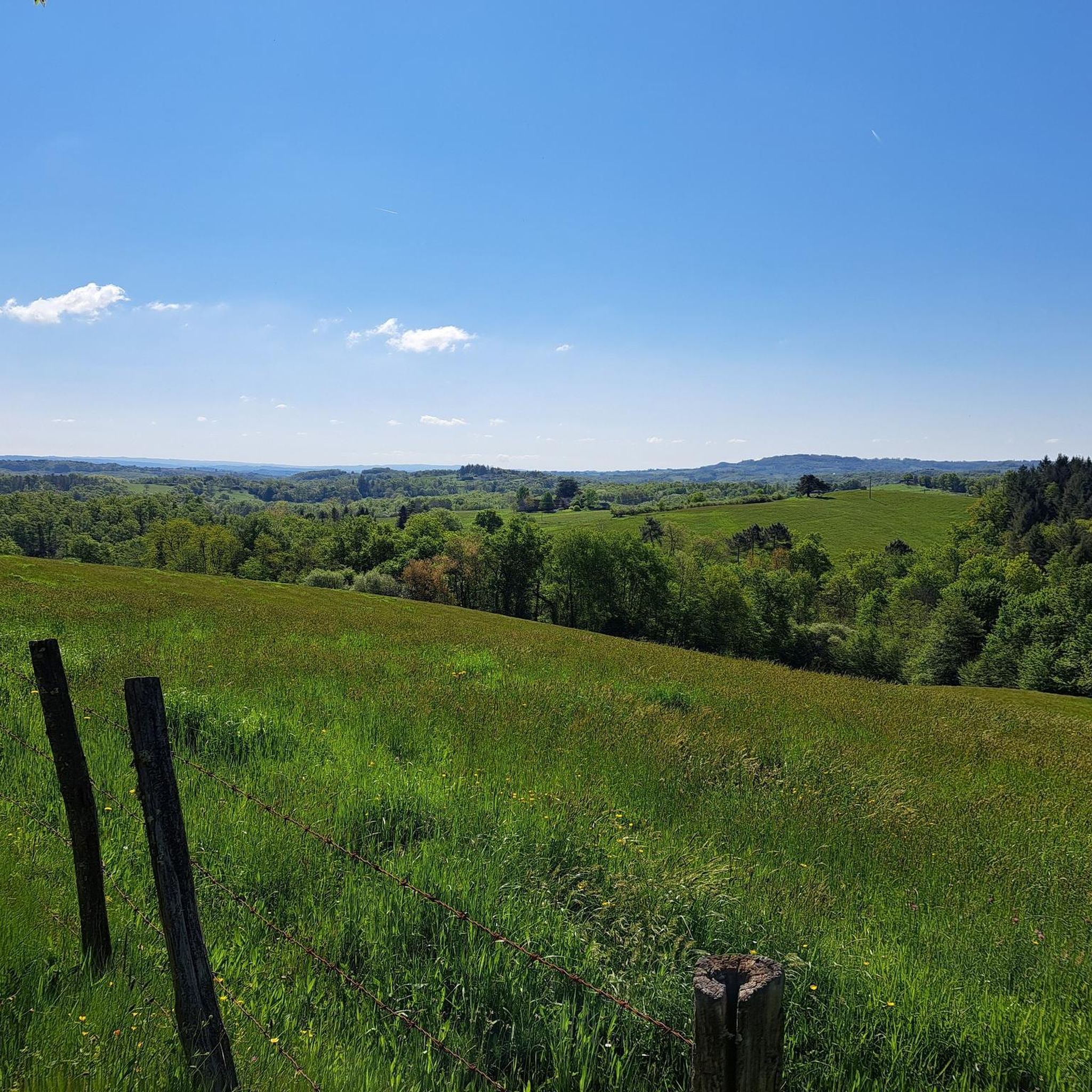
Best attractions and places to see around Juillac, a commune in the Corrèze department of Nouvelle-Aquitaine, France, offers a diverse landscape of natural beauty and historical sites. Situated at an altitude of approximately 300 meters, the area provides panoramic views of surrounding forests and hills. Visitors can explore a mix of natural features, historical landmarks, and cultural points of interest. The region is characterized by its rivers, waterfalls, and traditional architecture.
Best attractions and places to see around Juillac
- The most popular attractions is Suspension Bridge Over the Auvézère, a bridge that allows crossing the river. It offers views of beautiful waterfalls.
- Another must-see spot is Saut Ruban Waterfall, a waterfall located in the Dordogne department. This magnificent natural site is ideal for hiking and tranquility.
- Visitors also love Ségur-le-Château, a settlement featuring old noble houses and castle remains. This picturesque village is recognized as one of the most beautiful in France.
- Juillac is known for its natural features like waterfalls and gorges, historical landmarks such as churches and castles, and outdoor activities including hiking and cycling. The area offers a variety of attractions to see and explore, from scenic viewpoints to cultural sites.
- The attractions around Juillac are appreciated by the komoot community, with 119 upvotes and 75 photos shared by visitors.
Last updated: May 5, 2026
Saut Ruban Waterfall
Highlight • Waterfall
Points of Interest at the Saut Ruban Waterfall:
Natural Beauty:
Picturesque Waterfall: The waterfall gets its name from the appearance of the water flowing down like a "ribbon," creating a delicate and peaceful spectacle.
Lush Environment: It is surrounded by lush vegetation, with trees and plants enhancing the wild charm of the place.
A Haven of Peace:
A Place to Relax: The waterfall is an ideal place to recharge your batteries, with the soothing sound of the falling water creating a relaxing atmosphere.
Picnics and Rest: The setting is also ideal for a picnic break or a quiet walk in nature.
Hiking:
Hiking Trails: To reach the waterfall, several marked hiking trails allow hikers to enjoy the surrounding landscapes before arriving at the site. These paths offer splendid views of the surrounding nature.
Moderate Access: The route to reach the waterfall is relatively easy, making it an accessible destination for families and beginner hikers.
Wildlife and Flora Observation:
Natural Richness: Along the way to the waterfall, you can observe a variety of wildlife and rich flora typical of wetlands, such as birds, small mammals, and aquatic plants.
Translated by Google •
Tip by

Château de Hautefort and Gardens
Highlight • Castle
During the Revolution, the castle was protected by the inhabitants of Hautefort, who repelled a revolutionary troop from Excideuil wanting to destroy it. At the beginning of the 20th century, the castle was in ruins, having lost its furniture, its woodwork and parquet floors. In 1929, it was bought by the Baron and Baroness de Bastard, who undertook a complete restoration. After the Baron's death in 1957, the Baroness continued the work alone. A fire in 1968 destroyed the central building, leaving only the charred exterior walls. Thanks to national and local generosity, as well as the support of personalities, Baroness de Bastard undertook a second restoration, even selling her works of art to finance the work.
The facades, frames, ceilings, decorations and rooms were reconstructed identically from photos. The woodwork of the Château de Kerlaudy was recovered and the castle was completely refurnished. In 1977, Baroness de Bastard moved back into the castle and opened it to visitors. In 1984, she created the Château de Hautefort Foundation, to which she donated the building, its estate and its furniture.
Today, the interiors not open to the public are still being restored. The French gardens, recreated by the baron and baroness, extend into terraces around the castle, with flowered boxwood embroidery beds and are classified as historic monuments. An English-style park of 30 hectares extends on the hill to the west of the castle.
Translated by Google •
Tip by

Sign up now to discover places like this
Get recommendations on the best single tracks, peaks, & plenty of other exciting outdoor places.
Sign up for free
Church of the Transfiguration of Our Lord
Highlight • Other
=> "In the middle of everyday life, three disciples have an Easter experience with Jesus: They see Jesus in a mysterious light, and Moses and Elijah talk to him. In this way, the deepest identity of Jesus as the "beloved son" of God is revealed to the disciples."
This is what is said in brief in a work aid from the Bible work for the Feast of Transfiguration, which is celebrated in all Christian denominations on August 6th.
This event, which is attested to in the New Testament - see Mark (chapter 9) and Luke (chapter 9) as well as Matthew (chapter 17) - is located on Mount Tabor in Israel. A basilica was built there to commemorate (see komoot.de/highlight/266239), which can therefore be considered the original church for the patronage of this place of worship.
Translated by Google •
Tip by

Ségur-le-Château
Highlight • Settlement
Nestled in a loop of the Auvézère and protected by a rocky outcrop, Ségur is, as the toponymy indicates, a 'safe place'. From the 9th century, the construction of a castle gave it its vocation as a stronghold. The construction of two bridges, in the 13th century, allows the extension of the village on the other bank upstream and downstream of the large loop. Until 1750, Ségur was the seat of a court of appeals which received appeals from 361 seigneurial courts. Its architectural richness owes a lot to the many robins (people of dress) attracted to this courtyard.
Translated by Google •
Tip by

Suspension Bridge Over the Auvézère
Highlight • Bridge
Translated by Google •
Tip by

Sign up for free to discover even more attractions around Juillac.
Sign up for free
Already have an account?
Start today with a free account
Your next adventure awaits.
Login or Signup



Tips from the Community

Super beautiful, rugged, along the river
0
0

Beware of vertigo on this suspension bridge ;) allows you to see beautiful waterfalls
2
3

Why Visit Saut Ruban Waterfall? For the natural setting: This site is perfect for nature lovers seeking serenity and escape, far from the noise of the city. For hiking: The trails around the waterfall are ideal for a pleasant hike in the heart of nature, with varied landscapes. For a moment of relaxation: The soothing sound of the water and the beauty of the place make it a perfect place to relax and enjoy some time outdoors. Saut Ruban Waterfall is therefore a must-see for nature and hiking enthusiasts, offering an enchanting setting and a moment of tranquility in the heart of the Dordogne.
2
0
The Saut Ruban Waterfall is a magnificent natural site located in the Dordogne department. Hidden in the heart of nature, this waterfall offers a soothing spectacle, perfect for those who love hiking and tranquility. Points of Interest at the Saut Ruban Waterfall: Natural Beauty: Picturesque Waterfall: The waterfall gets its name from the appearance of the water flowing down like a "ribbon," creating a delicate and peaceful spectacle. Lush Environment: It is surrounded by lush vegetation, with trees and plants enhancing the wild charm of the place. A Haven of Peace: A Place to Relax: The waterfall is an ideal place to recharge your batteries, with the soothing sound of the falling water creating a relaxing atmosphere. Picnics and Rest: The setting is also ideal for a picnic break or a quiet walk in nature. Hiking: Hiking Trails: To reach the waterfall, several marked hiking trails allow hikers to enjoy the surrounding landscapes before arriving at the site. These paths offer splendid views of the surrounding nature. Moderate Access: The route to reach the waterfall is relatively easy, making it an accessible destination for families and beginner hikers. Wildlife and Flora Observation: Natural Richness: Along the way to the waterfall, you can observe a variety of wildlife and rich flora typical of wetlands, such as birds, small mammals, and aquatic plants.
3
0

Hautefort Castle, located on a rocky outcrop overlooking the town and village of Hautefort, is a rare example of classical architecture in the Dordogne. Built from the 16th to the 17th century on the foundations of an old castle, its architecture is reminiscent of the castles of the Loire. The construction, led by architects Nicolas Rambourg and Jacques Maigret, was intended for the family of the Marquis de Hautefort, close to the king and influential at Court, renowned for their generosity towards the poor. During the Revolution, the castle was protected by the inhabitants of Hautefort, who repelled a revolutionary troop from Excideuil wanting to destroy it. At the beginning of the 20th century, the castle was in ruins, having lost its furniture, its woodwork and parquet floors. In 1929, it was bought by the Baron and Baroness de Bastard, who undertook a complete restoration. After the Baron's death in 1957, the Baroness continued the work alone. A fire in 1968 destroyed the central building, leaving only the charred exterior walls. Thanks to national and local generosity, as well as the support of personalities, Baroness de Bastard undertook a second restoration, even selling her works of art to finance the work. The facades, frames, ceilings, decorations and rooms were reconstructed identically from photos. The woodwork of the Château de Kerlaudy was recovered and the castle was completely refurnished. In 1977, Baroness de Bastard moved back into the castle and opened it to visitors. In 1984, she created the Château de Hautefort Foundation, to which she donated the building, its estate and its furniture. Today, the interiors not open to the public are still being restored. The French gardens, recreated by the baron and baroness, extend into terraces around the castle, with flowered boxwood embroidery beds and are classified as historic monuments. An English-style park of 30 hectares extends on the hill to the west of the castle.
0
0

This church is not - as is usually the case - dedicated to one of the many people we venerate as saints, or to Mary the Mother of God or her son. Instead, it bears a biblical event as its patronage title, namely the "TRANSFIGURATION de NOTRE SEIGNEUR" (called "Transfiguration of the Lord" in German-speaking countries). => "In the middle of everyday life, three disciples have an Easter experience with Jesus: They see Jesus in a mysterious light, and Moses and Elijah talk to him. In this way, the deepest identity of Jesus as the "beloved son" of God is revealed to the disciples." This is what is said in brief in a work aid from the Bible work for the Feast of Transfiguration, which is celebrated in all Christian denominations on August 6th. This event, which is attested to in the New Testament - see Mark (chapter 9) and Luke (chapter 9) as well as Matthew (chapter 17) - is located on Mount Tabor in Israel. A basilica was built there to commemorate (see https://www.komoot.de/highlight/266239), which can therefore be considered the original church for the patronage of this place of worship.
2
0

Nice waterfalls between the rocks. And rocky paths to walk.
2
1
You can cross the river via the suspension bridge.
1
0
Frequently Asked Questions
What natural features can I explore around Juillac?
Juillac and its surroundings offer a wealth of natural beauty. You can visit the picturesque Saut Ruban Waterfall, known for its delicate flow and lush environment, perfect for hiking. Another impressive waterfall is Le Saut de Juillac, approximately twenty meters high, part of the Roc Grand site. For scenic walks, explore the Gorges de la Roche, which begin just behind Juillac's church. Don't miss the "Table d'Orientation du Châtenet" for magnificent panoramic views of the Brive basin and the Périgord region.
Are there any historical landmarks or cultural sites to visit in Juillac?
Yes, Juillac boasts several historical and cultural sites. The village church is notable for its two naves, a Renaissance altar, a 15th-century wooden pietà, and a painting titled "The Adoration of the Shepherds." You can also see the Château de Hautefort and Gardens, a rare example of classical architecture, and the medieval village of Ségur-le-Château, recognized as one of France's most beautiful villages. Within Juillac, remnants of its old castle, including flamboyant Gothic sculptures, can still be found, and the village features charming old residences with traditional slate roofs.
What are some family-friendly attractions near Juillac?
Families visiting Juillac have several excellent options. The Saut Ruban Waterfall is a great destination for a family hike, with relatively easy trails. The historic village of Ségur-le-Château offers a captivating experience with its old noble houses and castle remains, appealing to all ages. Additionally, the Château de Hautefort and Gardens provide an engaging historical outing with beautiful grounds to explore.
Where can I go hiking or cycling around Juillac?
Juillac is an excellent base for outdoor enthusiasts. Numerous marked hiking and cycling trails allow you to explore the surrounding landscapes. A special topo-guide for walking paths in the canton is available at the local tourist office. For specific routes, you can find various running trails, such as the "Saut Ruban Waterfall loop from Saint-Mesmin," and cycling routes like "Perpezac – Chapelle Bellevue loop from Juillac." You can explore more options on the running trails guide or the cycling guide for the area.
What is the "Saut Ruban Waterfall" and how can I visit it?
The Saut Ruban Waterfall is a magnificent natural site located in the nearby Dordogne department. Its name, meaning "ribbon jump," refers to the delicate way the water flows amidst lush vegetation. It's a perfect spot for hiking and tranquility. Marked hiking trails lead to the waterfall, offering scenic views and opportunities to observe local wildlife and flora. The route to reach it is generally considered relatively easy, making it accessible for families and beginner hikers.
Can you tell me more about Ségur-le-Château?
Ségur-le-Château is a picturesque medieval village, recognized as one of the most beautiful in France. Nestled in a loop of the Auvézère river and protected by a rocky outcrop, it features old noble houses dominated by the imposing remains of its castle. Historically, it was a significant stronghold and a seat of appeals court. Its architectural richness is a testament to its past, making it a fascinating place to explore.
What kind of outdoor sports or activities are available in the Juillac area?
Beyond hiking and cycling, the Juillac area offers a variety of outdoor activities. You can find opportunities for fishing in streams populated with trout and crayfish, as well as in local rivers like the Auvézère and various ponds. Equestrian activities are available in nearby Pompadour, known for its horse riding heritage. Juillac also has a municipal swimming pool, tennis courts, and a health course with pleasant views for those looking for more structured sports.
What is the best time of year to visit Juillac for outdoor activities?
The warmer months, particularly spring and summer, are ideal for outdoor activities in Juillac. Spring (mid-spring for the Saint Mesmin fair) offers pleasant temperatures for hiking and cycling, with blooming landscapes. Summer, especially early August, is vibrant with the traditional village festival and fireworks display, and perfect for enjoying the municipal swimming pool and other outdoor pursuits. The region's natural beauty is at its peak during these seasons.
Are there any unique cultural experiences near Juillac?
Yes, near the small hamlet of Lavialle, not far from Juillac, you can discover the unique Andean Trail (Sentier Andin). This trail features reconstructions of typical Andean houses, offering an unexpected and enriching cultural experience. Additionally, Juillac itself has a recently renovated Médiathèque Municipale and an art gallery on Grande Rue that hosts regular exhibitions by local artists.
Where can I find a scenic viewpoint around Juillac?
For magnificent panoramic views, head to the "Table d'Orientation du Châtenet." Situated at an altitude of approximately 300 meters, it offers superb vistas of the surrounding forests, hills, the Brive basin, and the Périgord region. It's an excellent spot to appreciate the diverse landscape of the area.
What is the Suspension Bridge Over the Auvézère?
The Suspension Bridge Over the Auvézère is a notable highlight that allows you to cross the river and offers views of beautiful waterfalls. It's a popular spot for those who enjoy scenic walks and a bit of adventure, though some visitors note it might induce a slight feeling of vertigo.

Get inspired with the komoot mobile app


Explore more
Still not found the Highlight you’re looking for? See guides of the top attractions in other regions:
