The best walks and hikes around Bimöhlen
4.5
(782)
3,572
hikers
42
hikes
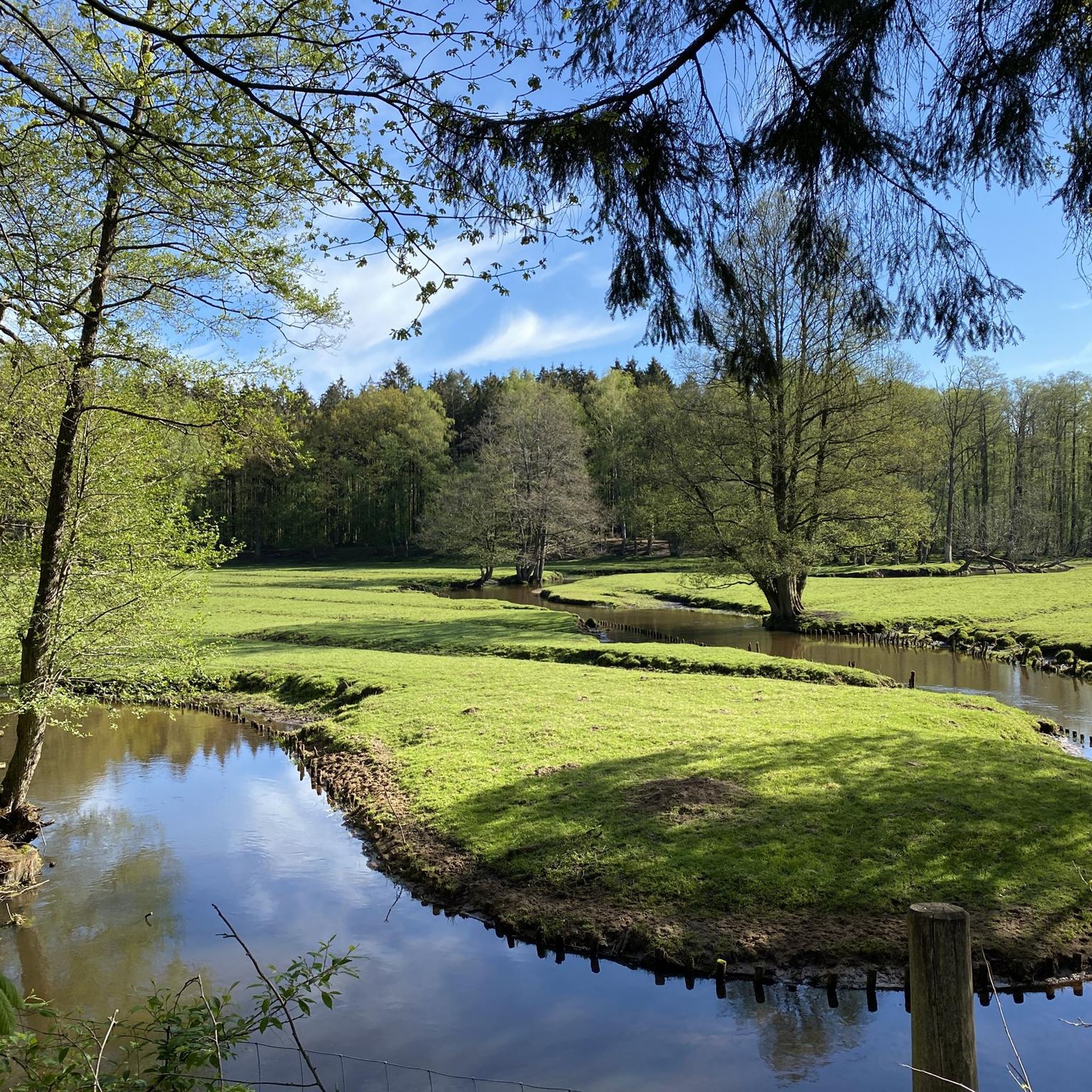
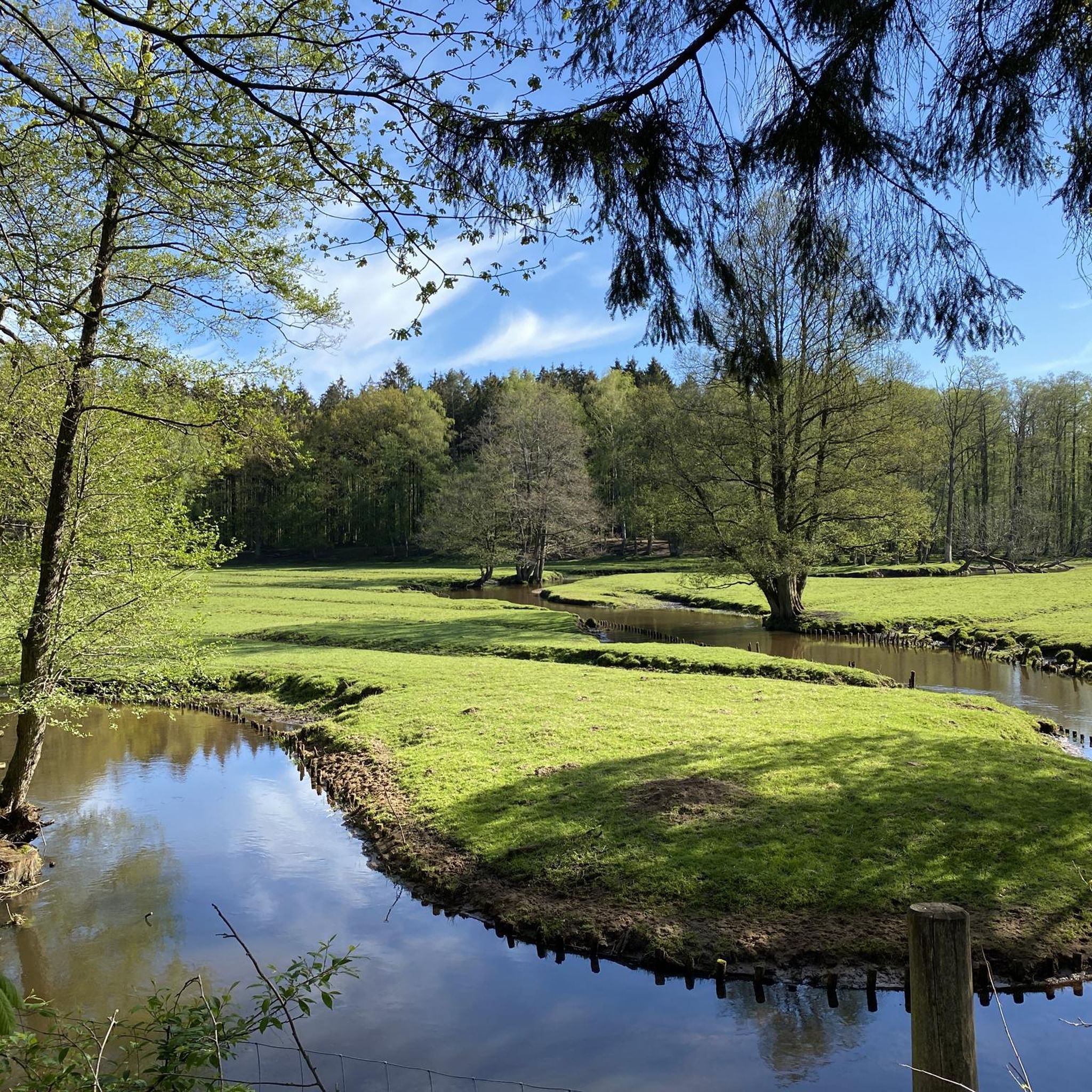
Hiking around Bimöhlen offers diverse landscapes, characterized by the remnants of a raised bog in the Hasenmoor FFH Area and the meandering Schmalfelder Au stream. The region is part of the Holsteinische Vorgeest, featuring gently sloping sandy terrain and wooded sections of the Segeberger Forest. These natural features provide varied environments for outdoor exploration.
Best hiking trails around Bimöhlen
- The most popular hiking route is Wildpark Eekholt – Wild Boar Enclosure loop from Halloher Moor, Brandsheide und Könster Moor,…
Last updated: May 8, 2026
4.8
(75)
590
hikers
Easy hike. Great for any fitness level. Easily-accessible paths. Suitable for all skill levels.
4.6
(30)
87
hikers
Moderate hike. Good fitness required. Easily-accessible paths. Suitable for all skill levels.

Sign up for free
4.8
(17)
51
hikers
20.8km
05:16
50m
50m
Hard hike. Very good fitness required. Easily-accessible paths. Suitable for all skill levels.
4.7
(75)
189
hikers
8.00km
02:01
10m
10m
Moderate hike. Good fitness required. Easily-accessible paths. Suitable for all skill levels.
4.5
(17)
47
hikers
15.7km
03:57
20m
20m
Moderate hike. Good fitness required. Easily-accessible paths. Suitable for all skill levels.
Get access to more routes and recommendations from other explorers.
Sign up for free
Already have an account?
Our route recommendations are based on thousands of hikes, rides, and runs completed by other people on komoot.
Start today with a free account
Your next adventure awaits.
Login or Signup

Tips from the Community

Great area to watch deer
0
0
Like a hive, all kinds of instructive information about bees
0
0
A good overview of the stork enclosure with pond
0
0
Set up like a hive, you can learn a lot about bees here
0
0

A beehive (Middle High German bînstoc for 'stock(wood, hollow) for bees') is an artificial nesting cavity (housing) provided by a beekeeper, together with the colony of honey bees within. The housing itself is called a hive, the entirety of the honeycombs or cells is called a mesh(es)[1]. Modern magazine hives consist of one or more stacked so-called frames (boxes open at the top and bottom), as well as a removable lid and a
0
0
A beehive is an artificial nesting cavity provided by a beekeeper, along with the colony of honey bees within. The nesting cavity itself is called the hive, while the entire honeycomb or cells are called the honeycomb mesh.
0
0
The Eekholt Bee World A special highlight is the "Eekholt Bee World," opening in spring 2022. The oversized, walk-in beehive with an interactive exhibition provides information about biodiversity and insect conservation using wild bees as an example. In the nearby bee house, honeybees can be observed producing honey in spring and summer. There's also a wealth of fascinating information about beekeeping here. There's also plenty to discover outside. A wildflower meadow, perennial beds, and orchard meadows invite you to linger. But other areas of the wildlife park are also buzzing and buzzing!
0
0
In search of food, wild boars rummage through the ground for edible roots, worms, grubs, mice, snails, and mushrooms. In addition to aquatic plants such as calamus, wild boars also eat the leaves, shoots, and fruits of numerous woody plants, herbs, and grasses. As omnivores, they will also eat carrion and waste. Wild boars have been observed breaking into rabbit burrows to eat the young rabbits. Occasionally, they also prey on the eggs and young of ground-nesting birds. In dry waters, they even eat mussels.
0
0
Frequently Asked Questions
How many hiking trails are available around Bimöhlen?
There are over 40 hiking trails in the Bimöhlen area, catering to various skill levels. You'll find a good mix of easy, moderate, and challenging routes to explore the diverse landscapes.
What kind of natural landscapes can I expect to see while hiking in Bimöhlen?
Bimöhlen offers a diverse range of natural landscapes. You can explore the unique transitional bog environment of the Hasenmoor FFH Area (also known as Königsmoor Nature Reserve), wander along the 'wild-romantic' Schmalfelder Au stream with its varied riparian vegetation, and traverse sections of the Segeberger Forest. The broader area is part of the Holsteinische Vorgeest, characterized by gently sloping sandy terrain.
Are there any easy hiking trails suitable for beginners or a relaxed walk?
Yes, Bimöhlen has several easy trails. One popular option is the Wildpark Eekholt – Wild Boar Enclosure loop from Halloher Moor, Brandsheide und Könster Moor, which is about 3.9 km long and takes around an hour. Another easy route is the Königsmoor Nature Reserve – Hasenmoor Observation Tower loop from Wege um das Hasenmoor, covering 6.2 km.
What are some notable attractions or points of interest along the hiking routes?
Hikers can discover several interesting points. The Hasenmoor Observation Tower offers excellent views of the surrounding natural landscape. The tranquil Krattkoppelsee provides a peaceful spot for a break, and the Kingfisher Observation Platform at Eisvogel Pond is great for birdwatching. Additionally, the Wildpark Eekholt is a major attraction with diverse wildlife, and many routes start or pass by it.
Are there any circular hiking routes in Bimöhlen?
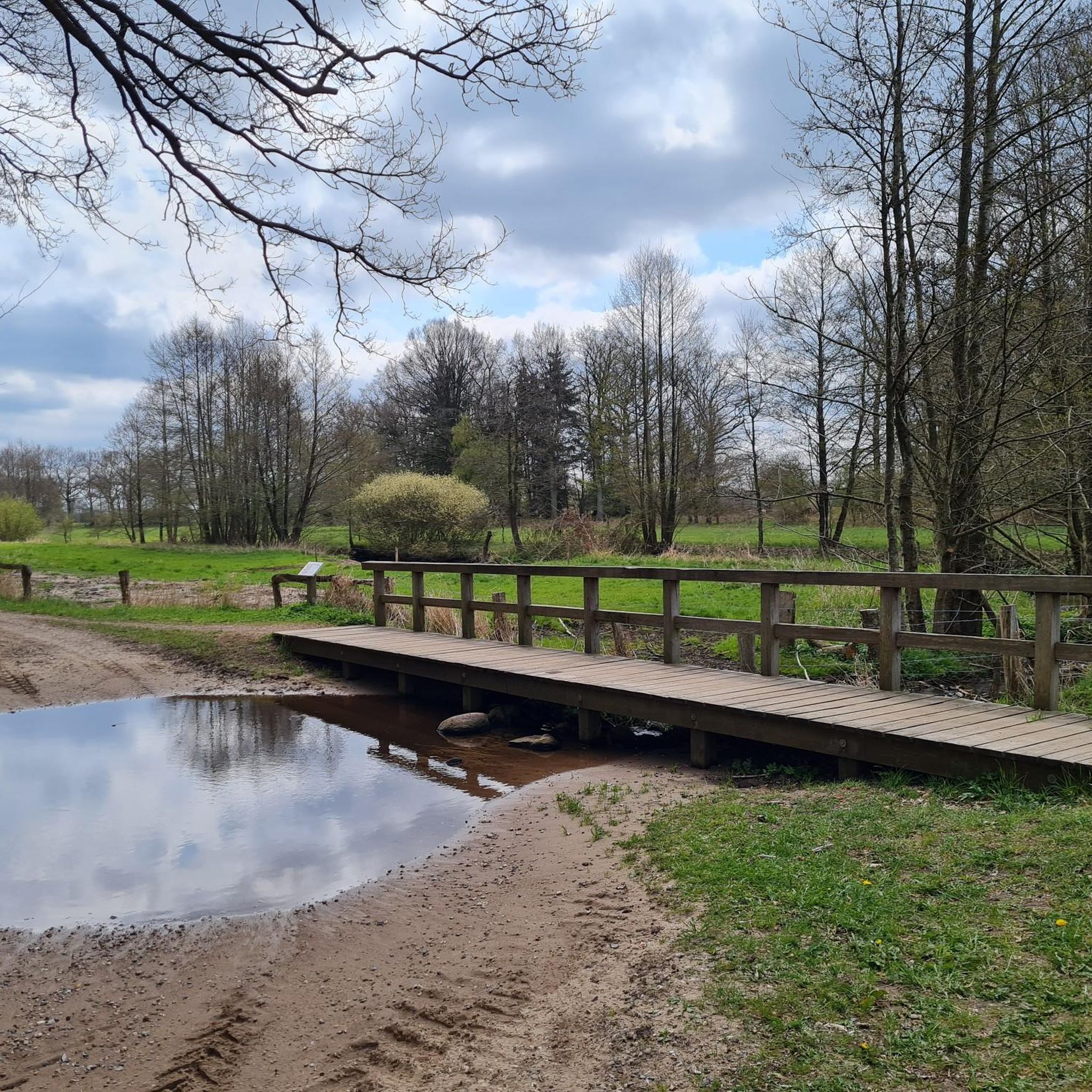
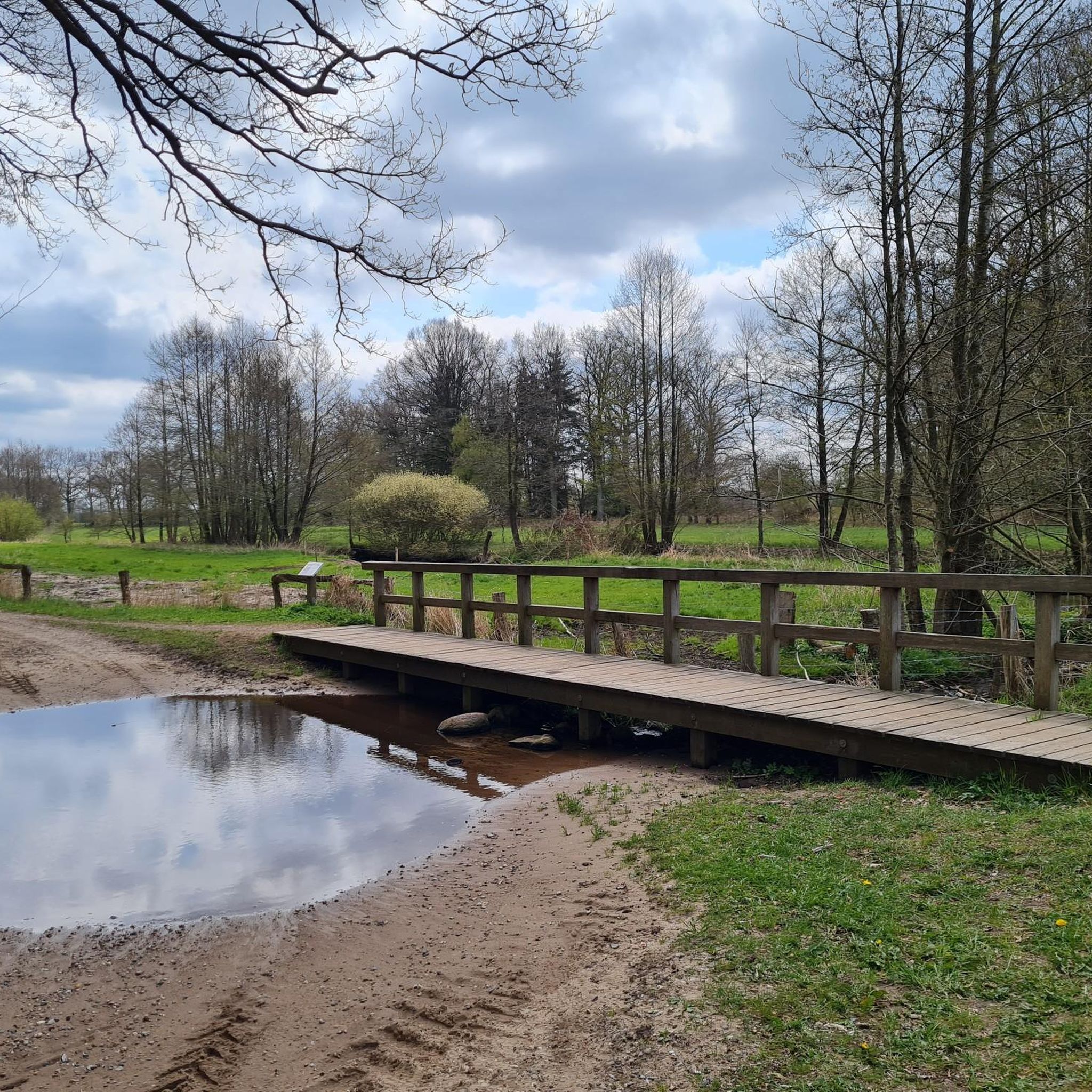
Yes, many of the trails around Bimöhlen are circular. For example, the Königsmoor Nature Reserve – Hasenmoor Observation Tower loop from Bimöhlen is a moderate 8.7 km circular path. Another option is the more challenging Bridge over the Osterau – Osterau River loop from Bimöhlen, which is 20.8 km long.
What is the best time of year to go hiking in Bimöhlen?
Bimöhlen offers appealing hiking opportunities throughout the year. Spring and autumn are particularly pleasant for their mild temperatures and vibrant colors in the forests and bogs. Summer provides longer daylight hours, while winter can offer unique, quiet landscapes, especially in the Hasenmoor FFH Area.
Can I expect to see wildlife during my hike?
Yes, the region is rich in wildlife. The Schmalfelder Au stream supports diverse fish populations, attracting various birdlife. In the Hasenmoor FFH Area and surrounding forests, depending on the season, you might spot sea eagles, storks, swans, cranes, deer, and kingfishers. Wildpark Eekholt itself is home to over 700 animals of Central European species.
Are there any challenging routes for experienced hikers?
For experienced hikers seeking a challenge, the Bridge over the Osterau – Osterau River loop from Bimöhlen is a difficult 20.8 km trail that typically takes over 5 hours to complete. This route leads through riverine environments and requires good physical condition.
What do other hikers say about the trails in Bimöhlen?
The hiking trails in Bimöhlen are highly regarded by the komoot community, with an average rating of 4.5 stars from over 780 reviews. Hikers often praise the diverse natural environments, from the unique bog landscapes to the peaceful river paths, and the well-maintained routes.
Are there any specific natural reserves or protected areas I should know about?
Yes, a significant natural feature is the Hasenmoor FFH Area, also known as Königsmoor Nature Reserve. This area is a remnant of a raised bog undergoing renaturation, offering a unique ecosystem to explore. You can learn more about it on Wikipedia. Additionally, the Osterautal Nature Reserve is another protected area worth noting.
Are there any routes that feature water bodies like lakes or streams?
Absolutely. The 'wild-romantic' Schmalfelder Au stream meanders through the region, and many trails follow its course, offering scenic views of its riparian vegetation. The Krattkoppelsee is a tranquil lake providing direct access to water, and the Bridge over the Osterau – Osterau River loop from Bimöhlen specifically highlights a riverine environment.
Most popular attractions around Bimöhlen

Get inspired with the komoot mobile app


Explore more
Browse the best Hikes in other regions.
