Attractions and Places To See around Arvert - Top 20
Best attractions and places to see around Arvert are found on the Arvert peninsula in Charente-Maritime, France. This region is characterized by natural landscapes, including extensive forests, salt and freshwater marshes, and a wild coast. Arvert is known for its maritime activity and cultural heritage, particularly oyster farming. Visitors can explore historical sites and natural features that define the area.
Best attractions and places to see around Arvert
- The most popular attractions is Carrelets of Saint Palais sur mer, traditional fishing structures that are emblematic of the Charente coastline. Their history blends traditional fishing with local heritage and tourist development.
- Another must-see spot is Platin Beach, Saint-Palais-sur-Mer, a beach distinguished by its limestone cliffs and small coves. This coastal site is shaped by marine erosion and marked by its role in World War II.
- Visitors also love German Bunkers of La Grande Côte, a historical site offering insight into World War II history. These well-preserved bunkers provide views of the ocean.
- Arvert is known for its natural features, historical sites, and cultural heritage related to oyster farming. The area offers a variety of attractions to see and explore, from coastal landscapes to historical landmarks.
- The attractions around Arvert are appreciated by the komoot community, with over 100 upvotes and 2 photos shared.
Last updated: October 9, 2026
Our Lady of the Aviators Chapel in Saint-Palais
Highlight • Religious Site
Showing Translation
Tip by

Platin Beach, Saint-Palais-sur-Mer
Highlight • Beach
🌊 A site shaped by the sea
The Platin beach is distinguished by its limestone cliffs and small coves. This coastline belongs to the Côte Nord de Beauté, between Royan and La Palmyre.
The word “Platin” comes from the local dialect and refers to a rocky plateau exposed at low tide.
For millennia, marine erosion has sculpted these rocks, creating caves, overhangs, and typical reliefs.
🐟 A traditional activity: fishing and fishing huts
As along the entire Charente coast:
- Locals practiced shore fishing (shellfish, crustaceans).
- Carrelets (fishing huts on stilts) were installed on the rocks or cliffs, emblems of the local landscape.
- These structures have now become a heritage and tourist feature.
🪖 A site marked by the Second World War
During the Second World War:
- The coastline, including the Platin, was integrated into the Atlantic Wall built by the German army.
- Bunkers and defensive structures were established on the heights to monitor the Gironde estuary.
- Some remains are still visible today, integrated into the landscape.
🏖️ Tourist boom
From the end of the 19th century and especially in the 20th century, Saint-Palais-sur-Mer became a popular seaside resort.
The Platin beach attracts visitors for:
- its wilder setting than the large beaches,
- its rocks and coves,
- its view of the estuary.
Today, it is appreciated for swimming, walking, and photography.
🌿 Today: a natural and heritage site
The Platin beach is recognized for:
- its preserved environment,
- its remarkable geology,
- its blend of history and nature.
It is one of the emblematic places on the Charente coast, between maritime heritage and historical memory.
Showing Translation
Tip by

Sign up now to discover places like this
Get recommendations on the best single tracks, peaks, & plenty of other exciting outdoor places.
German Bunkers of La Grande Côte
Highlight • Historical Site
Translated by Google •
Tip by

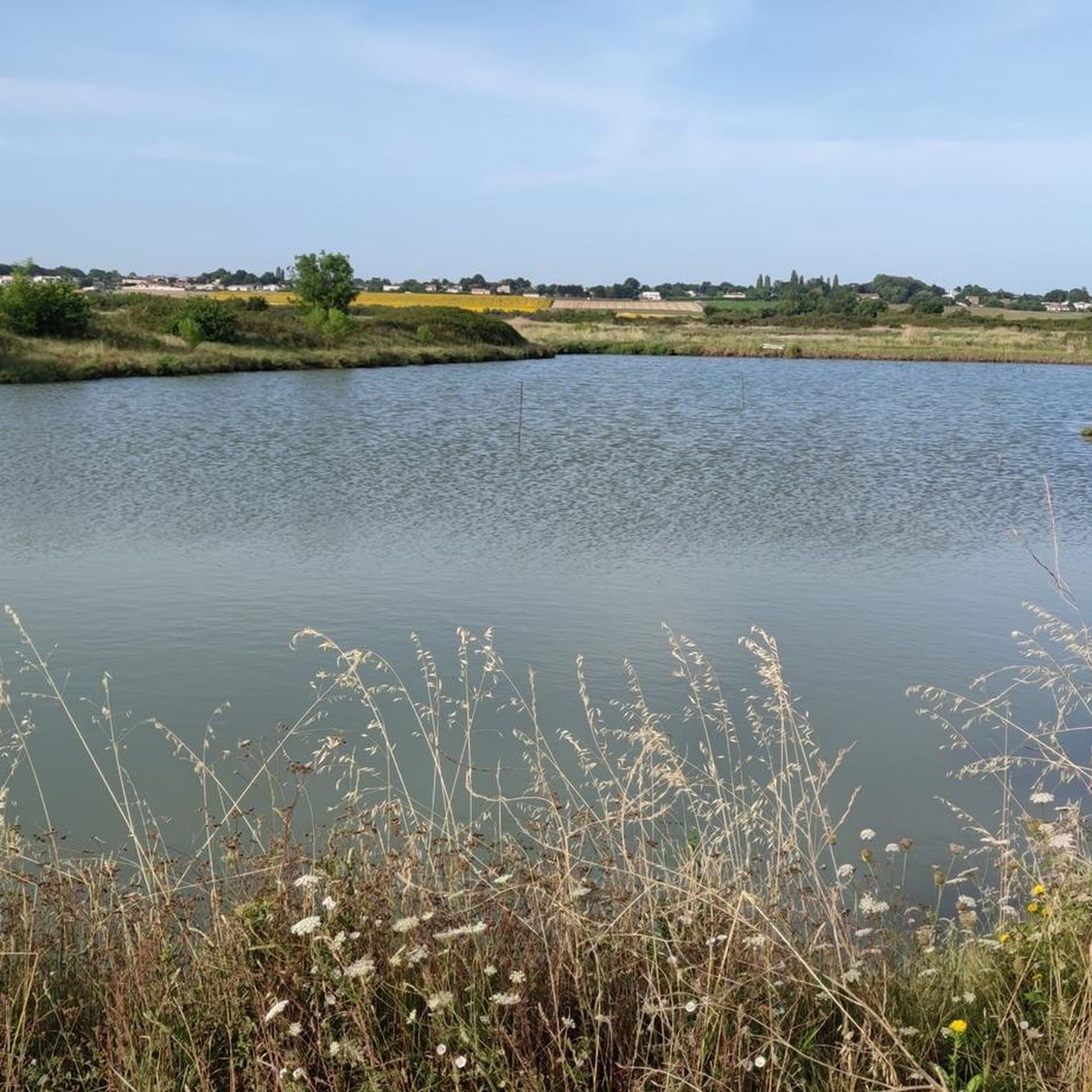
Mornac-sur-Seudre Marshes
Highlight • Natural
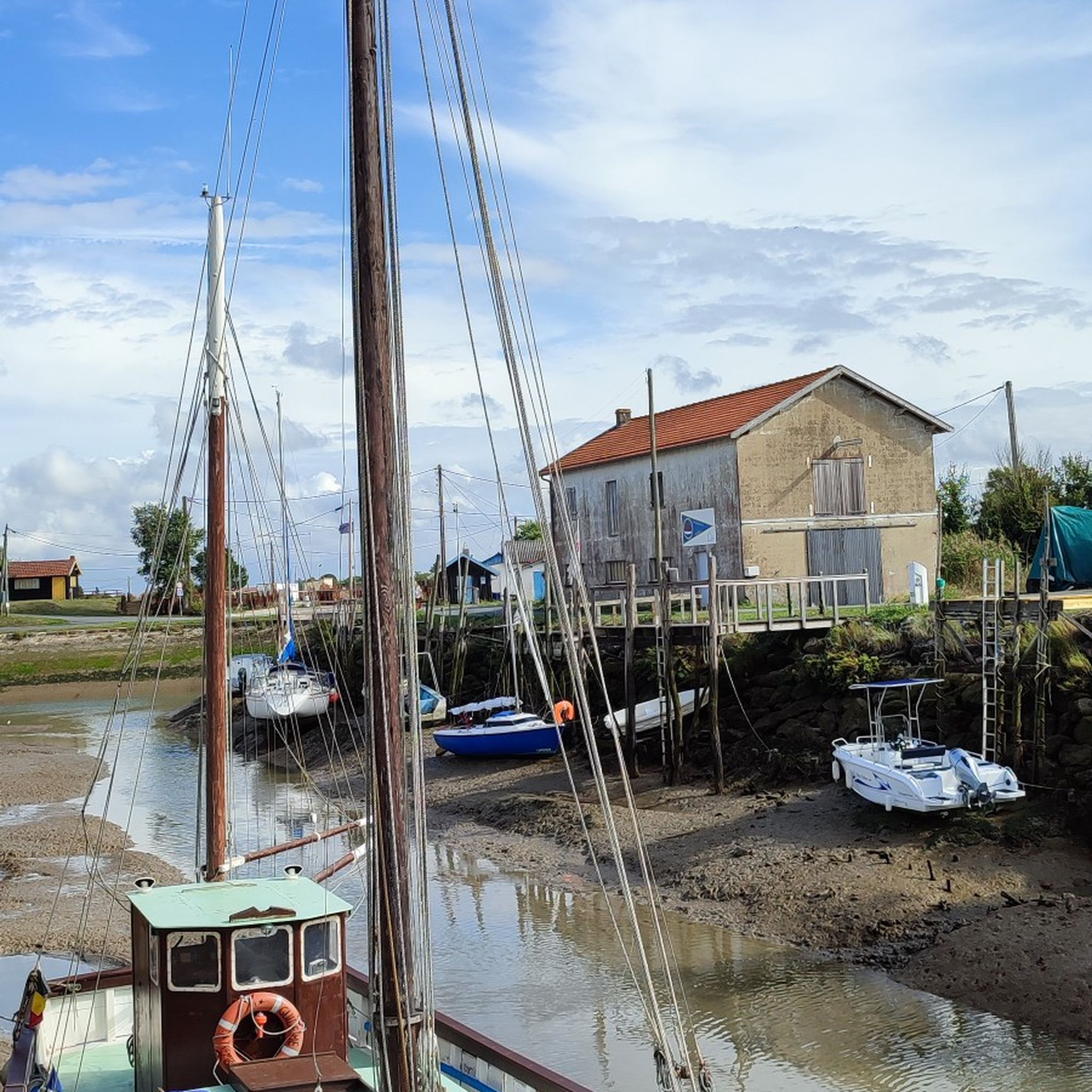
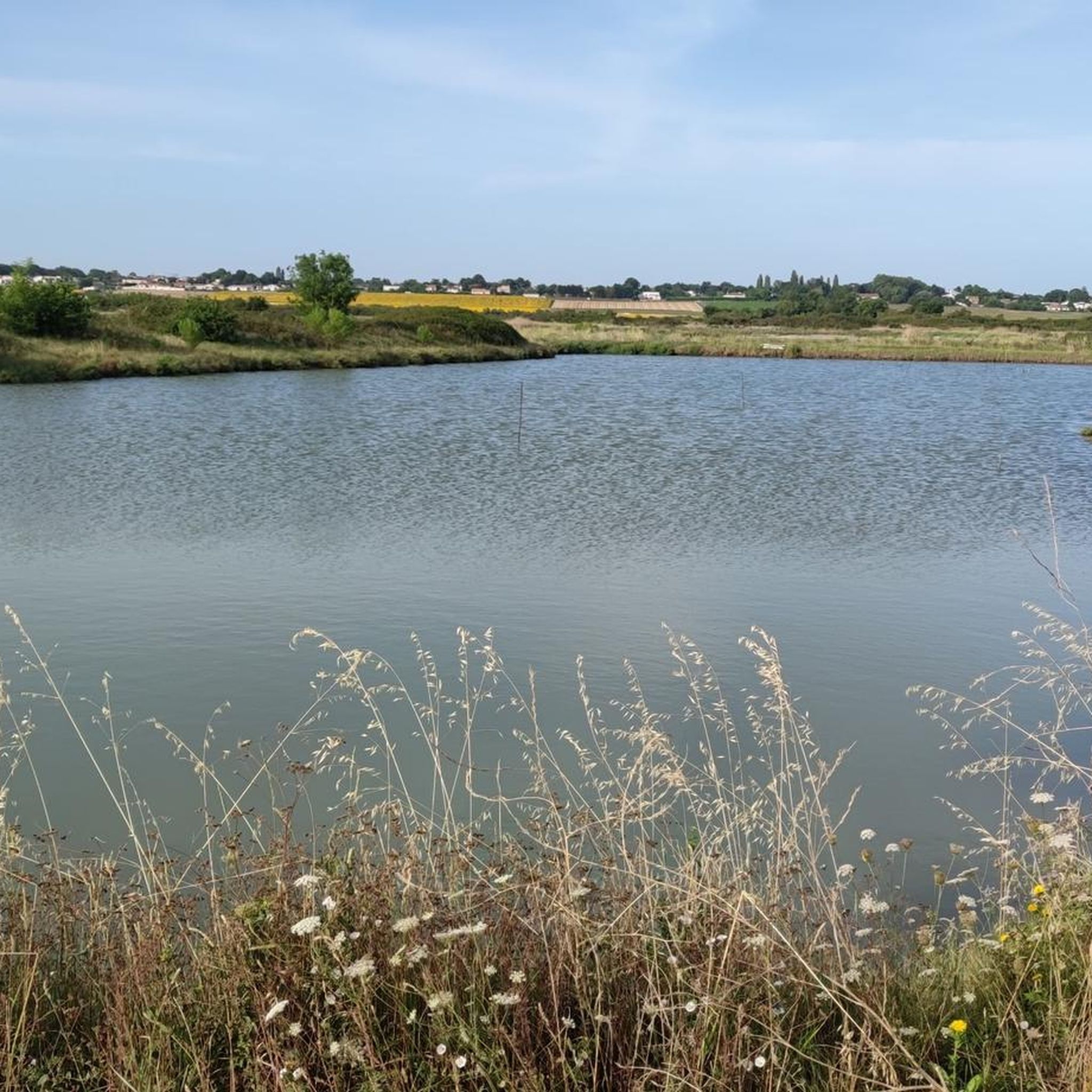
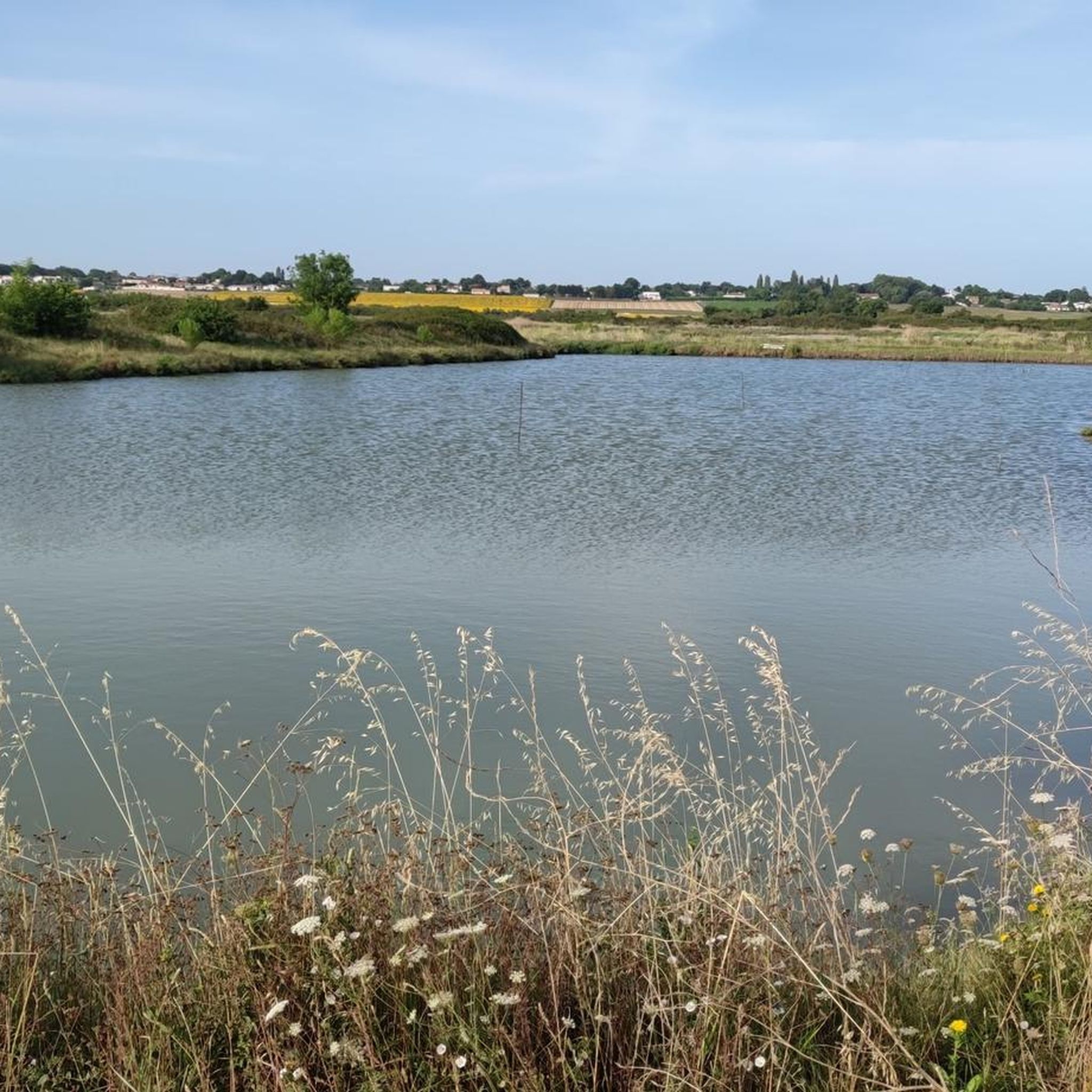
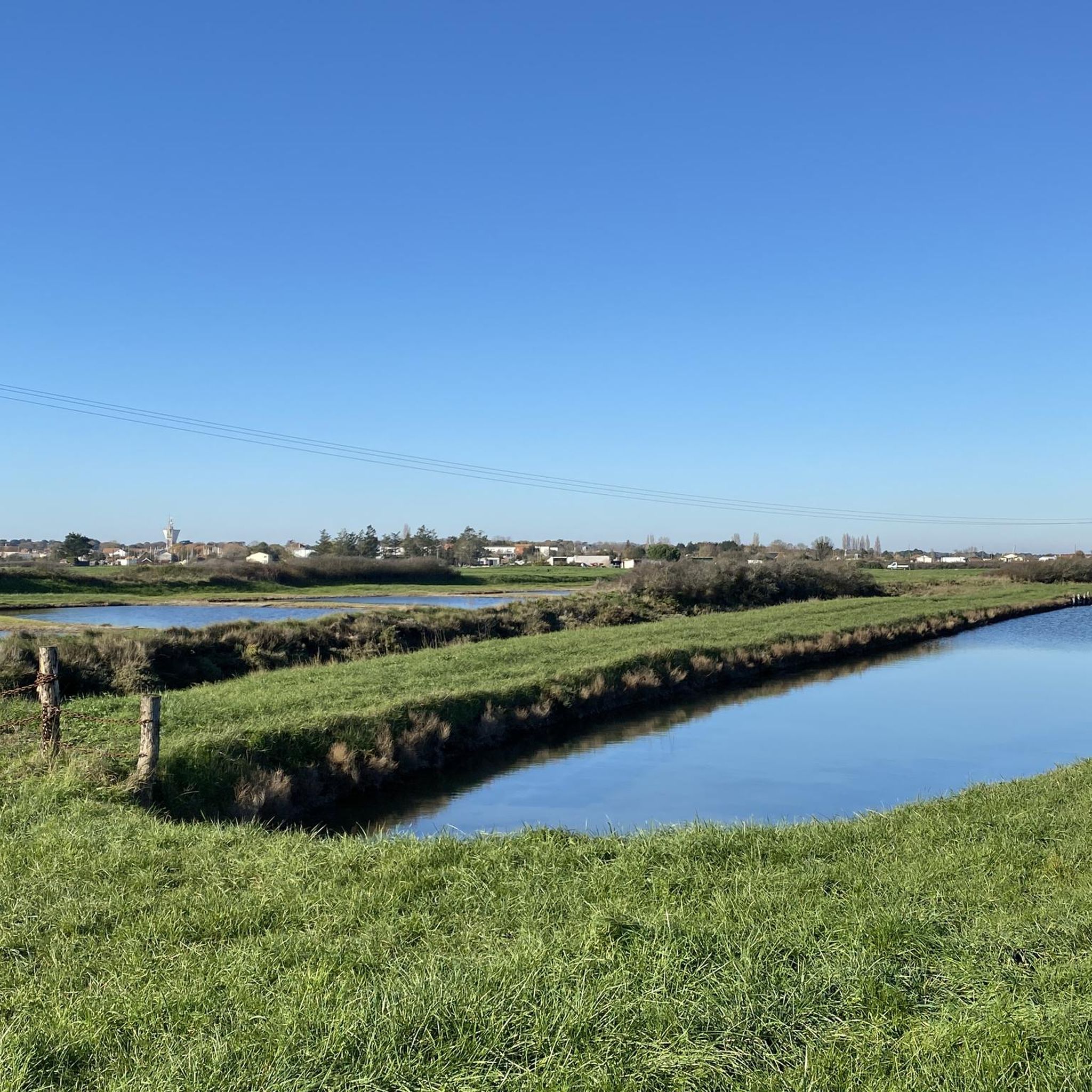
Once a fishing and trading port, today business focuses primarily on oyster farming and the salt mined from the marshes.
Translated by Google •
Tip by

La Grande Côte Beach
Highlight • Beach
Translated by Google •
Tip by
Sign up for free to discover even more attractions around Arvert.
Already have an account?
Start today with a free account
Your next adventure awaits.
Tips from the Community

The Platin beach, located in Saint-Palais-sur-Mer, is one of the most characteristic coastal sites in the region, both for its landscape and its history. 🌊 A site shaped by the sea The Platin beach is distinguished by its limestone cliffs and small coves. This coastline belongs to the Côte Nord de Beauté, between Royan and La Palmyre. The word “Platin” comes from the local dialect and refers to a rocky plateau exposed at low tide. For millennia, marine erosion has sculpted these rocks, creating caves, overhangs, and typical reliefs. 🐟 A traditional activity: fishing and fishing huts As along the entire Charente coast: - Locals practiced shore fishing (shellfish, crustaceans). - Carrelets (fishing huts on stilts) were installed on the rocks or cliffs, emblems of the local landscape. - These structures have now become a heritage and tourist feature. 🪖 A site marked by the Second World War During the Second World War: - The coastline, including the Platin, was integrated into the Atlantic Wall built by the German army. - Bunkers and defensive structures were established on the heights to monitor the Gironde estuary. - Some remains are still visible today, integrated into the landscape. 🏖️ Tourist boom From the end of the 19th century and especially in the 20th century, Saint-Palais-sur-Mer became a popular seaside resort. The Platin beach attracts visitors for: - its wilder setting than the large beaches, - its rocks and coves, - its view of the estuary. Today, it is appreciated for swimming, walking, and photography. 🌿 Today: a natural and heritage site The Platin beach is recognized for: - its preserved environment, - its remarkable geology, - its blend of history and nature. It is one of the emblematic places on the Charente coast, between maritime heritage and historical memory.
0
0
Forming a transitional space between the sandy coves and cliffs that characterize the surroundings of Royan, from Meschers-sur-Gironde to the tip of Terre-Nègre, and the vast straight expanse of the wild coast, exposed to the furious assaults of the ocean, the Grande-Côte presents itself as a large beach of fine sand, edged with dunes planted with pine trees. Overlooking the mouth of the Gironde and the Atlantic Ocean, it is often subject to a strong swell, taken advantage of by many surfers in the region. If the phenomena of rip currents are absent, strong currents require a certain amount of caution. The Grande-Côte is divided into 4 sectors: the beach of the Grande-Côte itself, the beaches of Combots and Lède, both partly naturist (over a length of 800 meters) and the beach of Pins de Cordouan. The Grande-Côte stretches from the tip of the Grande-Côte (Saint-Palais-sur-Mer) to the bay of Bonne Anse (La Palmyre, commune of Les Mathes). A vast, straight expanse bordered by a dune line and a pine forest, the Combots d'Ansoine forest (La Coubre massif), it announces, by its configuration and its geomorphological characteristics, the beaches of the Côte Sauvage and the Côte d'Argent. Its northwest/southeast orientation, however, differentiates it from the latter, which face due west. Less exposed to the swell, it is nonetheless occasionally subject to strong waves and rollers, which make it a favorite spot for surfers. Outside of the summer period, sports such as sand yachting are also practiced there. The site of the tip of the Grande-Côte, accessible from the city center by a wide avenue doubled by a cycle path, is a prime tourist site, where souvenir shops, bars, restaurants and fast food restaurants are located. Several parking areas have been set up there. It is a stopover on the EuroVelo 1 cycle route, a European route linking Norway to Portugal, known in its French part as the "Vélodyssée". Its section between the Grande-Côte and Ronce-les-Bains has been developed into a greenway, on a dedicated site for nearly thirty kilometers: the greenway from Ronce-les-Bains to Saint-Palais-sur-Mer thus goes back up towards La Palmyre and crosses part of the Arvert peninsula.
0
0
The Grande Côte, a strategic point covering the entrance to the Gironde estuary, concentrated artillery batteries. From mid-1943 and faced with the threat of an Anglo-Saxon landing, Saint-Palais-sur-Mer became part of the Atlantic Wall. While the Todt Organization built massive blockhouses and small concrete structures there, a multitude of anti-landing obstacles dotted the coastal front of St Palais. We can notably mention the fortified battery of the Grande Côte beach, that of the Grande Côte promontory and that of the Puits de l’AUture, as well as the bunker of the Kriegsmarine artillery headquarters. Guided and commented tours of these bunkers are organized and offered on the WEB, among others http://www.blockhausstpalaissurmer.com/descriptif-visite/
0
0
Nestled in the heart of the marshes of the Presqu’Île d’Arvert, Mornac-sur-Seudre is a small village with a dual face: oyster farming by tradition and artisanal by passion. It is a “Village of Stones & Water” (as the Charente-Maritime label promises) and is one of the “Most Beautiful Villages of France®”, and it also has the “Ville et Métiers d’” label. Art",. Mornac is a village where you have to take your time to soak up its atmosphere and charm. So you park your car in the large car park and visit it on foot to savor every detail and exchange with locals generous with anecdotes and craftsmen eager to share their know-how. Here, everything is on a human scale. We discover the village through the Place des Halles. The shelter, made of wood and supported by stone pillars, is ideal for meeting and resting. The terraced houses replace the old fortifications which protected the town in the Middle Ages. From Les Halles the main street takes you to the port. However, you should not hesitate to stroll through the small streets and alleys of the old town where you can literally get lost! This spiral part of Mornac is called the “Arab quarter”. The church dominates the village from its fortified bell tower. Original in many ways, the Romanesque building houses a font made of real shell. On August 2, 1943, lightning caused a fire which changed the appearance of the bell tower. The port is bordered by traditional and typical cabins. Each one has different colors. There is something for every taste. The small Seudre road allows you to follow them to the foot of the estuary. We arrive, at the very end, at the “goule de l’ach’neau”. We feel alone in the world. Everything is flat, horizontal. It’s time to tell you: the name Mornac means “calm waters”. From the port, possibility of a sea trip..... depending on the tide!!! For those on land, from Chemin de la Corderie, you can take the marked Détours® loops, between April and October, on the embankments of the pedestrian cutoffs. Possibility of taking advantage of guided tours of the village during the season. Mornac and its marshes can also be visited by bike using the shared Chemins de la Seudre routes. If the walk seems too long to you, you can combine the bike ride with the Train des Mouettes (Mornac-sur-Seudre is a stopover station for the tourist train)
0
0

Discover the hidden history of the Second World War along the coast of Saint-Palais-sur-Mer. There you can explore the well-preserved German bunkers, nestled between the forest and the ocean. Don't miss the German Command Bunker, which served as headquarters for Abteilung 284 of the marine artillery. You will be able to enjoy breathtaking views of the ocean while discovering this fascinating historical site.
2
0
There you can explore a 2.5 kilometer beach lined with dunes and forests. This scenic expanse offers a variety of activities, including fishing, surfing, body boarding and windsurfing. Don't miss the historic blockhouses that line the shore.
2
0

Mornac-sur-Seudre is located in the Charente-Maritime department in the Nouvelle-Aquitaine region and has 855 inhabitants. The place is one of the most beautiful villages in France. Once a fishing and trading port, today business focuses primarily on oyster farming and the salt mined from the marshes.
2
1

da
1
0
Frequently Asked Questions
What historical sites can I visit in the Arvert region?
The Arvert peninsula offers several historical sites. You can explore the well-preserved German Bunkers of La Grande Côte near Saint-Palais-sur-Mer, which provide insight into World War II history. Another significant landmark is the Saint Palais sur mer lighthouse, also known as "Le Vieux Clocher," which was originally a 12th-century church bell tower transformed into a navigation beacon. Climbing it offers panoramic views. Additionally, the Our Lady of the Aviators Chapel in Saint-Palais, rebuilt after WWII, houses models of planes as offerings.
What natural landscapes and features define the Arvert peninsula?
The Arvert peninsula is characterized by its stunning natural beauty. Key features include the vast Forêt Domaniale de la Coubre, offering extensive hiking and cycling paths. The Pointe de la Coubre provides breathtaking views, and the Côte Sauvage boasts 8 km of sandy beaches and dunes. You can also explore the Mornac-sur-Seudre Marshes, wet bocage areas rich in diverse flora and fauna.
Are there family-friendly attractions around Arvert?
Yes, Arvert offers several family-friendly options. The Mornac-sur-Seudre Marshes are ideal for gentle walks and exploring nature. The Forêt Domaniale de la Coubre has numerous paths suitable for family cycling and walking. The nearby coastal towns like La Palmyre also offer beaches and various attractions. The "Train des Mouettes" tourist train provides a unique and enjoyable way to discover the Seudre estuary for all ages.
What outdoor activities and trails are available near Arvert?
The Arvert region is excellent for outdoor activities. You can find numerous cycling routes, including the "Coubre Forest Loop" and longer rides like the "Embellie Beach – Carrelets de Royan loop." For mountain biking, trails like "La Coubre Lighthouse – Beautiful view of the bay loop" are popular. Running enthusiasts can enjoy routes such as "Le Mus du Loup loop" or "Marshy Path loop." You can find more details and routes in the Cycling around Arvert, MTB Trails around Arvert, and Running Trails around Arvert guides.
What cultural experiences related to oyster farming can I find in Arvert?
Arvert is deeply connected to oyster farming. Its two harbors, "Coux" and "La Grève," are known as the "Mecca" of oyster maturing. Visitors can explore the picturesque, colorful oyster huts ("cabanes") and learn about the oyster farming process by visiting local establishments. The village of Mornac-sur-Seudre, also focused on oyster farming, offers further insights into this traditional activity.
Are there any markets in Arvert or nearby towns?
Yes, Arvert hosts weekly markets on Wednesdays and Saturdays. Additionally, nearby towns such as La Tremblade and Les Mathes also have frequent markets where you can find local produce and goods.
What is the best time to visit Arvert for outdoor activities?
The region is generally pleasant for outdoor activities from spring through early autumn. The summer months offer warm weather ideal for beaches and coastal activities, while spring and autumn provide milder temperatures perfect for hiking and cycling through the forests and marshes. Always check local weather conditions before your visit.
Can I bring my dog on trails around Arvert?
Many natural areas and trails around Arvert, particularly in the Forêt Domaniale de la Coubre and the marshes, are generally dog-friendly. However, it's always recommended to keep dogs on a leash, especially in protected natural areas or where wildlife is present, and to check specific local regulations for beaches or nature reserves.
Are there any unique viewpoints or panoramic spots in the area?
Absolutely. The Saint Palais sur mer lighthouse (Le Vieux Clocher) offers a superb panorama of the Gironde estuary, the ocean, and the Cordouan lighthouse from its bell tower. The Pointe de la Coubre also provides breathtaking views of the Arvert peninsula and the Wild Coast. The German Bunkers of La Grande Côte also offer impressive ocean views.
What are some nearby coastal towns worth visiting from Arvert?
Arvert is conveniently located for exploring several charming coastal towns. You can easily visit La Tremblade, known for its oyster port; La Palmyre, famous for its zoo and beaches; and Ronce-les-Bains, a lively seaside resort. These towns offer additional beaches, dining, and entertainment options.
What do visitors enjoy most about the attractions around Arvert?
Visitors particularly appreciate the blend of natural beauty and historical significance. The well-preserved German Bunkers of La Grande Côte are valued for their historical insight and ocean views. The Mornac-sur-Seudre Marshes are loved for their tranquil atmosphere and status as one of France's most beautiful villages. The extensive forest trails, like those found "In the Coubre Forest," are praised for being pleasant, away from cars, and offering great cycle paths.

Get inspired with the komoot mobile app


Explore more
Still not found the Highlight you’re looking for? See guides of the top attractions in other regions:
