Attractions and Places To See around Chaucenne - Top 20
Attractions and places to see around Chaucenne include historical elements and regional sites. Chaucenne, a village in the Doubs department of France, features an ancient Roman road, a 16th-century calvary, and a classical 18th-century church. The village also contains three 19th-century fountains and the historic Moulin de Jericho. It serves as a base for exploring the historical and natural attractions of the Burgundy-Franche-Comté region.
Best attractions and places to see around Chaucenne
- The most popular attractions is Battant Bridge,…
Last updated: May 5, 2026
Saint Peter's Church
Highlight • Religious Site
Translated by Google •
Tip by

Pont de Battant with its statue of Jouffroy d'Abbans
Highlight • Bridge
Translated by Google •
Tip by

Sign up now to discover places like this
Get recommendations on the best single tracks, peaks, & plenty of other exciting outdoor places.
Sign up for free
Battant Bridge
Highlight • Bridge
Translated by Google •
Tip by

EuroVelo 6: Doubs and Rhône-Rhine Canal from Beure to Ranchot
Highlight (Segment) • Cycleway
Translated by Google •
Tip by

Historic Center of Marnay
Highlight • Historical Site
Very prosperous in the Middle Ages, due to its trade and its artisans. There …
Translated by Google •
Tip by

Sign up for free to discover even more attractions around Chaucenne.
Sign up for free
Already have an account?
Start today with a free account
Your next adventure awaits.
Login or Signup


Tips from the Community

Founded in the 4th century, the current church was built from 1782 to 1786 according to the plans of architect Claude-Joseph-Alexandre Bertrand. The significant height of the bell tower is explained by its role as the town hall's belfry, thus carrying the municipal bell high up, and as a watchman's lodge.
0
0

A bridge that reflects life in a city full of history what's wrong with that I don't know the idiot with the thumbs down what kind of idiot is it..?
0
0

Located in an ideal place to see it from afar as well.
1
0

It goes without saying
0
0


On the square in front of the church, several restaurants have their outdoor areas under the trees. The church can be visited. A dark, mystical interior. Information about the church building here: https://fr.wikipedia.org/wiki/%C3%89glise_Saint-Pierre_de_Besan%C3%A7on
2
0

Built between 1782 and 1786, the Saint-Pierre church replaced older buildings whose origin dates back to the 4th century. It is the work of the Bison architect Claude-Joseph Bertand (1734-1797) who partially copied the plans of the great Parisian architect Victor-Louis (1731-1800). The construction of this religious building is part of a large-scale urban planning project, that of the construction of a royal square in the heart of the city.
8
1
Pont de Battant is the oldest bridge in Besançon, crossing the Doubs and connecting the historic districts of La Boucle and Battant. The bridge dates from Roman times and originally had seven arches, of which one now remains. The bridge was restored and widened several times, and was partially destroyed during World War II. The bridge is now used by tram traffic and is sometimes the scene of an informal market. The bridge also has a statue of Jouffroy d'Abbans, the inventor of the steamboat, who lived nearby.
4
0
Frequently Asked Questions
What historical sites can I visit near Chaucenne?
The region around Chaucenne is rich in history. You can explore the impressive Saint Peter's Church, a religious building constructed between 1782 and 1786. Further afield, consider visiting the UNESCO World Heritage site of Besançon Citadelle, a formidable fortification, or the Royal Saltworks of Arc-et-Senans, an innovative 18th-century industrial complex. The village of Chaucenne itself also features an ancient Roman road, a 16th-century calvary, and a classical 18th-century church.
Are there family-friendly attractions around Chaucenne?
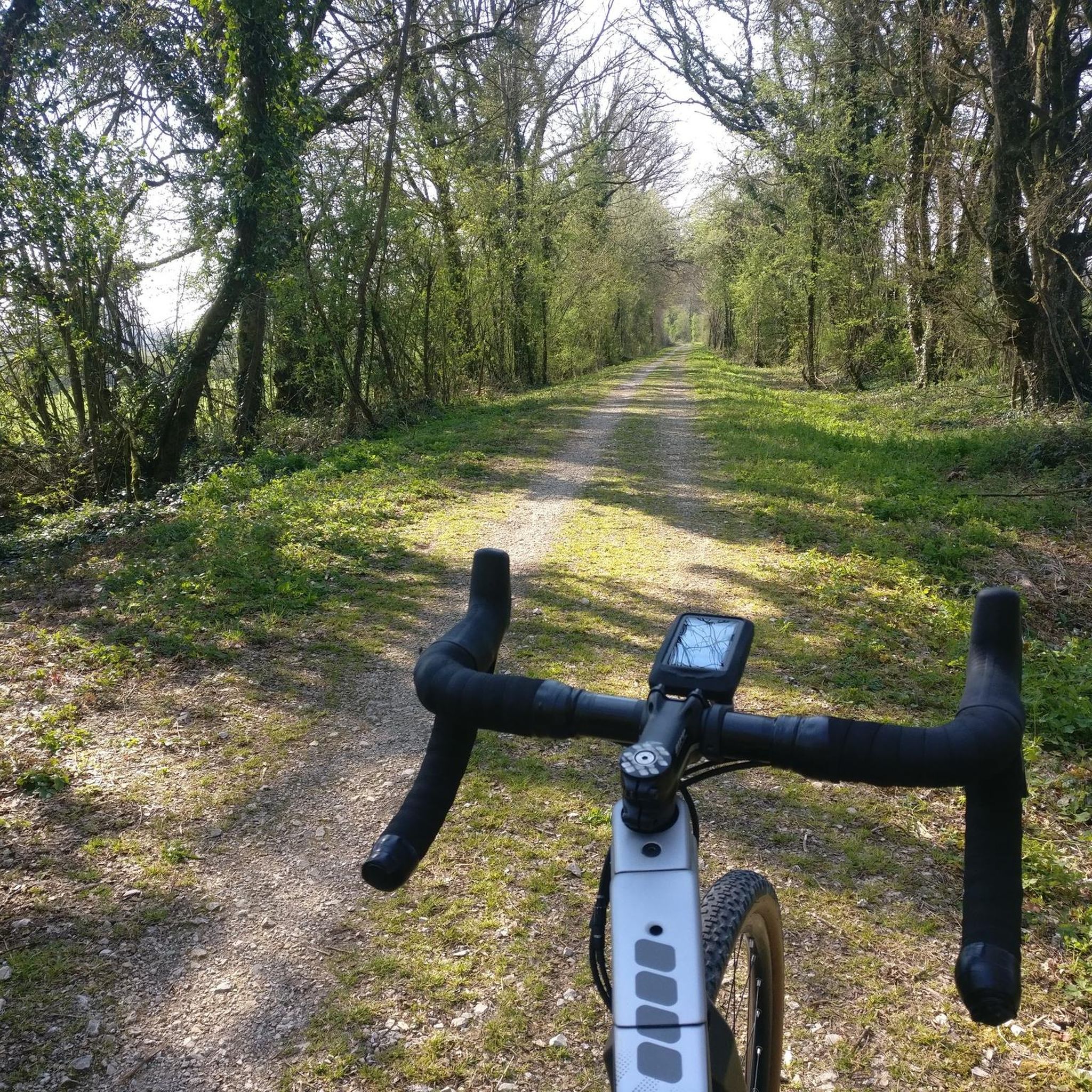
Yes, several attractions cater to families. The EuroVelo 6: Doubs and Rhône-Rhine Canal from Beure to Ranchot offers a well-developed cycle way with no car traffic, perfect for a family bike ride. The Besançon Citadelle, a UNESCO site, also houses museums and a zoo, which can be engaging for children.
What outdoor activities, like cycling or hiking, are available near Chaucenne?
Chaucenne is a great base for outdoor activities. You can find numerous cycling routes, including the scenic EuroVelo 6. For more structured cycling, explore options like the 'Cycle path on old railroad line – Marnay Dam loop' or 'Les Étangs de Noironte – Feudal Enclosure of Châtelard loop'. You can find detailed guides for cycling, mountain biking, and gravel biking around Chaucenne.
Are there any UNESCO World Heritage sites close to Chaucenne?
Absolutely. The region boasts two significant UNESCO World Heritage sites: the Besançon Citadelle, an impressive fortification by Vauban, and the Royal Saltworks of Arc-et-Senans, an 18th-century industrial complex. Additionally, the salt mines of Salins-les-Bains are another UNESCO-listed site highlighting the region's industrial heritage.
What are some charming villages to explore near Chaucenne?
Several picturesque villages are worth visiting. Pesmes, recognized as one of France's 'Most Beautiful Villages,' offers a quaint and attractive setting. Lods is another 'Most Beautiful Village' pleasant to explore, especially along the river. Don't miss the Historic Center of Marnay, a characterful Comtoise town with a rich medieval past.
What natural features can I explore around Chaucenne?
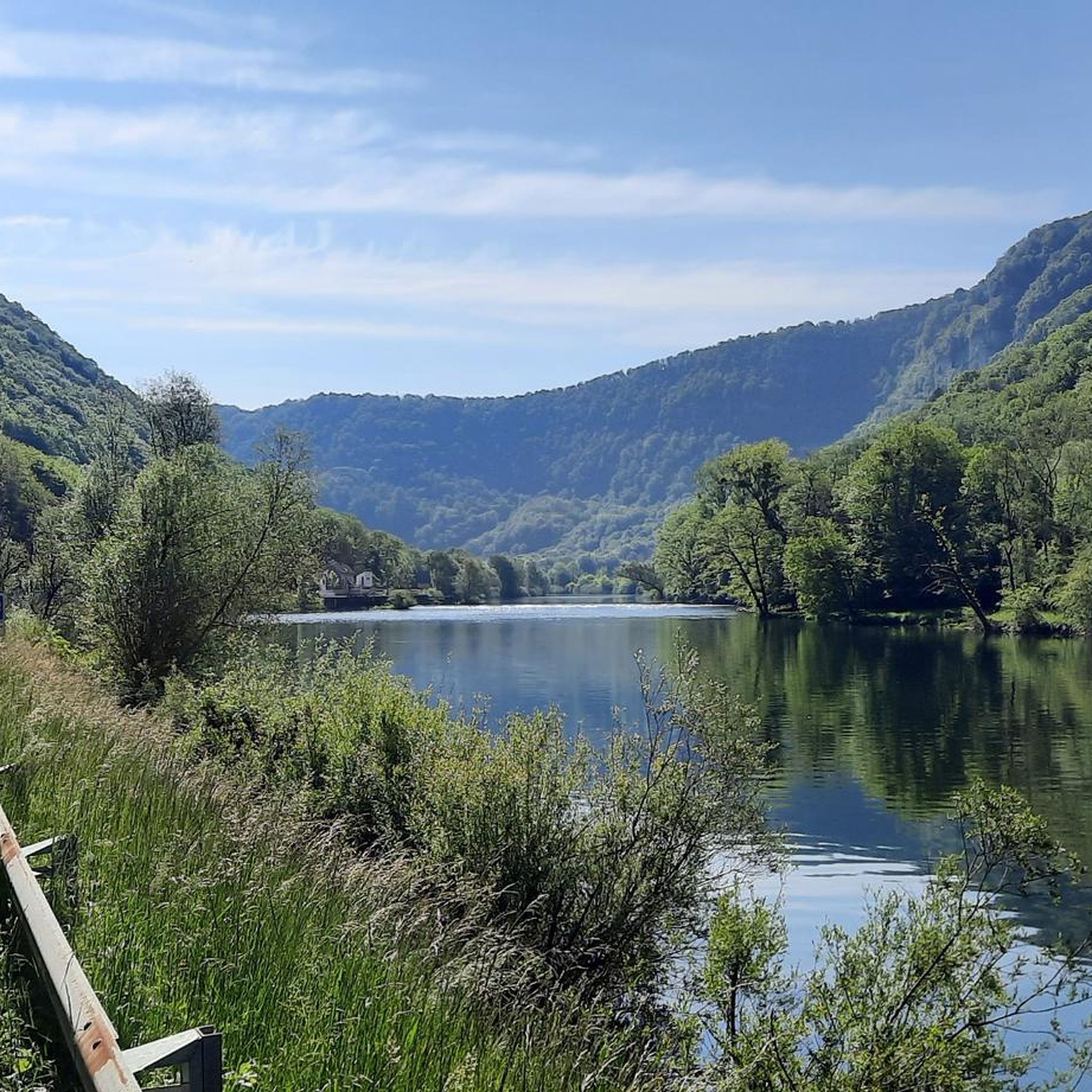
While Chaucenne itself is a small village, the surrounding Burgundy-Franche-Comté region offers diverse landscapes. You can enjoy scenic drives and pleasant walks along rivers like the Doubs, which is spanned by the historic Battant Bridge. The EuroVelo 6 route also provides beautiful canal-side scenery.
Are there any accessible attractions for visitors with mobility needs?
The Pont de Battant with its statue of Jouffroy d'Abbans in Besançon is noted as wheelchair accessible. This historic bridge connects key districts and is part of a lively area.
What is the best time of year to visit Chaucenne and its surrounding attractions?
The Burgundy-Franche-Comté region is generally pleasant from spring through early autumn (April to October) for outdoor activities and exploring historical sites. During these months, the weather is typically mild, making it ideal for cycling, walking, and enjoying the scenic drives. Summer offers the warmest temperatures, while spring and autumn provide beautiful foliage and fewer crowds.
What unique historical elements can I find within Chaucenne village itself?
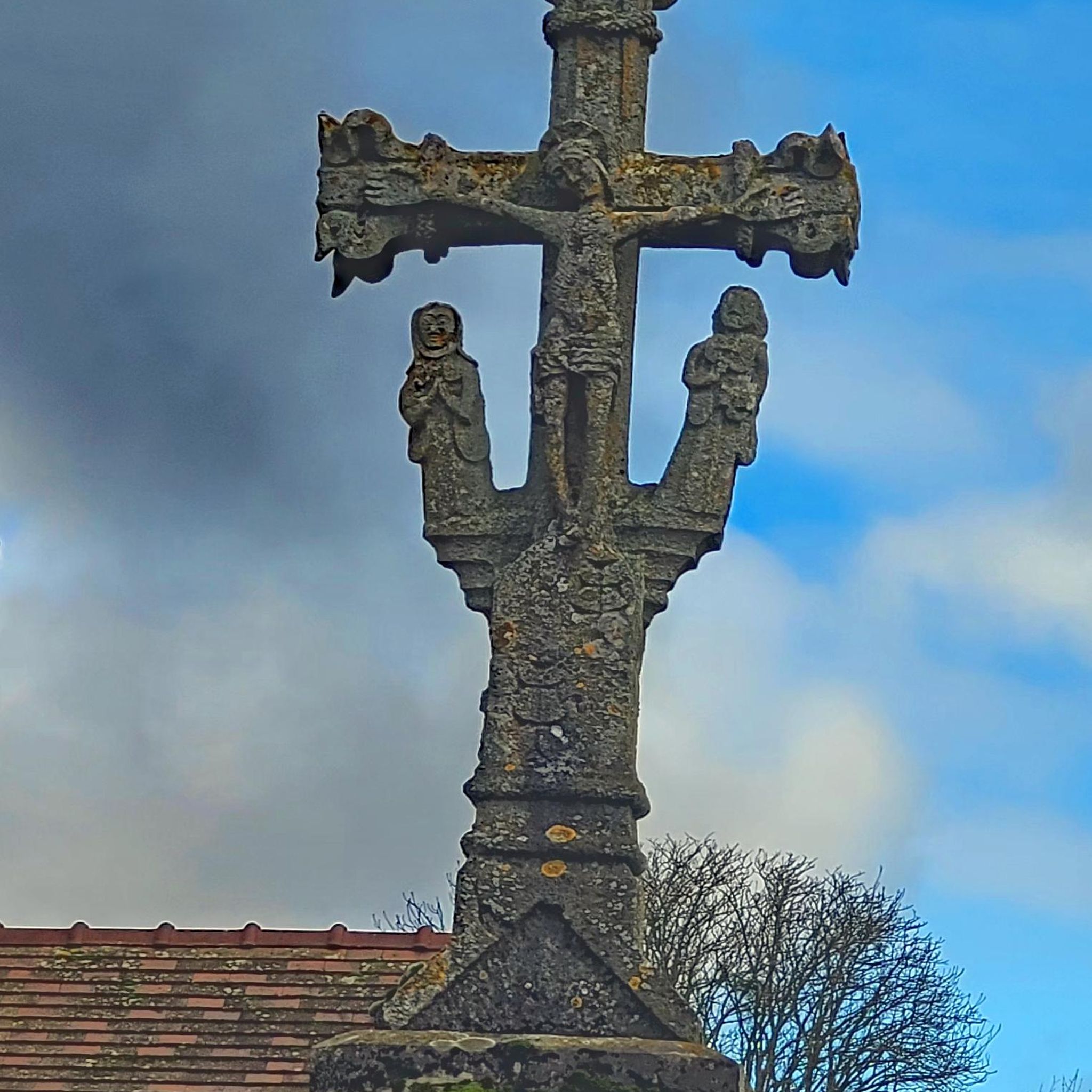
Within Chaucenne, you can discover several historical traces. The village is crossed by an ancient Roman road, 'le chemin des romains,' which is still discernible. It also features a 16th-century calvary in the cemetery, a classical triple-nave church from 1743, and three restored 19th-century fountains. The historic 'Moulin de Jericho,' an old water mill, also adds to the village's heritage.
What do visitors particularly enjoy about the attractions near Chaucenne?
Visitors appreciate the blend of historical significance and natural beauty. The Battant Bridge is loved for its historical context and lively atmosphere, offering great photo opportunities. The EuroVelo 6 cycle path is highly recommended for its well-maintained surface and scenic, car-free landscape, making it enjoyable for all. The Historic Center of Marnay is noted for its character and medieval charm.
Can I find any industrial heritage sites in the region?
Yes, the region has a rich industrial past. The Royal Saltworks of Arc-et-Senans, a UNESCO World Heritage site, is a prime example of 18th-century industrial architecture and planning. Further south, the salt mines of Salins-les-Bains, also UNESCO-listed, operated for centuries and offer another fascinating glimpse into the region's industrial heritage.
Are there opportunities for mountain biking near Chaucenne?
Yes, there are several mountain biking trails in the vicinity. You can find routes like 'Les Étangs de Noironte – Marnay Dam loop' or 'Pouilley les vignes – Enduro Mountain Bike Trail loop'. For a comprehensive overview of trails, refer to the MTB Trails around Chaucenne guide.
Most popular routes around Chaucenne

Get inspired with the komoot mobile app


Explore more
Still not found the Highlight you’re looking for? See guides of the top attractions in other regions:
