Attractions and Places To See around Vernéville - Top 20
Best attractions and places to see around Vernéville include a mix of historical sites, cultural landmarks, and natural features. This village in the Moselle department of France offers a blend of historical significance and access to the broader natural landscapes of the region. Visitors can explore ancient Roman structures, significant historical monuments, and sites related to European history. The area provides opportunities to discover the rich heritage and diverse scenery of the Moselle region.
Best attractions and places to see…
Last updated: May 10, 2026
Gorze–Metz Roman Aqueduct (Jouy-aux-Arches)
Highlight • Monument
All boards are in French, English and German.
Translated by Google •
Tip by

La Croix Saint Clément
Highlight • Other
Translated by Google •
Tip by

Sign up now to discover places like this
Get recommendations on the best single tracks, peaks, & plenty of other exciting outdoor places.
Sign up for free
Fort Saint-Quentin
Highlight (Segment) • Historical Site
Tip by

Temple de Garnison Tower
Highlight • Religious Site
Translated by Google •
Tip by
House of Robert Schuman, Founding Father of the European Community
Highlight • Monument
The Robert Schuman Museum and the Garden of Plants from our Region: a site of the General Council of the Moselle is listed as European Cultural Heritage
Tip by
Sign up for free to discover even more attractions around Vernéville.
Sign up for free
Already have an account?
Start today with a free account
Your next adventure awaits.
Login or Signup
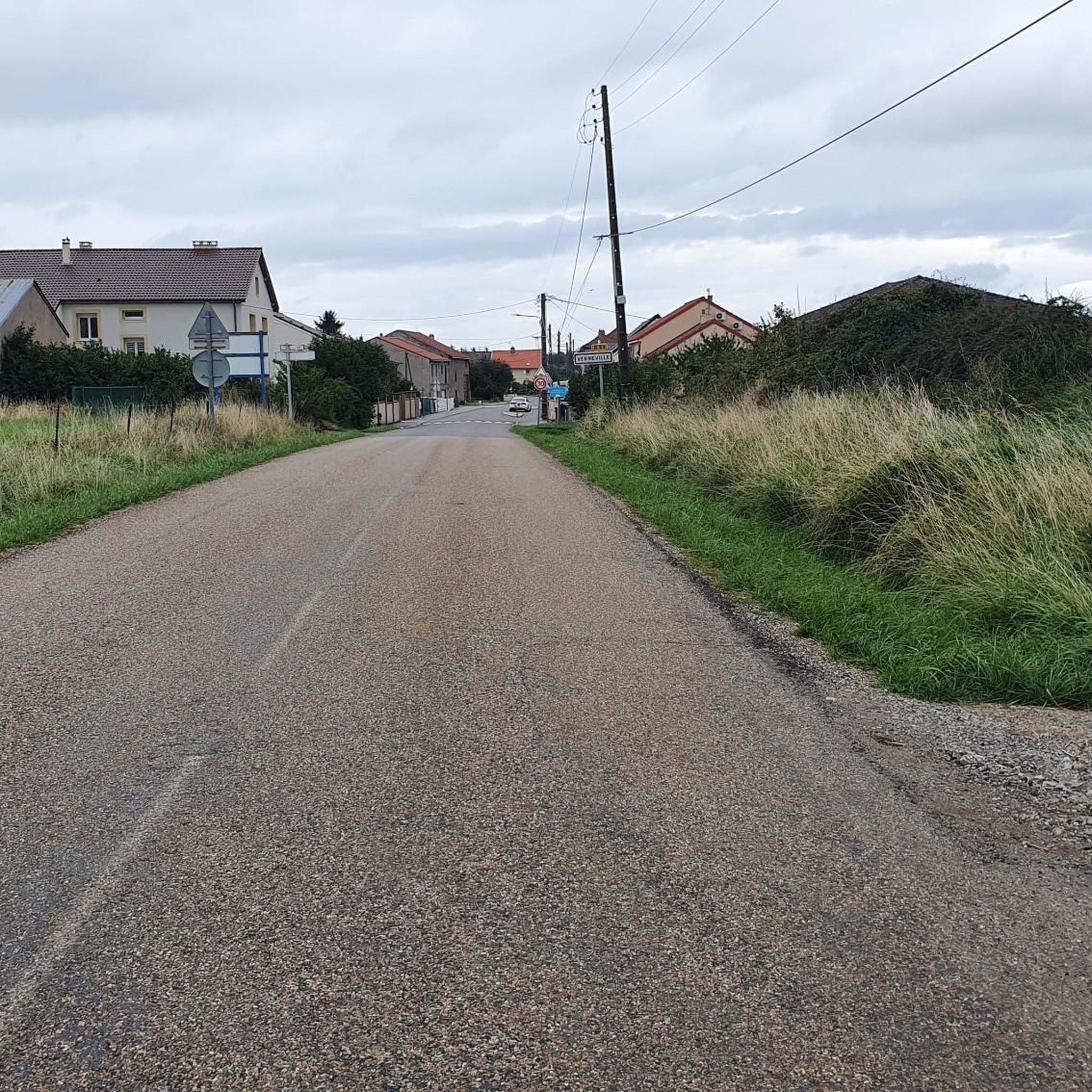
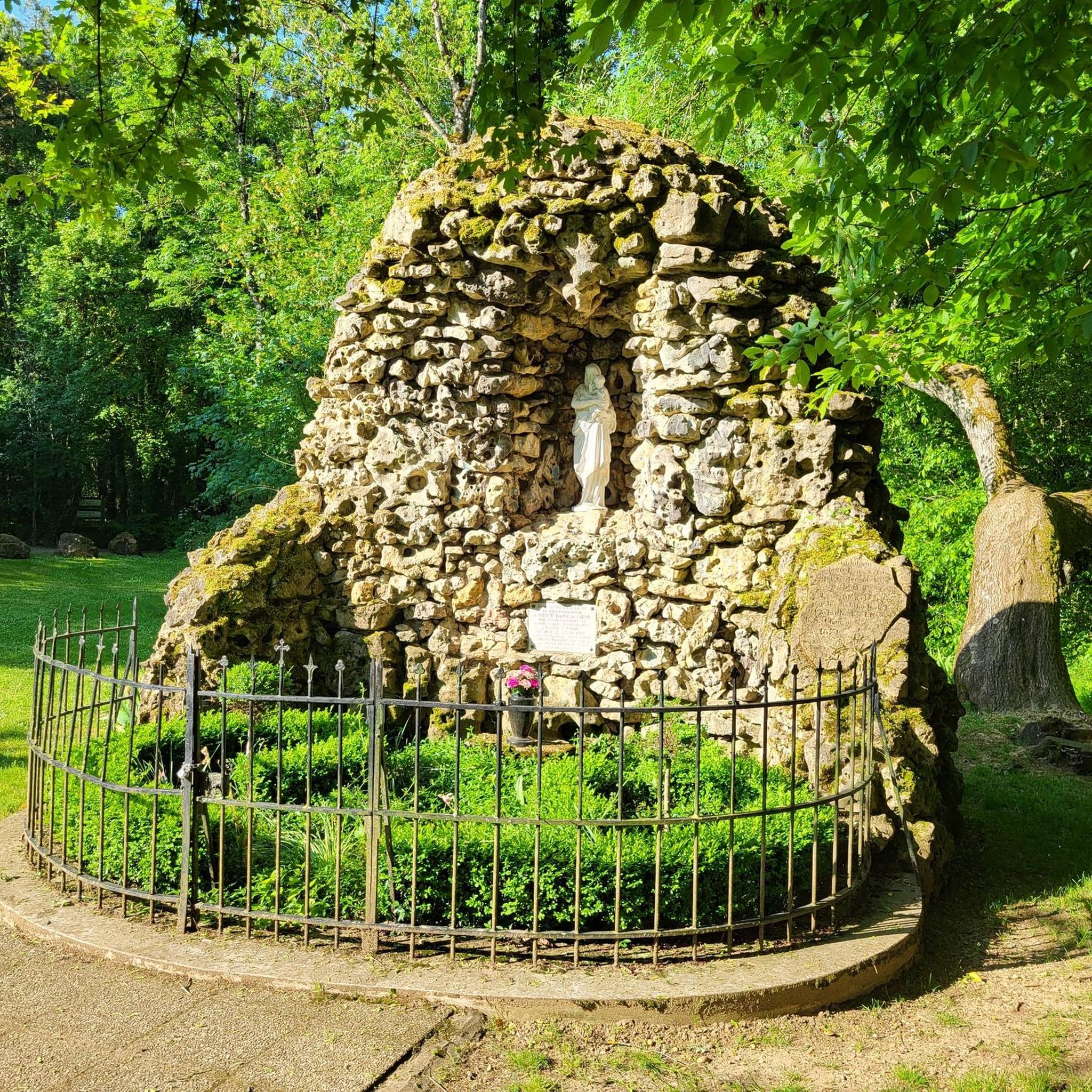
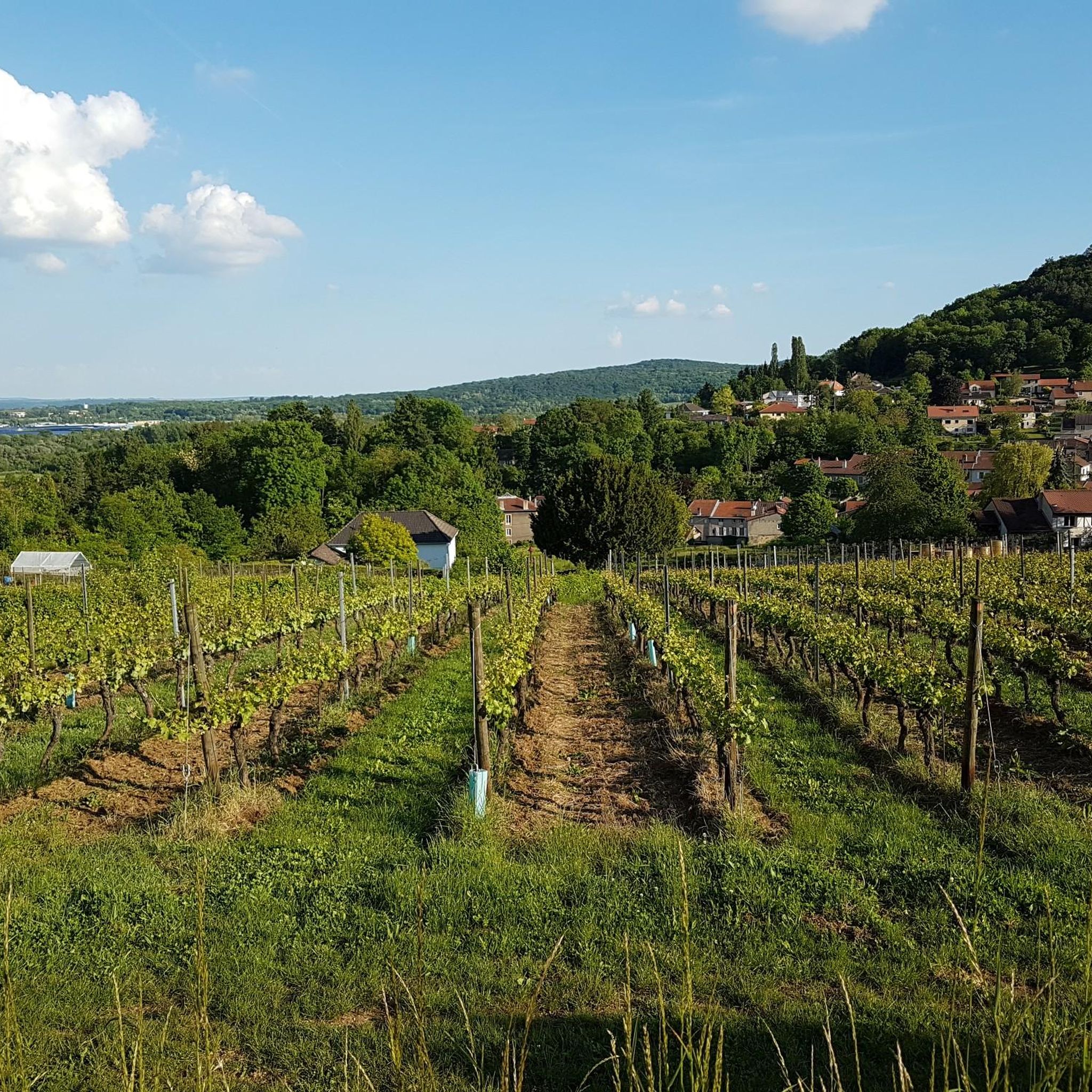

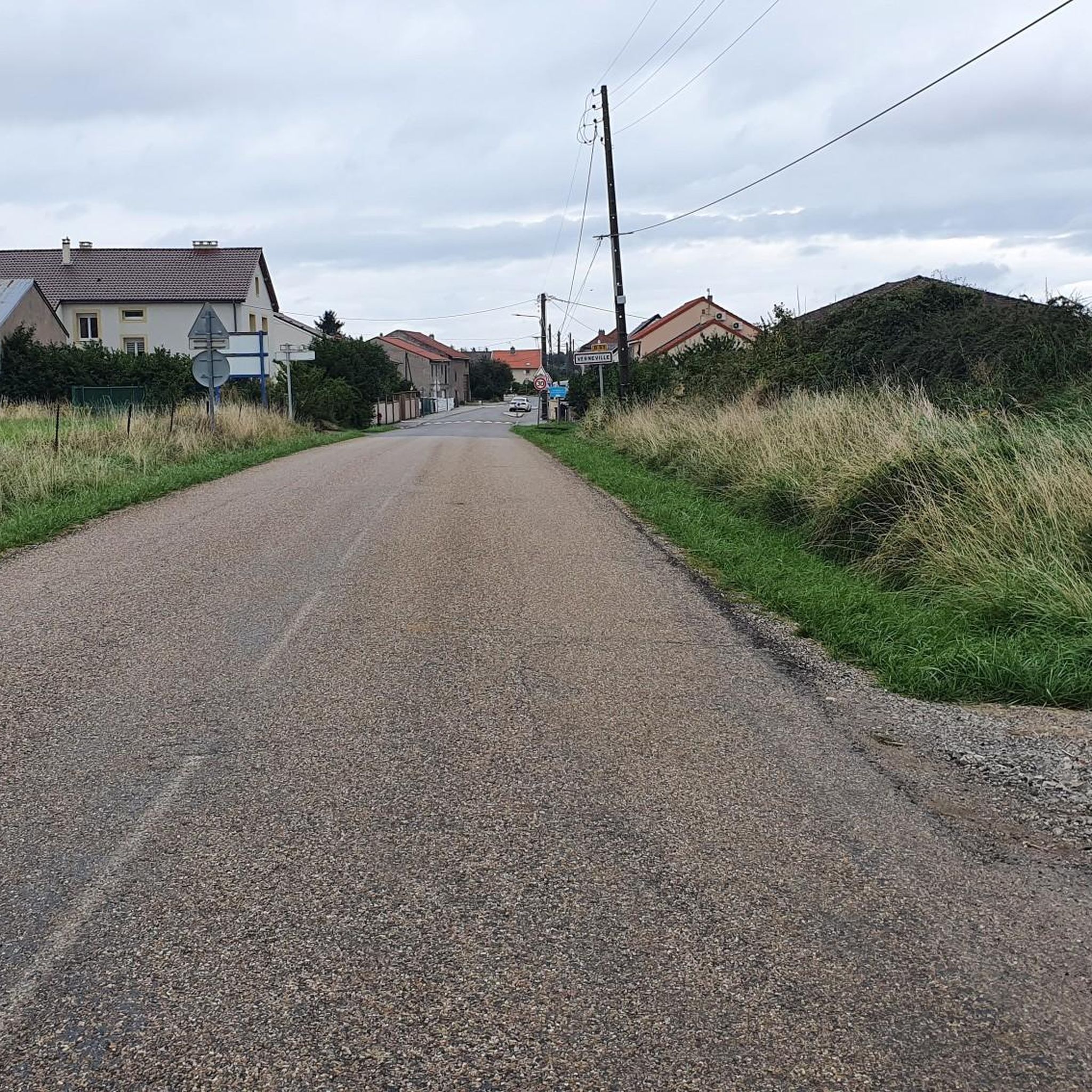
Tips from the Community

Each of these crosses that the biker encounters in the villages or in the fields is a sign of remembrance of the crucifixion, but also of the resurrection of Jesus Christ. "Here on earth there is His memory, but in the kingdom of heaven there is His presence: this presence is the joy of those who have already reached salvation. The memory is our consolation, as we are still wanderers, traveling towards our homeland." (Bernard of Clairvaux)
0
0

In the chapel opposite the museum is the tomb of Robert Schuman, one of the European fathers 🇪🇺
0
0

Beautiful Roman aqueduct on the edge of the cycle path towards Metz.
6
0
The aqueduct connecting Gorze to Metz is a Roman aqueduct built at the beginning of the second century. Divodurum (Metz) is the capital of the Mediomatris, at the crossroads of the south-north and east-west axes, i.e. on the Roman roads from Lyon to Trier and from Reims to Strasbourg. The city, which had about 20,000 inhabitants in the second century, needed a supply of spring water to supply the fountains, the three Roman baths, the public latrines and the craftsmen. The exact distribution points are not known because no trace remains (Wikipedia).
4
0
The aqueduct connecting Gorze to Metz is a Roman aqueduct built at the beginning of the second century (Wikipedia).
5
0

The ruins of the Garrison Temple are a Protestant church built by the Germans in the 19th century for their soldiers, but it was destroyed by bombing and fires in the 20th century. Only the tower remains, with a height of 91 meters, one meter more than the cathedral tower. You can admire the neo-Gothic architecture and Jaumont stone, a traditional material from Metz. The temple is located near the Ice Rink and the Pont des Morts, from where you can also enjoy the view of the Moselle and the city.
3
0
Robert Schuman's house in Scy-Chazelles is the former home of Robert Schuman, one of the founding fathers of the European Community, who lived there from 1926 until his death in 1963. You can discover his house, transformed into a museum, and its gardens, which bear witness to his passion for botany.
3
0
This cross was erected in memory of the first bishop of Metz, at the place where he would have seen the city for the first time.
4
0
Frequently Asked Questions
What historical sites can I explore in and around Vernéville?
Vernéville and its surroundings are rich in history. You can visit the impressive Gorze–Metz Roman Aqueduct (Jouy-aux-Arches), a 1st-century marvel that once supplied Metz with water. Another significant historical landmark is Fort Saint-Quentin, part of Metz's first fortified belt, which played a role in the Battle of Metz. In Vernéville itself, the Château de Vernéville, rebuilt in 1626, and the Domaine Seigneurial de Bagneux, dating back to 1224, offer glimpses into the village's past. The area also holds significance from the Franco-Prussian War and World War II.
Are there any family-friendly attractions near Vernéville?
Yes, several attractions are suitable for families. The Gorze–Metz Roman Aqueduct (Jouy-aux-Arches) is an engaging site where children can marvel at ancient Roman engineering. The House of Robert Schuman, Founding Father of the European Community, offers a historical and educational experience with its museum and gardens. Additionally, the Temple de Garnison Tower in Metz, with its nearly hundred-meter-tall bell tower, can be an interesting architectural sight for all ages. For broader entertainment, Walygator Parc and Zoo d'Amnéville are also in the vicinity.
What natural features and outdoor activities are available near Vernéville?
Vernéville is surrounded by lush greenery, making it ideal for outdoor pursuits. The village is active in organizing hiking and equestrian sports. Nearby, the extensive Lorraine Regional Natural Park offers diverse landscapes including forests, rivers, ponds, and wooded hills, perfect for hiking, biking, and water sports. You can also explore hiking trails along the Moselle River and Canal des Vosges, where birdwatching and even beaver spotting are possible. For more structured outdoor adventures, you can find various cycling routes and running trails around Vernéville.
Where can I find unique cultural landmarks in the area?
Beyond Vernéville's local sites like the Église Néo-Romane Saint-Éloi, the region boasts several unique cultural landmarks. In Metz, the Metz Cathedral (Cathédrale Saint-Étienne) is a Gothic masterpiece known for its stained-glass windows. The Temple de Garnison Tower, a remnant of a neo-Gothic church, stands as one of the city's tallest monuments. The House of Robert Schuman in Scy-Chazelles, now a museum, is dedicated to a founding father of the European Community. For modern art, the Centre Pompidou-Metz is celebrated for its distinctive architecture.
Are there any notable religious sites or monuments around Vernéville?
Yes, the area features several significant religious sites and monuments. In Vernéville, the Église Néo-Romane Saint-Éloi, built in 1880, is a local architectural highlight. Nearby, La Croix Saint Clément is a monument dedicated to the first bishop of Metz, marking the spot where he is said to have first seen the city. In Metz, the grand Metz Cathedral (Cathédrale Saint-Étienne) is a must-see, and the remaining Temple de Garnison Tower is a striking historical religious structure.
What kind of cycling routes are available near Vernéville?
The area around Vernéville offers a variety of cycling routes for different preferences. You can find road cycling routes that take you through scenic landscapes, such as the 'Lessy Pass – Mount Saint-Quentin loop' or the 'Fort loop'. For more general cycling, there are touring bicycle routes like the 'Old Military Railway – Forts de Saulny loop' or routes along the 'Moselle Left-Bank Cycle Path', offering views of the river. These routes vary in difficulty from easy to difficult.
What do visitors particularly enjoy about the attractions near Vernéville?
Visitors appreciate the blend of historical depth and natural beauty. Many are impressed by the engineering of the Gorze–Metz Roman Aqueduct (Jouy-aux-Arches), noting the preserved arches and its historical significance. The serene setting of La Croix Saint Clément, with its connection to Metz's origins, is also highly regarded. The historical context of sites like Fort Saint-Quentin and the educational value of the House of Robert Schuman are frequently highlighted. The komoot community has shared over 180 photos and given more than 500 upvotes, reflecting a strong appreciation for the diverse experiences available.
Are there opportunities for hiking or running near Vernéville?
Absolutely. Vernéville is an excellent base for hiking and running. The surrounding area, including the Lorraine Regional Natural Park, offers numerous trails through forests and along waterways. You can find various running trails, such as the 'Forest Descent Trail – Staircase of the 360 Steps loop' or shorter 'Running loops' from Amanvillers. The region also hosts regular hiking and equestrian events. Experienced hikers might even enjoy sections of the GR5 trail that pass through the broader Moselle region.
What is the best time of year to visit Vernéville and its attractions?
The Moselle region, including Vernéville, is beautiful throughout the warmer months, typically from spring to early autumn (April to October). During this period, the weather is generally pleasant for exploring historical sites, enjoying outdoor activities like hiking and cycling, and experiencing the lush natural landscapes. The vineyards and orchards are particularly vibrant in late spring and summer. While some attractions are accessible year-round, outdoor pursuits are most enjoyable when the weather is mild.
Can I find any unique agricultural experiences in Vernéville?
Yes, Vernéville maintains its agricultural heritage. You can discover typical regional farms within the village, such as the Ferme Auberge de Chantereine, which specializes in poultry farming, and the Ferme de Bagneux, known for organic market gardening. These farms offer a unique insight into local life and agricultural practices in the Moselle department.
What other significant towns or cities are easily accessible from Vernéville for further exploration?
Vernéville's location provides easy access to several significant towns and cities. Metz, with its stunning cathedral, Centre Pompidou-Metz, and Musée de la Cour d'Or, is a major cultural hub. The city of Nancy, particularly its renowned Place Stanislas, is also highly regarded and worth a visit. For those interested in war history, Verdun, known for its significant war memorials, is within reach. Additionally, the fortified medieval village of Rodemack offers a charming historical experience.
Most popular routes around Vernéville

Get inspired with the komoot mobile app


Explore more
Still not found the Highlight you’re looking for? See guides of the top attractions in other regions:
