The best road cycling routes around Luitré
4.1
(34)
1,387
riders
312
rides
Road cycling around Luitré offers diverse landscapes, from well-paved surfaces to tranquil greenways. The region is characterized by extensive forests, including the Forêt de Fougères, and numerous ponds such as the Étang de la Cantache. Cyclists can explore routes that traverse varied countryside, passing through villages and along riverbanks like the Couesnon River. The terrain includes options for various fitness levels, from easy rides to more challenging circuits with significant elevation gains.
Best road cycling routes around Luitré
- The most…
Last updated: October 5, 2026
5.0
(1)
45
riders
49.3km
02:07
420m
420m
Moderate road ride. Good fitness required. Mostly well-paved surfaces and easy to ride.
5.0
(1)
17
riders
64.9km
02:48
560m
560m
Moderate road ride. Good fitness required. Mostly well-paved surfaces and easy to ride.

17
riders
73.2km
03:07
590m
590m
Moderate road ride. Good fitness required. Mostly well-paved surfaces and easy to ride.
13
riders
56.1km
02:33
510m
510m
Moderate road ride. Good fitness required. Some segments of this route may be unpaved and difficult to ride.
11
riders
73.0km
03:11
650m
650m
Moderate road ride. Good fitness required. Mostly well-paved surfaces and easy to ride.
Get access to more routes and recommendations from other explorers.
Already have an account?
Our route recommendations are based on thousands of hikes, rides, and runs completed by other people on komoot.
Start today with a free account
Your next adventure awaits.

Tips from the Community

The Town Hall (15th century-1904), located place de la Mairie. Its bell tower dates from 1534. It is the former church transformed into a town hall by the mayor-châtelain, Jacques le Cardinal de Kernier, at the beginning of the 20th century. The latter had built a new church for the inhabitants of Val-d'Izé.
0
0
The church was built from 1889 to 1895, in sandstone, granite, and limestone. With a Latin cross plan, the building is composed of three naves. The main nave is covered by domes on pendentives, and the crossing of the transept features a lantern tower. The overall design of the ensemble is neo-Romanesque with a bichromy of materials and different stonework. The domed roof, the multiple decorative details, and the play of polychrome materials reflect a mastered art of the Romanesque architecture of Angoumois.
0
0

The Jardin du Val Nançon stretches picturesquely along the Nançon River, framing the northern city walls of Fougères with lush greenery. Covering approximately two hectares, various themed areas invite exploration. This includes a botanical garden, the "Priest's Garden," a reference to the remains of an ancient abbey, a so-called "plant cage," and a colorfully landscaped slope. Of particular note is the contemporary glass art sculpture "L'œuvre à la vie" by Louis-Marie Catta from 2000, which represents peace and dialogue between cultures.
1
0
The Place du Marchix is located in the city's oldest district. The square takes its name from the Old French word "marchié," as Fougères's first market once took place here. The district is characterized by well-preserved half-timbered houses dating back to the 16th century, many of which are listed as historical monuments. The square was once a center for artisanal businesses such as tanneries and cloth manufacturers, which used the nearby river to process leather and fabrics.
1
0
The Église Saint-Léonard was built in the 12th century and acquired its present form in the flamboyant Gothic style in the 15th and 16th centuries. During the French Revolution, the church was deprived of its sacred function, but in the 19th century, under architects such as Aristide Tourneux, it underwent extensive renovations, including a new main façade with a large rose window. Inside, 19th-century stained-glass windows depicting episodes from the life of Saint Léonard can be seen.
1
0
The cadastral records of the Château Fort de Fougères mention two towers—the Tour Raoul and the Tour Surienne (also called "tour de Surienne")—dated between 1480 and 1485. The tower was part of the fortifications that were reinforced or rebuilt in the 15th century.
1
0

A prosperous trading town since the Middle Ages, Vitré has preserved its well-preserved heritage. With its fortified castle, cobbled streets, and half-timbered houses, the town offers plenty to see and do, making it perfect for a stroll. It's the perfect place to soak up the Breton atmosphere.
0
0
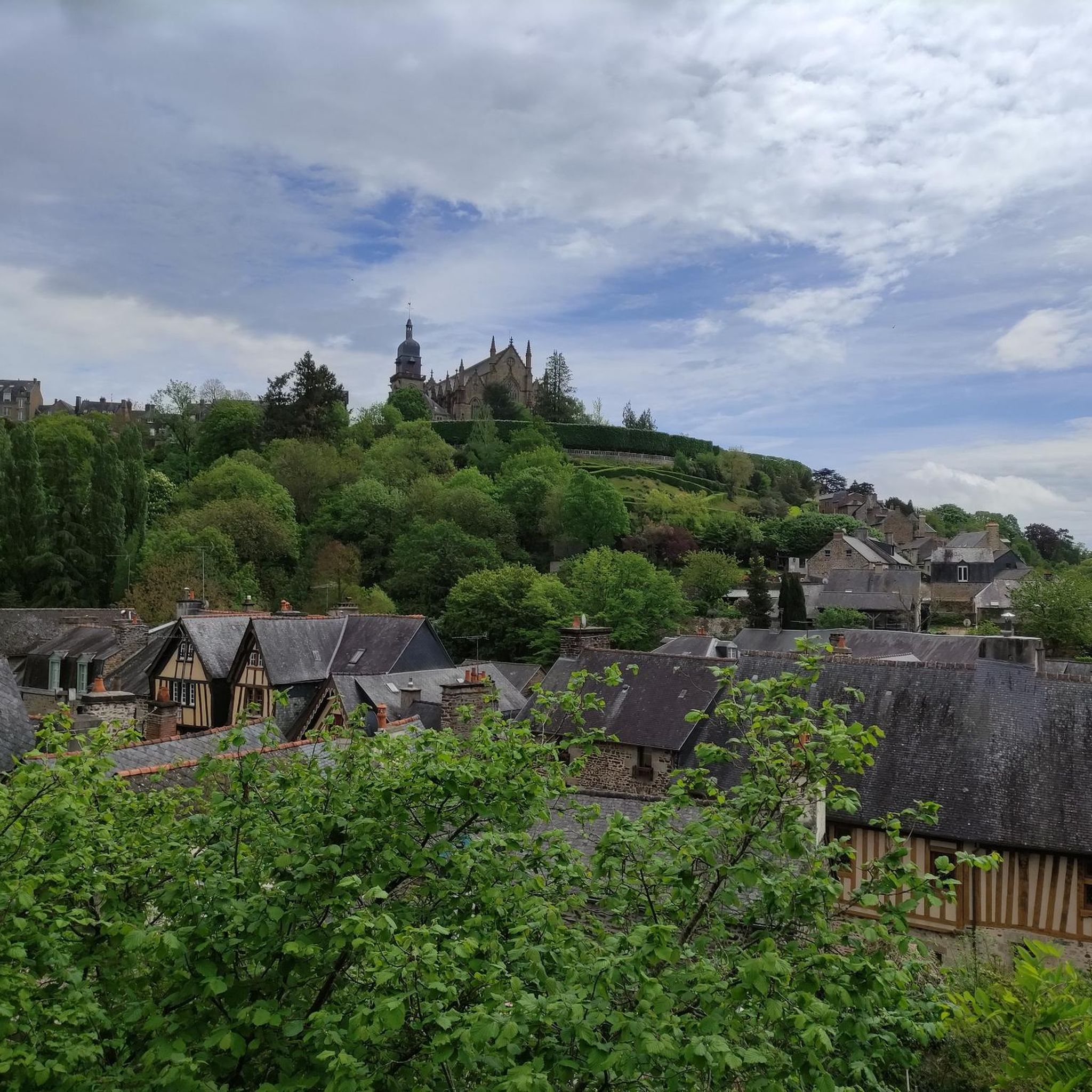
Dominated by one of the largest medieval castles in Europe, Fougères boasts magnificent ramparts, towers, and a perfectly preserved historic center. From the heights, the view takes in the Nançon Valley and its half-timbered houses, offering beautiful perspectives. It's an ideal stop along the Régalante to immerse yourself in Breton history before hitting the road again.
0
0
Frequently Asked Questions
How many road cycling routes are available around Luitré?
There are over 280 road cycling routes around Luitré, offering a wide variety of options for different preferences and skill levels.
What is the typical terrain like for road cycling in Luitré?
The terrain around Luitré is diverse, featuring mostly well-paved surfaces suitable for road cycling. You'll find routes that traverse varied countryside, passing through charming villages, extensive forests like the Forêt de Fougères, and along riverbanks such as the Couesnon River. There are options ranging from relatively flat sections to circuits with significant elevation gains.
Are there road cycling routes suitable for beginners or families in Luitré?
Yes, Luitré offers options for various fitness levels, including easier rides. The broader Fougères-Vitré region features 'voies vertes' (greenways) and designated cycling roads on minor routes, which are ideal for tranquil pedaling and can be suitable for families. Additionally, there are 26 easy routes available in the area.
What natural features can I expect to see while cycling around Luitré?
Road cycling routes in Luitré often pass through picturesque natural sites. You can expect to see extensive forests such as the Forêt de Fougères, Forêt du Pertre, and Forêt de Chevré. Many routes also feature ponds like the Étang de Châtillon-en-Vendelais and the Étang de la Cantache. The Couesnon River is another significant natural feature you might encounter.
Are there any historical or cultural landmarks along the road cycling routes?
Yes, several routes connect to historic towns and landmarks. For instance, the Vitré – Chapelle de Taillis loop from Javené connects to the historic town of Vitré. Other routes might lead you past impressive castles like Fougères Castle or the Saint Léonard Church, as seen on the Saint Léonard Church – Fougères Castle loop from Javené.
What is the best time of year for road cycling in Luitré?
The region is generally pleasant for cycling during spring, summer, and early autumn. These seasons offer favorable weather conditions for exploring the diverse landscapes. While specific winter conditions are not detailed, the area's natural beauty is best enjoyed when temperatures are mild.
Are there challenging road cycling routes with significant elevation around Luitré?
Yes, Luitré offers routes for more experienced cyclists seeking a challenge. The region's diverse terrain includes circuits with significant elevation gains. There are 16 difficult routes available, providing opportunities for advanced road cyclists to test their endurance.
What do other cyclists say about road cycling in Luitré?
The road cycling routes in Luitré are highly rated by the komoot community, with an average score of 4.1 stars from over 20 reviews. Cyclists often praise the varied terrain, the well-paved surfaces, and the scenic beauty of the forests, ponds, and riverbanks encountered along the way.
Are there circular road cycling routes available in Luitré?
Yes, the area around Luitré is well-suited for circular road cycling, with dedicated 'Circuits vélo' originating from Luitré-Dompierre itself. Examples include the Roadbike loop from Luitré-Dompierre, as well as other popular loops like the Plan d'Eau de la Cantache – Cantache Pond loop from Javené.
What kind of amenities can I find along the road cycling routes?
Routes often pass through villages with character, where you might find local amenities. Luitré itself features a public garden equipped with picnic tables and children's games, offering a pleasant spot for a break. For more information on cycling trails in the broader region, you can visit Tourisme Marches de Bretagne.
Is parking available for cyclists in Luitré?
While specific parking facilities for cyclists are not detailed, the presence of public gardens with amenities like picnic tables in Luitré-Dompierre suggests that parking is generally accessible within the commune for those looking to start their rides. Cyclists typically find parking in or near the starting points of routes in villages.
Are there any long-distance or greenway options for road cycling?
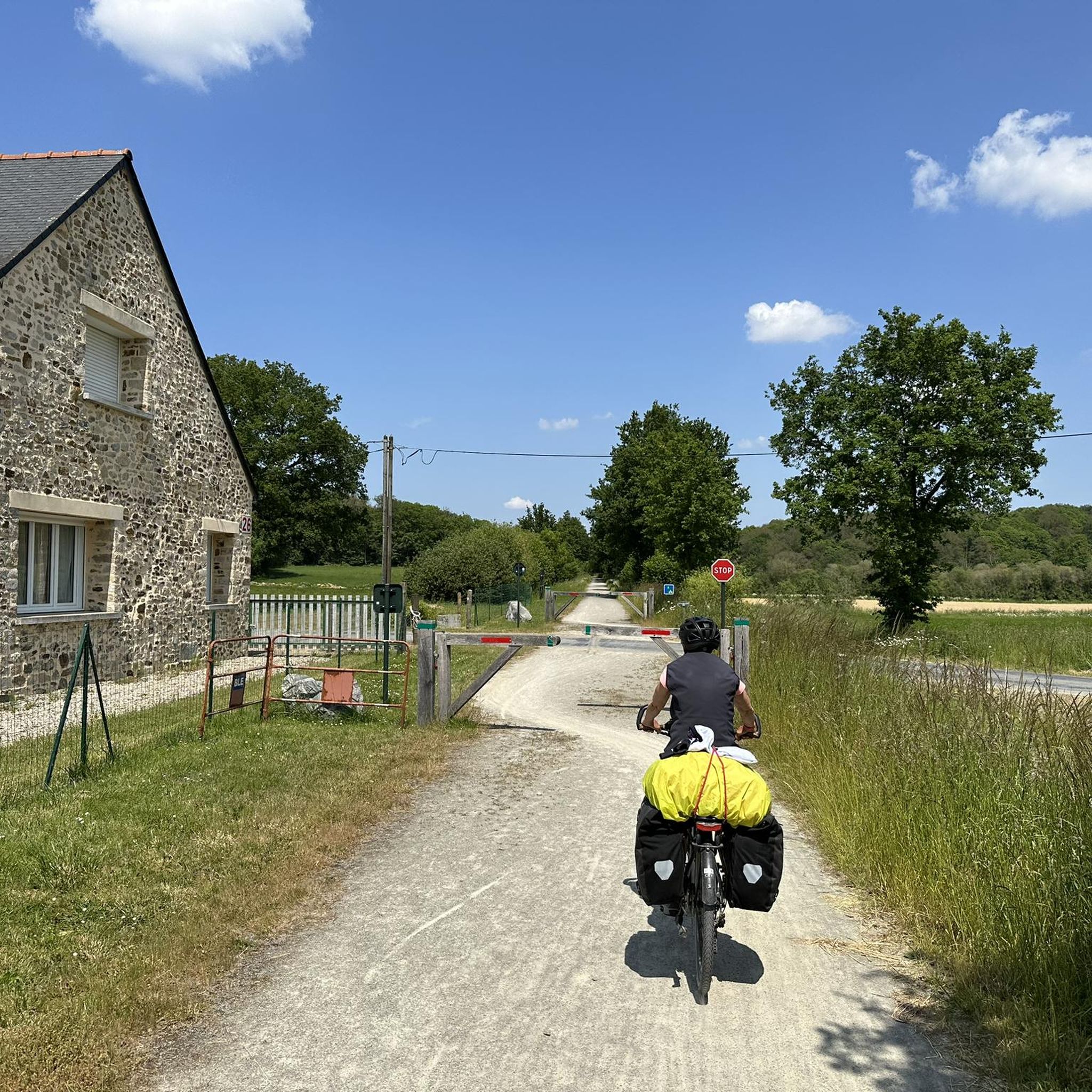
Yes, beyond the local circuits, the Fougères-Antrain Greenway offers a 30 km peaceful route following old train tracks, suitable for cycling. This provides a tranquil, traffic-free option for longer rides or those seeking a more relaxed experience.
Most popular attractions around Luitré

Get inspired with the komoot mobile app


Explore more
Browse the best Road cycling routes in other regions.
