The best road cycling routes around Pradines
4.4
(135)
3,943
riders
272
rides
Road cycling around Pradines, situated in the Lot department of France, offers diverse terrain for cyclists. The region is characterized by the meandering Lot River, providing scenic riverside routes with generally low elevation changes. Cyclists can also explore the rolling hills surrounding Cahors and venture into the distinctive limestone plateaus of the causses du Quercy. Oak forests and charming villages are common features along these routes, offering varied landscapes for road cyclists.
Best road cycling routes around Pradines
- The most…
Last updated: November 13, 2026
4.6
(10)
250
riders
Moderate road ride. Good fitness required. Mostly well-paved surfaces and easy to ride.
3.3
(6)
148
riders
71.3km
03:15
660m
660m
Moderate road ride. Good fitness required. Some segments of this route may be unpaved and difficult to ride.

4.0
(2)
46
riders
54.1km
02:35
570m
570m
Moderate road ride. Good fitness required. Mostly well-paved surfaces and easy to ride.
4.3
(6)
32
riders
52.7km
02:28
620m
620m
Moderate road ride. Good fitness required. Some segments of this route may be unpaved and difficult to ride.
4.0
(1)
27
riders
19.1km
00:55
160m
160m
Moderate road ride. Some segments of this route may be unpaved and difficult to ride.
Get access to more routes and recommendations from other explorers.
Already have an account?
Our route recommendations are based on thousands of hikes, rides, and runs completed by other people on komoot.
Start today with a free account
Your next adventure awaits.
Tips from the Community

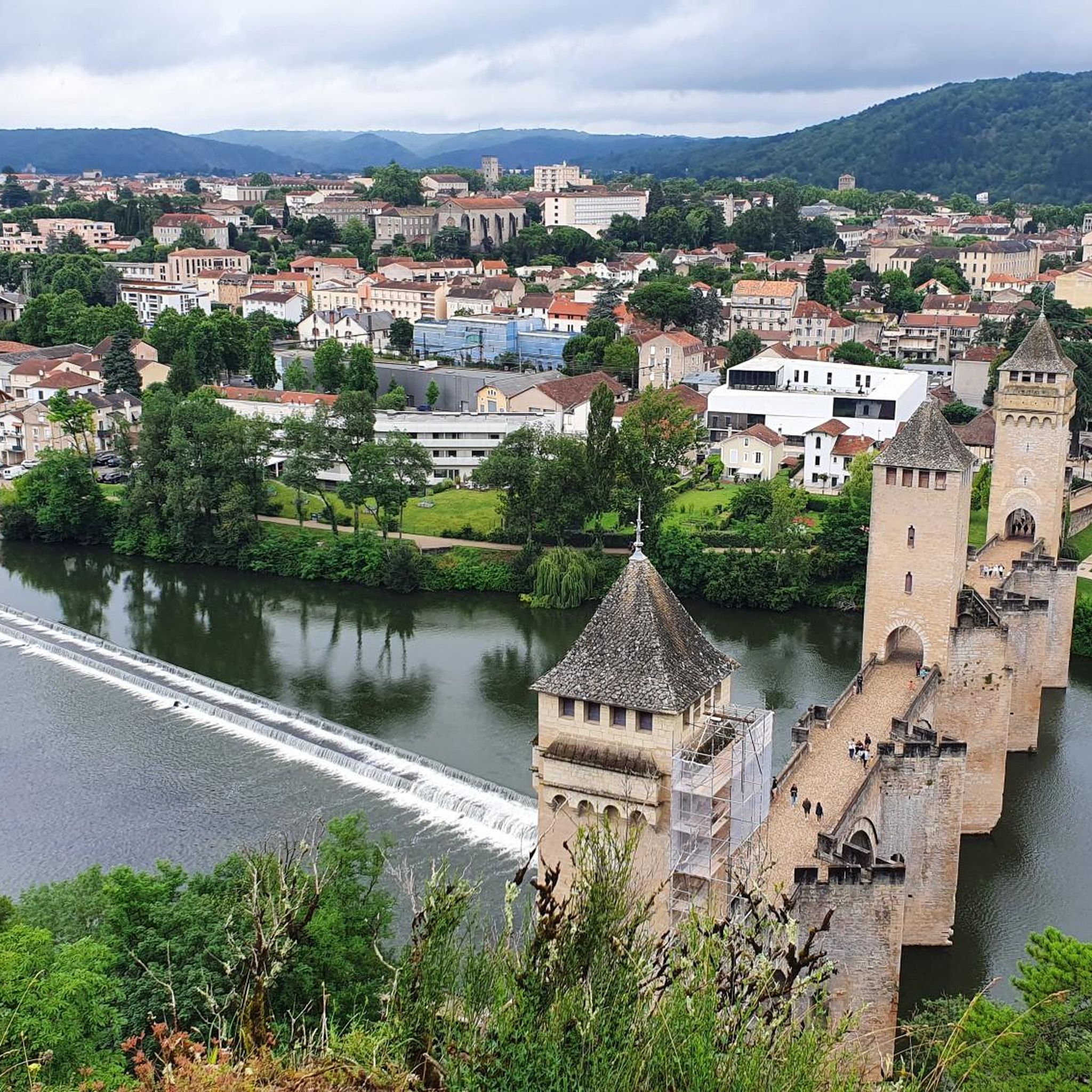
Atypical bridge with magnificent architecture: you absolutely must go see it!!
0
0
Nice viewpoint of the bridge, a bridge with magnificent and unique architecture that you absolutely must admire!
0
0

In the heart of the Causses du Quercy Regional Natural Park. Located at the confluence of the Lot and Célé valleys, the village of Bouziès, with around 90 inhabitants, is world-renowned for its spectacular natural and historical heritage. The Château des Anglais: Fortifications from the 11th and 12th centuries anchored directly into the vertical cliff face overlooking the road and the river. This site once served as a fortified refuge for the inhabitants during conflicts.
0
0
In the heart of the Parc naturel régional des Causses du Quercy. Located at the confluence of the Lot and Célé valleys, the village of Bouziès, with around 90 inhabitants, is world-renowned for its spectacular natural and historical heritage. The Château des Anglais: Fortifications from the 11th and 12th centuries anchored directly into the vertical cliff face overlooking the road and the river. This site once served as a fortified refuge for the inhabitants during conflicts.
0
0
In the heart of the historic Daurade district, on the site of the former Benedictine convent. It pays homage to the French Renaissance poet Olivier de Magny, born in Cahors. L'Hortus des Dames: The square houses 8 small gardens (or metal enclosures) dedicated to the eight families of perfumes (citrus, aromatic, floral, green notes, etc.). It is surrounded by superb medieval houses from the 13th to the 17th centuries and shaded by century-old plane trees. This site is part of the route of the Secret Gardens of Cahors.
0
0
The first bridge of Cabessut, called the "Pont Neuf", was built of stone in the 13th century by the consuls and clergy of the town. It originally had two defensive towers which were destroyed in 1816. The old stone bridge was demolished in the early 20th century (around 1906) to make way for a wider structure.
0
0
An essential monument of the Occitanie region, it is distinguished by its large domes on pendentives, among the largest in France. The cathedral is doubly classified: as a Historic Monument in France and as a UNESCO World Heritage Site as part of the Routes of Santiago de Compostela.
0
0
Pont Valentré is one of the few fortified medieval bridges remaining in the world. Its Gothic military architecture makes it a masterpiece of defense and engineering. 1308: The start of construction: The decision to build the bridge is made by the consuls of Cahors to secure the western access to the city and adapt to the flourishing trade. 1308-1378: An endless construction site: The work lasts nearly 70 years, slowed down by the Black Death and the Hundred Years' War. From this legendary slowness was born the famous legend of the Devil. 1879: The great restoration: Having become dilapidated, the bridge undergoes a major restoration led by architect Paul Gout (a student of Viollet-le-Duc). He chose to add the famous sculpture of the little devil on the central tower to immortalize the legend. 1998: Worldwide recognition: The bridge is inscribed on the UNESCO World Heritage list as part of the Routes of Santiago de Compostela.
0
0
Frequently Asked Questions
What kind of terrain can I expect when road cycling around Pradines?
Road cycling around Pradines offers a diverse landscape. You'll find scenic riverside routes along the meandering Lot River with generally low elevation changes, ideal for more relaxed rides. As you venture further, routes can lead into the rolling hills surrounding Cahors and the distinctive limestone plateaus of the causses du Quercy, which feature more significant climbs and varied terrain. Expect to pass through charming villages and oak forests.
Are there road cycling routes suitable for beginners in Pradines?
Yes, Pradines offers routes suitable for various skill levels. While many routes are classified as moderate, the Lot Valley cycling route (V86) provides generally low elevation changes, making it enjoyable for many. For specific routes, you can find options with less elevation gain, particularly those sticking closer to the river.
What is the elevation gain like on road cycling routes near Pradines?
Elevation gain varies significantly depending on the route. While riverside paths along the Lot River offer relatively flat sections, venturing into the rolling hills around Cahors or the causses du Quercy will introduce more challenging climbs. For example, the Luzech – Crayssac Pass loop from Pradines features over 580 meters of elevation gain, including the notable Crayssac Pass, indicating that moderate to significant climbs are common on many routes.
What natural features will I encounter on road cycling routes in Pradines?
The natural beauty of Pradines is deeply connected to the Lot River, which you'll often follow. Cyclists can explore diverse terrain including tranquil oak forests, particularly around villages like Crayssac. The region is also characterized by the unique limestone plateaus of the "causses du Quercy," a natural regional park known for its distinct ecosystems and geological formations.
Are there any historical landmarks or attractions visible from the road cycling routes?
Absolutely. Many routes offer views of historical and picturesque sites. You might pass by charming perched villages, and some routes lead you near iconic landmarks such as the Valentré Bridge in Cahors. Other notable attractions in the wider area include Château de Mercuès and Château de Cayx, offering glimpses of the region's rich heritage.
Can I find scenic viewpoints along the road cycling routes?
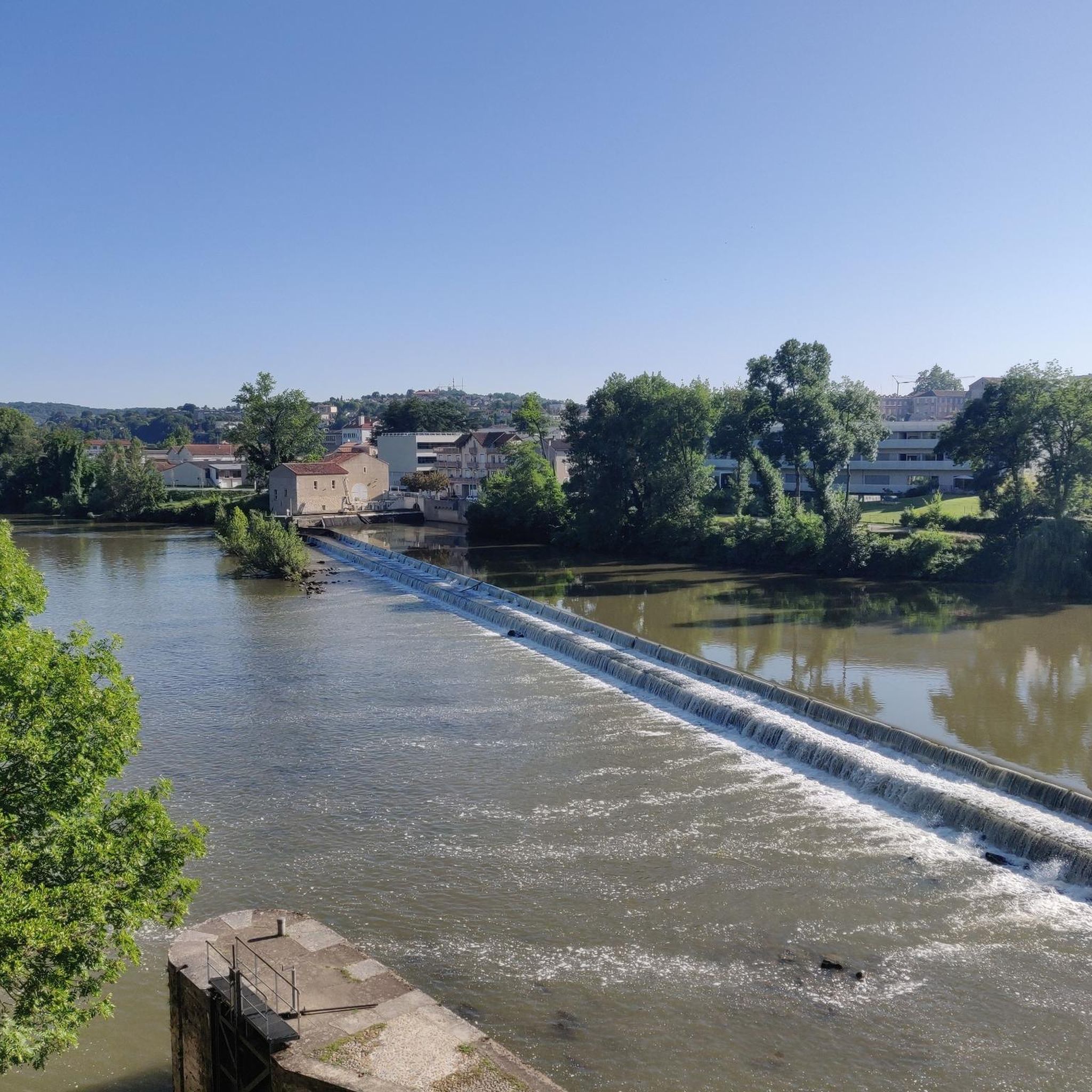
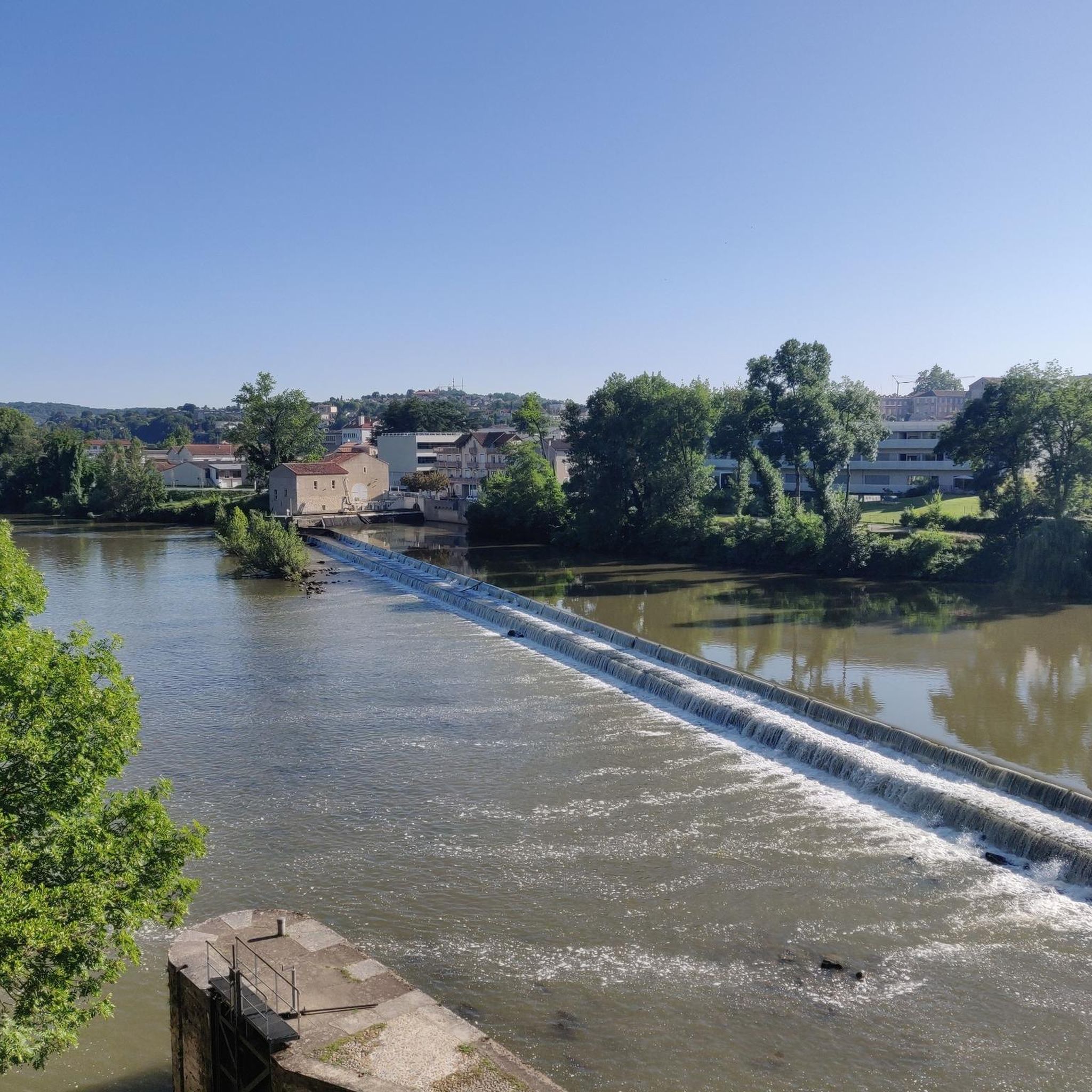
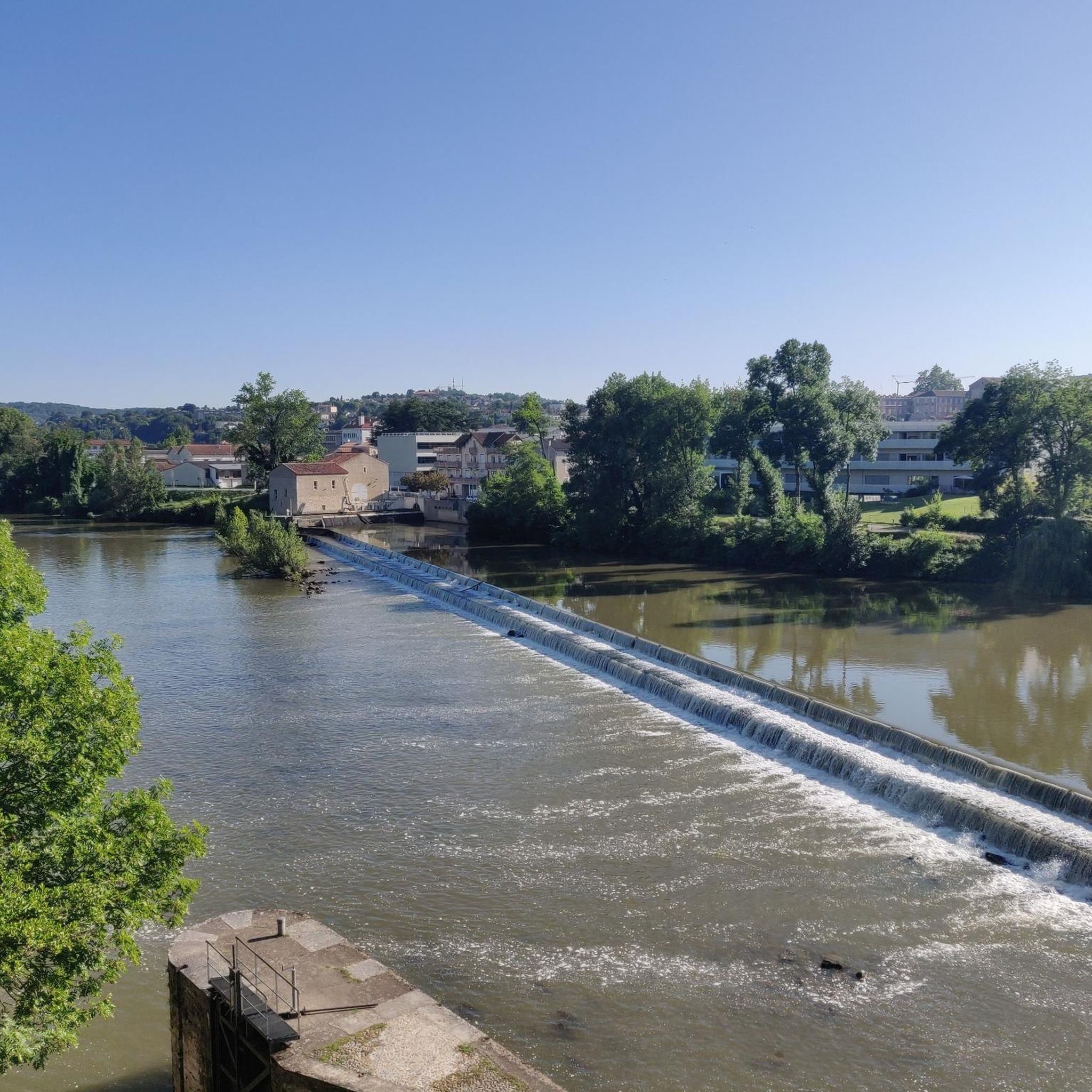
Yes, the region offers several opportunities for scenic views. The rolling hills surrounding Cahors provide elevated perspectives, and specific viewpoints like the Mont Saint-Cyr viewpoint overlooking Cahors offer panoramic vistas. You can also enjoy picturesque views of the Lot River and its surroundings, such as the View of the Lot River and Douelle Castle.
Are there circular road cycling routes available around Pradines?
Yes, many road cycling routes around Pradines are designed as loops, allowing you to start and finish in the same location. Examples include the The Lot at Luzech – Luzech loop from Pradines and the Valentré Bridge – Pont Valentré loop from Cimetière de Flottes, which are popular choices among local cyclists.
What are the typical distances for road cycling routes in the Pradines area?
Road cycling routes in Pradines typically range from moderate distances suitable for a half-day ride to longer excursions. Many popular routes are between 45 to 60 kilometers (28 to 37 miles) in length, such as the Pont Valentré – Cahors Market Hall loop from Pradines at around 45 km, and the Luzech – Pont Valentré loop from Pradines at approximately 55 km.
When is the best time of year to go road cycling in Pradines?
The spring and autumn months generally offer the most pleasant conditions for road cycling in Pradines. During these seasons, the weather is typically mild, and the landscapes are particularly beautiful. Summer can be warm, especially in July and August, so early morning or late afternoon rides are recommended if cycling during these months.
Are there places to stop for refreshments or accommodation along the routes?
Yes, the region's charming villages and towns, such as Cahors and Luzech, offer various options for refreshments, including cafes and restaurants. You'll also find accommodation options in these areas, ranging from guesthouses to hotels, making it convenient for multi-day cycling trips or extended stays.
What do other road cyclists enjoy the most about road cycling in Pradines?
The area is highly rated by the komoot community, with an average score of 4.4 stars from over 80 reviews. Reviewers often praise the varied terrain, from scenic riverside paths to challenging climbs, and the opportunity to explore the tranquil environment of rural France on often car-free minor roads. The blend of natural beauty and historical landmarks also contributes to a highly enjoyable cycling experience.
How many road cycling routes are available around Pradines?
There are over 15 road cycling routes available around Pradines, offering a wide range of options for different preferences and fitness levels. These routes have been explored by more than 2,800 road cyclists using komoot, highlighting the area's popularity among the cycling community.
Most popular attractions around Pradines

Get inspired with the komoot mobile app


Explore more
Browse the best Road cycling routes in other regions.
