The best cycling routes around Sauzet
4.3
(165)
1,009
riders
129
rides
Touring cycling routes around Sauzet traverse a diverse landscape characterized by quiet valleys, rolling hills, and Mediterranean garrigue. The region features extensive vineyards, olive groves, and forests of pine and beech. Cyclists can expect a mix of paved roads and country lanes, with routes often following river valleys and offering views of historic villages. The terrain includes gentle gradients suitable for leisure rides and more challenging ascents in the foothills.
Best touring cycling routes around Sauzet
- The most popular touring…
Last updated: November 22, 2026
4.4
(7)
32
riders
40.8km
02:41
450m
450m
Moderate bike ride. Good fitness required. Mostly paved surfaces.
4.6
(5)
6
riders
16.3km
01:10
300m
310m
Moderate bike ride. Good fitness required. Mostly paved surfaces.

4.4
(7)
5
riders
19.8km
01:23
310m
310m
Moderate bike ride. Good fitness required. Mostly paved surfaces.
4.3
(8)
6
riders
23.7km
01:33
310m
320m
Moderate bike ride. Good fitness required. Mostly paved surfaces.
3.0
(1)
8
riders
39.8km
02:34
510m
510m
Hard bike ride. Very good fitness required. Mostly paved surfaces.
Get access to more routes and recommendations from other explorers.
Already have an account?
Our route recommendations are based on thousands of hikes, rides, and runs completed by other people on komoot.
Start today with a free account
Your next adventure awaits.


Tips from the Community

The Valentré Bridge is one of the few fortified medieval bridges remaining in the world. Its Gothic military architecture makes it a masterpiece of defense and engineering. 1308: The start of construction: The decision to build the bridge was made by the consuls of Cahors to secure the western access to the city and adapt to the flourishing trade. 1308-1378: An endless construction site: The work lasted nearly 70 years, slowed down by the Black Death and the Hundred Years' War. It is from this legendary slowness that the famous legend of the Devil was born. 1879: The great restoration: Having become dilapidated, the bridge underwent a major restoration led by the architect Paul Gout (a student of Viollet-le-Duc). He chose to add the famous sculpture of the little devil on the central tower to immortalize the legend. 1998: Worldwide recognition: The bridge was inscribed on the UNESCO World Heritage list as part of the Routes of Santiago de Compostela.
0
0
The first bridge of Cabessut, called the "Pont Neuf", was built of stone in the 13th century by the consuls and clergy of the town. It originally had two defensive towers which were destroyed in 1816. The old stone bridge was demolished in the early 20th century (around 1906) to make way for a wider structure.
0
0
The Valentré Bridge is one of the few fortified medieval bridges in the world. Its Gothic military architecture makes it a masterpiece of defense and engineering. 1308: The start of construction: The decision to build the bridge was made by the consuls of Cahors to secure the western access to the city and adapt to the flourishing trade. 1308-1378: An endless construction site: The work lasted nearly 70 years, slowed down by the Black Death and the Hundred Years' War. It is from this legendary slowness that the famous legend of the Devil was born. 1879: The great restoration: Having become dilapidated, the bridge underwent a major restoration led by the architect Paul Gout (a student of Viollet-le-Duc). He chose to add the famous sculpture of the little devil on the central tower to immortalize the legend. 1998: Worldwide recognition: The bridge was inscribed on the UNESCO World Heritage list as part of the Routes of Santiago de Compostela.
0
0
L'Ange de Lazaret, a monumental bronze by sculptor Marc Petit (born in Saint-Céré in the Lot), is placed facing the tympanum of the north portal of the cathedral.
0
0
An essential monument of the Occitanie region, it is distinguished by its large domes on pendentives, among the largest in France. The cathedral is doubly classified: as a Historic Monument in France and as a UNESCO World Heritage Site as part of the Routes of Santiago de Compostela.
0
0
Built within a wide meander of the Lot river, the town features a unique fortified silhouette and preserved heritage that earns it the label of "City of Art and History".
0
0
The Halle de Cahors (historically known as the Halle aux grains) is the heart and soul of Cahors' commercial life in the Lot department. This magnificent historic covered market is home to many artisans and food producers, offering the best of Quercy's local products.
1
0
Place François-Mitterrand in Cahors is a vast mineral and tree-lined esplanade that forms the cultural and modern heart of the city of Cahors. Located on the edge of Boulevard Léon Gambetta, it serves as an ideal link for exploring the city and hosts numerous events throughout the year.
0
0
Frequently Asked Questions
How many touring cycling routes are available around Sauzet?
There are over 100 touring cycling routes around Sauzet, offering a wide range of options for different skill levels. This includes 14 easy routes, 54 moderate routes, and 51 difficult routes, ensuring there's something for every cyclist.
What kind of terrain can I expect on touring cycling routes in Sauzet?
The terrain around Sauzet is quite varied. In the Drôme region, you'll find quiet valleys with orchards, vineyards, and sunflower fields, alongside rolling hills and dramatic mountains. The Gard region offers a Mediterranean landscape with garrigue, olive groves, and vineyards. Routes often follow river valleys and feature a mix of paved roads and country lanes, with both gentle gradients and more challenging ascents.
Are there any circular touring cycling routes in the Sauzet area?
Yes, many routes around Sauzet are circular, allowing you to start and end at the same point. For example, the Albas – Luzech loop from Albas is a moderate 12.2-mile (19.7 km) route, and the Luzech – Albas loop from Albas is another moderate option covering 15.5 miles (25 km).
What are some notable landmarks or attractions I can see along the touring cycling routes?
The region around Sauzet is rich in cultural and natural highlights. Depending on whether you're in Drôme or Gard, you might encounter charming villages, historic towns, and natural wonders. Specific attractions include Montcuq Old Town, the village of Albas, the Saint-Hilaire Church of Montcuq, and the historic site of Luzech. The Albas suspension bridge is also a point of interest.
What is the best time of year for touring cycling in Sauzet?
The region generally offers pleasant cycling conditions for much of the year. The Drôme Provençale is known for its lavender fields blooming in summer, while the Gard region has a Mediterranean climate. Spring and autumn are often ideal, with milder temperatures and beautiful scenery, making it comfortable to explore the vineyards and historic towns.
Are there any challenging touring cycling routes for experienced cyclists?
Yes, for experienced cyclists seeking a challenge, there are 51 difficult routes around Sauzet. An example is the Lauzerte – Montcuq Old Town loop from Barguelonne-en-Quercy, a 36.7-mile (59.1 km) trail with significant elevation gain, leading through vineyards and historic towns.
What do other touring cyclists say about the routes in Sauzet?
The touring cycling routes around Sauzet are highly rated by the komoot community, with an average score of 4.3 stars from over 170 reviews. Cyclists often praise the diverse landscapes, the mix of quiet roads and scenic paths, and the opportunities to explore charming villages and natural beauty.
Are there options for longer touring cycling trips around Sauzet?
Absolutely. While many routes are suitable for day trips, the region's extensive network, including parts of the ViaRhôna in Drôme, allows for longer touring adventures. Routes like the Lauzerte – Montcuq Old Town loop from Barguelonne-en-Quercy, which takes nearly 4 hours to complete, can be part of a multi-day itinerary exploring the wider area.
Can I find bike-friendly services like accommodation or repair shops in the Sauzet area?
Yes, particularly in the Drôme department, the 'Accueil Vélo' label ensures that cyclists have access to bike-friendly services. This includes accommodation, rental facilities, and repair shops, making it easier to plan your touring cycling trip with peace of mind.
What are the typical durations for touring cycling routes around Sauzet?
Route durations vary significantly based on distance and difficulty. Shorter, moderate routes like the Albas – Luzech loop from Albas can be completed in about 1 hour 16 minutes. Longer, more challenging routes, such as the Luzech – Albas loop from Luzech (19.3 km), might take around 1 hour 20 minutes, while others can extend to several hours, offering flexibility for different schedules.
Are there any touring cycling routes that offer views of vineyards or olive groves?
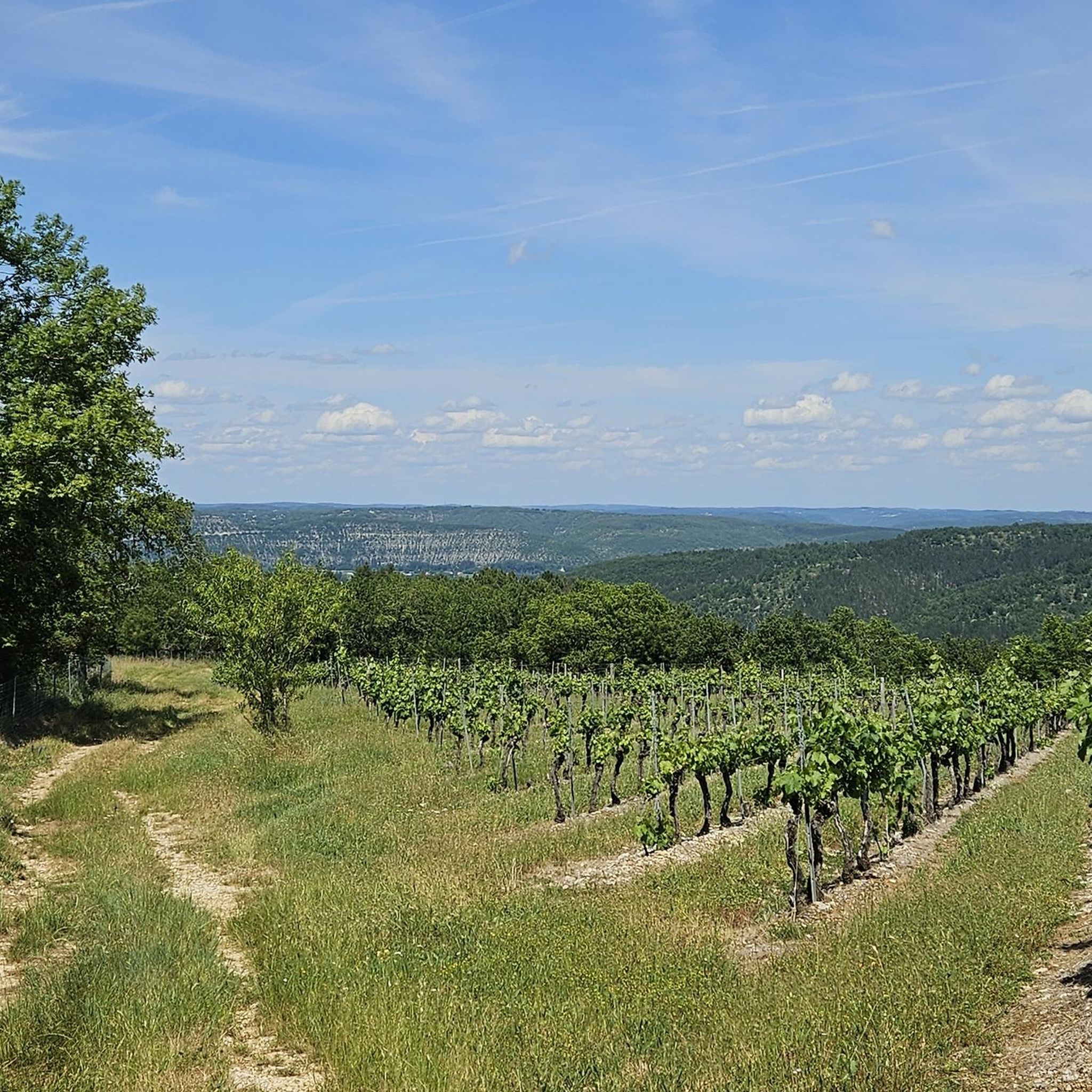
Yes, both the Drôme and Gard regions around Sauzet are renowned for their agricultural landscapes. Many touring cycling routes will take you through extensive vineyards, especially in the Diois area of Drôme, and past picturesque olive groves, particularly in the Gard region, often referred to as the 'Tuscany of France'.
How accessible are the touring cycling routes around Sauzet by public transport or car parking?
While specific public transport links to trailheads can vary, the region is generally well-equipped for visitors. Many routes start from or pass through villages and towns where parking is available. For example, routes often begin from locations like Albas or Luzech, which typically offer parking facilities for cyclists.
Most popular attractions around Sauzet

Get inspired with the komoot mobile app


Explore more
Browse the best Cycling routes in other regions.
