The best cycling routes around Saint-Laurent-Lolmie
4.8
(38)
226
riders
85
rides
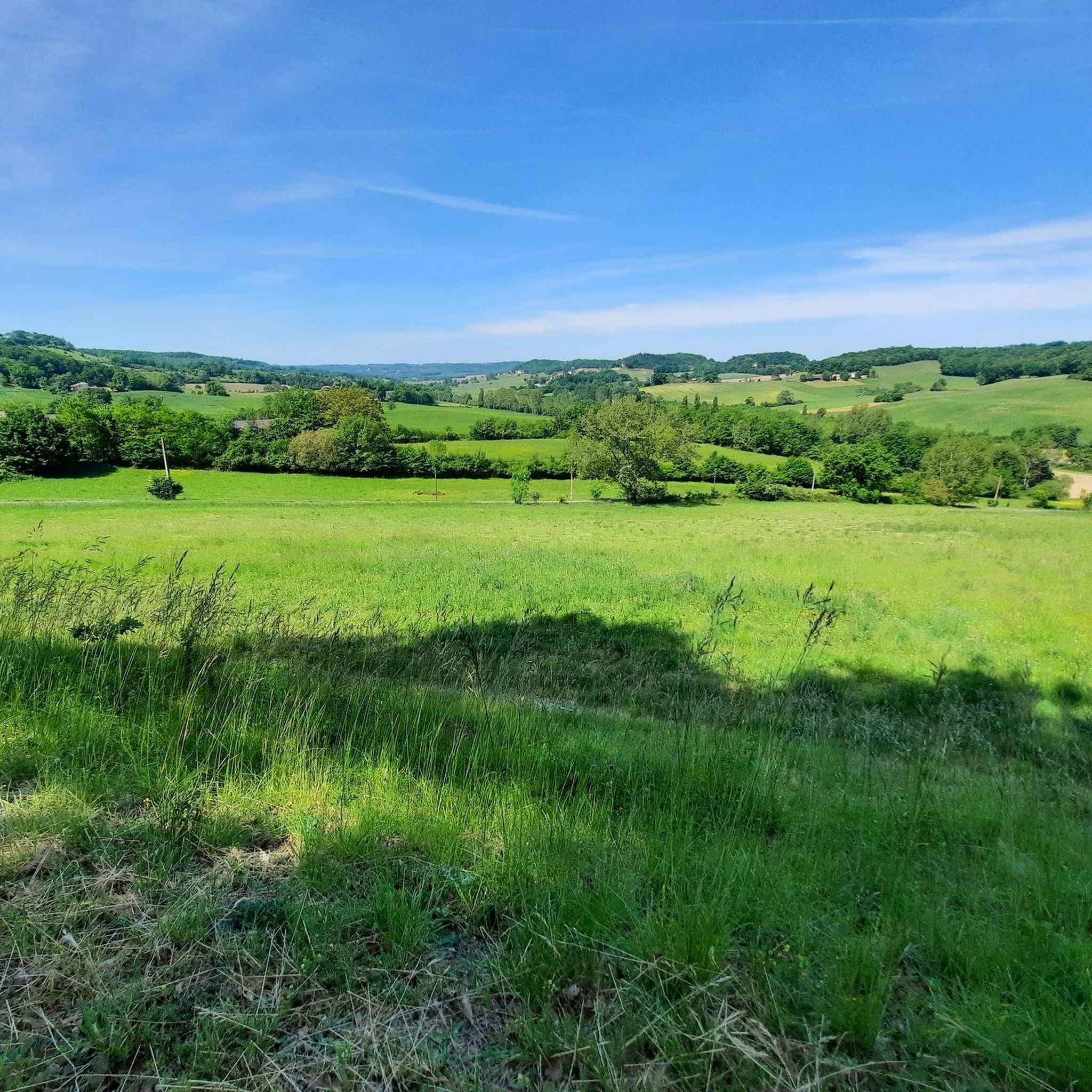
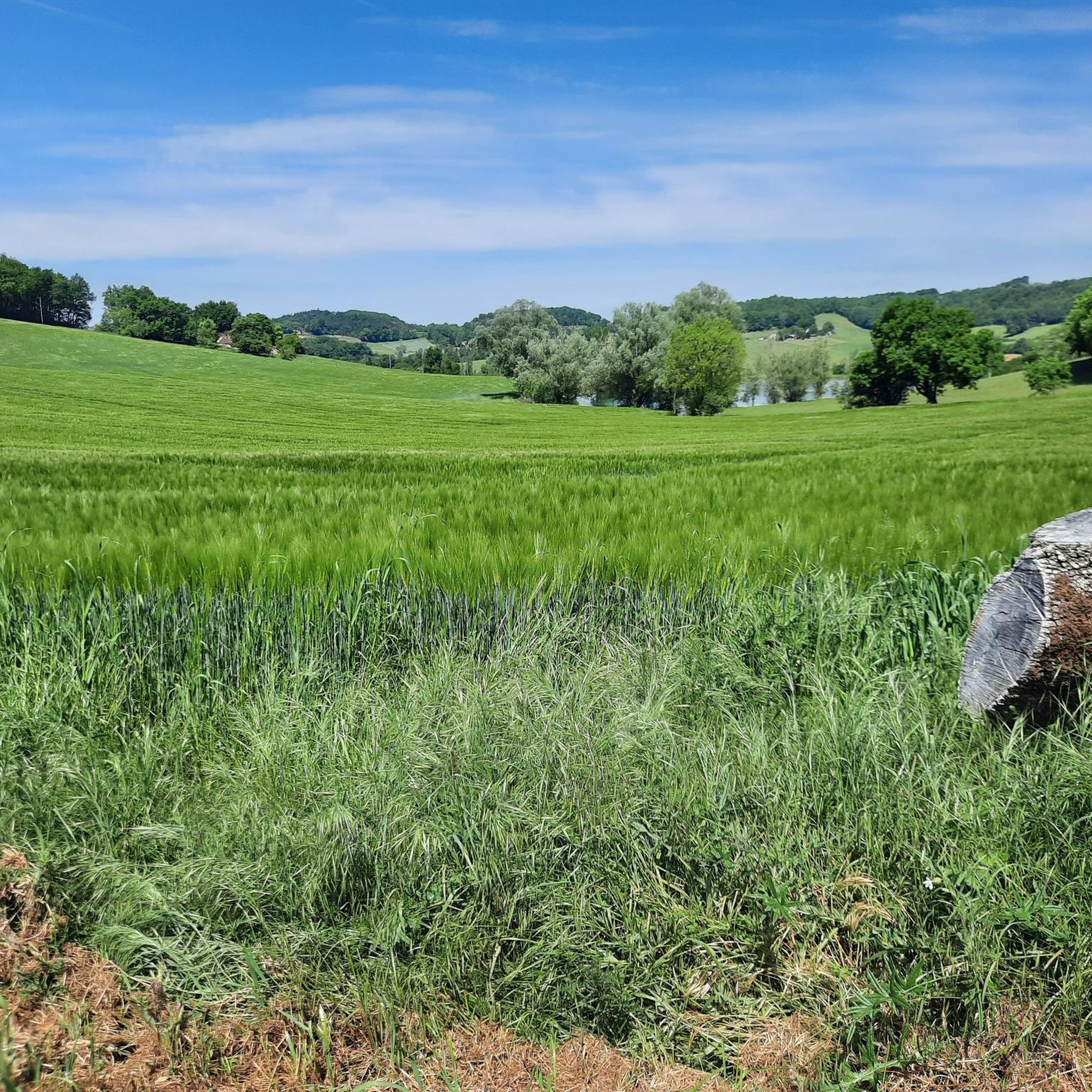
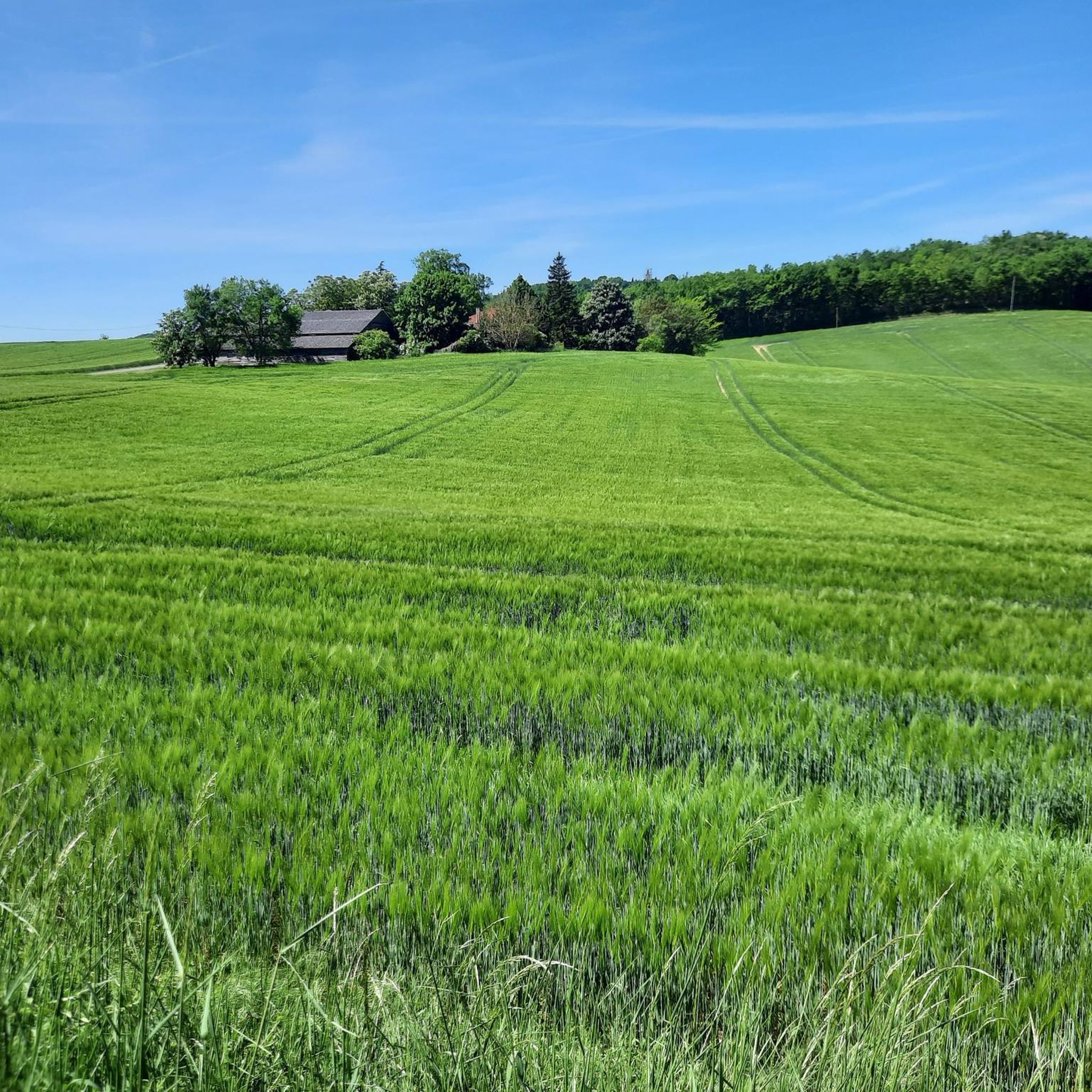
Touring cycling around Saint-Laurent-Lolmie offers routes through the rolling hills and rural landscapes of the Quercy Blanc region. The area is characterized by its limestone plateaus, agricultural fields, and historic villages. Cyclists can expect varied terrain with moderate to difficult climbs, providing a good challenge for those exploring the French countryside.
Best touring cycling routes around Saint-Laurent-Lolmie
- The most popular touring cycling route is Montcuq – loop in the Quercy Blanc, a 27.8 miles (44.8 km) trail that takes…
Last updated: November 22, 2026
4.8
(4)
11
riders
44.8km
02:59
590m
590m
Hard bike ride. Very good fitness required. Mostly paved surfaces.
4.8
(10)
80
riders
108km
06:42
1,020m
1,020m
Hard bike ride. Very good fitness required. Mostly paved surfaces.

12
riders
82.8km
05:16
840m
840m
Hard bike ride. Very good fitness required. Mostly paved surfaces.
5.0
(2)
8
riders
38.8km
02:39
650m
650m
Hard bike ride. Very good fitness required. Mostly paved surfaces.
5.0
(1)
3
riders
33.6km
02:15
470m
470m
Hard bike ride. Very good fitness required. Mostly paved surfaces.
Get access to more routes and recommendations from other explorers.
Already have an account?
Our route recommendations are based on thousands of hikes, rides, and runs completed by other people on komoot.
Start today with a free account
Your next adventure awaits.


Tips from the Community

An essential monument of the Occitanie region, it is distinguished by its large domes on pendentives, among the largest in France. The cathedral is doubly classified: as a Historic Monument in France and as a UNESCO World Heritage Site as part of the Routes of Santiago de Compostela.
0
0
Built within a wide meander of the Lot river, the town features a unique fortified silhouette and preserved heritage that earns it the label of "City of Art and History".
0
0
Place François-Mitterrand in Cahors is a vast mineral and tree-lined esplanade that forms the cultural and modern heart of the city of Cahors. Located on the edge of Boulevard Léon Gambetta, it serves as an ideal link for exploring the city and hosts numerous events throughout the year.
0
0
Built at the end of the 13th century and remodelled in the 18th century following a fire in 1562, then again in 1881, the village church forms a single-nave stone vessel with a polygonal apse. The choir (Radiant Gothic) is covered. The stained glass windows, in very vivid colour ranges, depict the lives of Christ and Saint-Hilaire.
0
0
Montcuq is a superb medieval hilltop village with a rich heritage in the heart of Quercy Blanc: La Tour de Montcuq: A majestic 12th-century keep that proudly overlooks the village. Built between the late 12th and early 13th centuries under the authority of the Counts of Toulouse.Destruction of the castle: During the Albigensian Crusade and the treaties with the King of France, the local lord had to dismantle the ramparts. Only this keep survived.Particularities: It has a rectangular (or trapezoidal) shape and a square turret housing a unique spiral staircase. Scientifically, the name has nothing lewd about it: it comes from the Occitan Moncuc, which simply means a conical hill or a fortified hill.
0
0
Lauzerte is a magnificent medieval bastide from the 12th century perched on a rocky spur. Lauzerte is an unmissable and mythical stop for pilgrims on the Via Podensis (the route from Puy-en-Velay). Founded by the Count of Toulouse, this ancient strategic city features a checkerboard architecture typical of the bastides of the Southwest.
0
0
Lauzerte is a magnificent medieval bastide from the 12th century perched on a rocky outcrop. Lauzerte is an essential and mythical stop for pilgrims on the Via Podensis (the path from Le Puy-en-Velay). Founded by the Count of Toulouse, this ancient strategic town has a checkerboard architecture typical of the bastides of the Southwest.
0
0
Lauzerte is a magnificent medieval bastide from the 12th century perched on a rocky spur. Lauzerte is an essential and mythical stop for pilgrims on the Via Podensis (the route from Puy-en-Velay). Founded by the count of Toulouse, this ancient strategic city features a checkerboard architecture typical of the bastides of the Southwest.
0
0
Frequently Asked Questions
How many touring cycling routes are available around Saint-Laurent-Lolmie?
There are over 70 touring cycling routes recorded around Saint-Laurent-Lolmie on komoot. These routes explore the diverse landscapes of the Quercy Blanc region, offering a variety of challenges for cyclists.
Are there any easy touring cycling routes for beginners or families?
While many routes in the area feature moderate to difficult climbs, there are a couple of easier touring cycling routes available. These are generally shorter and have less elevation gain, making them suitable for those new to touring cycling or families looking for a more relaxed ride. For example, the Montcuq Old Town – Lauzerte loop from Montcuq is a moderate option that connects historic villages through scenic rural environments.
What kind of terrain can I expect on touring bike routes in Saint-Laurent-Lolmie?
The terrain around Saint-Laurent-Lolmie is characterized by rolling hills, limestone plateaus, and agricultural fields. Cyclists can expect varied surfaces, often including quiet country roads, with moderate to difficult climbs that provide a good challenge and rewarding views of the French countryside.
What are some notable landmarks or attractions I can see along the cycling routes?
The touring cycling routes often pass through or near charming historic villages and points of interest. You might encounter sites like the Place des Cornières de Lauzerte, the historic Montcuq Old Town, or the Saint-Hilaire Church of Montcuq. Keep an eye out for traditional architecture, including local dovecotes, as you cycle through the rural landscape.
Are there circular touring cycling routes in the area?
Yes, many of the touring cycling routes around Saint-Laurent-Lolmie are designed as loops, allowing you to start and finish in the same location. Examples include the challenging Montcuq – loop in the Quercy Blanc or the Montcuq Old Town – Les Moulins loop from Sauveterre.
What is the best season for touring cycling in Saint-Laurent-Lolmie?
The best seasons for touring cycling in Saint-Laurent-Lolmie are typically spring (April to June) and autumn (September to October). During these months, the weather is generally mild and pleasant, with less extreme heat than summer and beautiful natural scenery. Summer can be enjoyable, but be prepared for warmer temperatures.
Are there any routes that connect different villages or towns?
Absolutely. The routes are designed to showcase the region's charming villages. For instance, the Lauzerte – Montcuq Old Town loop from Montcuq connects these two historic settlements, offering a glimpse into local life and heritage.
What is the typical duration and distance of touring cycling routes here?
The touring cycling routes around Saint-Laurent-Lolmie vary in length and duration. You can find routes ranging from around 24 miles (39 km) to over 40 miles (65 km). A typical ride might take between 2.5 to 4 hours, depending on the route's difficulty and your pace. For example, the Albas – Luzech loop from Montcuq is one of the longer options, covering about 42 miles (67.5 km).
What do other touring cyclists say about the routes in Saint-Laurent-Lolmie?
The touring cycling routes in Saint-Laurent-Lolmie are highly rated by the komoot community, with an average score of 4.6 stars from around 30 reviews. Cyclists often praise the beautiful rural landscapes, the challenge of the rolling hills, and the charm of the historic villages encountered along the way.
Are the touring cycling routes suitable for dogs?
While the routes themselves are generally on public roads and paths, the suitability for dogs depends on individual circumstances. Many routes pass through rural areas with agricultural land, so keeping dogs on a leash is advisable. Consider the distance and difficulty of the route, as well as your dog's fitness, before bringing them along.
Are there opportunities for food and drink stops along the routes?
Many touring cycling routes pass through or near small villages and towns like Montcuq or Lauzerte. These settlements often have local bakeries, cafes, or restaurants where you can stop for refreshments, a meal, or to refill water bottles. Planning your route with these stops in mind can enhance your cycling experience.
Most popular routes around Saint-Laurent-Lolmie
Most popular attractions around Saint-Laurent-Lolmie

Get inspired with the komoot mobile app


Explore more
Browse the best Cycling routes in other regions.
