The best cycling routes around Lhospitalet
4.2
(140)
1,276
riders
121
rides
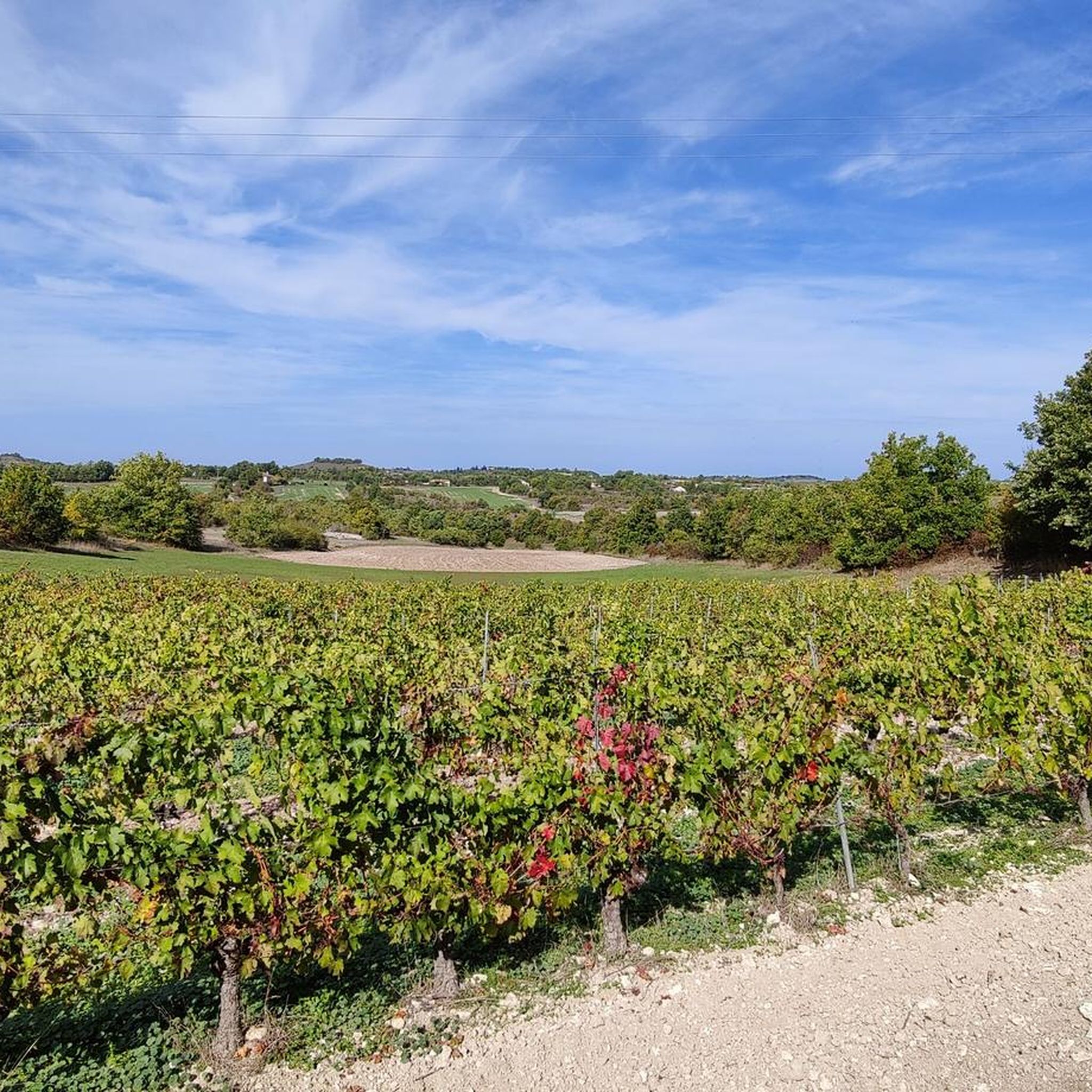
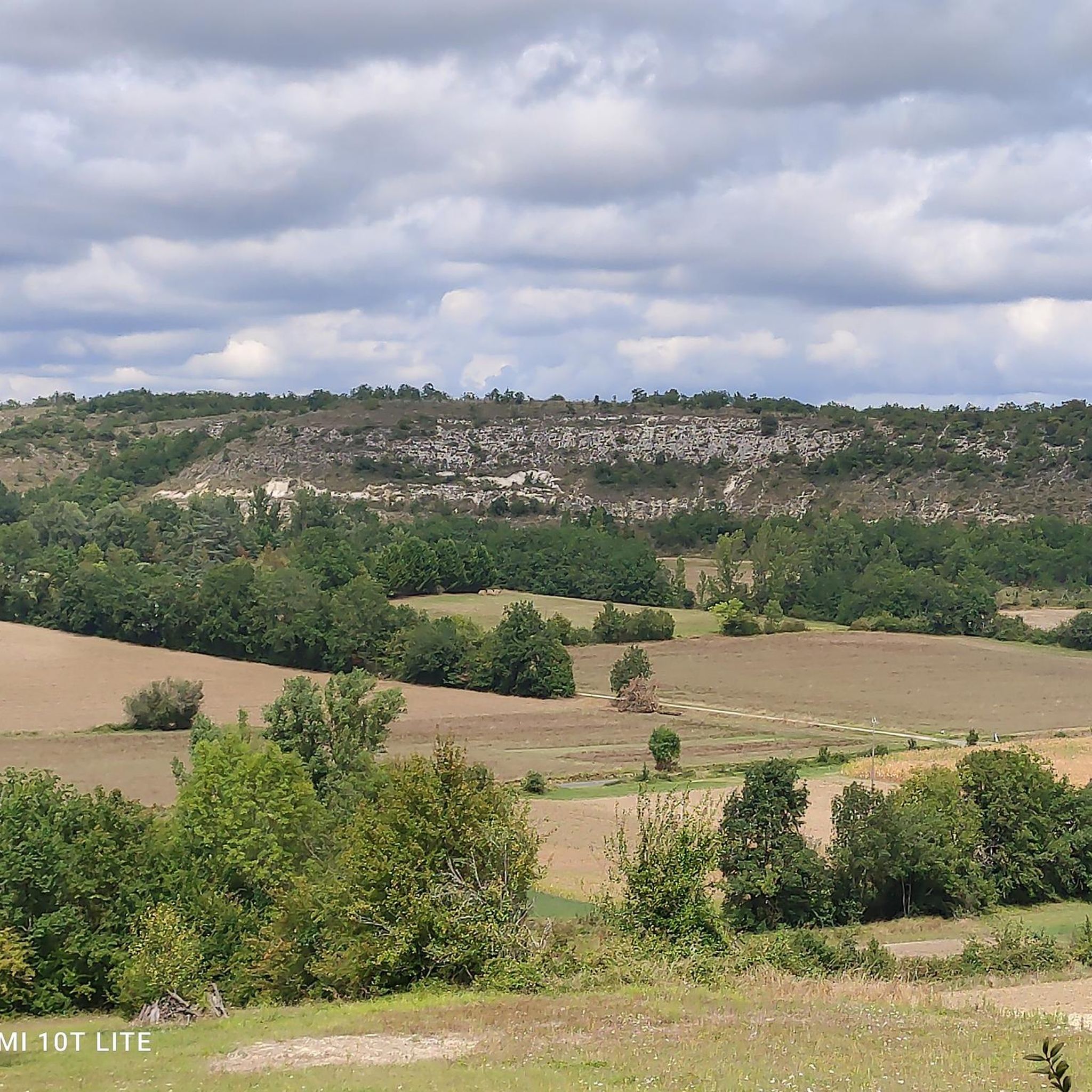
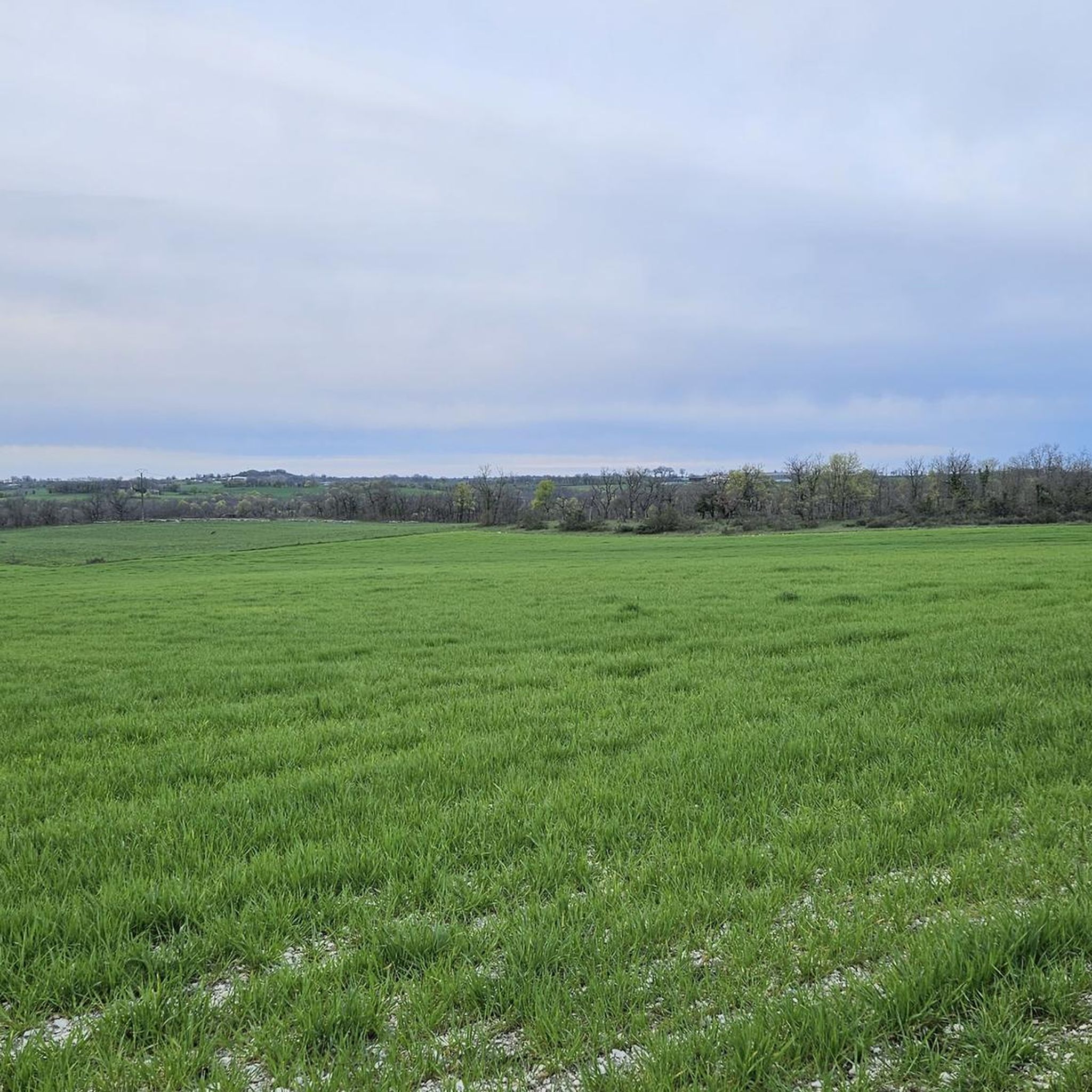
Touring cycling routes around Lhospitalet traverse a landscape characterized by rolling hills and valleys, typical of the French countryside. The region features a mix of agricultural land, scattered woodlands, and small river systems. Elevation changes are common, providing varied terrain for touring cyclists. The area offers a network of roads and paths suitable for exploring the rural environment.
Best touring cycling routes around Lhospitalet
- The most popular touring cycling route is Bike loop from Le Montat, a 29.5 miles…
Last updated: November 22, 2026
17
riders
48.8km
03:07
570m
570m
Hard bike ride. Very good fitness required. Mostly paved surfaces.
10
riders
Hard bike ride. Very good fitness required. Mostly paved surfaces.

9
riders
48.3km
04:16
1,020m
1,020m
Hard bike ride. Very good fitness required. Mostly paved surfaces.
7
riders
35.3km
03:16
850m
850m
Hard bike ride. Very good fitness required. Mostly paved surfaces.
4.2
(5)
5
riders
34.4km
02:04
300m
300m
Moderate bike ride. Good fitness required. Mostly paved surfaces.
Get access to more routes and recommendations from other explorers.
Already have an account?
Our route recommendations are based on thousands of hikes, rides, and runs completed by other people on komoot.
Start today with a free account
Your next adventure awaits.

Tips from the Community

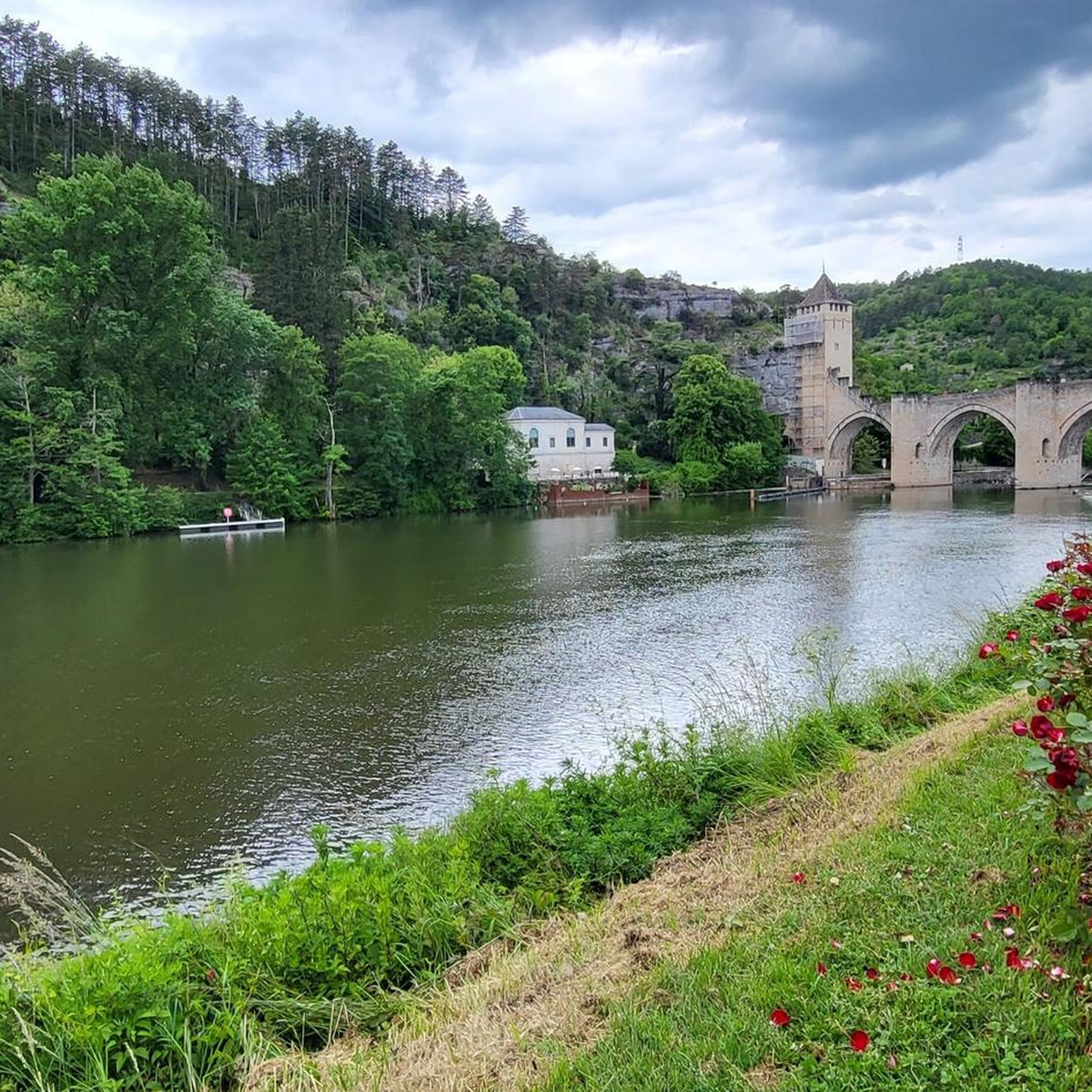
The Valentré Bridge is one of the few fortified medieval bridges remaining in the world. Its Gothic military architecture makes it a masterpiece of defense and engineering. 1308: The start of construction: The decision to build the bridge was made by the consuls of Cahors to secure the western access to the city and adapt to the flourishing trade. 1308-1378: An endless construction site: The work lasted nearly 70 years, slowed down by the Black Death and the Hundred Years' War. It is from this legendary slowness that the famous legend of the Devil was born. 1879: The great restoration: Having become dilapidated, the bridge underwent a major restoration led by the architect Paul Gout (a student of Viollet-le-Duc). He chose to add the famous sculpture of the little devil on the central tower to immortalize the legend. 1998: Worldwide recognition: The bridge was inscribed on the UNESCO World Heritage list as part of the Routes of Santiago de Compostela.
0
0
The Valentré Bridge is one of the few fortified medieval bridges in the world. Its Gothic military architecture makes it a masterpiece of defense and engineering. 1308: The start of construction: The decision to build the bridge was made by the consuls of Cahors to secure the western access to the city and adapt to the flourishing trade. 1308-1378: An endless construction site: The work lasted nearly 70 years, slowed down by the Black Death and the Hundred Years' War. It is from this legendary slowness that the famous legend of the Devil was born. 1879: The great restoration: Having become dilapidated, the bridge underwent a major restoration led by the architect Paul Gout (a student of Viollet-le-Duc). He chose to add the famous sculpture of the little devil on the central tower to immortalize the legend. 1998: Worldwide recognition: The bridge was inscribed on the UNESCO World Heritage list as part of the Routes of Santiago de Compostela.
0
0
L'Ange de Lazaret, a monumental bronze by sculptor Marc Petit (born in Saint-Céré in the Lot), is placed facing the tympanum of the north portal of the cathedral.
0
0
An essential monument of the Occitanie region, it is distinguished by its large domes on pendentives, among the largest in France. The cathedral is doubly classified: as a Historic Monument in France and as a UNESCO World Heritage Site as part of the Routes of Santiago de Compostela.
0
0
Built within a wide meander of the Lot river, the town features a unique fortified silhouette and preserved heritage that earns it the label of "City of Art and History".
0
0
The Halle de Cahors (historically known as the Halle aux grains) is the heart and soul of Cahors' commercial life in the Lot department. This magnificent historic covered market is home to many artisans and food producers, offering the best of Quercy's local products.
1
0
Place François-Mitterrand in Cahors is a vast mineral and tree-lined esplanade that forms the cultural and modern heart of the city of Cahors. Located on the edge of Boulevard Léon Gambetta, it serves as an ideal link for exploring the city and hosts numerous events throughout the year.
0
0

Near the cathedral is the market hall, which is also open on Sundays and offers French specialties and fruit. Connoisseurs will also find a large selection of Cahors wines, for which the town is known.
1
0
Frequently Asked Questions
How many touring cycling routes are available around Lhospitalet?
There are over 120 touring cycling routes recorded around Lhospitalet on komoot. These routes traverse a landscape of rolling hills, agricultural land, and scattered woodlands, offering varied terrain for cyclists.
Are there easy touring cycling routes suitable for beginners in Lhospitalet?
Yes, Lhospitalet offers 5 easy touring cycling routes. While the region is characterized by rolling hills, these routes are designed to be less challenging, often following flatter sections through agricultural plains. You can find options suitable for a more relaxed ride.
What are the typical lengths and elevation gains for touring cycling routes in Lhospitalet?
Touring cycling routes in Lhospitalet vary significantly. Many popular routes range from 30 to 50 kilometers in length. Elevation gains are common due to the rolling hills, with difficult routes often featuring over 700 meters of ascent, such as the Bike loop from Le Montat which has over 1000 meters of elevation gain.
Are there any circular touring cycling routes around Lhospitalet?
Yes, many touring cycling routes in Lhospitalet are designed as loops, allowing you to start and end at the same point. Examples include the challenging Labastide-Marnhac loop from Labastide-Marnhac or the moderate Boisse Mill – Boisse windmill loop from Salgues.
What kind of terrain can I expect on advanced touring cycling trails in Lhospitalet?
Advanced touring cycling trails in Lhospitalet typically feature significant elevation changes and varied terrain, including climbs through rolling hills and descents into valleys. Routes like the Labastide-Marnhac – Paragliding departure loop from Labastide-Marnhac offer challenging ascents and panoramic views, making them suitable for experienced cyclists.
What can I see along the touring cycling routes around Lhospitalet?
The routes often pass through picturesque rural landscapes, agricultural fields, and small villages. You can also encounter historical landmarks and scenic viewpoints. Notable attractions nearby include the historic Valentré Bridge and the impressive Saint Stephen's Cathedral, both of which are accessible from some routes.
Are there any scenic viewpoints accessible by touring bike in the Lhospitalet area?
Yes, the rolling landscape of Lhospitalet offers several opportunities for scenic views. For instance, the Mont Saint-Cyr viewpoint overlooking Cahors provides expansive vistas and can be incorporated into longer rides, offering a rewarding stop.
What do other touring cyclists enjoy most about cycling in Lhospitalet?
The touring cycling routes in Lhospitalet are highly rated by the komoot community, with an average score of 4.3 stars from over 100 reviews. Cyclists often praise the region's quiet rural roads, the beauty of the French countryside, and the varied terrain that offers both challenging climbs and enjoyable descents.
Is it possible to find cafes or pubs along the touring cycling routes in Lhospitalet?
While Lhospitalet is a rural area, many routes pass through or near small villages and towns where you can find local cafes, bakeries, or small restaurants. It's advisable to check the route details or plan your stops in advance, especially on longer rides, to ensure you have refreshment options.
What is the best season for touring cycling in Lhospitalet?
The spring and autumn months generally offer the most pleasant conditions for touring cycling in Lhospitalet, with milder temperatures and beautiful scenery. Summer can be warm, especially in July and August, so early morning rides are recommended during these months. Winters are typically cooler and can be damp, but still offer opportunities for cycling on clear days.
Are there any routes that pass by historical landmarks or bridges?
Yes, some routes incorporate historical elements. For example, the Valentré Bridge – Bridge at Douelle loop from Le Montat takes you past the iconic Valentré Bridge, a UNESCO World Heritage site, offering a cultural highlight during your ride.
Most popular routes around Lhospitalet
Most popular attractions around Lhospitalet

Get inspired with the komoot mobile app


Explore more
Browse the best Cycling routes in other regions.
