The best road cycling routes around Planioles
4.5
(76)
2,564
riders
261
rides
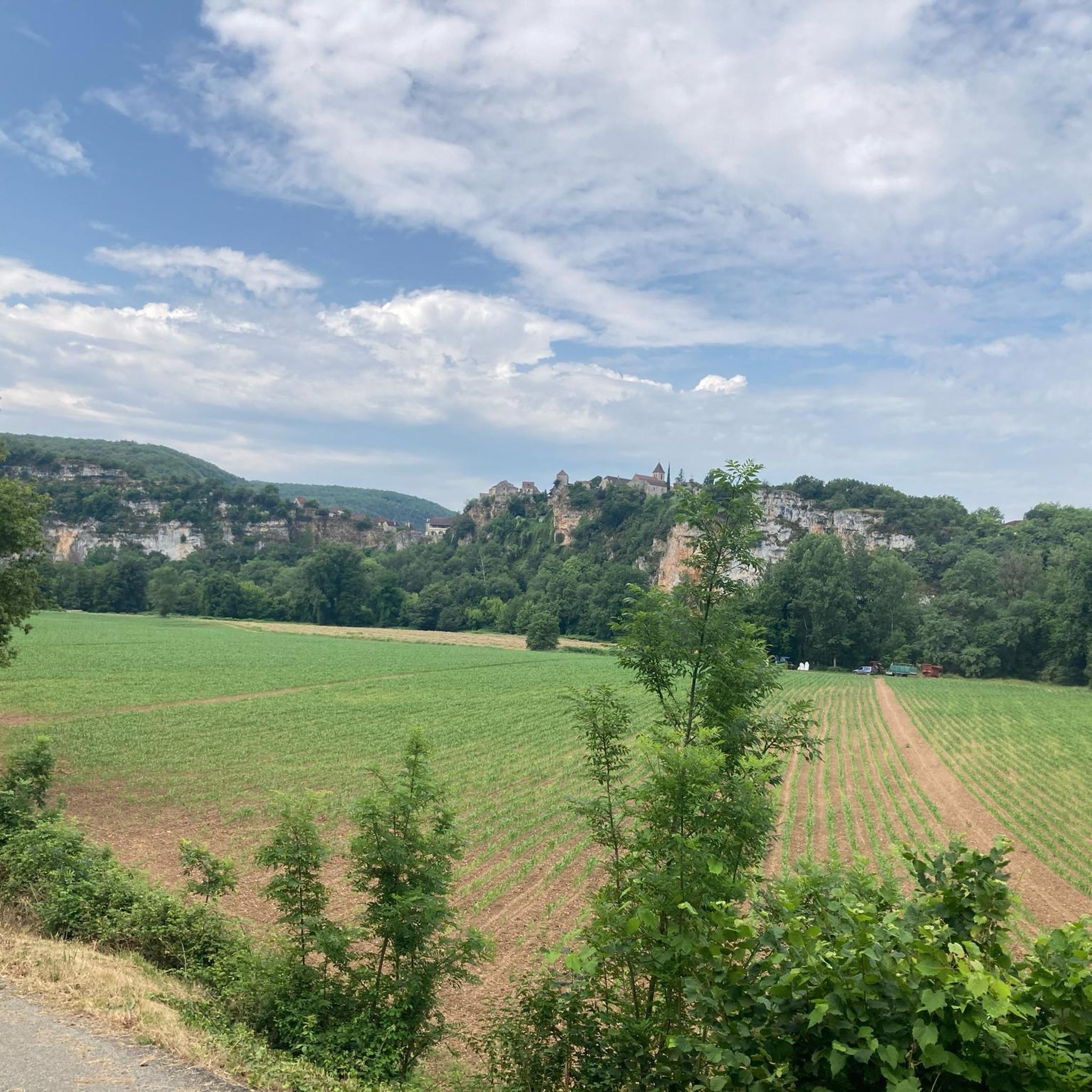
Road cycling around Planioles offers diverse terrain within the Lot department, characterized by rolling green landscapes, limestone plateaus of the Causses du Quercy, and scenic river valleys. The region provides a mix of flatter sections and more challenging climbs, making it suitable for various cycling preferences. Planioles serves as a base for exploring the Lot Valley, with routes often following the Lot River and passing through historical villages.
Best road cycling routes around Planioles
- The most popular road cycling route…
Last updated: November 15, 2026
4.8
(4)
90
riders
77.5km
03:28
750m
750m
Moderate road ride. Good fitness required. Mostly well-paved surfaces and easy to ride.
4.7
(3)
186
riders
102km
04:29
900m
900m
Hard road ride. Very good fitness required. Mostly well-paved surfaces and easy to ride.

5.0
(2)
66
riders
54.0km
02:30
620m
620m
Moderate road ride. Good fitness required. Mostly well-paved surfaces and easy to ride.
4.3
(3)
98
riders
51.3km
02:13
370m
370m
Moderate road ride. Good fitness required. Some segments of this route may be unpaved and difficult to ride.
5.0
(1)
57
riders
68.2km
03:17
890m
890m
Moderate road ride. Good fitness required. Mostly well-paved surfaces and easy to ride.
Get access to more routes and recommendations from other explorers.
Already have an account?
Our route recommendations are based on thousands of hikes, rides, and runs completed by other people on komoot.
Start today with a free account
Your next adventure awaits.



Tips from the Community

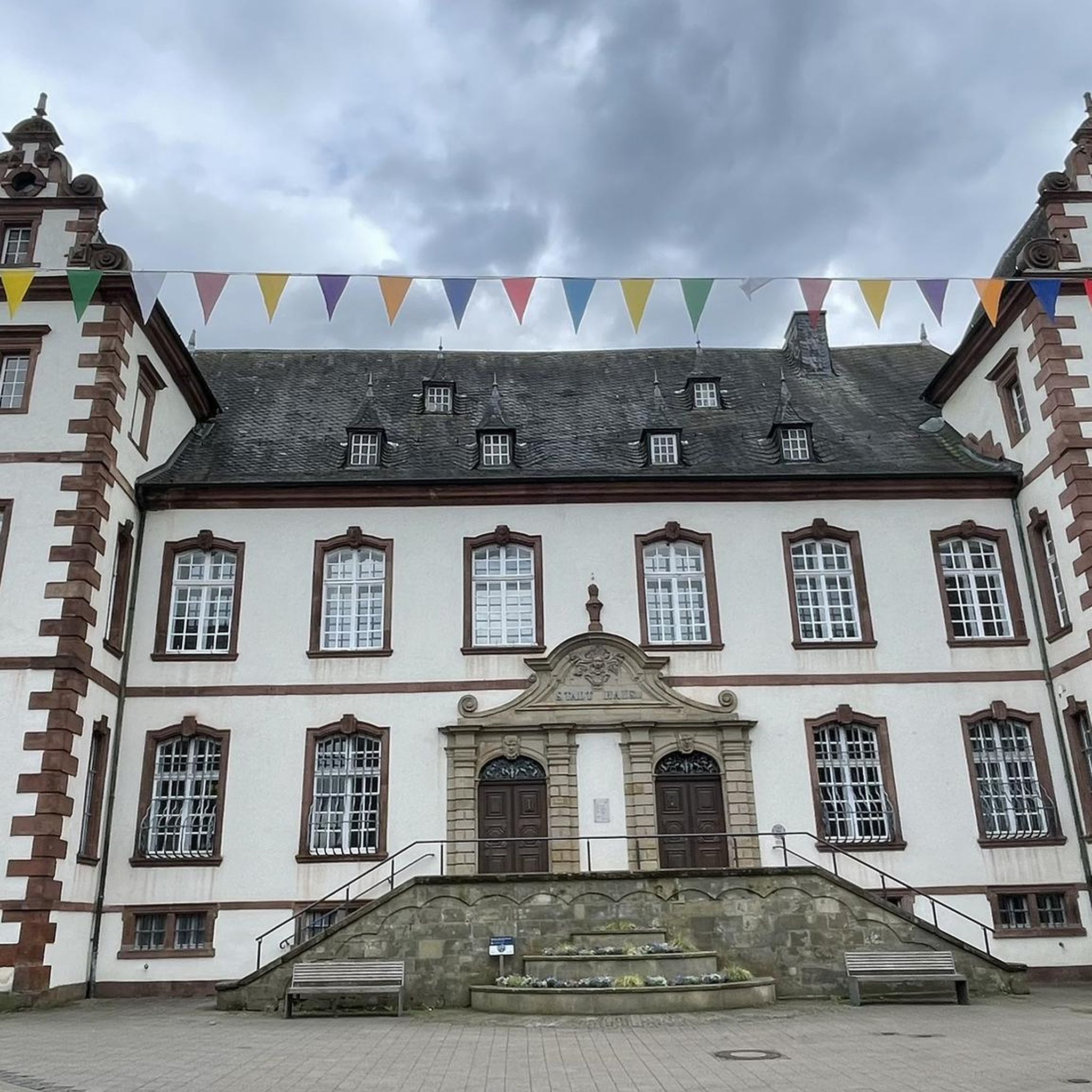
Heritage and main monuments The Church of the Holy Sepulchre: A building combining a primitive Romanesque nave (inspired by the Holy Sepulchre in Jerusalem in the 11th century) and a Gothic extension (13th–14th centuries). Inside, 14th-century wall paintings illustrate the legend of the "Hanged-Unhanged" linked to the pilgrimage to Santiago de Compostela. The gate towers: Witnesses to the city's ancient fortifications, including the Cardalhac tower and the Soubirane tower (the upper gate built at the end of the 15th century). Civil architecture: More than 55 remarkable residences from the 14th and 15th centuries, including the Maison des Consuls. The Jean-Marie Périer Gallery: A cultural space housed in a bastide house, exhibiting photographs from the 1960s and 1970s.
0
0
Two unique urban structures La sauveté (11th century): An initial historical core with narrow and winding alleys, developed around religious protection. The bastide (13th century): Founded by Count Raymond VII, it features a regular grid plan organized around a large square with arcades (place des Conques).
0
0
Heritage and main monuments L’église du Saint-Sépulcre (Church of the Holy Sepulchre): A building combining a primitive Romanesque nave (inspired by the Holy Sepulchre of Jerusalem in the 11th century) and a Gothic extension (13th–14th centuries). Inside, 14th-century wall paintings illustrate the legend of the "Hanged-Unhanged" linked to the pilgrimage of Saint-Jacques-de-Compostelle. The gate towers: Witnesses to the city's ancient fortifications, including the Tour Cardalhac and the Tour Soubirane (porte d'Amont built at the end of the 15th century). Civil architecture: More than 55 remarkable residences from the 14th and 15th centuries, including the Maison des Consuls. The Jean-Marie Périer Gallery: A cultural space installed in a house in the bastide, exhibiting photographs from the 1960s and 1970s.
0
0
Two unique urban structures La sauveté (11th century): An initial historical core with narrow and winding alleys, developed around religious protection. La bastide (13th century): Founded by Count Raymond VII, it features a regular grid plan organized around a large square with arcades (place des Conques).
0
0
In Figeac, the river leaves a narrow valley to enter a more open plain, offering landscaped walks along its quays and around the natural area of the Surgié site.
0
0
A self-guided discovery trail of about 2.6 km and 30 stops to explore the cobbled alleys, sculpted facades, half-timbered houses, and private mansions from the 13th to the 17th centuries. Musée Champollion – Les Écritures du Monde La Place des Écritures L'Abbaye Saint-Sauveur L'Église Notre-Dame-du-Puy Le Château du Viguier du Roy The traditional market
0
0
A self-guided discovery trail of approximately 2.6 km and 30 stops to explore the cobbled alleys, sculpted facades, half-timbered houses, and private mansions from the 13th to the 17th centuries. The Champollion Museum – The World's Writings The Place des Écritures Saint-Sauveur Abbey Notre-Dame-du-Puy Church Château du Viguier du Roy The traditional market
0
0
A self-guided discovery trail of about 2.6 km and 30 stops to explore the cobbled alleys, sculpted facades, half-timbered houses, and private mansions from the 13th to the 17th centuries. The Champollion Museum – The World's Writings The Place des Écritures Saint-Sauveur Abbey Notre-Dame-du-Puy Church Château du Viguier du Roy The traditional market
0
0
Frequently Asked Questions
What kind of terrain can I expect when road cycling around Planioles?
The region around Planioles, located in the Lot department, offers a diverse topography for road cyclists. You'll encounter a mix of rolling green landscapes, the distinctive limestone plateaus of the Causses du Quercy, dramatic cliffs, and scenic river valleys. This variety provides both flatter sections for more relaxed rides and challenging climbs for experienced cyclists.
Are there many road cycling routes available near Planioles?
Yes, there are over 260 road cycling routes around Planioles. These routes cater to various skill levels, with a good mix of moderate and difficult options, ensuring there's something for every road cyclist.
What are some notable natural features or landscapes I'll see on road cycling routes in this area?
Road cycling routes often follow the Lot River, offering refreshing riverside experiences. You'll also traverse the limestone plateaus of the Causses du Quercy, known for their unique dry stone huts (caselles and gariottes), and pass through lush green valleys. The region's natural heritage is a significant part of the cycling experience.
Are there any family-friendly road cycling options around Planioles?
While many routes are moderate to difficult, the region's focus on river valleys and well-established cycling paths like sections of the Véloroute Vallée du Lot (V86) can offer more accessible sections. For a generally moderate ride, consider the Espagnac Sainte-Eulalie – Faycelles loop from Figeac, which is under 50 km and passes through picturesque villages.
What historical sites or picturesque villages can I visit along the road cycling routes?
The area is rich in history and charming villages. You can cycle to Figeac, a 'City of Art and History' just 4 km from Planioles, or visit Faycelles, known for its views. Further afield, along the Lot Valley, you might encounter villages like Saint-Cirq Lapopie, Cajarc, or Cahors, all offering medieval charm and cultural immersion.
Are there any circular road cycling routes starting near Planioles?
Yes, many routes are designed as loops, allowing you to start and finish in the same location. For example, the Lot and Célé Valleys Loop from Figeac is a popular circular route exploring two scenic river valleys.
What do other road cyclists think about the routes around Planioles?
The road cycling routes around Planioles are highly regarded by the komoot community, with an average rating of 4.5 stars from over 60 reviews. Cyclists often praise the varied terrain, the scenic river valleys, and the charming villages encountered along the way.
Is there a long-distance cycling route accessible from Planioles?
Yes, Planioles is well-positioned to access the Véloroute Vallée du Lot (V86), a signposted route that follows the Lot River. This route spans 210 km within the region and extends up to 430 km, offering a fantastic option for long-distance cycling through vineyards, orchards, and preserved landscapes.
What are some points of interest or landmarks to look out for on a road cycling tour?
Beyond the picturesque villages like Figeac and Faycelles, you might spot historical structures such as the Château de Béduer. The region's natural heritage, including the distinctive dry stone huts (caselles and gariottes) in the Causses du Quercy, also serves as interesting landmarks.
Are there any routes that offer views of cliffs or dramatic landscapes?
Absolutely. The Lot department is known for its dramatic cliffs and river gorges. Routes that follow the Lot River, especially near areas like Bouziès and Saint-Cirq-Lapopie, offer stunning views of cliffs and unique features like the historic towpath carved into the rocks.
What is the best time of year for road cycling in Planioles?
While specific seasonal data isn't provided, the region's diverse landscapes and river valleys suggest that spring and autumn would offer pleasant temperatures and beautiful scenery for road cycling, avoiding the peak heat of summer and potential winter chill.
Can I find routes that connect multiple towns or villages?
Many routes are designed to connect various towns and villages, allowing cyclists to experience the local culture and amenities. For instance, the Larroque-Toirac – Cajarc town centre loop from Figeac connects several towns and offers views of the Lot River.
Most popular attractions around Planioles

Get inspired with the komoot mobile app


Explore more
Browse the best Road cycling routes in other regions.
