Attractions and Places To See around Auxey-Duresses - Top 20
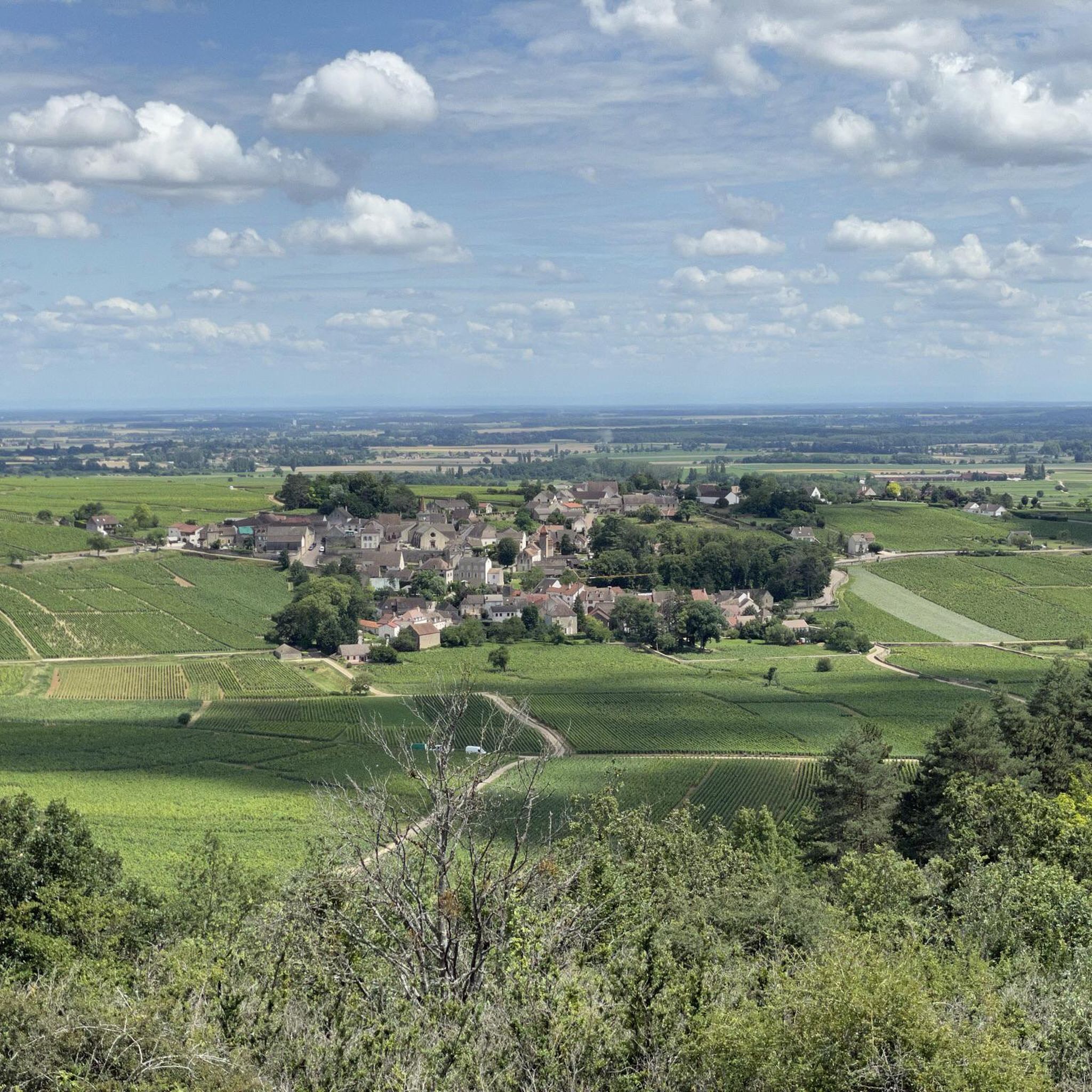
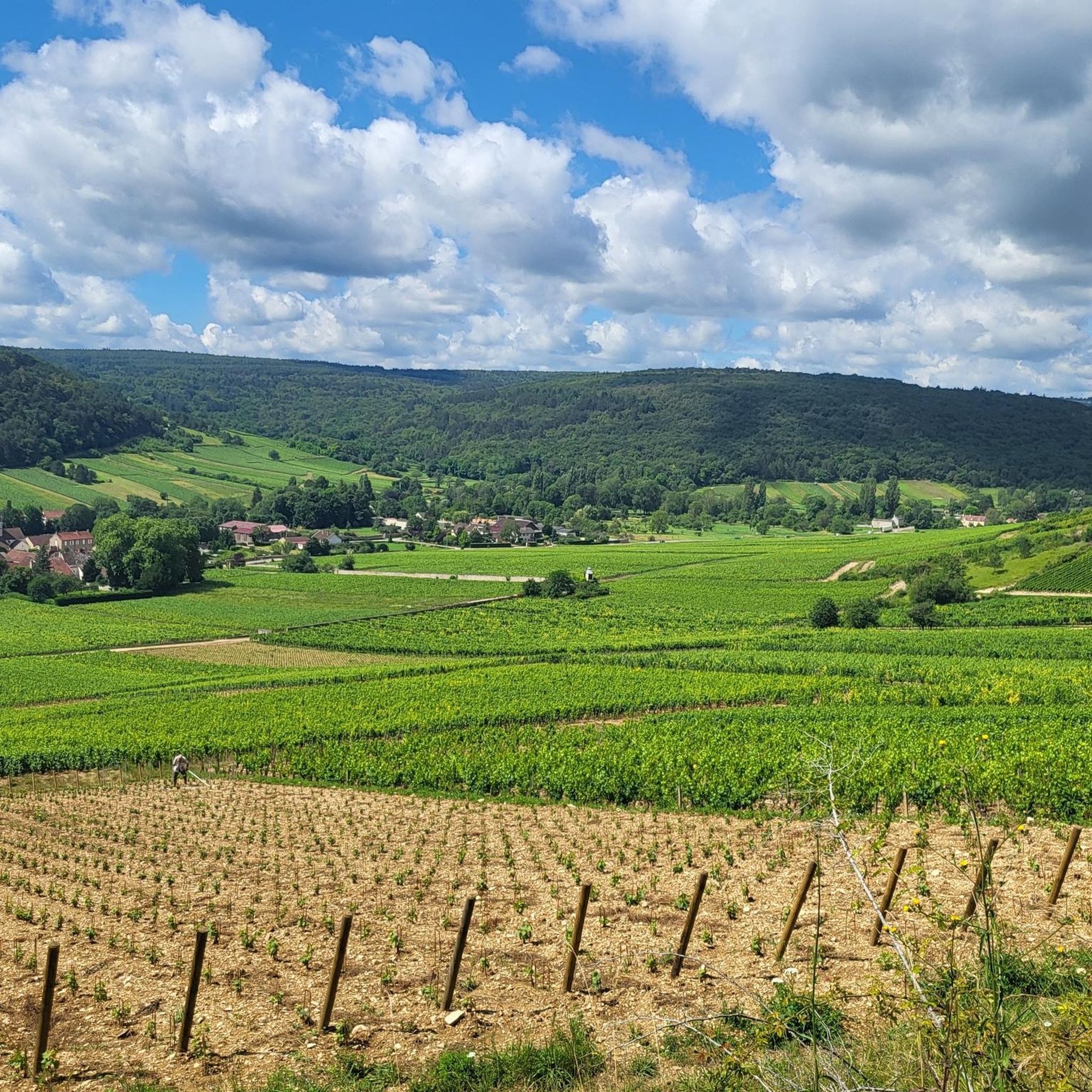
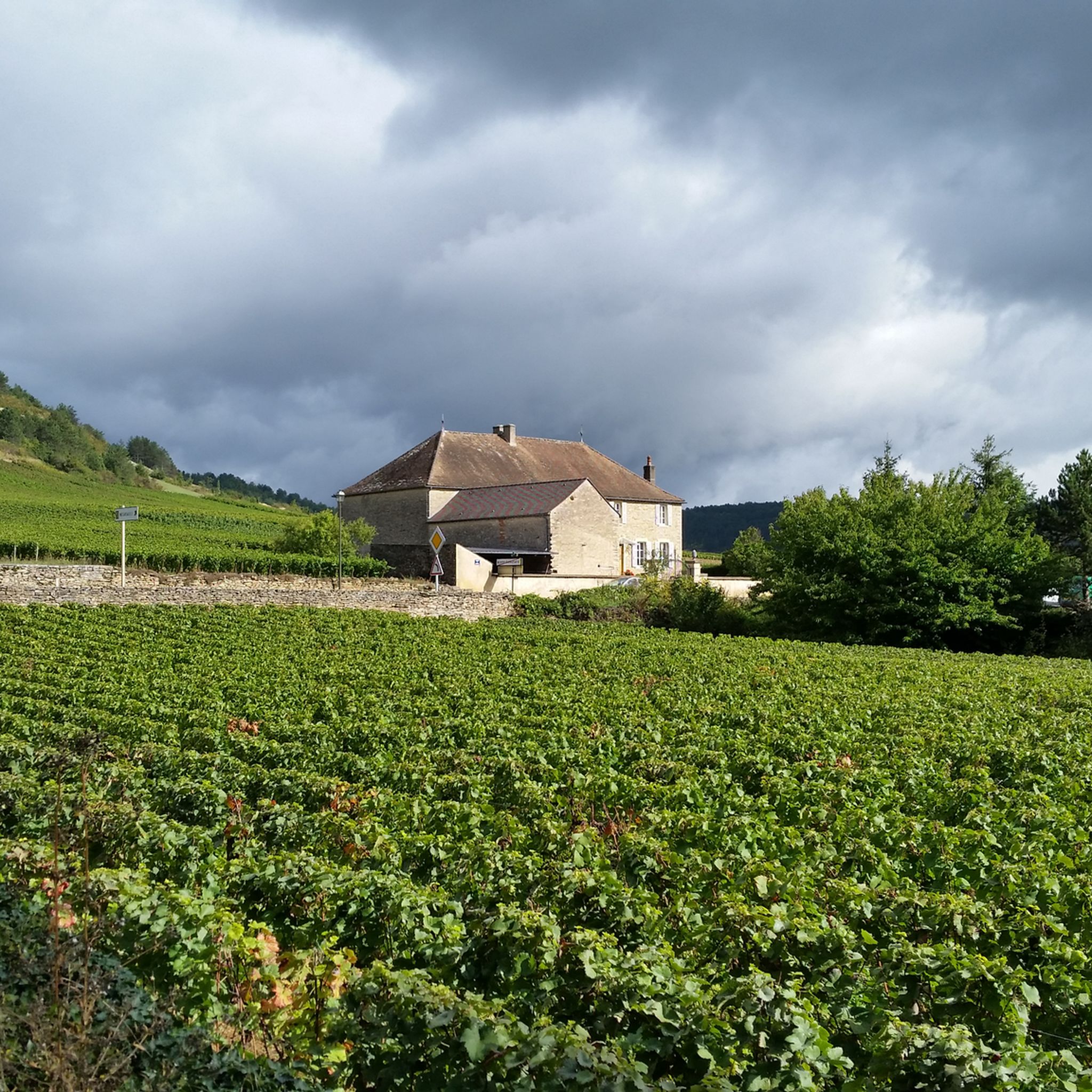
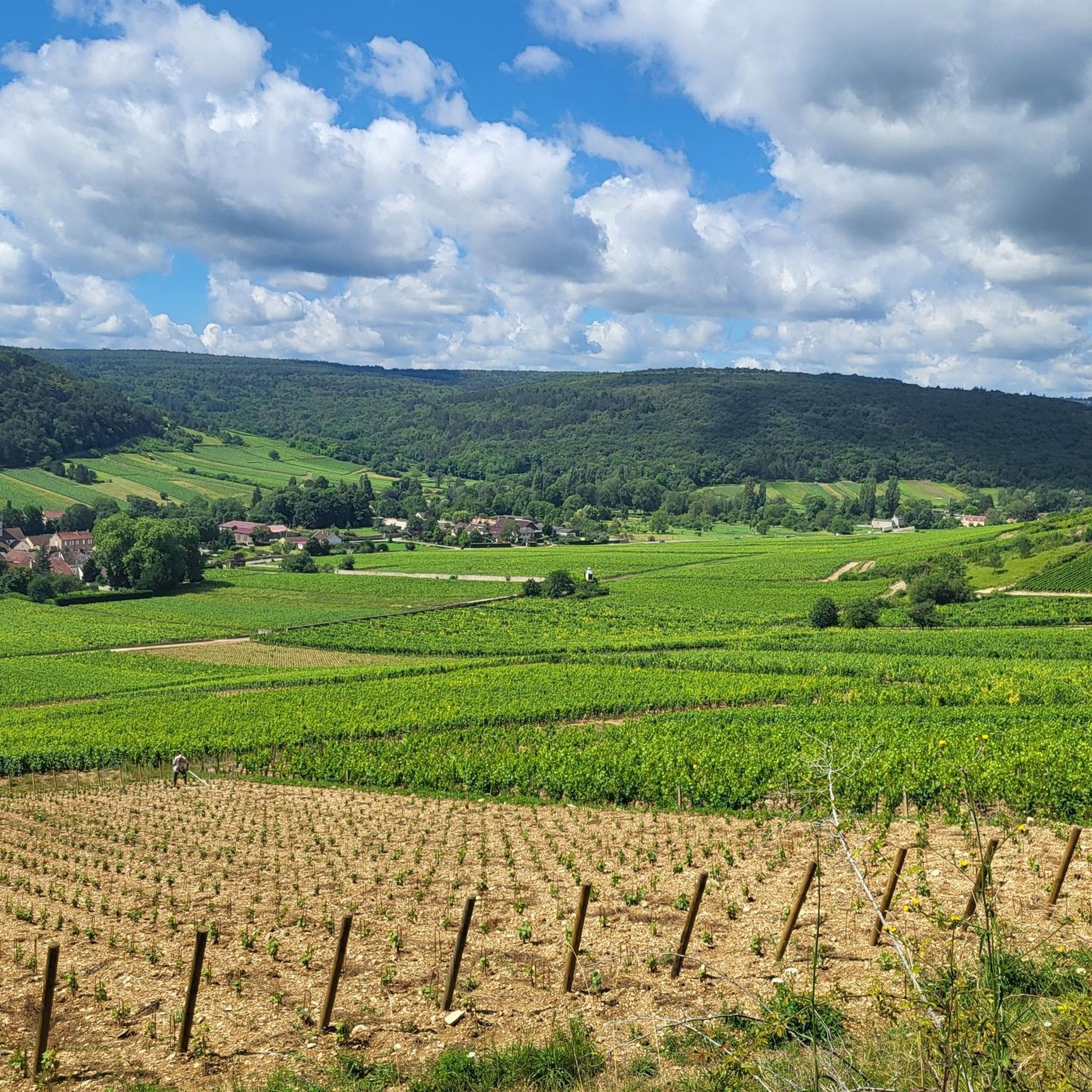
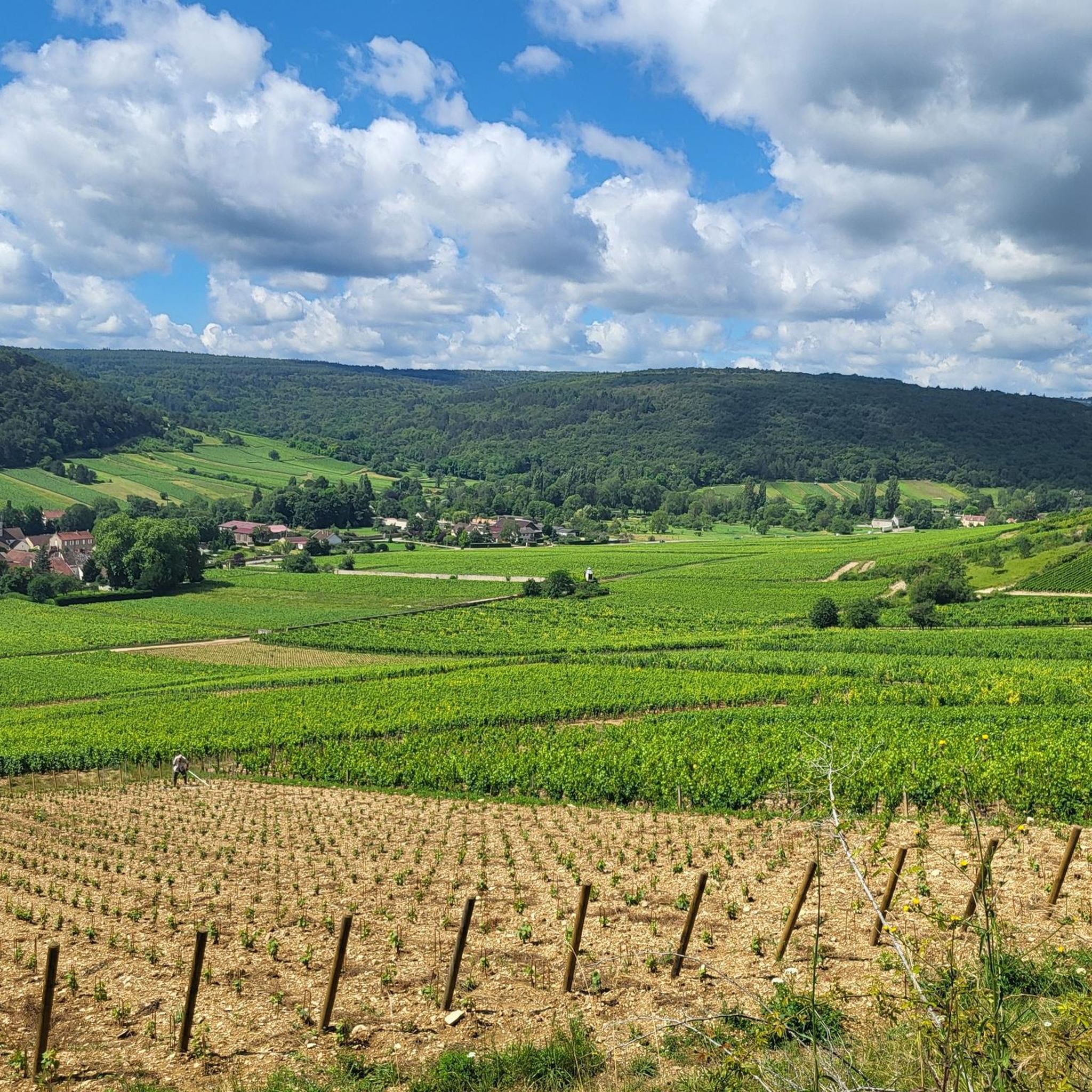
Best attractions and places to see around Auxey-Duresses include a blend of historical sites, cultural heritage, and renowned vineyards. This charming village is nestled in Burgundy's Côte de Beaune, characterized by an extensive vineyard landscape and rugged, forested terrain. The region features a central valley with farmland, flanked by mountains like Montagne de Savoie and Montagne de Bourdon. Its geology primarily consists of limestone with pebbly marls, contributing to its viticultural significance.
Best attractions and places to see around Auxey-Duresses
- The most popular attractions is Route des Grands Crus Cycle Path, a cycle_way that runs for approximately 60 kilometers along the Côte d'Or escarpment. It passes through many of Burgundy's wine appellations, connecting Dijon to Santenay.
- Another must-see spot is Route des Grands Crus, a cycle_way that traverses many great Burgundy wine appellations. This route allows visitors to explore the vineyards of the Côte de Nuits and the Côte de Beaune.
- Visitors also love Hôtel-Dieu Museum - Hospices de Beaune, a historical_site and museum. This 15th-century hospital foundation is known for its flamboyant Gothic architecture, polychrome roofs, and a 60-hectare wine estate.
- Auxey-Duresses is known for its historical churches, ancient cult sites, and extensive vineyards. The area offers a variety of cultural and natural attractions to see and explore, from 12th-century religious heritage to Gallo-Roman sites.
- The attractions around Auxey-Duresses are appreciated by the komoot community, with more than 600 upvotes and over 50 photos shared.
Last updated: May 9, 2026
Route des Grands Crus
Highlight (Segment) • Cycleway
Translated by Google •
Tip by

Route des Grands Crus Cycle Path
Highlight (Segment) • Cycleway
Tip by

Sign up now to discover places like this
Get recommendations on the best single tracks, peaks, & plenty of other exciting outdoor places.
Sign up for free
Hôtel-Dieu Museum - Hospices de Beaune
Highlight • Museum
Translated by Google •
Tip by
Meursault Castle
Highlight • Castle
During the Second World War, Meursault was very close to the free zone. It is for this reason that part of the plot of the famous fictional film La Grande Vadrouille is located in Meursault, where the heroes of the film will try to cross the line of demarcation.
fr.wikipedia.org/wiki/Meursault
Translated by Google •
Tip by
Hospiz von Beaune
Highlight • Other
Translated by Google •
Tip by

Sign up for free to discover even more attractions around Auxey-Duresses.
Sign up for free
Already have an account?
Start today with a free account
Your next adventure awaits.
Login or Signup

Tips from the Community

The historic hospital is a must-see
2
0

Meursault: a beautiful wine-growing village, the town hall and its Burgundian rooftops are not to be missed. Fun fact: scenes from The Great Stroll were filmed in Meursault.
0
0

The Hôtel-Dieu is a former hospital in Beaune. It was founded in 1443 and used as a hospital until 1971. The Hôtel-Dieu is now part of the Hospices Civils de Beaune complex. Today, parts of the old complex are used as a retirement home, while the rest can be visited as a museum, providing interesting insights into nursing in the early modern period.
12
0
This 15th century hospital is a must-see; the impressions are overwhelming.
7
0

Hospices of Beaune
2
0

Known for its polychrome roofs made of glazed tiles, the Hôtel-Dieu is one of the rare examples of civil architecture from the end of the Middle Ages. It is also a high place of memory of hospital history.
7
0
The History of the Hospices Civils de Beaune began in 1443 with the desire of Nicolas Rolin and Guigone de Salins to build a hospital. Imagined as a "palace for the poor", the charitable institution entrusted by donors to the good care of the Dames Hospitalières remained in activity until the early 1970s, before a modern hospital, more adapted to the evolution of care , is built on the outskirts of the historic center of Beaune. Known for its polychrome roofs made of glazed tiles, the Hôtel-Dieu is one of the rare testimonies of civil architecture from the end of the Middle Ages. It is also a high place of memory of hospital history.
8
0
Imagined as a "palace for the poor", the charitable institution entrusted by donors to the good care of the Dames Hospitalières remained in activity until the early 1970s, before a modern hospital, more adapted to the evolution of care , is built on the outskirts of the historic center of Beaune.
10
1
Frequently Asked Questions
What historical sites can I explore in and around Auxey-Duresses?
Auxey-Duresses is rich in history. You can visit the 12th-century Church of Petit-Auxey and the 14th-century Church of Saint-Martin, which houses 17th-century paintings and a 16th-century triptych. The village also features a 15th-century cemetery and several 19th-century public laundries (lavoirs). Nearby, the impressive Hôtel-Dieu Museum - Hospices de Beaune offers a glimpse into 15th-century hospital life with its flamboyant Gothic architecture. The region also has an ancient Druidic cult site and a Gallo-Roman site on Mont-Melian.
Are there any castles or châteaux to visit near Auxey-Duresses?
Yes, the region boasts several notable châteaux. The stunning neo-Gothic Château de la Rochepot, originally built in 1180, is a short distance away and features beautiful glazed Burgundy tiles. You can also find the 16th-century Château de Melin in the hamlet of Melin, which often offers wine tastings. Additionally, the Meursault Castle, though redesigned as a town hall, has a rich history dating back to 1337.
What natural landscapes define the Auxey-Duresses area?
The most prominent natural feature is the extensive vineyard landscape, situated on a limestone ridge of the Côte de Beaune. The area has a continental climate, ideal for viticulture, with soil primarily composed of limestone and pebbly marls. The commune features a central valley with farmland, while the north and south are characterized by rugged and heavily forested terrain. The Montagne de Savoie and Montagne de Bourdon dominate the landscape, offering scenic views.
What cycling opportunities are available to explore the vineyards?
You can explore the vineyards by cycling the famous Route des Grands Crus Cycle Path. This approximately 60-kilometer route runs along the Côte d'Or escarpment, connecting Dijon to Santenay, and passes through many of Burgundy's renowned wine appellations. Another segment of this route is the Route des Grands Crus, which also takes you through the vineyards of the Côte de Nuits and the Côte de Beaune. For more cycling routes, check out the Cycling around Auxey-Duresses guide.
Are there family-friendly attractions or activities in Auxey-Duresses?
Yes, several attractions are suitable for families. The Hôtel-Dieu Museum - Hospices de Beaune is considered family-friendly, offering an engaging historical experience. Exploring the vineyards along the Route des Grands Crus Cycle Path can also be a pleasant family activity. The historical châteaux and churches provide educational outings for older children, and the natural landscapes offer opportunities for gentle walks.
What kind of wines is Auxey-Duresses known for?
Auxey-Duresses is a significant wine-growing commune within the Côte de Beaune, renowned for producing both red and white wines. The red wines are primarily made from Pinot Noir grapes, while the white wines are crafted from Chardonnay. The appellation includes nine premier cru sites, such as Climat du Val, La Chapelle, and Les Duresses, indicating high-quality production.
Where can I experience wine tastings in Auxey-Duresses?
Many local domaines in Auxey-Duresses offer wine tastings. The Château de Melin is one such historical establishment where visitors can often enjoy tasting Burgundy wines. Another notable place is Clos du Moulin aux Moines, which dates back to the 10th century and provides an authentic wine experience. You can also look out for local wine festivals like "Coup d'Œil, Coup de Cœur" for broader tasting opportunities.
What hiking trails are available near Auxey-Duresses?
There are several hiking trails around Auxey-Duresses that allow you to explore the scenic vineyards and forested areas. Popular routes include the 'Clos d'Auxey-Duresses – Saint-Romain Church loop' and the 'Sentier des Cabottes – Point de vue loop'. These trails offer moderate difficulty and provide beautiful views of the region. For more detailed information and routes, refer to the Hiking around Auxey-Duresses guide.
Are there mountain biking trails in the Auxey-Duresses area?
Yes, mountain biking enthusiasts can find challenging trails around Auxey-Duresses. Routes like 'Le Petit Auxey – La Rochepot Castle loop' and 'Le Petit Auxey – DRACY, 15th-century ruins loop' offer difficult terrain for experienced riders. There are also moderate and easy options available. You can find more details on these and other routes in the MTB Trails around Auxey-Duresses guide.
What is the best time of year to visit Auxey-Duresses for outdoor activities?
The region experiences a continental climate with warm, dry summers and cool, extended winters. For outdoor activities like cycling and hiking, late spring (May-June) and early autumn (September-October) are generally ideal. During these periods, the weather is pleasant, and the vineyards are either blooming or showcasing their vibrant autumn colors, offering picturesque scenery.
What makes the Hospices de Beaune a significant attraction?
The Hôtel-Dieu Museum - Hospices de Beaune is one of France's most prestigious historical monuments. This 15th-century hospital foundation is celebrated for its flamboyant Gothic architecture, distinctive polychrome roofs, and its significant 60-hectare wine estate. It offers a unique insight into medieval charity and medicine, making it a must-see for history and architecture enthusiasts.
Can I find viewpoints to appreciate the landscape around Auxey-Duresses?
Absolutely. The extensive vineyard landscape itself offers numerous scenic vistas, especially from elevated points along the limestone ridge. The Route des Grands Crus and its cycle path segments provide many opportunities for panoramic views of the vineyards and surrounding villages. The forested mountains like Montagne de Savoie and Montagne de Bourdon also offer elevated perspectives of the valley.
Most popular routes around Auxey-Duresses
Most popular attractions around Auxey-Duresses

Get inspired with the komoot mobile app


Explore more
Still not found the Highlight you’re looking for? See guides of the top attractions in other regions:
