Attractions and Places To See around Arganchy - Top 20
Best attractions and places to see around Arganchy, a commune in the Calvados department of Normandy, France, offers a tranquil setting. The area provides access to significant historical and cultural sites, particularly in nearby Bayeux and along the D-Day landing beaches. A small stream, the Gourguichon, is a notable natural feature within the village. The region is characterized by its historical significance and natural landscapes.
Best attractions and places to see around Arganchy
- The most popular attractions is Historic Center…
Last updated: October 10, 2026
Historic Center of Bayeux
Highlight • Historical Site
Translated by Google •
Tip by

Notre-Dame Cathedral
Highlight • Religious Site
Translated by Google •
Tip by

Sign up now to discover places like this
Get recommendations on the best single tracks, peaks, & plenty of other exciting outdoor places.
Coisel Mill
Highlight • Other
Translated by Google •
Tip by

Half-timbered house on Rue des Cuisiniers
Highlight • Other
Tip by
Town Hall
Highlight • Settlement
Translated by Google •
Tip by
Sign up for free to discover even more attractions around Arganchy.
Already have an account?
Start today with a free account
Your next adventure awaits.


Tips from the Community

A very striking half-timbered house, fits nicely into the little street.
0
0

The Maison à pans de bois de la rue des Cuisiniers is a famous medieval half-timbered building located in Bayeux, Normandy. Dating from the 14th and 15th centuries, it features an overhanging structure and remarkably well-preserved wooden facades. Located in the most authentic and medieval district of the city, the eponymous street was historically the haunt of the cooks' and roasters' guilds. The historic building has had many lives: it successively housed a shop, an inn, a restaurant called Le Loge à pieds (until the early 20th century), and even served as a tourist office.
0
0
Il Mulino di Coisel (known in French as Moulin de Coisel) is a historic watermill located in Bayeux, in the Normandy region of France. This charming building represents an ancient testament to the local artisanal and industrial tradition, harnessing the water power of the river Aure.
0
0

Nowadays, very few mills are still in operation in their original function, but they appear to hikers and cyclists along the river as technical and historical monuments of an ancient craft tradition: solely through human ingenuity and the natural power of flowing water as driving energy, the heavy millstones inside were moved and thus, for example, grain kernels could be ground into flour (so-called grain mills) or oil could be pressed from fruits (e.g. olives) (so-called oil mills).
2
0

Notre-Dame de Bayeux Cathedral An imposing Gothic cathedral, consecrated in 1077. William the Conqueror is said to have been present here.
5
0


Lovely town, if you have time go to the tapestry
3
0
Frequently Asked Questions
What historical sites can I visit near Arganchy?
The area around Arganchy is rich in history, particularly related to the D-Day landings and medieval Normandy. You can explore the Historic Center of Bayeux, known for its preserved medieval architecture. Other significant sites include the Longues-sur-Mer Battery, a German coastal artillery battery, and the poignant Omaha Beach, where you can still see remnants of German fortifications and visit the Omaha Beach Memorial.
Are there any significant religious buildings to see?
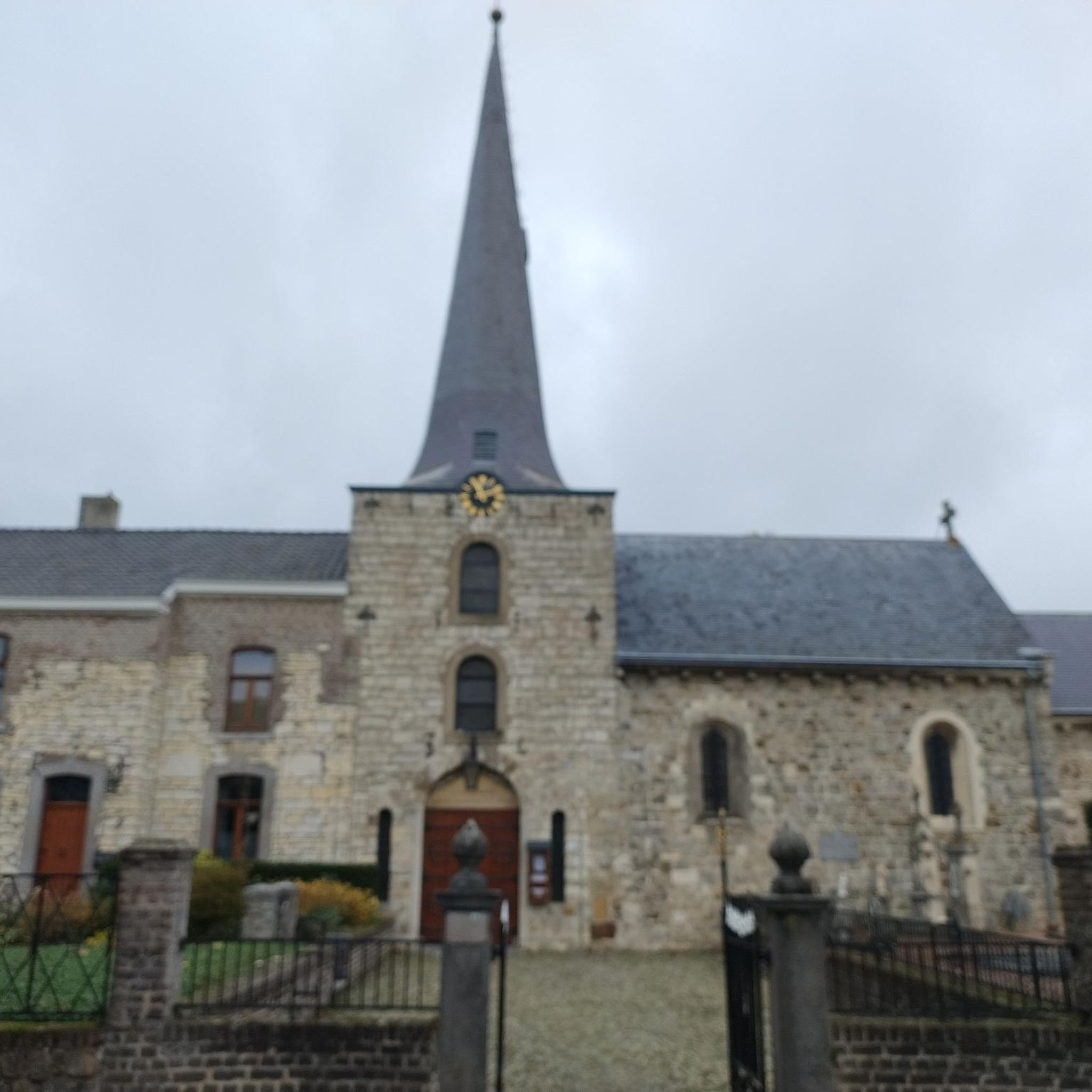
Yes, the most prominent religious site is the magnificent Notre-Dame Cathedral in Bayeux, consecrated in 1077. It's a stunning example of Roman Catholic architecture, rebuilt in the Gothic style. Within Arganchy itself, you can find the local Église Sainte-Radegonde d'Arganchy.
What museums are there to learn about the region's history?
To delve into the region's past, visit the Bayeux Tapestry Museum, which houses the famous embroidered cloth depicting the Norman conquest of England. For D-Day history, the Museum of the Battle of Normandy in Bayeux, the D-Day Museum in Arromanches-les-Bains, and the Overlord Museum in Colleville-sur-Mer offer in-depth insights into the 1944 events.
Can I find family-friendly attractions around Arganchy?
Absolutely. The Historic Center of Bayeux is family-friendly with its charming streets and historical buildings. For more active pursuits, Bayeux Aventure in Cussy offers an adventure park experience. The Petit Train Touristique de Bayeux provides a fun, electric train tour of Bayeux's heritage, including its historic streets and monuments.
What natural features are there in Arganchy itself?
Arganchy features a small stream called the Gourguichon. This stream divides into three smaller ones—those of Saint Amator, Les Cayennes, and L'Abbaye—before flowing into the Drôme river. Historically, a small mill known as 'des Doguets' once existed at the point where the Gourguichon divides.
Are there opportunities for hiking or walking near Arganchy?
Yes, there are several hiking opportunities. You can find routes like the 'Cambre Castle loop from Saint-Loup-Hors' or the 'Manoir du Pont-Senot loop from Noron-la-Poterie'. For more options, explore the hiking guide for Arganchy, which includes various trails suitable for different skill levels.
What about cycling or gravel biking routes?
The region offers excellent routes for cycling and gravel biking. You can find challenging gravel routes such as the 'Gold Beach - Arromanches loop from Bayeux' or the 'Historic Center of Bayeux – Longues-sur-Mer Battery loop from Bayeux'. Discover more routes in the gravel biking guide for Arganchy.
Where can I experience the D-Day history firsthand?
To experience D-Day history, visit Omaha Beach in Saint-Laurent-sur-Mer, a famous landing beach with remnants of German fortifications and a memorial. The Longues-sur-Mer Battery is another key site. For an immersive experience, the Arromanches 360° Circular Cinema offers a cinematic recount of the landings.
What is the <a href="https://www.komoot.com/highlight/3875956" target="_blank" rel="noopener">Coisel Mill</a> and why is it notable?
The Coisel Mill is a beautiful water mill, representing an ancient craft tradition. These mills used the natural power of flowing water to operate heavy millstones, grinding grain or pressing oil. It stands as a historical monument to human ingenuity and traditional craftsmanship.
What makes the <a href="https://www.komoot.com/highlight/5656414" target="_blank" rel="noopener">Historic Center of Bayeux</a> a must-see?
The Historic Center of Bayeux is a must-see because it was the first town liberated without destruction during World War II, preserving its medieval charm. It features numerous historic buildings with half-timbering and the impressive Notre-Dame Cathedral, offering a glimpse into a well-preserved medieval cityscape.
Are there any unique cultural experiences in Bayeux?
Beyond its historical sites, Bayeux offers unique cultural experiences. You can take the Petit Train Touristique for a guided tour of the city's heritage. During special events, 'Bayeux Illuminée' provides a guided semi-nocturnal tour through the illuminated historic center, highlighting its essential monuments.
What do visitors particularly enjoy about the attractions around Arganchy?
Visitors particularly enjoy the rich historical context, especially the D-Day sites and the well-preserved medieval atmosphere of Bayeux. The Bayeux Tapestry Museum is often highlighted as a fascinating historical depiction. Many appreciate the blend of historical exploration with opportunities for outdoor activities like walking and cycling in the tranquil Norman countryside.
Is there a specific time of year that is best to visit Arganchy for outdoor activities?
The best time to visit Arganchy for outdoor activities is generally from late spring to early autumn (May to September). During these months, the weather is typically milder and more pleasant for hiking, cycling, and exploring historical sites. Summer offers longer daylight hours, though it can also be the busiest tourist season.
Are there any running trails available near Arganchy?
Yes, for those interested in running, there are several trails nearby. Options include the 'Notre-Dame Cathedral – Bayeux Cathedral loop from Subles' and various 'Running loops from Subles' or 'Guéron'. You can find more detailed routes and information in the running trails guide for Arganchy.
Most popular routes around Arganchy

Get inspired with the komoot mobile app


Explore more
Still not found the Highlight you’re looking for? See guides of the top attractions in other regions:
