Attractions and Places To See around Saint-Sever-Calvados - Top 20
Attractions and places to see around Saint-Sever-Calvados, located in Normandy, France, offer a blend of historical landmarks and natural landscapes. The area is characterized by its expansive forest, the sources of the Siena and Brévogne rivers, and architecture built from blue granite. Visitors can explore sites reflecting the region's defensive past and its natural beauty. Saint-Sever-Calvados is part of the new commune of Noues de Sienne, featuring significant architectural and natural heritage.
Best attractions and places to see around Saint-Sever-Calvados
- The most popular attractions is Motte Castrale and Étang du Vieux Château, a historical site that recalls the area's defensive past. This artificial mound, built in the 11th century, is located in the heart of the Saint-Sever forest and overlooks the Pond of the Old Castle.
- Another must-see spot is Saint-Michel-de-Montjoie, a settlement known for its belvedere from the church and the Park-Museum of Granite. The museum traces the history of the region's "Bleu de Vire" granite, once extensively quarried in the area.
- Visitors also love Bird sanctuary, an ornithological reserve where 86 species of birds have been identified. This 4-hectare reserve is managed by the Norman Ornithological Group, with birds being most numerous from autumn.
- Saint-Sever-Calvados is known for its historical sites, natural features like forests and lakes, and cultural points of interest. The region offers a variety of attractions to see and explore, from ancient defensive structures to wildlife observation areas.
- The attractions around Saint-Sever-Calvados are appreciated by the komoot community, with 8 highlights featuring photos and 10 upvotes.
Last updated: July 29, 2026
Saint-Michel-de-Montjoie
Highlight • Settlement
But the emblematic place of the village is most certainly the park-museum of granite. In the first half of the 20th century, a hundred quarries were exploited on the municipal territory. No wonder Saint-Michel-de-Montjoie was chosen to host this museum which traces the history of the region's granite, Bleu de Vire.
Translated by Google •
Tip by

The roadside cross
Highlight • Other
Translated by Google •
Tip by

Sign up now to discover places like this
Get recommendations on the best single tracks, peaks, & plenty of other exciting outdoor places.
Sign up for free
Villedieu-les-Poêles-Rouffigny Town Center
Highlight • Settlement
Translated by Google •
Tip by

Bird sanctuary
Highlight • Other
Translated by Google •
Tip by
Motte Castrale and Étang du Vieux Château
Highlight • Historical Site
Translated by Google •
Tip by
Sign up for free to discover even more attractions around Saint-Sever-Calvados.
Sign up for free
Already have an account?
Start today with a free account
Your next adventure awaits.
Login or Signup


Tips from the Community

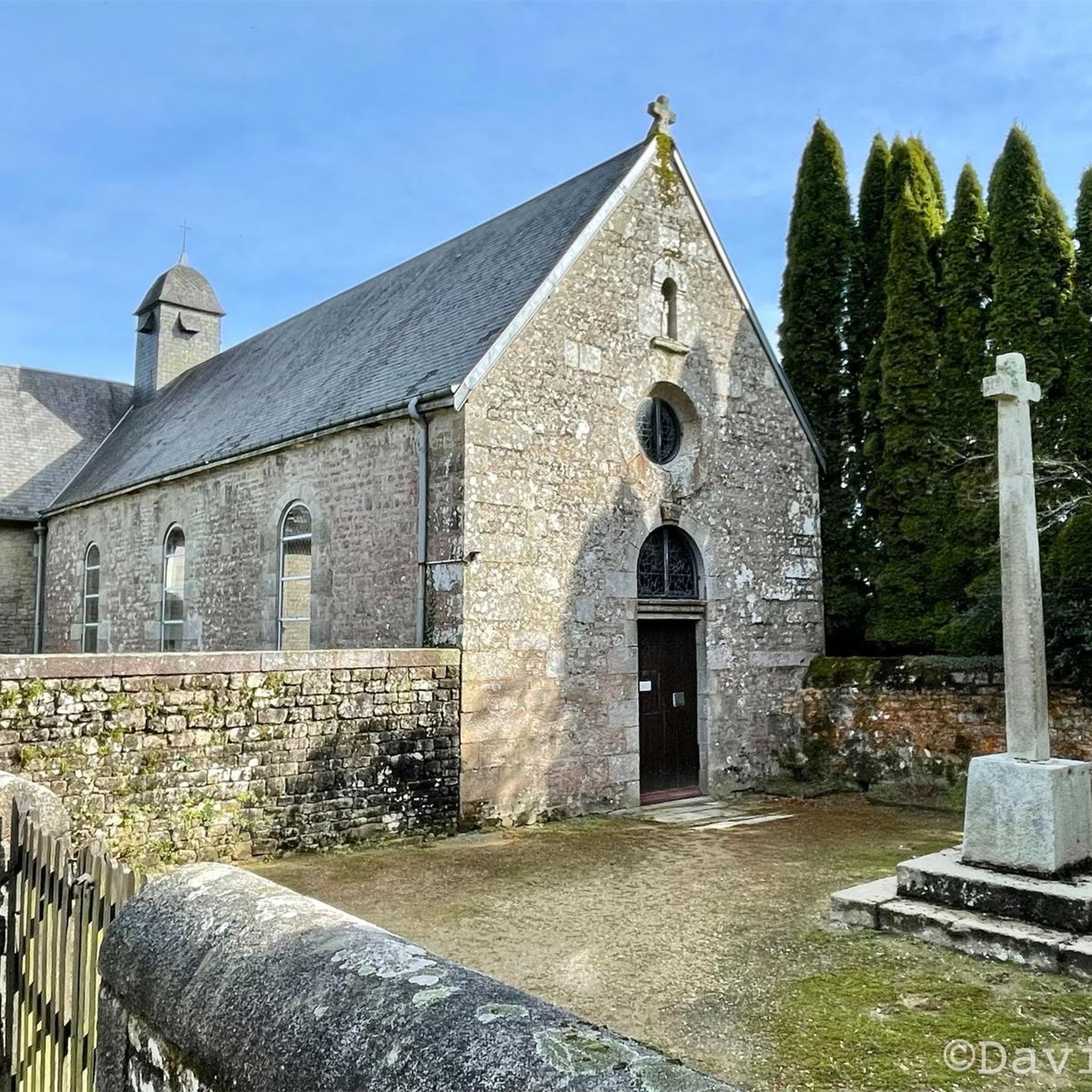
Each of these crosses, which the hiker encounters, clearly visible in the fields or—as here—in the shade of the trees, is a symbol of remembrance of the crucifixion, but also of the resurrection of Jesus Christ. "With us on earth, there is His memory, but in the Kingdom of Heaven is His presence: This presence is the joy of those who have already attained salvation. The memory is our consolation, as we are still wanderers, journeying toward our homeland." (Saint Bernard of Clairvaux, founder of the order and Doctor of the Church)
0
0

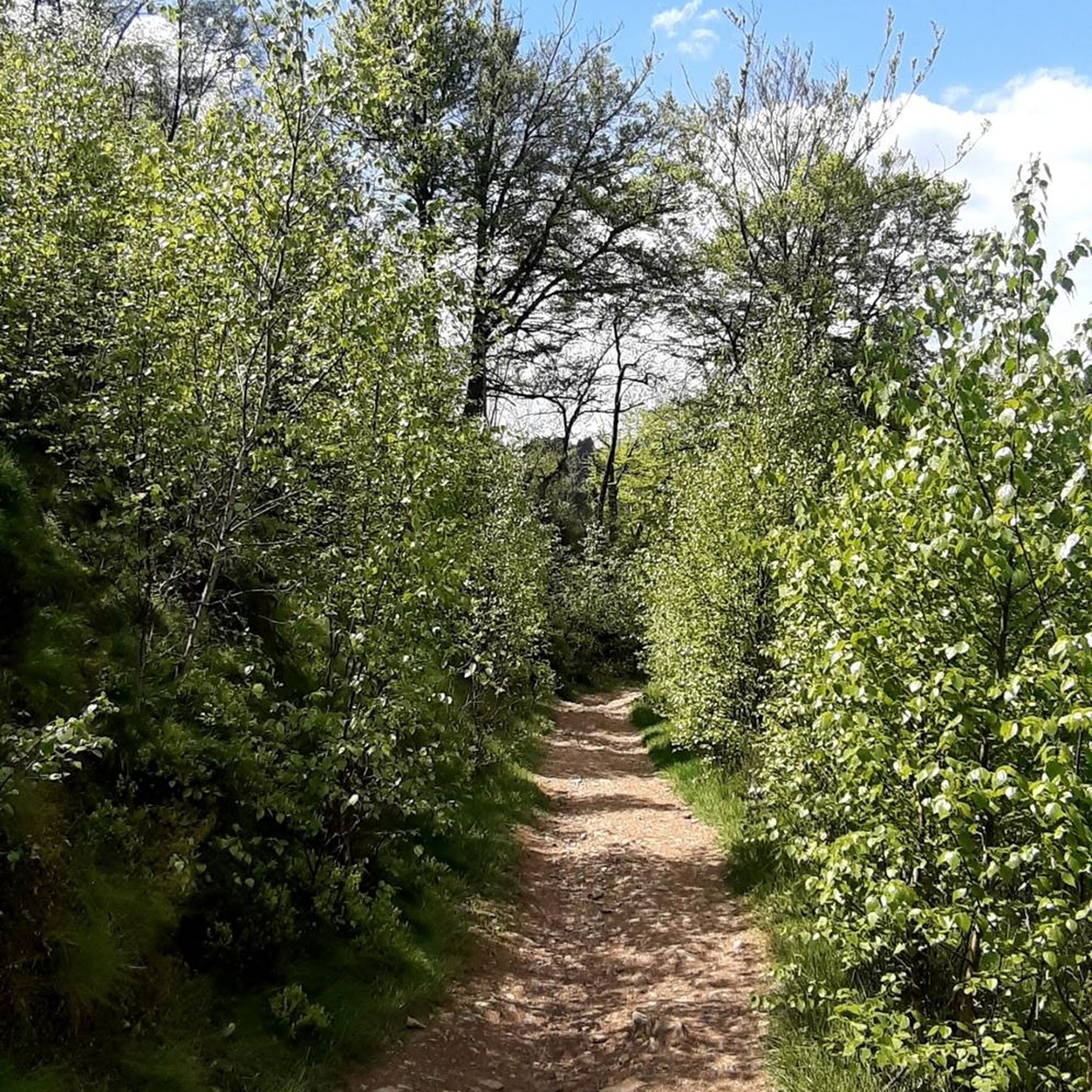
pleasant hike
0
0

A magnificent, symmetrically laid out town hall. When we visited, it was decorated with flags to mark the 80th anniversary of the liberation. Touchingly, it was also decorated with the West German flag on this occasion. Living neighborliness in 21st century Europe.
2
0
Finally, vacation! The whole family is finally setting off for Brittany. After 700 km, we need a break. The motorway service station is completely overcrowded, so we just drive off. By chance, we end up in Villedieu-les-Poêles-Rouffigny, a small, historic town in Normandy. The large town square is closed off; the 80th anniversary of the liberation is being celebrated. And amazingly, the black, red and gold German flag is hanging on the town hall. We sit down in a cafe on the town square and drink a Coke. Next to us, the golden statue of the Republic with a Phrygian cap gleams from a high column erected in 1889 to mark the 100th anniversary of the revolution. Opposite, the Gothic tower of the church towers over the old stone houses; gargoyles, which fortunately have nothing to do today, look down from high roofs, including a dog-like one with funny floppy ears. Next to it is a boulangerie, which is chosen to replenish the provisions and to check the usability of the school French. The result is a taste experience: wonderfully crispy baguette, wonderful, finely wrapped croissants and a dark bread with a strong, crunchy crust, in which nuts and raisins are baked. The latter definitely justifies a detour to this wonderful bakery. Another quick look into the church: an early Gothic-looking room with small windows, round columns and a heavy vault. We are delighted to see and meet an exceptionally cheerful Saint Anthony with a happy baby Jesus in his arms. Another short stroll through the beautiful, flower-adorned streets, then we continue our journey, rested.
3
0

Beautiful cemetery with a beautiful church
1
0
Super nice place
1
0

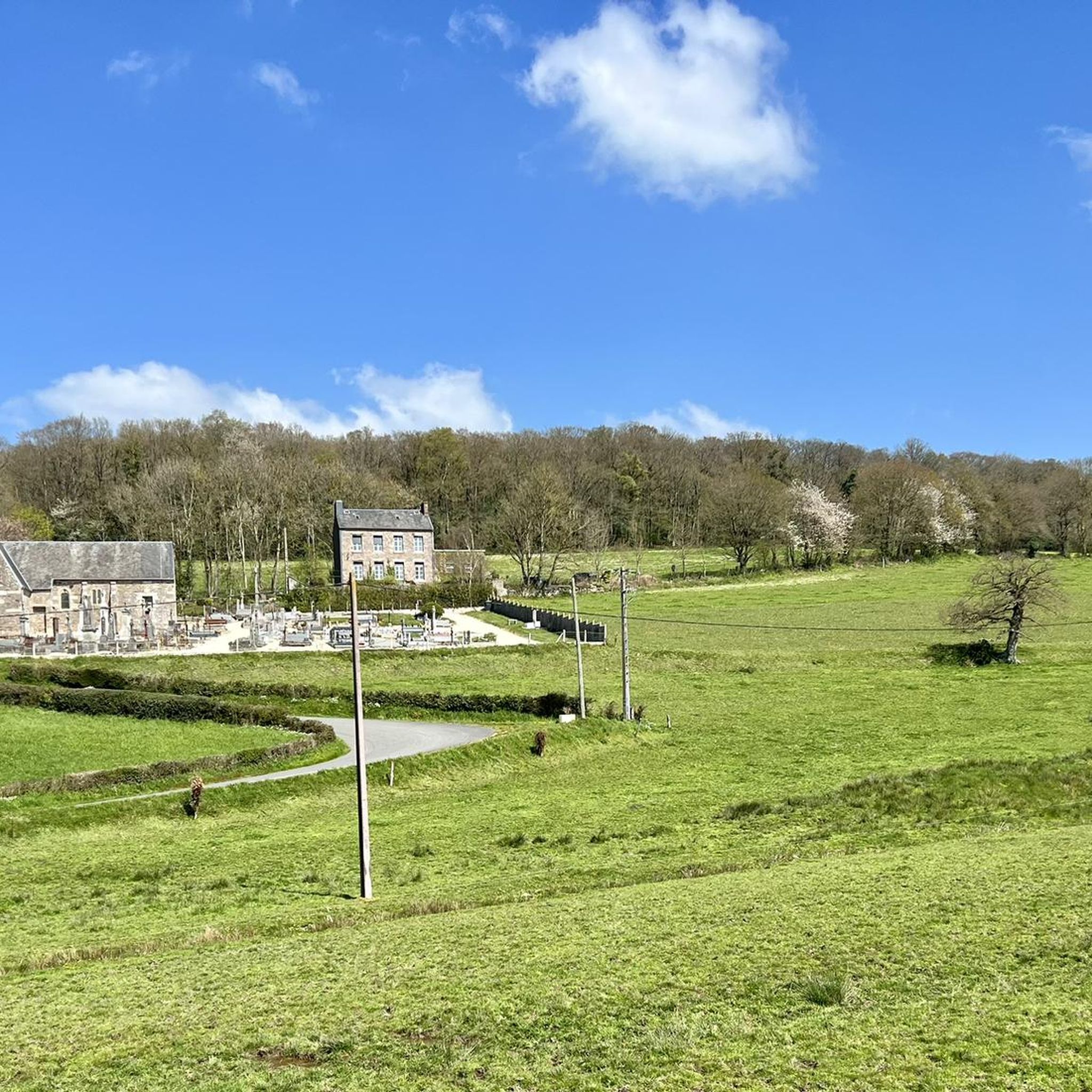
There is a beautifully designed cemetery around the village church.
2
0
A good place for ornithologists! Moorhens in the majority.
1
0
Frequently Asked Questions
What natural features can I explore around Saint-Sever-Calvados?
The region is rich in natural beauty, centered around the expansive Forest of Saint-Sever, covering over 1,550 hectares. Within the forest, you'll find the atmospheric Lake Le Gast, known for its ornithological reserve, and the historical Motte Castrale and Étang du Vieux Château. The Siena and Brévogne rivers also have their sources here, contributing to the lush landscape.
Are there historical sites to visit in Saint-Sever-Calvados?
Yes, Saint-Sever-Calvados boasts a rich history. Key sites include the Motte Castrale and Étang du Vieux Château, an 11th-century artificial mound recalling the area's defensive past. The Notre-Dame-de-Saint-Sever Church, a Gothic-style church built upon an 11th-century Romanesque foundation, is a listed Historic Monument. You can also see the Château de Saint-Sever and the Roadside Cross, erected at the crossroads of old Roman roads within the forest.
What kind of outdoor activities can I do near these attractions?
The area around Saint-Sever-Calvados is ideal for various outdoor activities. You can find numerous routes for hiking, cycling, and gravel biking. For hiking, explore options like the "Hiking loop from Noues de Sienne" or the "The roadside cross – Saint-Sever State Forest loop from Saint-Sever-Calvados." Cyclists can enjoy routes such as the "Bike loop from Saint-Sever." For more details and route options, visit the Hiking around Saint-Sever-Calvados guide, the Cycling around Saint-Sever-Calvados guide, or the Gravel biking around Saint-Sever-Calvados guide.
Are there family-friendly attractions in the area?
Yes, several attractions are suitable for families. The Saint-Michel-de-Montjoie area, with its Park-Museum of Granite, offers an educational and engaging experience for all ages. The expansive Forest of Saint-Sever provides numerous walking trails and opportunities for wildlife observation, which can be a fun activity for children. The Bird sanctuary at Lake Le Gast is also an excellent spot for families interested in nature and birdwatching.
Where can I observe wildlife in Saint-Sever-Calvados?
The primary location for wildlife observation is the Forest of Saint-Sever, where you might spot roe deer, wild boars, badgers, and gray herons. Additionally, the Bird sanctuary at Lake Le Gast is an ornithological reserve where 86 species of birds have been identified, making it a prime spot for birdwatching, especially from autumn onwards.
What is the Park-Museum of Granite?
The Park-Museum of Granite is located in Saint-Michel-de-Montjoie. It traces the history of the region's distinctive "Bleu de Vire" granite, which was extensively quarried in the area during the first half of the 20th century. It offers insights into the geological and industrial heritage of the region.
Are there any religious or spiritual sites to visit?
Yes, the Notre-Dame-de-Saint-Sever Church, a Gothic-style church and former abbey, is a significant religious site. Within the Forest of Saint-Sever, you can also find the Ermitage Chapel, an 18th-century convent currently occupied by Carmelite nuns, offering a peaceful retreat. The Roadside Cross also holds spiritual significance, marking ancient Roman roads.
What is the significance of the Motte Castrale?
The Motte Castrale is an artificial mound built in the 11th century, located in the heart of the Saint-Sever forest and overlooking the Étang du Vieux Château. This site is classified as a historic monument and serves as a reminder of the area's defensive past, showcasing early medieval fortification techniques.
What is the best time to visit Saint-Sever-Calvados for outdoor activities?
While specific seasonal recommendations for attractions are not detailed, the region's natural beauty, especially the Forest of Saint-Sever and its trails, is generally best enjoyed during spring, summer, and early autumn when the weather is mild and conducive to hiking and cycling. Birdwatching at the Bird sanctuary is particularly rewarding from autumn onwards when birds are most numerous.
Are there any viewpoints offering panoramic views?
Yes, Saint-Michel-de-Montjoie offers a pretty belvedere from its church, providing superb panoramic views over the entire Mortainais valley. On a clear day, you might even catch a glimpse of Mont Saint Michel. The Motte Castrale also offers a viewpoint overlooking the Pond of the Old Castle.
What architectural style is prominent in Saint-Sever-Calvados?
Saint-Sever-Calvados is known for its architecture built from blue granite, which is typical of the Normandy countryside. This distinctive material gives many of the local buildings, including the abbot's lodge (now the town hall) with its two-colored granite facade, a unique and charming character.
Most popular routes around Saint-Sever-Calvados
Most popular attractions around Saint-Sever-Calvados

Get inspired with the komoot mobile app


Explore more
Still not found the Highlight you’re looking for? See guides of the top attractions in other regions:
