The best road cycling routes around Brux
3.5
(4)
371
riders
123
rides
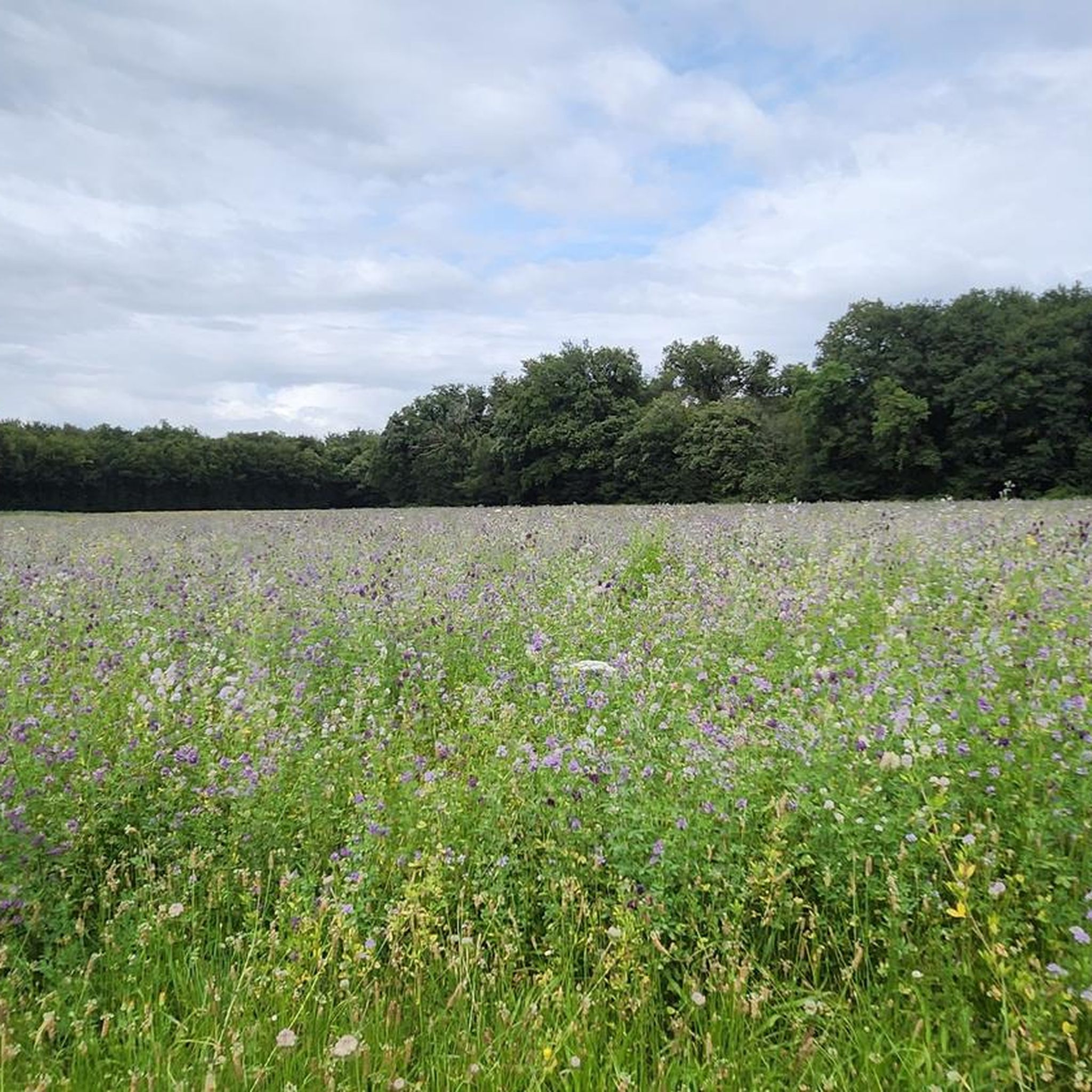
Road cycling routes around Brux traverse a landscape characterized by gently rolling terrain and rural roads, offering varied experiences for cyclists. The region features open countryside, small villages, and agricultural areas, with modest elevation changes. This makes for accessible road cycling, with routes often following quiet country lanes.
Best road cycling routes around Brux
- The most popular road cycling route is Rom – Couhé loop from Couhé, a 38.0 miles (61.2 km) trail that takes 2 hours 34 minutes…
Last updated: November 15, 2026
14
riders
214km
09:30
1,590m
1,590m
Hard road ride. Very good fitness required. Some segments of this route may be unpaved and difficult to ride.
12
riders
190km
08:29
1,520m
1,520m
Hard road ride. Very good fitness required. Mostly well-paved surfaces and easy to ride.

12
riders
10.6km
00:30
50m
50m
Easy road ride. Mostly well-paved surfaces and easy to ride.
5
riders
58.1km
02:24
320m
320m
Moderate road ride. Good fitness required. Mostly well-paved surfaces and easy to ride.
12
riders
80.4km
03:38
630m
630m
Moderate road ride. Good fitness required. Some segments of this route may be unpaved and difficult to ride.
Get access to more routes and recommendations from other explorers.
Already have an account?
Our route recommendations are based on thousands of hikes, rides, and runs completed by other people on komoot.
Start today with a free account
Your next adventure awaits.


Tips from the Community

Still as beautiful!
0
0

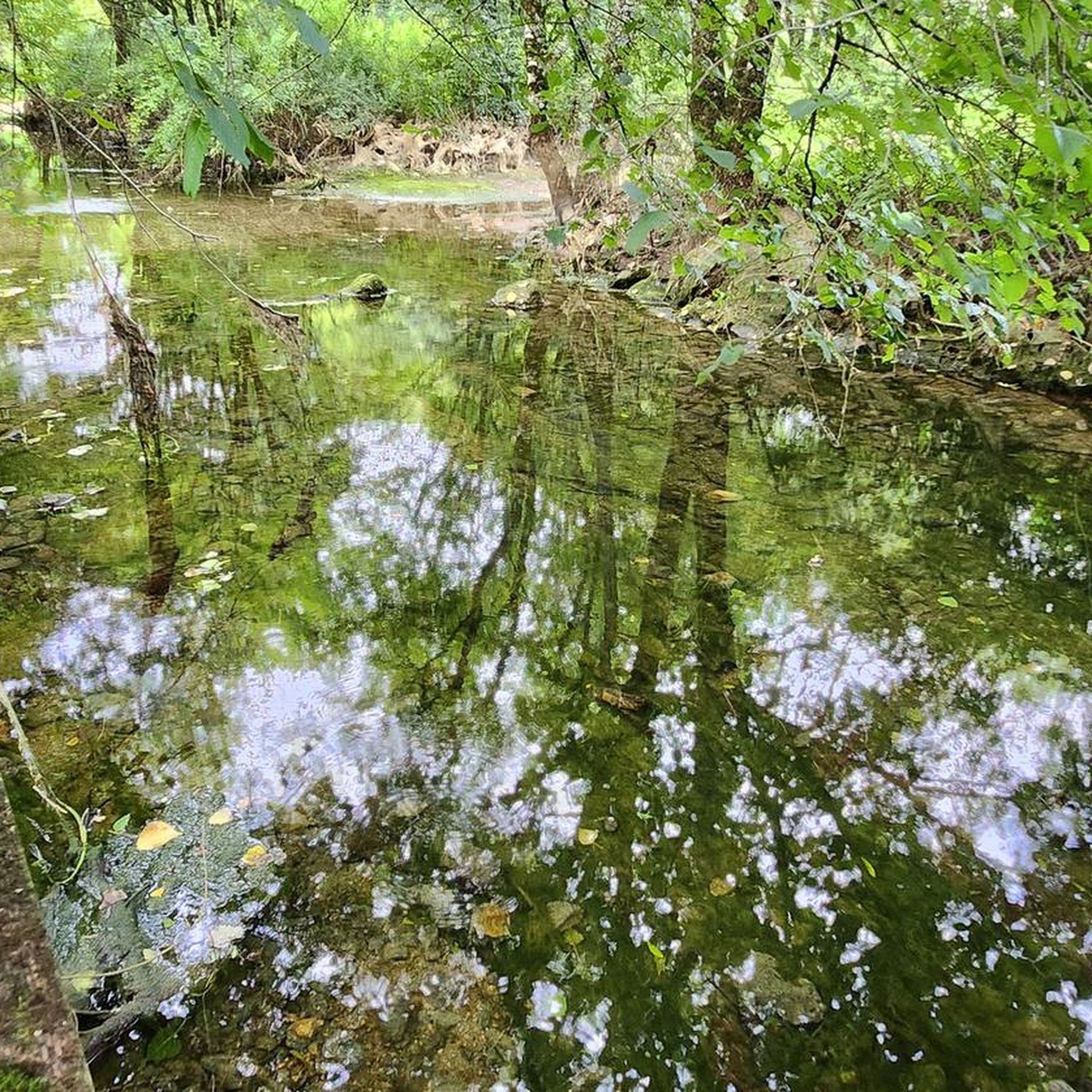
This medieval building, surrounded by walls and gardens, stands majestically in the heart of a charming village. From the surrounding paths, the view of the abbey reveals its slate roofs and stone walls. The setting is bucolic, with the river and the surrounding meadows.
1
0

The Abbey of Saint-Junien de Nouaillé-Maupertuis is a remarkable historical site located approximately 10 kilometers southeast of Poitiers, in the Nouvelle-Aquitaine region. Founded in the 7th century, this abbey has played an important role in the religious and cultural life of the region over the centuries. Points of Interest: Ancient History: Founded by Saint-Junien, a Benedictine monk, the abbey was an influential religious center during the Middle Ages. It enjoyed a period of prosperity before declining over the following centuries. Architecture: Although the abbey has undergone modifications and destruction over time, it still preserves important vestiges of its past, including elements of the abbey church, chapels, and parts of the convent buildings. Visitors can admire the impressive ruins that testify to the scale and grandeur of the medieval abbey. Why visit the Abbey of Saint-Junien of Nouaillé-Maupertuis? Historical Richness: The visit allows you to delve into the religious and cultural history of the region, exploring the remains of an influential medieval abbey. Architecture and Ruins: The remains of the abbey offer a fascinating insight into medieval architecture, with elements still visible that tell of its glorious past. Natural Setting: Situated in a peaceful environment, the site is ideal for a leisurely stroll and immersion in the surrounding natural beauty. Cultural Heritage: As a historical monument, the abbey is a key element of the local heritage and deserves a visit to appreciate the rich history of the region. The Abbey of Saint-Junien of Nouaillé-Maupertuis is therefore a must-see place for those interested in medieval history, religious architecture, and the beauty of historical sites.
1
0
Le Bac à Farfadet, located in Saint-Benoît near Poitiers, is a charming and unusual place that attracts visitors in search of nature and mystery. This site, nestled on the banks of the Clain, takes its name from the legend of the farfadets, these mischievous little creatures of local folklore. Why visit Le Bac à Farfadet? Legend and Mystery: The site is steeped in local folklore, offering a unique experience where history and nature come together. Nature and Relaxation: The natural setting of Le Bac à Farfadet is ideal for a peaceful break, a walk by the water, or a day outdoors. Local Immersion: This typical place in the region allows you to discover an authentic facet of the natural and cultural heritage of Saint-Benoît. Le Bac à Farfadet is thus a charming and mysterious place, perfect for a getaway in the heart of nature, to discover the legends and heritage of the region.
1
0
Abbey to discover in its green setting, many hiking trails, you can even go to the wood of St Pierre. The Saint-Junien abbey of Nouaillé-Maupertuis occupies the flat bottom of the Miosson valley. The abbey is surrounded by moats and ramparts (13th century) of which towers remain: two still frame the bridge that crosses the Miosson; as well as two doors on either side of the church.
1
0
For the renovated picnic area, its canoe-kayak base, its shaded areas on the banks of the Clain. From here you are 5 minutes from the old town. Its church, its cloister and its flower market square.
1
0
Frequently Asked Questions
How many road cycling routes are available around Brux?
There are over 100 road cycling routes around Brux, offering a wide range of options for different skill levels and preferences. You'll find everything from easy, leisurely rides to more challenging excursions.
Are there easy road cycling routes suitable for beginners in Brux?
Yes, Brux offers a good selection of easy routes perfect for beginners or those looking for a relaxed ride. For example, the Couhé – Church of Vanzay loop from Couhé is an easy 51.1 km route, and the Church of Vanzay – Couhé loop from Couhé is another accessible option at 41.2 km.
What kind of terrain can I expect on road cycling routes in Brux?
Road cycling routes around Brux are characterized by gently rolling terrain and quiet rural roads. The landscape features open countryside, small villages, and agricultural areas, with modest elevation changes, making for generally accessible and pleasant rides.
Are there any challenging road bike trails in Brux for experienced cyclists?
While most routes in Brux are moderate, there are options for those seeking a longer ride. The region's terrain is generally gently rolling, but longer distances can provide a good challenge. For instance, the Couhé – Farfadet Chain Ferry loop from Couhé is a moderate 80.8 km route that includes a unique chain ferry crossing, offering a longer day out.
What is the best season for road biking in Brux?
The best seasons for road biking in Brux are typically spring and summer. During these months, the weather is generally mild and pleasant, and the countryside is vibrant. Autumn can also be beautiful with changing foliage, though cooler temperatures might require extra layers.
Are there road bike loop routes available in Brux?
Yes, many of the road cycling routes in Brux are designed as loops, allowing you to start and end at the same point. Examples include the popular Rom – Couhé loop from Couhé and the Couhé – Rom loop from Couhé, both offering circular journeys through the local countryside.
What do other road cyclists say about the routes in Brux?
The road cycling routes in Brux are well-regarded by the komoot community, with an average score of 3.0 stars. Cyclists often praise the quiet rural roads, the charming small villages, and the accessible nature of the terrain, which makes for enjoyable rides.
Are there any unique features or points of interest along the road cycling routes?
While specific landmarks are not highlighted in the data, the region's charm lies in its open countryside, agricultural areas, and small, traditional villages. The Couhé – Farfadet Chain Ferry loop from Couhé route, for example, features a unique chain ferry crossing, adding an interesting element to your ride.
What are the typical distances for road cycling routes in Brux?
Road cycling routes in Brux vary in distance. You can find shorter, easy routes around 40-50 km, such as the Church of Vanzay – Couhé loop from Couhé (41.2 km). Moderate routes often range from 50-80 km, with the Couhé – Farfadet Chain Ferry loop from Couhé being one of the longer options at 80.8 km.
Are the road cycling routes in Brux suitable for families?
Given the gently rolling terrain and the presence of many easy routes, road cycling in Brux can be suitable for families, especially those with some cycling experience. The quiet country lanes offer a safer and more relaxed environment away from heavy traffic. Look for the 'easy' graded routes for the most family-friendly options.
Can I find less crowded road bike routes in Brux?
Yes, the region around Brux is known for its quiet rural roads and open countryside, which generally means less traffic and fewer crowds compared to more urban areas. Many routes traverse agricultural lands and connect small villages, offering a peaceful cycling experience.

Get inspired with the komoot mobile app


Explore more
Browse the best Road cycling routes in other regions.
