The best cycling routes around Lohéac
4.3
(221)
1,547
riders
95
rides
Touring cycling around Lohéac features a preserved rural landscape, offering diverse terrain for cyclists. The area is situated within the broader Vilaine Valley, which provides scenic routes alongside the Vilaine and L'Eval rivers. Cyclists will encounter a mix of open countryside and forested sections, with generally low traffic on regional roads. The topography includes gentle undulations, with some routes featuring more significant elevation changes.
Best touring cycling routes around Lohéac
- The most popular touring cycling route is Pont-Réan – Le…
Last updated: October 7, 2026
4.6
(40)
271
riders
153km
09:31
830m
830m
Hard bike ride. Very good fitness required. Mostly paved surfaces. Suitable for all skill levels.
4.6
(54)
321
riders
119km
07:20
620m
620m
Hard bike ride. Very good fitness required. Mostly paved surfaces. Suitable for all skill levels.

4.5
(2)
19
riders
39.5km
03:01
230m
230m
Moderate bike ride. Good fitness required. Mostly paved surfaces. Suitable for all skill levels.
4.5
(2)
7
riders
30.0km
01:50
120m
120m
Easy bike ride. Great for any fitness level. Mostly paved surfaces. Suitable for all skill levels.
6
riders
23.6km
01:27
110m
110m
Easy bike ride. Great for any fitness level. Mostly paved surfaces. Suitable for all skill levels.
Get access to more routes and recommendations from other explorers.
Already have an account?
Our route recommendations are based on thousands of hikes, rides, and runs completed by other people on komoot.
Start today with a free account
Your next adventure awaits.


Tips from the Community

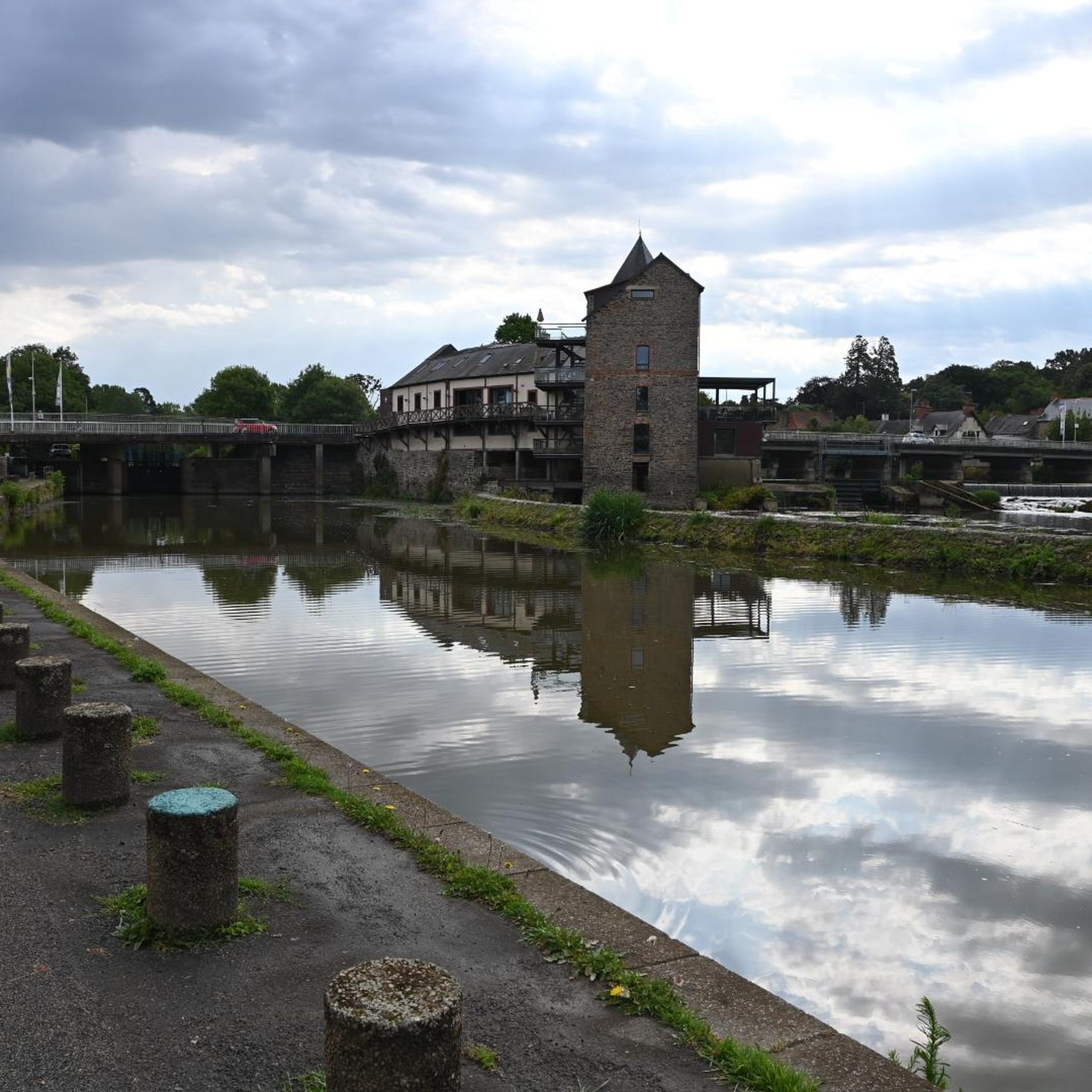
This former watermill, documented as early as 1089, was initially used as a fulling mill before being converted into a flour mill in the 19th century. Its operation ceased on December 31, 1974. Since then, the building has stood as a significant heritage landmark, marking the industrial and riverine history of the Vilaine Valley.
1
0

In 832, Conuvoion, a Breton monk, founded the Abbey of Saint-Sauveur in Redon with the support of the Carolingian Emperor Louis the Pious. A small rural community slowly grew up around the abbey. During the Middle Ages, the town benefited from its location on the Vilaine River, as trade goods could be transported upstream to Redon on ocean-going vessels. There, the goods were transshipped and transported further on inland waterway barges towards Rennes, the capital of Brittany. In the 19th century, Redon experienced another period of prosperity with the construction of the Nantes-Brest Canal. Even today, the old shipowners' houses and the large harbor basin bear witness to its history as a trading port.
1
0

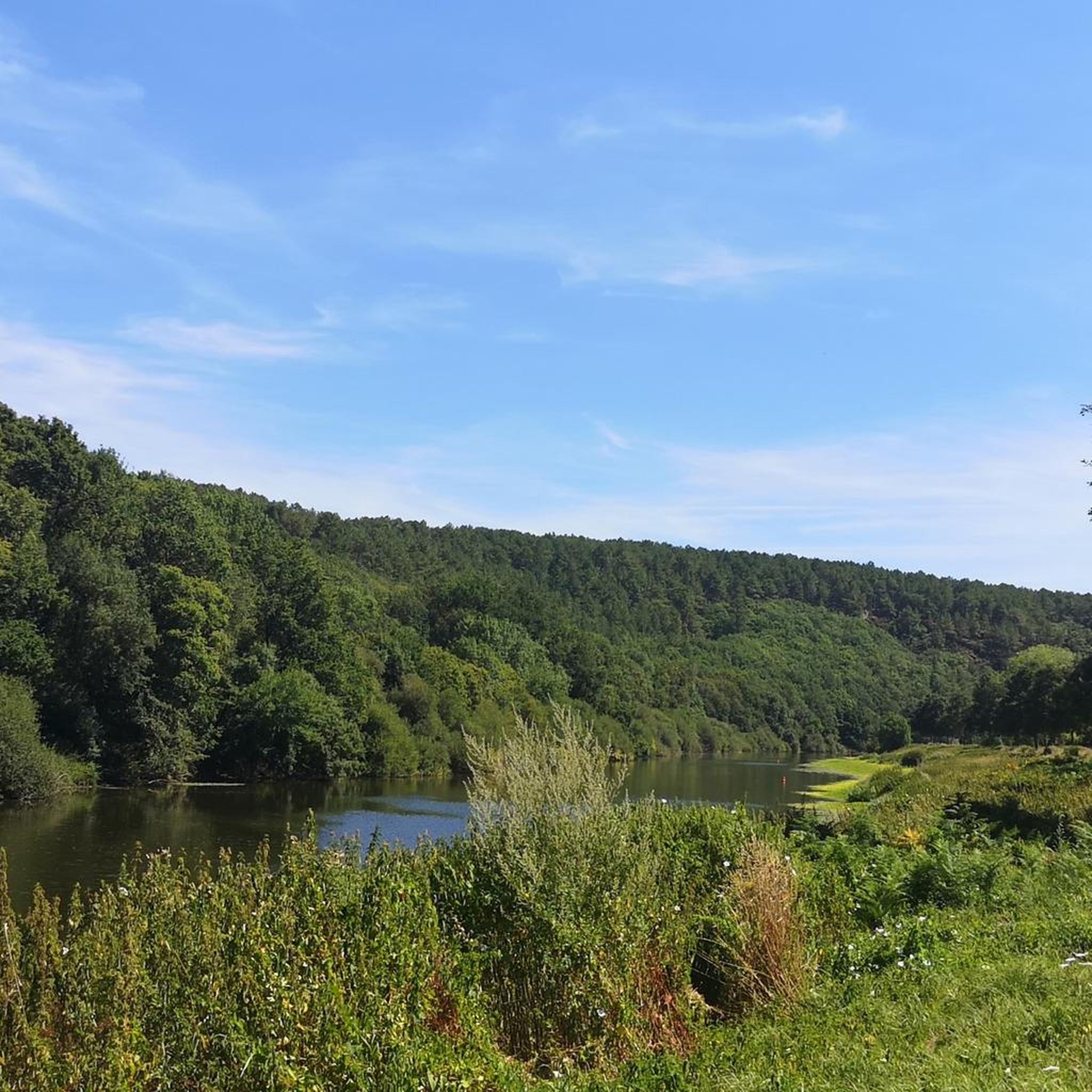
The cycle path along the Vilaine is truly a MUST! It runs directly along the river and has many locks. At each of the locks, there are beautifully maintained guardhouses, some of which are even kitsch. The cycle path doesn't stray more than 10 meters from the river and has a very well-maintained surface. I had the pleasure of following it for over 40 kilometers.
0
0

Redon has managed to retain its quiet, small-town character, despite its intense activity (and traffic). Following the floods of 2024, the campsite is closed. The pedestrian street is pleasant and not overcrowded with shops. Just what you need. A visit to the port is also a pleasant experience.
0
0


A "treidelpfad" (towpath) that runs alongside the river or canal's bed was an essential part of the transport infrastructure in earlier times. Before ships could be powered by motors, horses walked along the bank, pulling the boat against the current. This was called "treideln" (towing), and this is how the towpaths got their name, which has been passed down to this day. Where these paths, located directly along the bank, have been preserved, they are popular with hikers and cyclists.
0
0

small chapel at the top of a hill, always open, calm and relaxing
0
0
Frequently Asked Questions
How many touring cycling routes are available around Lohéac?
There are over 90 touring cycling routes around Lohéac, catering to various skill levels. You'll find approximately 20 easy routes, nearly 50 moderate options, and over 20 challenging trails to explore.
What kind of terrain can I expect on touring cycling routes in Lohéac?
The terrain around Lohéac is characterized by a preserved rural landscape within the Vilaine Valley. You can expect a mix of open countryside and forested sections, with generally low traffic on regional roads. The topography includes gentle undulations, though some routes feature more significant elevation changes, especially those exploring the Vilaine Valley.
Are there any family-friendly touring cycling routes in Lohéac?
Yes, Lohéac offers several easy routes suitable for families. For an interactive way to discover the village's history, consider the Geocaching Circuit "Lohéac, c'est aussi". Additionally, routes like the Guipry-Messac Mill – Church and village of Loheac loop from Lohéac offer a relatively flat and accessible experience.
Are there any dedicated cycling paths or greenways in the Lohéac area?
Yes, the area features dedicated greenways. The Voie Verte Messac–Guer – L'Auberge de Baron loop from Courbouton is a great example, leading through dedicated greenways and rural scenery. The Lohéac-Lieuron cycling trail is also a 33 km circuit designed for exploring the local countryside on two wheels.
What are some notable natural landmarks or scenic spots to see while cycling around Lohéac?
While cycling, you can enjoy the majestic scenery of the Vilaine Valley and picturesque riverside views along the L'Eval River. A significant natural and historical landmark is Uzel Rock, located along the Vilaine River, known for its natural caves. The broader region also includes the Forêt de Paimpont (Brocéliande forest) and the Vallée du Canut.
What historical sites or attractions can I visit along the touring cycling routes?
You can encounter several historical sites. The Guipry-Messac Mill, documented since 1089, is a significant heritage landmark. The Saint-Senoux Church, rebuilt in a Romanesque-Byzantine style, is notable for its onion-domed bell tower. The Montserrat Chapel offers amazing views and historical significance.
What do other touring cyclists enjoy most about cycling in Lohéac?
The touring cycling routes in Lohéac are highly rated by the komoot community, with an average score of 4.3 stars from over 190 reviews. Cyclists often praise the preserved rural landscapes, the scenic Vilaine Valley, and the peaceful riverside paths along the L'Eval River, appreciating the variety of routes available for different ability levels.
Are there any circular touring cycling routes in Lohéac?
Yes, many routes around Lohéac are designed as loops, allowing you to start and end in the same location. Examples include the challenging Pont-Réan – Le Boël loop from Lohéac and the moderate Estate Chapel – Pont de la Perche loop from Courbouton.
What is the best time of year for touring cycling in Lohéac?
Lohéac's preserved rural landscape is enjoyable throughout much of the year. Spring and autumn generally offer pleasant temperatures and vibrant scenery, making them ideal for cycling. Summer can also be great, but it's advisable to start earlier in the day to avoid the midday heat. Winters are typically milder in Brittany, but check local weather conditions for rain.
Where can I find parking for touring cycling routes in Lohéac?
Parking is generally available in and around Lohéac village, as well as at the start points of many routes in smaller towns and villages. Given the rural nature of the area, roadside parking or designated village car parks are common. Always check local signage for any restrictions.
Are there cafes or pubs along the touring cycling routes in Lohéac?
Yes, as you cycle through the small rural villages dotting the Vilaine Valley and surrounding areas, you will find opportunities for refreshments. Many villages, including Lohéac itself, offer local cafes, bakeries, or small restaurants where you can take a break and refuel.
Can I combine cycling with other activities or attractions in the region?
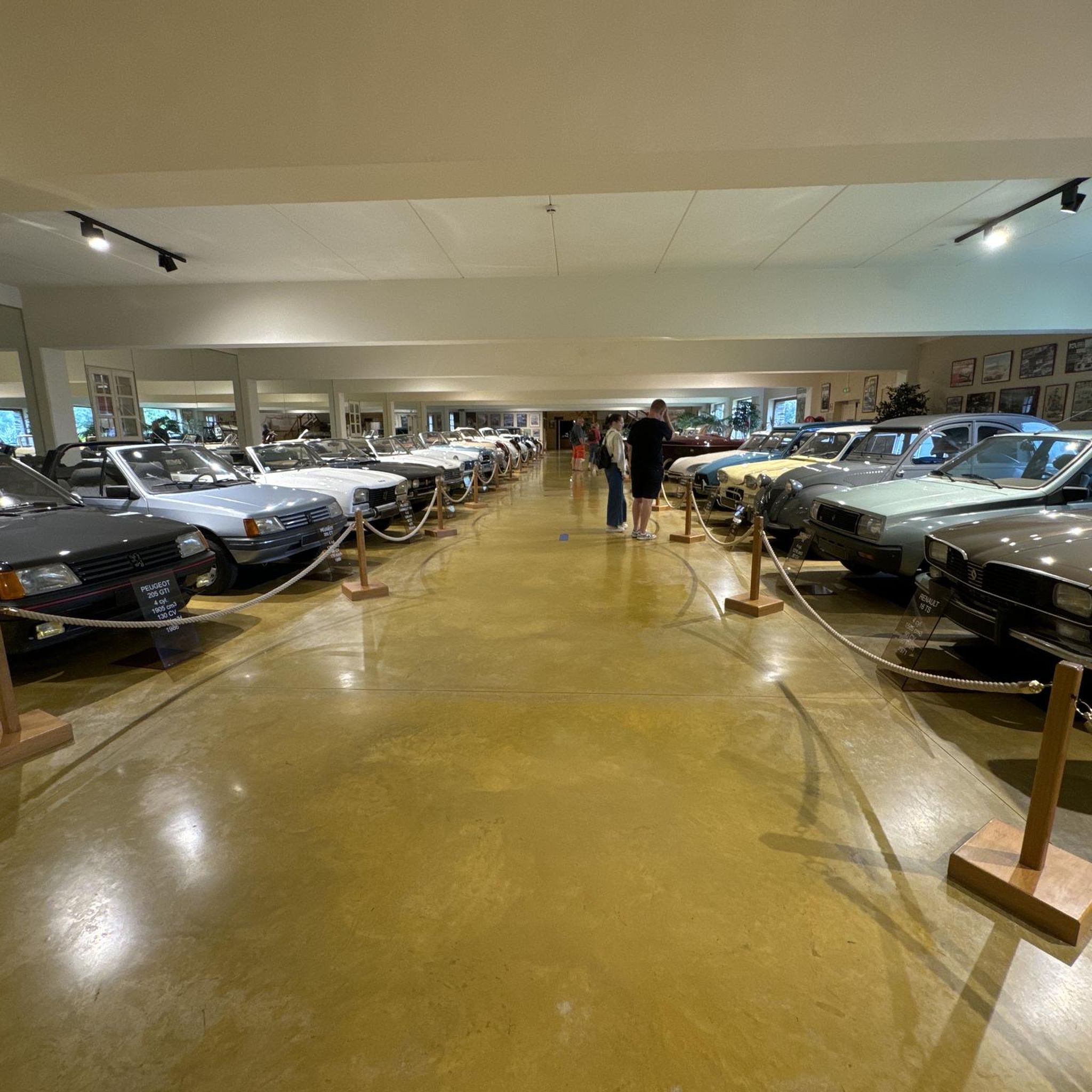
Absolutely. Lohéac is well-suited for combining cycling with other interests. You could visit the Manoir de l'Automobile et des Vieux Métiers museum in Lohéac for car enthusiasts, or explore the nearby Forêt de Paimpont (Brocéliande forest) for its legendary tales and natural beauty, which is about 27 km away.
Most popular attractions around Lohéac

Get inspired with the komoot mobile app


Explore more
Browse the best Cycling routes in other regions.
