The best road cycling routes around Saint-Beauzeil
4.4
(33)
890
riders
126
rides
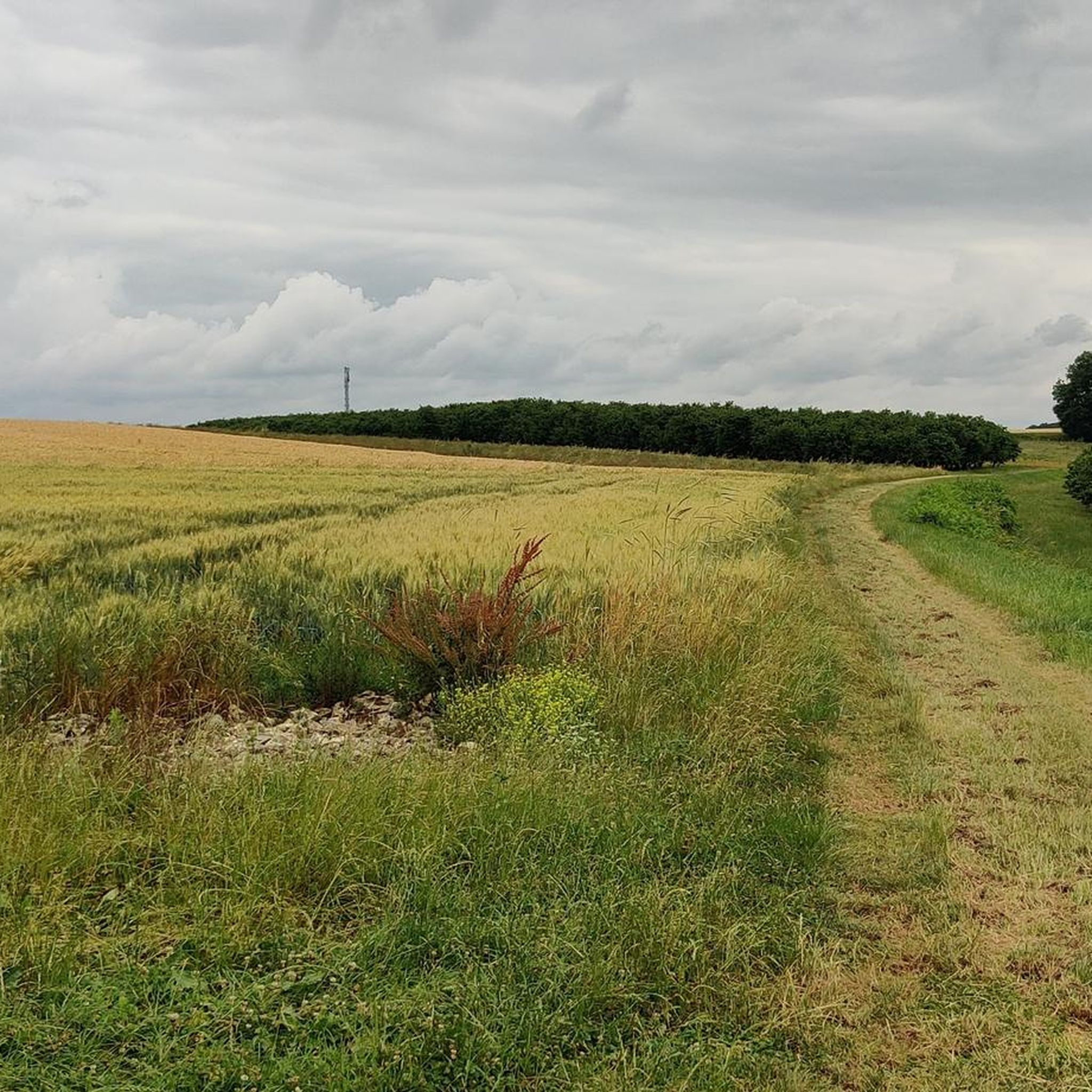
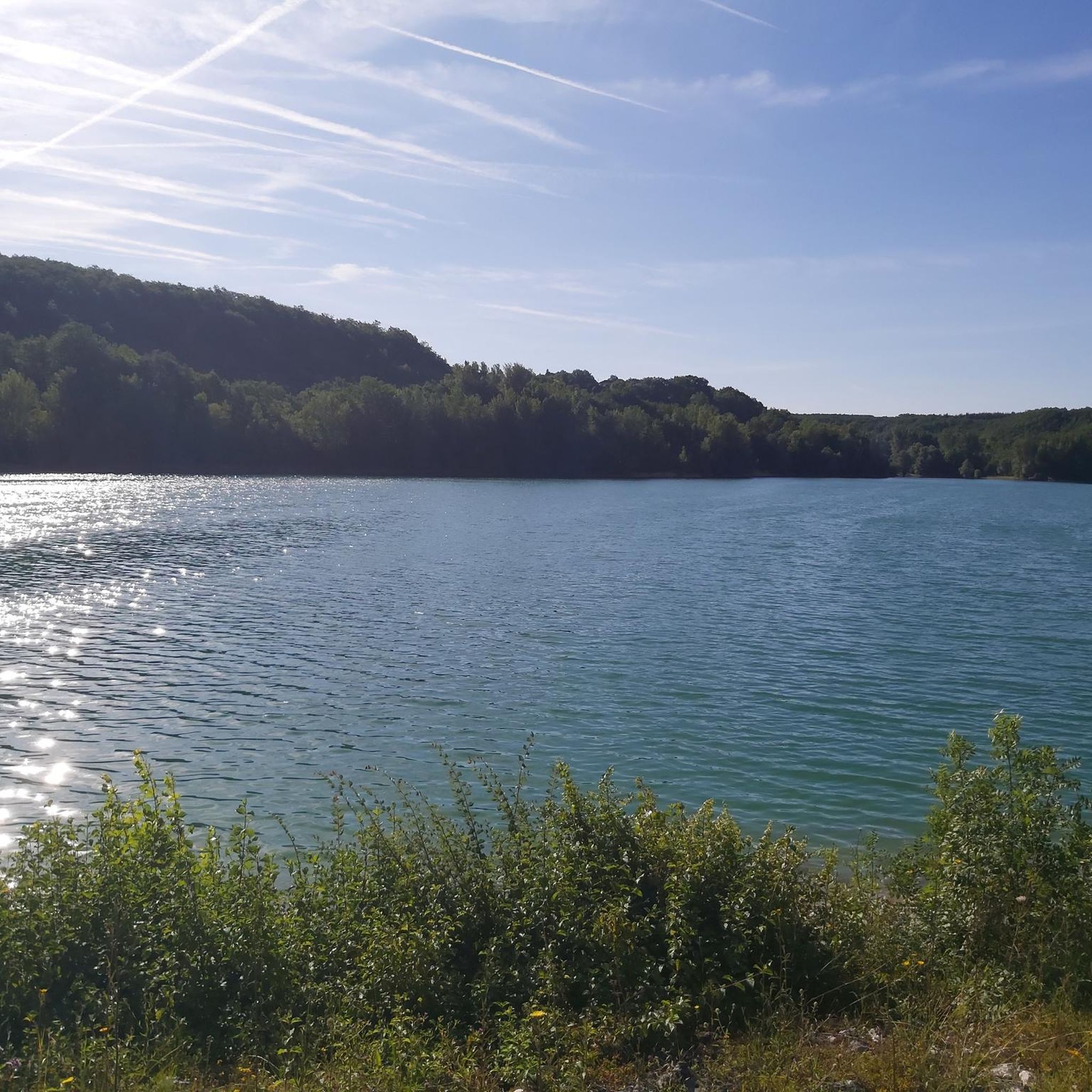
Road cycling routes around Saint-Beauzeil traverse a rural commune in France's Occitanie region, characterized by diverse landscapes. The area features rolling hills and verdant valleys, with elevations ranging between 127 and 240 meters, offering varied terrain. Cyclists can expect well-maintained, paved routes that connect charming villages and natural features, providing a serene outdoor experience.
Best road cycling routes around Saint-Beauzeil
- The most popular road cycling route is La capelle cabanac – Mauroux church loop from Roquecor, a 41.8 miles…
Last updated: October 30, 2026
10
riders
88.4km
05:01
1,310m
1,310m
Hard road ride. Very good fitness required. Mostly well-paved surfaces and easy to ride.
8
riders
89.5km
04:17
1,140m
1,140m
Hard road ride. Very good fitness required. Mostly well-paved surfaces and easy to ride.

5.0
(1)
4
riders
53.3km
02:37
660m
660m
Moderate road ride. Good fitness required. Mostly well-paved surfaces and easy to ride.
5
riders
65.6km
03:13
680m
680m
Moderate road ride. Good fitness required. Mostly well-paved surfaces and easy to ride.
4
riders
61.7km
03:26
850m
850m
Moderate road ride. Good fitness required. Mostly well-paved surfaces and easy to ride.
Get access to more routes and recommendations from other explorers.
Already have an account?
Our route recommendations are based on thousands of hikes, rides, and runs completed by other people on komoot.
Start today with a free account
Your next adventure awaits.


Tips from the Community

Former pilgrimage church integrated into a Benedictine priory founded at the end of the 11th century under the authority of the abbey of Aurillac, it is mainly distinguished by the remarkable architecture of its crypt and choir. It is one of the few churches in the region to have a semi-subterranean crypt. Intended to house relics, its presence causes a visible elevation of the transept and choir. Mainly built in the 12th century, the church consists of a main nave flanked by two aisles and a transept topped by a dome on pendentives. The large interior arcades rest on columns adorned with typical Romanesque sculptures depicting mermaids, back-to-back birds, or animals with human heads. The original choir was modified or rebuilt between the 14th and 16th centuries to become larger. On the outside, its facades display a military austerity reminiscent of the defensive roles it played during regional conflicts.
0
0
The commune benefits from a natural setting conducive to outdoor activities, particularly thanks to the Voie Verte along the Lot. Local economy: The activity is marked by the cultivation of cereals, plum growing (production of the famous Agen prune) and important nurseries.
0
0
The architecture of Villeneuve-sur-Lot tells its story as a 13th-century river bastide, built for trade and defense. Its geometric checkerboard plan is organized around a central hub and opens onto the river. The checkerboard plan: Straight streets, typical of medieval bastides. Place Lafayette: Central square bordered by covered arcades (the cornières). The watchtowers: Fortified gates of Paris and Pujols in brick and stone. The Romanesque-Byzantine style: Used for the Sainte-Catherine church with its 55-meter high bell tower. The half-timbered facades: Medieval houses with timber framing and overhangs. The Pont des Cieutat: 13th-century structure with asymmetrical stone arches.
0
0
The Saint-Sylvestre Church depends on the Saint-Jacques-en-Vallée-du-Lot community, attached to the diocese of Agen. The current village church was built between 1863 and 1865. It houses, among other things, a beautiful 14th-century polychrome wooden statue representing Saint Peter.
0
0
The medieval alleys of Penne-d'Agenais, listed among the Most Beautiful Villages of France, form a true paved labyrinth that climbs the hillside for nearly 200 meters in altitude to overlook the superb Lot valley. This fortified town, often compared to a small Tuscan village due to its ochre-colored facades, warm stones, and gentle way of life, offers a real dive into medieval history.
0
0
The medieval alleys of Penne-d'Agenais, listed among the Most Beautiful Villages in France, form a veritable paved labyrinth that climbs the hillside for nearly 200 meters in altitude to overlook the superb Lot valley. This fortified town, often compared to a small Tuscan village due to its ochre-colored facades, warm stones, and gentle way of life, offers a true dive into medieval history.
0
0
Tournon-d'Agenais is a magnificent 13th-century royal hilltop bastide, listed among the Most Beautiful Villages of France. The site first served as a Celtic oppidum and then as a Gallo-Roman trading post. A first inhabited center developed in the 12th century. The foundation (1271): The royal bastide was officially founded by Philip III the Bold (son of Saint Louis), continuing the work of Alphonse de Poitiers. Located on the border of French and English spheres of influence, it suffered heavy assaults during the Hundred Years' War and the Wars of Religion.
0
0
Tournon-d'Agenais is a magnificent royal bastide from the 13th century, listed among the Most Beautiful Villages of France. The site first served as a Celtic oppidum and then as a Gallo-Roman trading post. A first inhabited center developed in the 12th century. The foundation (1271): The royal bastide was officially founded by Philip III the Bold (son of Saint Louis), continuing the work of Alphonse de Poitiers. Located on the border of French and English spheres of influence, it suffered heavy assaults during the Hundred Years' War and the Wars of Religion.
0
0
Frequently Asked Questions
How many road cycling routes are available in Saint-Beauzeil?
There are over 125 road cycling routes around Saint-Beauzeil, offering a wide variety of options for different skill levels and preferences. These routes are highly rated by the komoot community, with an average score of 4.3 stars from over 25 reviews.
What is the typical terrain like for road cycling around Saint-Beauzeil?
The terrain around Saint-Beauzeil is characterized by diverse landscapes, including rolling hills and verdant valleys. Elevations typically range between 127 and 240 meters, providing varied gradients. Most routes feature well-maintained, paved surfaces suitable for road bikes, allowing for a smooth and enjoyable ride through the region's natural charm.
Are there road cycling routes suitable for beginners or families in Saint-Beauzeil?
Yes, Saint-Beauzeil offers options for all abilities. While many routes are moderate to difficult, there are at least 10 easy road cycling routes available. These routes often wind through picturesque countryside and charming villages, providing a pleasant experience for those seeking a less strenuous ride.
Are there challenging road cycling routes for experienced cyclists?
Absolutely. For experienced cyclists seeking a challenge, Saint-Beauzeil offers 17 difficult road cycling routes. These routes often feature significant elevation gains and longer distances. An example is the La capelle cabanac – Mauroux church loop from Roquecor, a demanding 41.8-mile (67.3 km) trail with over 900 meters of elevation gain.
What kind of scenery can I expect while road cycling in Saint-Beauzeil?
Cyclists can expect to immerse themselves in unspoilt landscapes, characterized by a mosaic of diverse scenery, from rolling hills to verdant valleys. Many routes pass by lakes and through green spaces, offering picturesque backdrops. The region's natural beauty and tranquil atmosphere are a significant part of the cycling experience.
Are there any notable landmarks or points of interest along the road cycling routes?
Yes, the routes often connect charming villages and offer opportunities to see historical sites. You might pass by the Château de Beauville and viewpoint, or the impressive Basilica of Our Lady of Peyragude. The Penne-d'Agenais Center is also a popular stop, offering a glimpse into local life and history.
Can I find routes that pass through charming villages?
Yes, the road cycling network around Saint-Beauzeil is designed to connect many beautiful and charming villages. For instance, the Tournon-d'Agenais Town Square – Beauville loop from Valeilles will take you through historic centers and past tranquil village scenes, allowing you to experience the local heritage.
Are there circular road cycling routes available?
Many of the road cycling routes in the Saint-Beauzeil area are designed as loops, allowing you to start and end at the same point. Examples include the Penne-d'Agenais Center loop from Valeilles and the Welcome to Lot loop from Valeilles, providing convenient options for exploring the region.
What is the best time of year for road cycling in Saint-Beauzeil?
The Tarn-et-Garonne region, where Saint-Beauzeil is located, generally offers pleasant conditions for cycling during spring, early summer, and early autumn. These seasons typically provide milder temperatures and less rainfall, making for more comfortable rides through the diverse landscapes.
Is it possible to find food and drink options along the routes?
While Saint-Beauzeil itself is a rural commune, many road cycling routes connect to nearby villages and towns. These often feature local cafes, restaurants, and small shops where you can refuel and enjoy regional cuisine. Planning your route to pass through larger villages like Roquecor or Beauville will increase your chances of finding refreshment stops.
Are there options for parking near the start of road cycling routes?
Given the rural nature of Saint-Beauzeil and its surroundings, parking is generally available in the charming villages that serve as common starting points for many routes. Look for designated parking areas in village centers or near local amenities. It's advisable to check specific village information if you have a particular starting point in mind.
Can I cycle with my dog on these road cycling routes?
While the routes are on public roads and generally accessible, road cycling with a dog requires careful consideration for their safety and comfort, especially on paved surfaces and near traffic. It's best to assess the specific route's traffic levels and ensure your dog is accustomed to such activity. Always keep your dog on a leash and be mindful of local regulations.
Most popular attractions around Saint-Beauzeil

Get inspired with the komoot mobile app


Explore more
Browse the best Road cycling routes in other regions.
