The best MTB trails around Goudourville
4.5
(28)
145
riders
22
rides
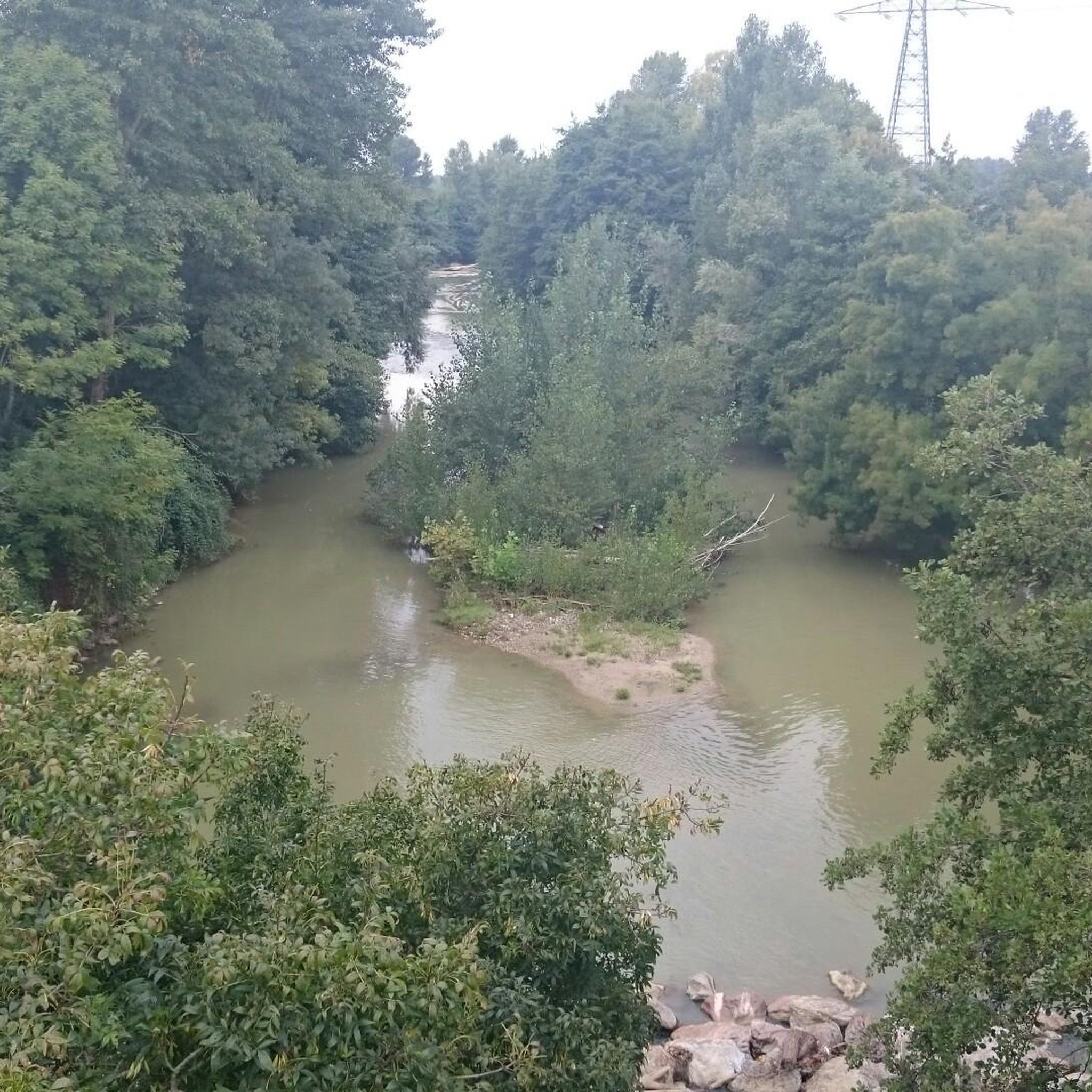
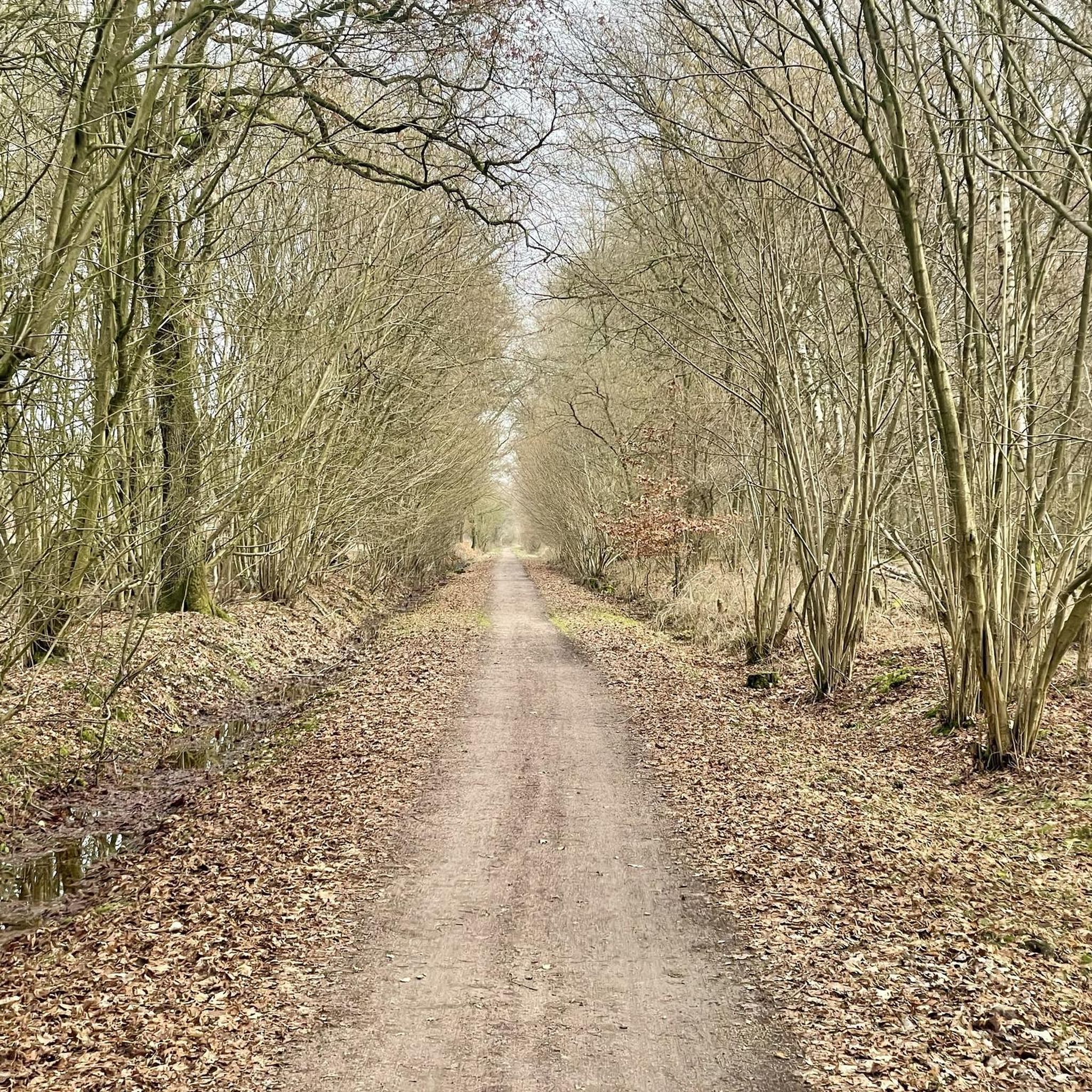
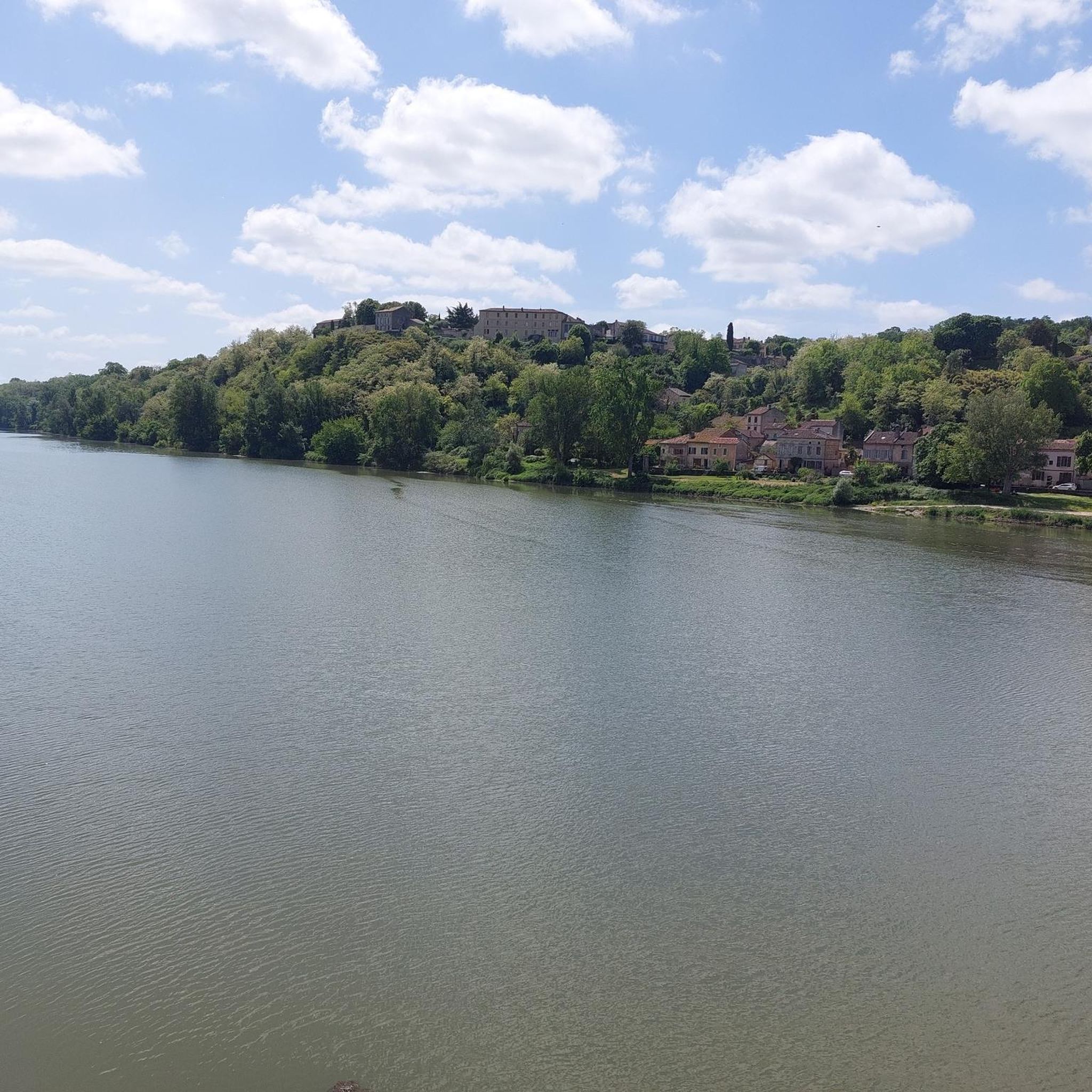
Mountain biking around Goudourville offers diverse terrain, from the rich plains to the more secluded hillsides of the Causse. The region is characterized by a mix of expansive agricultural lands, including sunflower fields and vineyards, and the varied topography of the Quercy Blanc. Trails often follow the Razère stream valley and the Canal de Garonne, providing both gentle waterside paths and more challenging routes through rolling hills. This landscape provides varied mountain bike trails suitable for different skill levels.
Best mountain bike trails around Goudourville
- The most popular mountain bike trail is Viewpoint – Cacor Canal Bridge loop from Valence d'Agen, a 52.9 miles (85.2 km) trail that takes about 4 hours 34 minutes to complete. This difficult route features significant elevation changes and panoramic views.
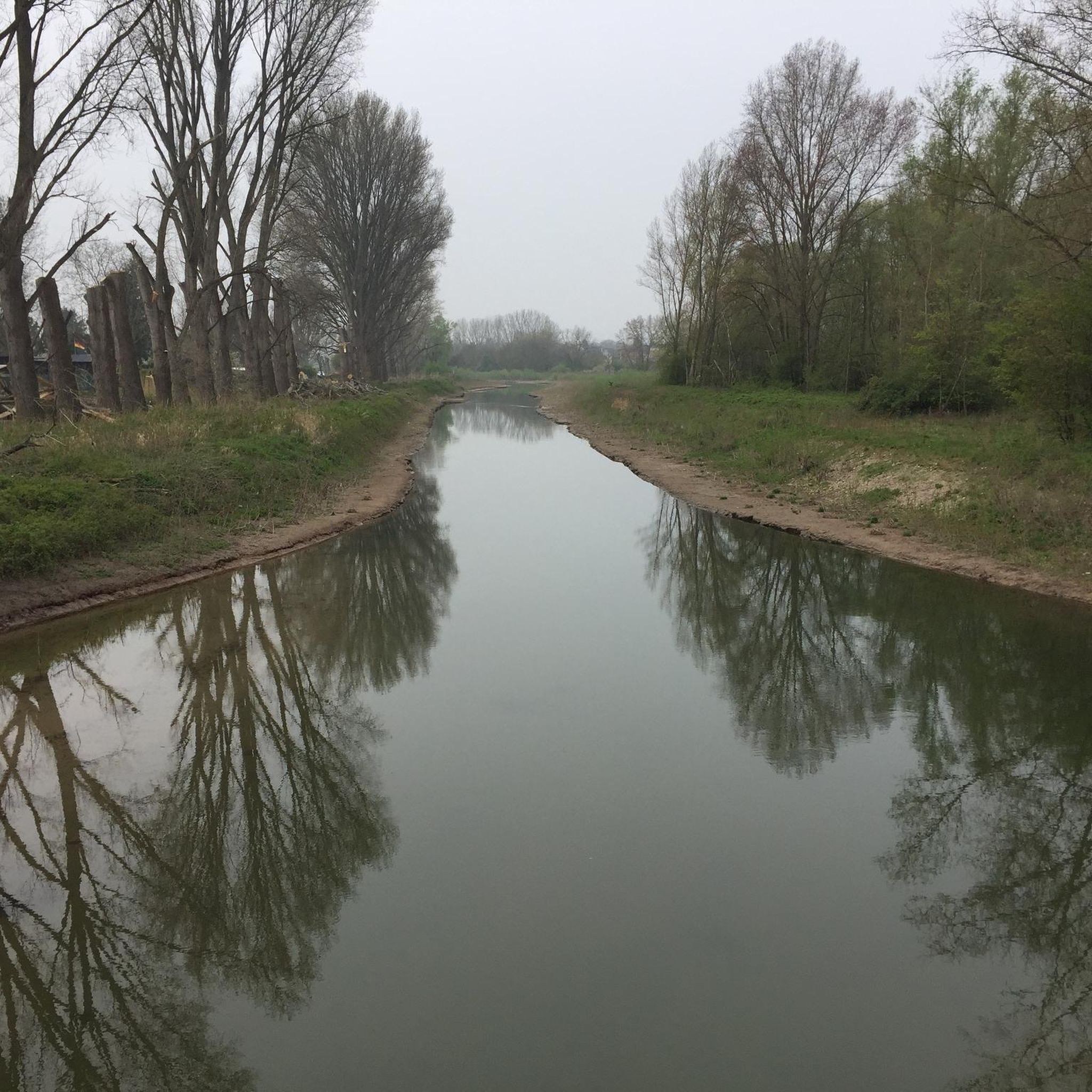
- Another top favourite among local mountain bikers is The canal – Agen railway station loop from Valence d'Agen, a moderate 36.3 miles (58.4 km) path. This route follows the Canal de Garonne, offering scenic waterside sections and varied terrain.
- Local mountain bikers also love the What to do after the rain – Viewpoint loop from Centre Éducatif Fermé de Borde Basse, a 28.0 miles (45.1 km) trail leading through varied landscapes with viewpoints, often completed in about 3 hours 31 minutes.
- Mountain biking around Goudourville is defined by its mix of canal paths, rolling hills, and agricultural plains. The network offers options for different ability levels, from easy rides along the water to more demanding routes with elevation.
- The routes in Goudourville are highly rated by the komoot community with an average score of 4.5 stars from more than 20 reviews. More than 140 mountain bikers have used komoot to explore Goudourville's varied terrain.
Last updated: November 22, 2026
5.0
(1)
25
riders
83.5km
04:23
140m
140m
Moderate mountain bike ride. Good fitness required.
5.0
(3)
21
riders
35.0km
01:53
70m
70m
Easy mountain bike ride.

4.0
(7)
24
riders
58.1km
02:59
90m
90m
Moderate mountain bike ride. Good fitness required.
4.5
(2)
9
riders
32.9km
02:41
550m
550m
Moderate mountain bike ride. Good fitness required. Advanced riding skills necessary.
4.3
(4)
8
riders
31.1km
02:18
420m
420m
Moderate mountain bike ride. Good fitness required. Advanced riding skills necessary.
Get access to more routes and recommendations from other explorers.
Already have an account?
Our route recommendations are based on thousands of hikes, rides, and runs completed by other people on komoot.
Start today with a free account
Your next adventure awaits.
Tips from the Community

The abbey and its cloister, the historic center, the Art Deco buildings, the Napoleon bridge, the towpath, and the Cacor canal bridge are must-sees. Everything can be easily discovered on foot. Moissac is a major stop on the Camino de Santiago thanks to its exceptional heritage, particularly its abbey, a UNESCO World Heritage site. Its Romanesque cloister and sculpted tympanum make it an emblematic place for pilgrims from all over the world.
0
0
On July 29, 1808, Napoleon I arrived in Moissac, crossing the Tarn on a pontoon bridge. Since the Wars of Religion and floods, previous structures had been destroyed, and the perilous crossing was done by ferry. Work began quickly but ceased with the fall of the First Empire (1814). It resumed in 1820, leading to the inauguration of the Marie-Thérèse bridge on December 19, 1824. It was named in honor of the Dauphine, daughter of Louis XVI and Marie Antoinette, who is said to have laid the keystone of the bridge. It finally became the "Pont Napoléon" in 1859, after Napoleon III's visit to Moissac.
0
0

I found an open-air stage there, but no infrastructure in the sense of a rest stop for hikers and cyclists.
0
0

Saint-Caprais Cathedral in Agen features several architectural peculiarities: its Romanesque apse is extended by a single-nave Gothic nave. Replacing an earlier wooden campanile, the current bell tower was built in 1835 at the initiative of Bishop Jean-Aimé de Levezou de Vezins and is unusual in that it consists of three Gothic stylistic elements (lancet Gothic, radiant Gothic, and flamboyant Gothic) curiously presented in reverse chronological order. A corbel composed according to this principle can still be seen in a corner of the north transept of Agen Cathedral. This corbel, in itself, is a small monument containing two large formerets and a long-span pointed arch. The paintings on the walls and ceilings depict the history of the arrival of Christianity in the region. A central role is given to the first martyrs of Agen. Other paintings are presented in series: the Evangelists, the Apostles, the patriarchs of the Jewish people (Abraham, Noah, etc.), the great kings of Israel, etc. The cathedral is much shorter than one might expect, judging by the size of the choir; indeed, political and financial difficulties greatly influenced the cathedral's final form. The painted decoration was entrusted to Jean-Louis Bézard, a painter from Toulouse who won the Prix de Rome in 1829. He completed the decoration of the chapel of the Hospice Saint-Jacques d'Agen, now the departmental hotel, in 1845, which has since disappeared. At the same time, he began painting the Chapel of the Virgin Mary in the cathedral. He continued decorating the cathedral until 1869. The choice of themes was made by the cathedral clergy and was the subject of debate between the painter and Abbé Deyche. For the decoration of the apse, the choice was made to depict the martyrdom of the saints of Agen. For the rest of the decoration, the paintings blend local themes and Marian iconography, the great figures of the Bible, the Old Testament, and the New Testament. Jean-Louis Bézard drew inspiration from the decoration of the Sicilian churches of Palermo and Montereale for the medallions of the arches of the transept crossing. The altar decoration: an altar cross and six candlesticks are listed as historical monuments. On the counter-façade, two statues: on the right, Saint Caprais, and on the left, Saint Stephen, by Louis Rochet. The main organ, built by organ builder Jean-Baptiste Stoltz, was featured at the 1855 World's Fair in Paris. According to legend, it was donated by Empress Eugenie in 1858 to Agen Cathedral, which until then had no instrument. It is the largest instrument in the Lot-et-Garonne department, with 45 stops spread over three manuals and a pedalboard. It has mechanical action. It is listed as a historic monument. The choir organ was built by organ builder Jules Magen in 1885 (15 stops over two manuals/pedalboard). It has been listed as a historic monument. Concert pianist and organist Jérôme Chabert has been its organist since 2002. He founded the Heures d'Orgue, an international festival held every summer in July and August on the cathedral's two organs.
0
0
Saint-Caprais Cathedral was built in the 12th century on the site of an episcopal basilica constructed in the 6th century, sacked by the Normans in 853 and then restored. Saint-Caprais Church is mentioned, along with Saint-Étienne Cathedral, in the will of Raymond, Lord of Toulouse, Marquis of Gothia, Count of Rouergue, Gévaudan, and Narbonne, who died in 961.[6] It was originally a collegiate church. Sacked again in December 1561 during the Wars of Religion, Saint-Caprais Collegiate Church became a fodder store in 1791 before being reopened in 1796 and becoming the official cathedral of Agen, following the destruction of the old Saint-Étienne Cathedral during the Revolution. It was elevated to the rank of cathedral in 1802. At the request of the Bishop of Agen, Jean-Aimé de Levezou de Vezins, the architect Gustave Bourrières[7] rebuilt the south façade, the bell tower, and the interior floors between 1838 and 1847.
0
0


Incredible lodge and restaurant, great quality and very friendly atmosphere.
1
0

Are you a fan of bridges? No? It doesn't matter, go see it anyway, it's very beautiful.
0
0
Frequently Asked Questions
How many mountain bike trails are available around Goudourville?
There are 25 mountain bike trails around Goudourville, offering a range of experiences from easy rides to more challenging routes.
Are there mountain bike trails suitable for beginners in Goudourville?
Yes, Goudourville offers several easy mountain bike trails. These often follow the picturesque Canal de Garonne, providing gentle waterside paths. An example is the Moissac Canal – Boudou Bridge loop from Valence d'Agen, which is rated as easy.
What kind of terrain can I expect on mountain bike trails in Goudourville?
The terrain around Goudourville is diverse, ranging from rich plains and expansive agricultural lands with sunflower fields and vineyards to the more secluded, rugged hillsides of the Causse. You'll find a mix of canal paths, rolling hills, and varied topography, including some routes with significant elevation changes and technical sections.
Are there any challenging mountain bike routes for experienced riders?
Yes, experienced riders can find challenging routes with significant elevation changes and technical sections. The Viewpoint – Cacor Canal Bridge loop from Valence d'Agen is a difficult 85.2 km trail featuring notable ascents and panoramic views.
Can I find circular mountain bike routes in the Goudourville area?
Many mountain bike trails in the Goudourville area are designed as loops, allowing you to start and finish at the same point. For instance, the The canal – Agen railway station loop from Valence d'Agen offers a moderate 58.4 km circular path along the Canal de Garonne.
What are some interesting landmarks or attractions to see along the mountain bike trails?
The region combines natural beauty with historical sites. You can explore areas near the authentic 11th-century Goudourville Castle, which offers panoramic views. Nearby attractions include the unique Auvillar Circular Market Hall in the classified 'most beautiful village' of Auvillar, or the Suspension bridge over the Garonne. The What to do after the rain – Viewpoint loop from Centre Éducatif Fermé de Borde Basse also leads through varied landscapes with viewpoints.
What do other mountain bikers enjoy most about mountain biking in Goudourville?
The area is highly rated by the komoot community, with an average score of 4.5 stars from over 20 reviews. Mountain bikers often praise the diverse terrain, which includes both gentle canal paths and more demanding routes through rolling hills, as well as the scenic views and the opportunity to explore charming villages and historical sites.
Are there family-friendly mountain bike trails in Goudourville?
Yes, the flatter sections along the Canal de Garonne provide excellent family-friendly options. These paths are generally easy and offer a pleasant cycling experience through picturesque landscapes, suitable for various fitness levels.
When is the best time of year to go mountain biking in Goudourville?
The spring and autumn months are generally ideal for mountain biking in Goudourville, offering pleasant temperatures and vibrant scenery. Summer can be warm, but early mornings or late afternoons are still enjoyable. Winter rides are possible, especially on less technical trails, but always check local conditions.
Is there public transport or parking available near the mountain bike trailheads?
While specific public transport options directly to all trailheads may vary, many routes, especially those starting from towns like Valence d'Agen, are accessible by car with parking available. It's advisable to check local transport schedules and parking facilities for your chosen starting point.
Are dogs allowed on the mountain bike trails in Goudourville?
Many trails in the Goudourville region are dog-friendly, especially those in natural areas. However, it's always recommended to keep dogs on a leash, particularly in agricultural areas or near livestock, and to respect local regulations and signage.
Are there any cafes or places to eat near the mountain bike trails?
The villages and towns surrounding Goudourville, such as Auvillar and Moissac, offer various cafes, restaurants, and shops where you can refuel. Many routes pass through or near these charming locations, providing opportunities for a break and refreshments.
Most popular attractions around Goudourville

Get inspired with the komoot mobile app


Explore more
Browse the best MTB trails in other regions.
