The best walks and hikes around Mantenay-Montlin
4.6
(151)
900
hikers
33
hikes
Hiking around Mantenay-Montlin offers access to diverse landscapes within the Ain department of France. The area features tranquil countryside, including the Reyssouze river and numerous ponds, alongside the verdant Bressan bocage characterized by hedgerows and traditional farms. Unique natural sites, such as ancient wind-formed sand dunes and low-altitude wooded bogs, provide varied terrain. The broader Ain region extends from plains to the Jura massif, offering a range of elevations and features for hikers.
Best hiking trails around Mantenay-Montlin
- The most…
Last updated: October 1, 2026
6
hikers
13.9km
03:36
80m
80m
Moderate hike. Good fitness required. Easily-accessible paths. Suitable for all skill levels.
5.0
(1)
8
hikers
Easy hike. Great for any fitness level. Easily-accessible paths. Suitable for all skill levels.

5.0
(1)
3
hikers
7.74km
02:00
40m
40m
Moderate hike. Good fitness required. Easily-accessible paths. Suitable for all skill levels.
3
hikers
3.79km
00:59
20m
20m
Easy hike. Great for any fitness level. Easily-accessible paths. Suitable for all skill levels.
3.5
(2)
5
hikers
15.7km
04:03
80m
80m
Moderate hike. Good fitness required. Easily-accessible paths. Suitable for all skill levels.
Get access to more routes and recommendations from other explorers.
Already have an account?
Our route recommendations are based on thousands of hikes, rides, and runs completed by other people on komoot.
Start today with a free account
Your next adventure awaits.

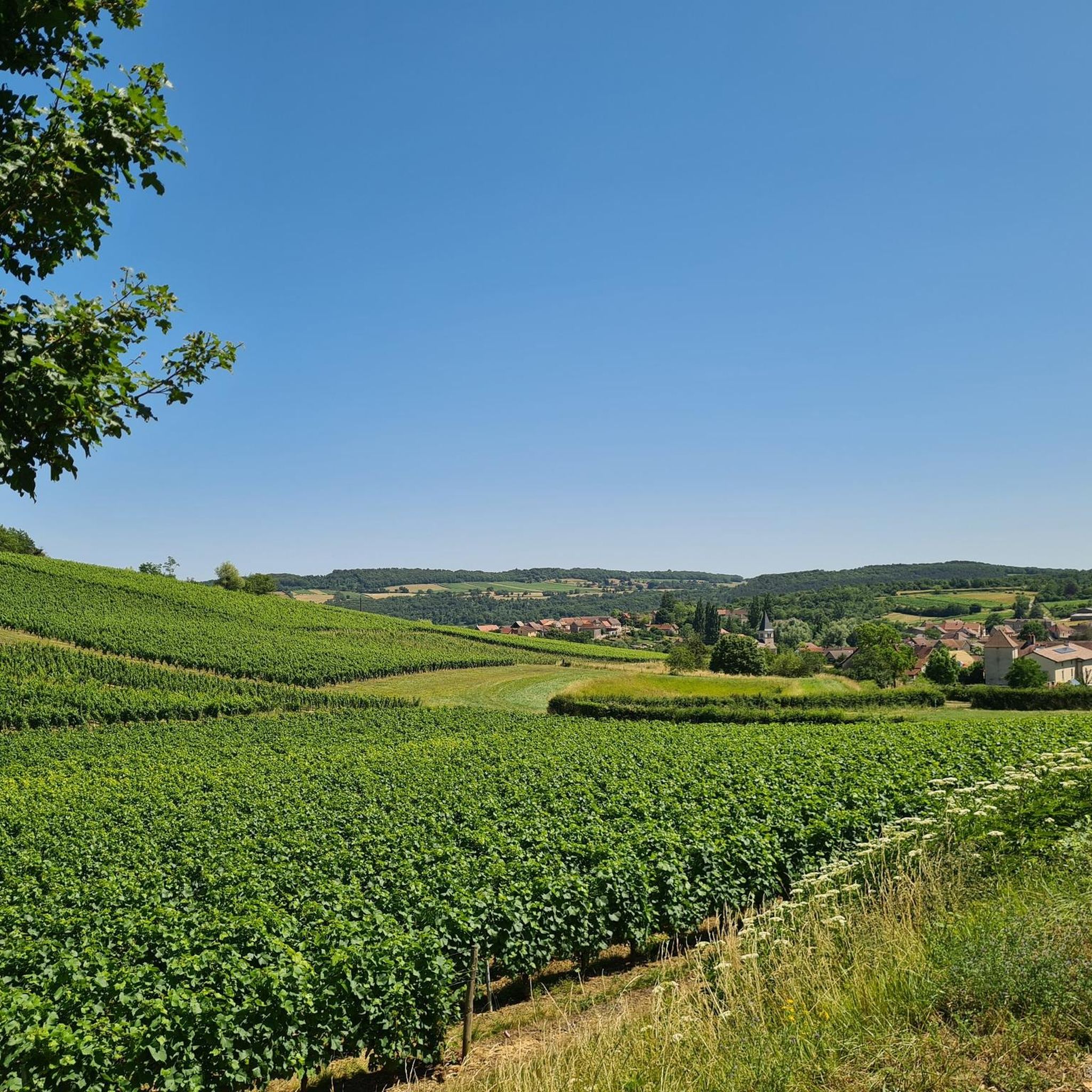
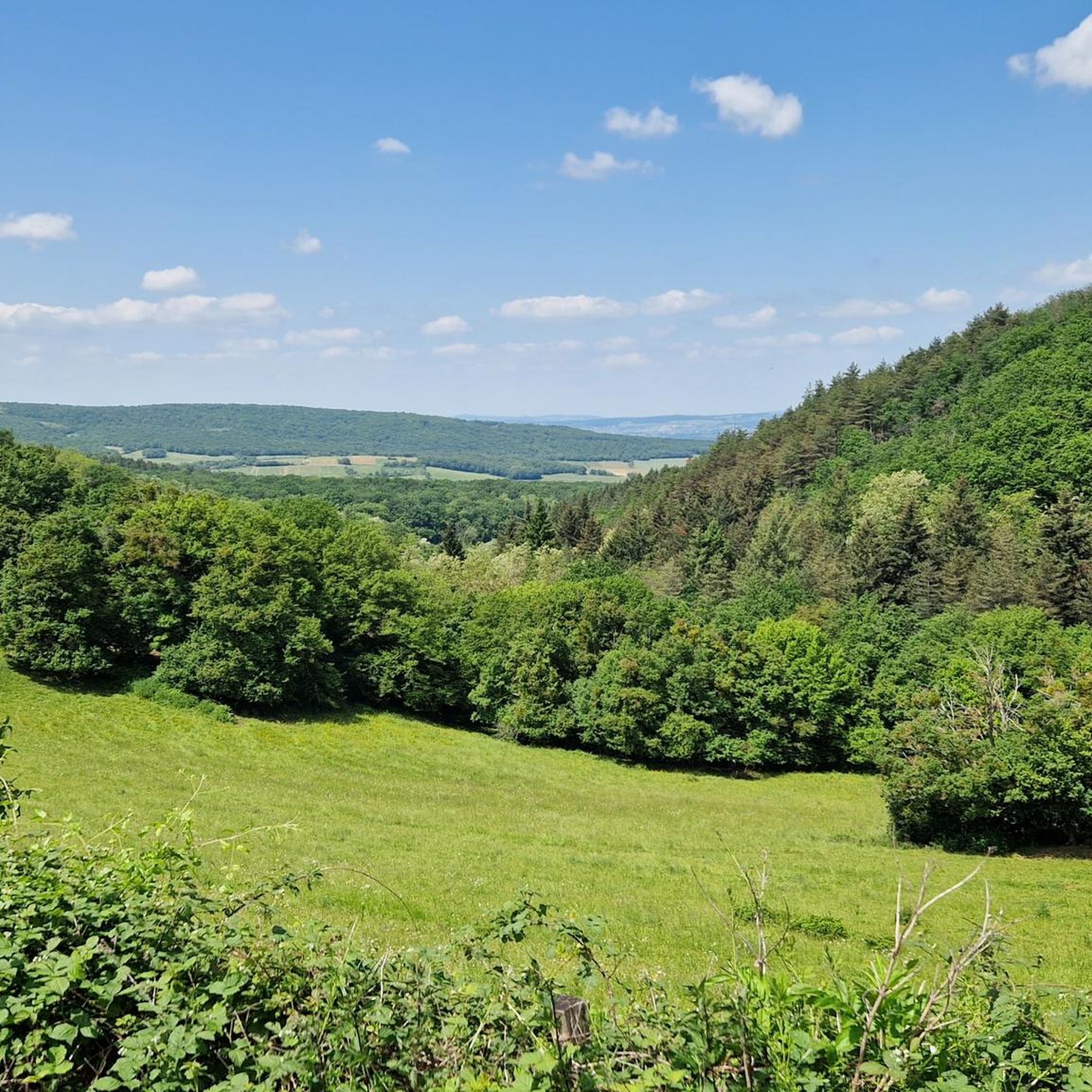

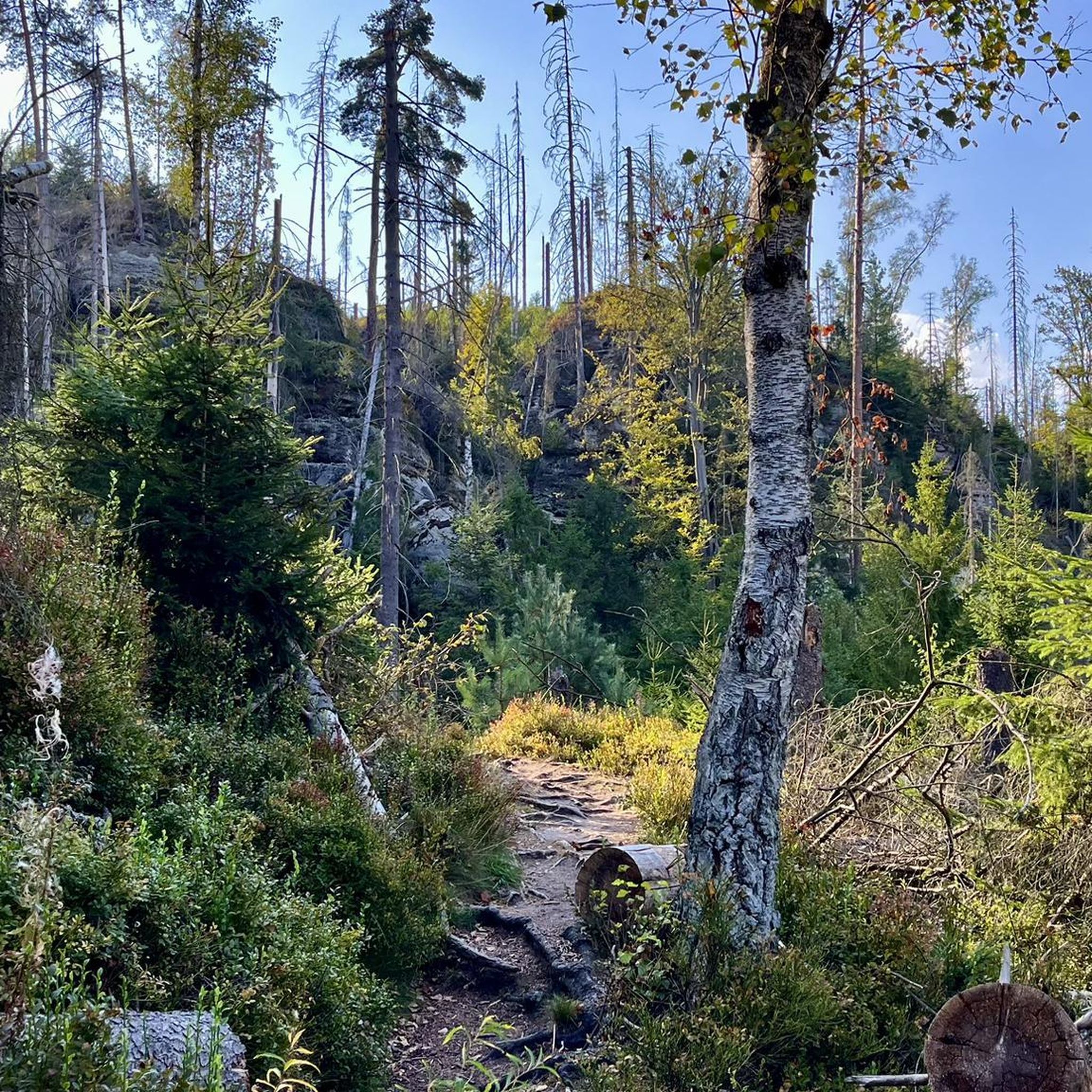
Tips from the Community

This body of water, ideal for relaxation, is located in a calm, wooded environment, near a campsite offering various accommodations and outdoor activities.
0
0

The ferme-auberge du Colombier is a typically Bressan farm, with its Saracen fireplace and its half-timbered building. It is possible to taste delicious dishes made from Bresse AOP poultry there.
0
0

This is a witness to the manufacture of carrons, these characteristic bricks for construction in the Bresse and Dombes. The carrons were stored here to dry before going into the kiln and put to cool. It is from this carronnière that the carrons used for the construction of various buildings in Romenay (gate, watchtower, etc.) originate.
0
0
Frequently Asked Questions
What types of landscapes can I expect to see while hiking around Mantenay-Montlin?
Hiking around Mantenay-Montlin offers a diverse range of landscapes. You'll find tranquil countryside with picturesque rivers like the Reyssouze and numerous ponds. The area is also characterized by the verdant Bressan bocage, featuring hedgerows and traditional half-timbered Bressan farms. Additionally, you can explore unique geological sites, including ancient wind-formed sand dunes and low-altitude wooded bogs, providing a remarkable ecological contrast.
Are there any easy hiking trails suitable for beginners or families in Mantenay-Montlin?
Yes, Mantenay-Montlin offers several easy trails perfect for beginners or families. For instance, the Étang de Mépillat loop from Cormoz is an easy 3.5-mile (5.7 km) trail that takes you through serene waterside environments. Another accessible option is the Le Pillet loop from Vernoux, which is about 3 miles (4.9 km) long and also rated as easy. In total, there are over 20 easy routes available in the area.
What kind of historical or cultural landmarks can I discover on the trails?
The region around Mantenay-Montlin is rich in historical and cultural landmarks. You can visit the historic Moulin de Veyriat, a former mill that operated until 1970. Another interesting site is the Brick-drying yard of Saint-Trivier-de-Courtes, which showcases traditional Bresse construction. Many trails also pass by traditional Bressan farms with distinctive Saracen chimneys, offering a glimpse into local heritage.
What do other hikers say about the trails in Mantenay-Montlin?
The hiking trails in Mantenay-Montlin are highly regarded by the komoot community, with an average rating of 4.6 stars from over 125 reviews. Hikers often praise the picturesque rural landscapes, the tranquility of the waterside routes, and the unique natural features like the sand dunes. Many appreciate the variety of terrain, from easy loops around ponds to more moderate routes through the Bressan bocage.
Are there any circular hiking routes available in the Mantenay-Montlin area?
Yes, many of the trails around Mantenay-Montlin are circular, allowing you to start and end at the same point. Examples include the Étang de Mépillat loop from Cormoz, the Le Pillet loop from Vernoux, and the Rippe de l'Étang loop from Mantenay-Montlin. These loops provide convenient options for exploring the region's natural beauty.
What is the best time of year to go hiking in Mantenay-Montlin?
The best time to go hiking in Mantenay-Montlin is generally during spring (April to June) and autumn (September to October). During these seasons, the weather is typically mild and pleasant, with comfortable temperatures for walking. Spring brings lush greenery and blooming wildflowers, while autumn offers beautiful fall foliage. Summer can also be enjoyable, but it's advisable to start early in the day to avoid the midday heat.
Are dogs allowed on the hiking trails in Mantenay-Montlin?
While specific regulations can vary by trail, generally, dogs are welcome on many hiking trails in the Mantenay-Montlin area, especially in rural and natural settings. It's always recommended to keep your dog on a leash to protect local wildlife and ensure the comfort of other hikers. Please be mindful of any signage indicating restrictions in certain protected areas or nature reserves.
Where can I find parking for the hiking trails in Mantenay-Montlin?
Parking for hiking trails in Mantenay-Montlin and the surrounding villages is typically available near trailheads, village centers, or designated parking areas. For routes starting from specific villages like Romenay, Saint-Trivier-de-Courtes, or Cormoz, you can usually find parking within the village or at the start of the marked trail. It's advisable to check local signage upon arrival for specific parking instructions.
Are there any unique natural features to look out for on the hikes?
Absolutely! A unique natural feature in the vicinity is the Réserve Naturelle de la Truchère-Ratenelle et Site des Charmes. This reserve boasts unusual sand dunes, formed 5,000 years ago by wind, partially covered by moss and lichen, creating a desert-like environment. Just meters away, an astonishing wooded bog thrives at a low altitude. The 'Circuit des Charmes à Sermoyer' allows exploration of these unique wind-formed sand dunes.
How many hiking routes are available in the Mantenay-Montlin area?
There are over 30 hiking routes available for exploration in the Mantenay-Montlin area, catering to various preferences and skill levels. These include a mix of easy and moderate trails, allowing you to choose an adventure that suits your experience.
Can I access the hiking trails using public transport?
Public transport options directly to specific trailheads in Mantenay-Montlin may be limited, as the area is largely rural. However, local bus services might connect Mantenay-Montlin to larger towns in the Ain department, from which you could potentially access some starting points. For detailed information on public transport routes and schedules in the Ain department, it's best to consult local transport authorities or the Ain-Tourisme website for guidance.
What is the typical terrain and elevation gain like on the trails?
The terrain around Mantenay-Montlin is generally gentle, characterized by the Bresse plains. Most trails feature relatively low elevation gains, making them accessible for a wide range of hikers. For example, the The Leaning House – Saint Martin Church, Romenay loop has an elevation gain of about 71 meters over 10.3 km, while the Hiking loop from Saint-Trivier-de-Courtes has about 79 meters over 13.2 km. You'll primarily encounter paths through farmland, bocage, and along rivers or ponds.
Most popular routes around Mantenay-Montlin
Most popular attractions around Mantenay-Montlin

Get inspired with the komoot mobile app


Explore more
Browse the best Hikes in other regions.
