Attractions and Places To See around Lussac-Les-Châteaux - Top 6
Attractions and places to see around Lussac-Les-Châteaux, a commune in the Vienne department of Nouvelle-Aquitaine, France, offer a blend of historical, cultural, and natural sites. The region is known for its rich prehistoric past, evidenced by significant archaeological discoveries and ancient cave systems. Visitors can explore medieval remnants, historical monuments, and serene natural landscapes, including forests and ponds. This area provides opportunities to delve into history and enjoy outdoor activities.
Best attractions and places to see around Lussac-Les-Châteaux
- The most…
Last updated: July 15, 2026
Merovingian Necropolis
Highlight • Historical Site
Translated by Google •
Tip by

Château de Morthemer
Highlight • Castle
Translated by Google •
Tip by

Sign up now to discover places like this
Get recommendations on the best single tracks, peaks, & plenty of other exciting outdoor places.
Sign up for free
Lussac Pond
Highlight • Other
Translated by Google •
Tip by
La Petite Blourde
Highlight • Trail
to discover
Translated by Google •
Tip by

La Chapelle Morthemer
Highlight • Other
Translated by Google •
Tip by
Start today with a free account
Your next adventure awaits.
Login or Signup
Tips from the Community

beautiful little walk on the paths of the little blourde, very rolling with some very pleasant passages in the woods. to discover
1
0

“Death would gladly walk through the realm of joy, He would gladly press his hand on flowery brows. In ashes tomorrow and torn garments, With bowed head, the memory of joy will be a reproach and a pain to us. Our games are followed by funeral processions; For us Saturnalia can be the cradle, Woe to us! of songs of the dead alone!” Text: Victor HUGO, (1802 – 1885): “Ode sur la mort du duc de Berry” (1820)
0
0

The Romanesque keep of the Château de Morthemer is mentioned as early as 1077 and is a fantastic example of a church-castle in Vienne.
3
0
The Romanesque keep of Morthemer castle is mentioned as early as 1077 and is a fantastic example of a church-castle in Vienne.
3
0

Quite impressive necropolis dating from the 4th century and which has housed more than 1000 graves! The place is fascinating and mysterious.
1
0
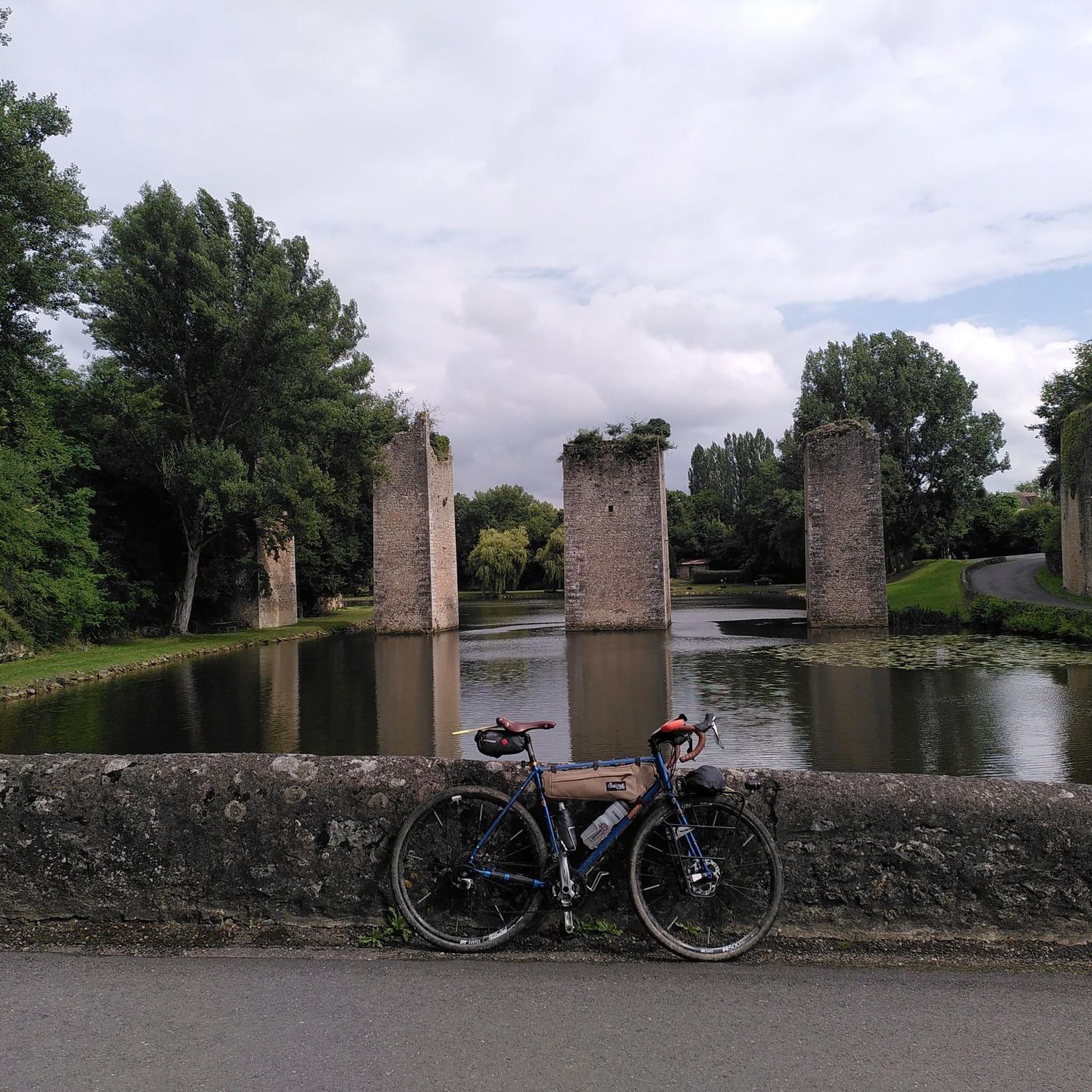
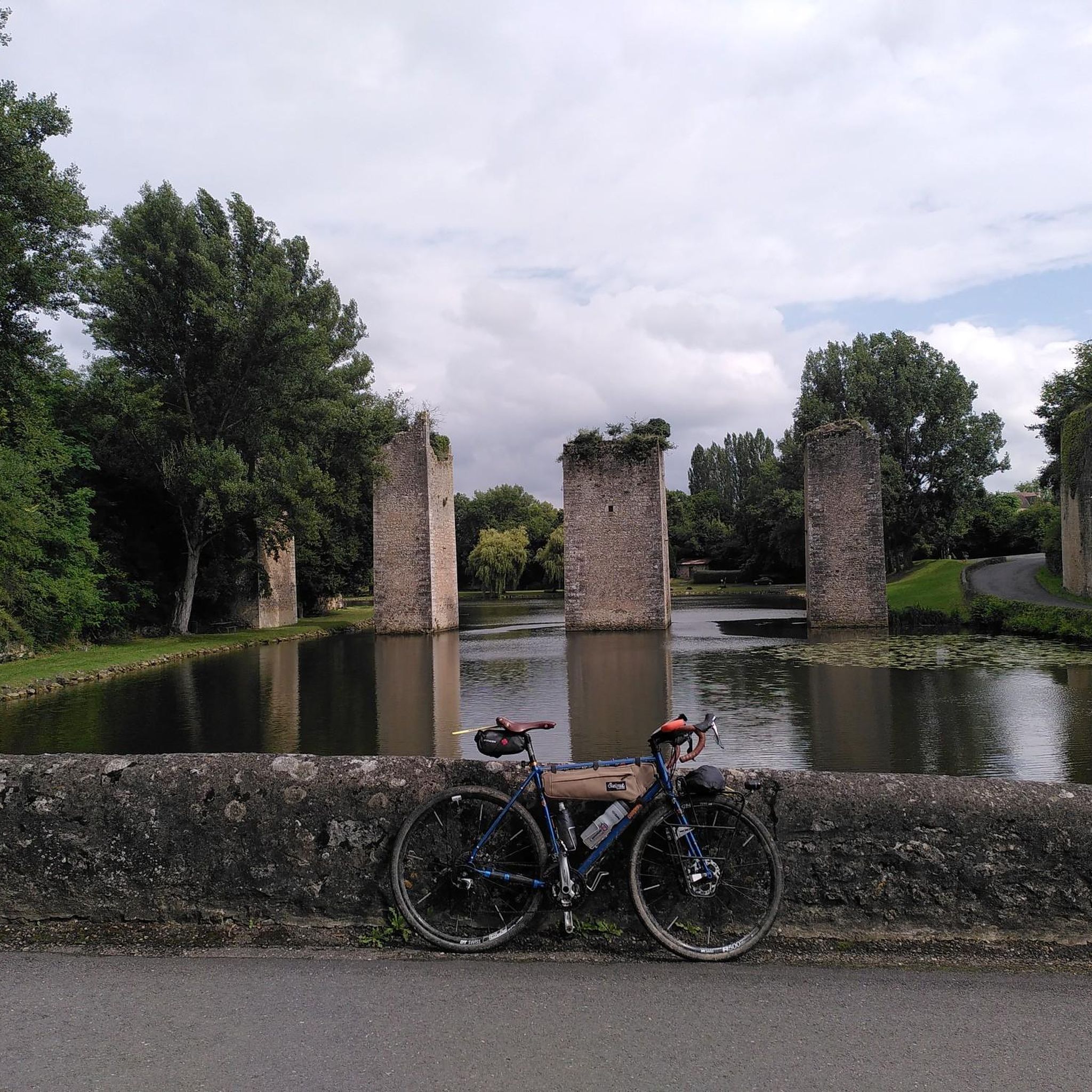
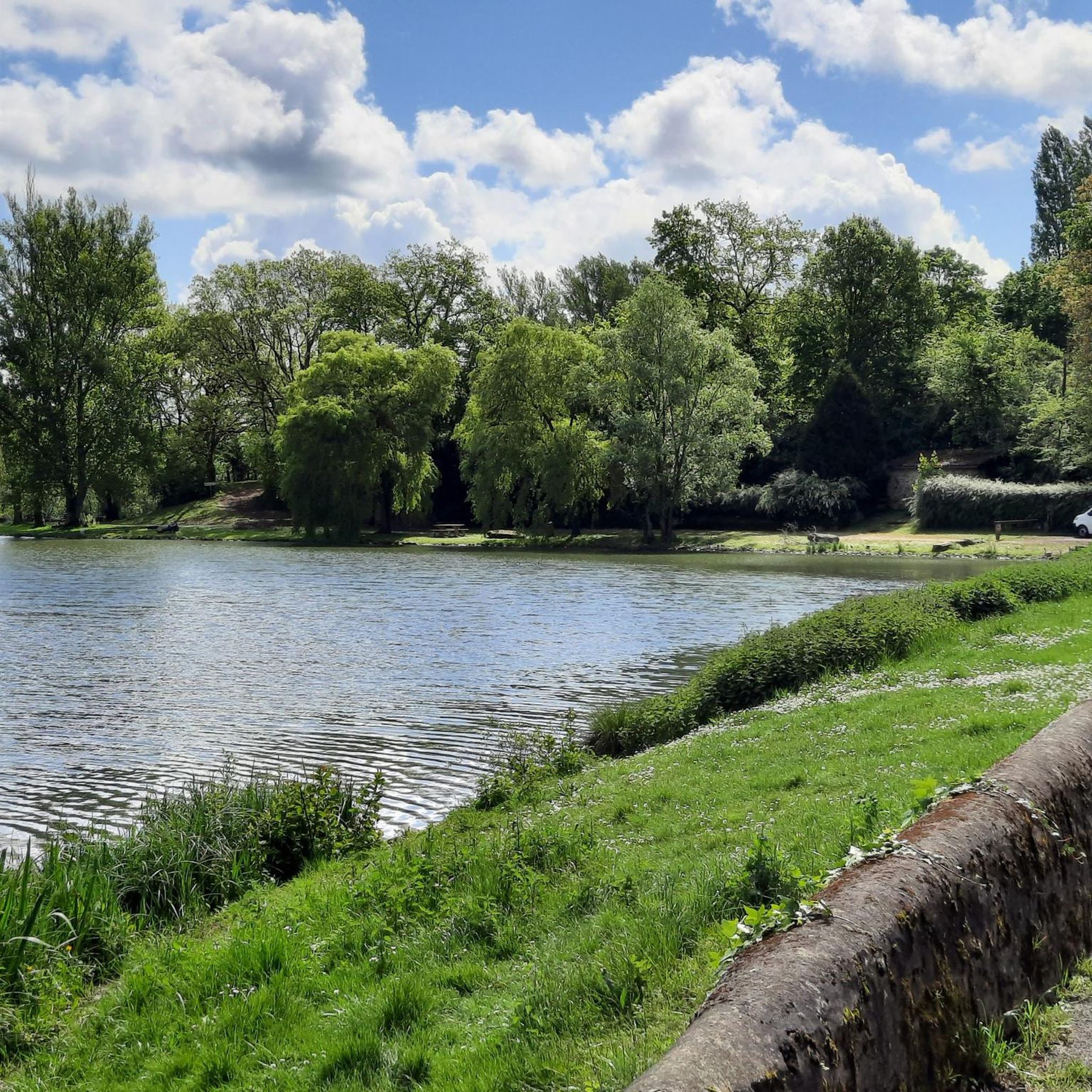
Located close to the city center, the pond is bordered by prehistoric caves. You can also see the piles of the old medieval drawbridge. Picnic tables on the banks.
1
0

Seat of a castellany mentioned as early as 1077 and erected as a barony in the 15th century, the Romanesque keep of the castle of Morthemer has been the subject of excessive restoration on the elevation. These works were entrusted from 1865 by Baron de Soubeyran, a wealthy financier and deputy, to Boeswillwald, a disciple of Viollet-le-Duc. The keep was originally a square five-storey tower; it was connected to the church by a 17th century dwelling. Outrageous, this restoration perfectly applies the theories and options of the architect relating to fortified castles; in this respect, the example is unique in Vienne. The building nevertheless remains a spectacular example of a castle-church. Registration Historic Monuments in 1927.
3
0
pretty Romanesque church, Notre-Dame-la-Chapelle-Morthemer, erected over the centuries (11th, 12th and 15th centuries) and restored in the 19th century, and whose apse has been listed as a Historic Monument since 1910.
0
0
Frequently Asked Questions
What historical sites can I explore in Lussac-les-Châteaux?
Lussac-les-Châteaux is rich in history. You can visit the impressive Merovingian Necropolis, dating from the 4th century with over a thousand graves. Don't miss the Château de Morthemer, a castle with a Romanesque keep from 1077, known for its unique church-castle architecture. The La Chapelle Morthemer, a Romanesque church, is also a significant historical monument.
Are there any prehistoric attractions in the area?
Yes, the region has a significant prehistoric past. The Musée de Préhistoire La Sabline offers a comprehensive look into the local prehistoric era, featuring Magdalenian engraved stones and tools. You can also explore the Grotte de la Marche, a famous prehistoric cave known for its Magdalenian engravings of human figures and animals, and the Grotte des Fadets.
What natural features can I enjoy around Lussac-les-Châteaux?
Nature lovers will appreciate the Lussac Pond, located near the town center, which offers picnic areas and hints of prehistoric caves. The Lussac Forest and surrounding natural sites like the Etang de l'Hermitage provide excellent opportunities for hiking and enjoying the serene environment. You can also take a pleasant walk through the wooded paths of La Petite Blourde.
What outdoor activities are available near Lussac-les-Châteaux?
The area is ideal for various outdoor activities. You can find numerous appealing hiking trails, such as 'Le Gué de la Biche' and 'La fosse aux loups'. For cycling enthusiasts, there are many routes available, including those around the Lussac-les-Châteaux area, and specific road cycling and MTB trails.
Are there family-friendly attractions in the vicinity?
Families can enjoy several attractions nearby. Terre de Dragons (formerly 'La Planète des Crocodiles') in Civaux, about 8.7 km away, is a zoological and botanical park with various animals and exotic plants. Civaux also offers the Abysséa aquatic center, perfect for a fun day out with children.
What are some unique cultural sites or 'hidden gems' to discover?
Beyond the main attractions, consider visiting The Hermitage, an enigmatic building classified as a historical monument, possibly a former leper colony. The Dolmen de Loubressac is another interesting megalithic structure. For a unique cultural experience, Montmorillon, known as the 'City of Writing,' is just 12 km away.
What are the best places for walking or hiking?
For walking and hiking, explore the Lussac Forest and its local hillsides. The area around Lussac Pond offers pleasant strolls, and the wooded paths of La Petite Blourde are highly recommended for a beautiful, rolling walk. You can find more detailed routes on the cycling and walking guides for the region.
Are there any notable castles or châteaux other than Morthemer?
Yes, the surrounding area features several other historic châteaux. These include Château de la Brûlonnière, Château de la Forge at Lhommaizé, and Château de la Mothe. While some are private, their architecture adds to the region's historical charm.
What are some recommended day trips from Lussac-les-Châteaux?
Several charming towns are within a short drive. Chauvigny, 19 km away, is famous for its impressive castles. The UNESCO World Heritage site of Saint-Savin-sur-Gartempe Abbey, known for its magnificent Romanesque frescoes, is about 21 km away. Angles-sur-l'Anglin, designated one of France's 'Most Beautiful Villages,' is also a worthwhile visit, approximately 35 km distant.
What is the best time to visit Lussac-les-Châteaux for outdoor activities?
The region's natural beauty and outdoor trails are best enjoyed during spring, summer, and early autumn when the weather is mild and conducive for hiking, cycling, and exploring the natural sites like Lussac Forest and the various ponds.
Can I find industrial heritage sites in the area?
Yes, the region's industrial past is visible in sites such as the Arcades de Villars in Persac, the forges of Goberté in Gouex, and the minoterie (flour mill) of Mazerolles, offering a glimpse into the area's historical industries.
What do visitors enjoy most about Lussac-les-Châteaux?
Visitors particularly enjoy the blend of rich history and serene natural beauty. The Merovingian Necropolis is often described as fascinating and mysterious, while Lussac Pond is appreciated for its picturesque setting and picnic opportunities. The unique architecture of Château de Morthemer also leaves a lasting impression.
Most popular routes around Lussac-Les-Châteaux

Get inspired with the komoot mobile app


Explore more
Still not found the Highlight you’re looking for? See guides of the top attractions in other regions:
