Attractions and Places To See around Thoissia - Top 20
Best attractions and places to see around Thoissia are concentrated in the Jura department of the Bourgogne-Franche-Comté region. This small French commune, though modest in size, offers a quiet rural setting characteristic of the region. Visitors can explore local historical sites and enjoy the surrounding natural landscape. The area provides opportunities to discover the charm of small French villages and their heritage.
Best attractions and places to see around Thoissia
- The most popular attractions is Cuiseaux, a settlement that…
Last updated: July 20, 2026
Cuiseaux
Highlight • Settlement
Translated by Google •
Tip by

Chevreaux Castle
Highlight • Castle
Translated by Google •
Tip by

Sign up now to discover places like this
Get recommendations on the best single tracks, peaks, & plenty of other exciting outdoor places.
Sign up for free
Ancient Roman Road of Montagna
Highlight (Segment) • Other
Translated by Google •
Tip by
Châtel
Highlight • Settlement
Marked by the presence of the Benedictines of …
Translated by Google •
Tip by
Chanelet Viewpoint
Highlight • Viewpoint
Translated by Google •
Tip by
Sign up for free to discover even more attractions around Thoissia.
Sign up for free
Already have an account?
Start today with a free account
Your next adventure awaits.
Login or Signup

Tips from the Community

Beautiful little old town. There is an excellent gas-fired pizza place in town that we like to visit when we pass through. Everything is fresh and prepared on site. 🍕🍕🍕
2
0

This small, remote village hosted a large religious community, including the Benedictines of Gigny from 974 to 1359.
1
0
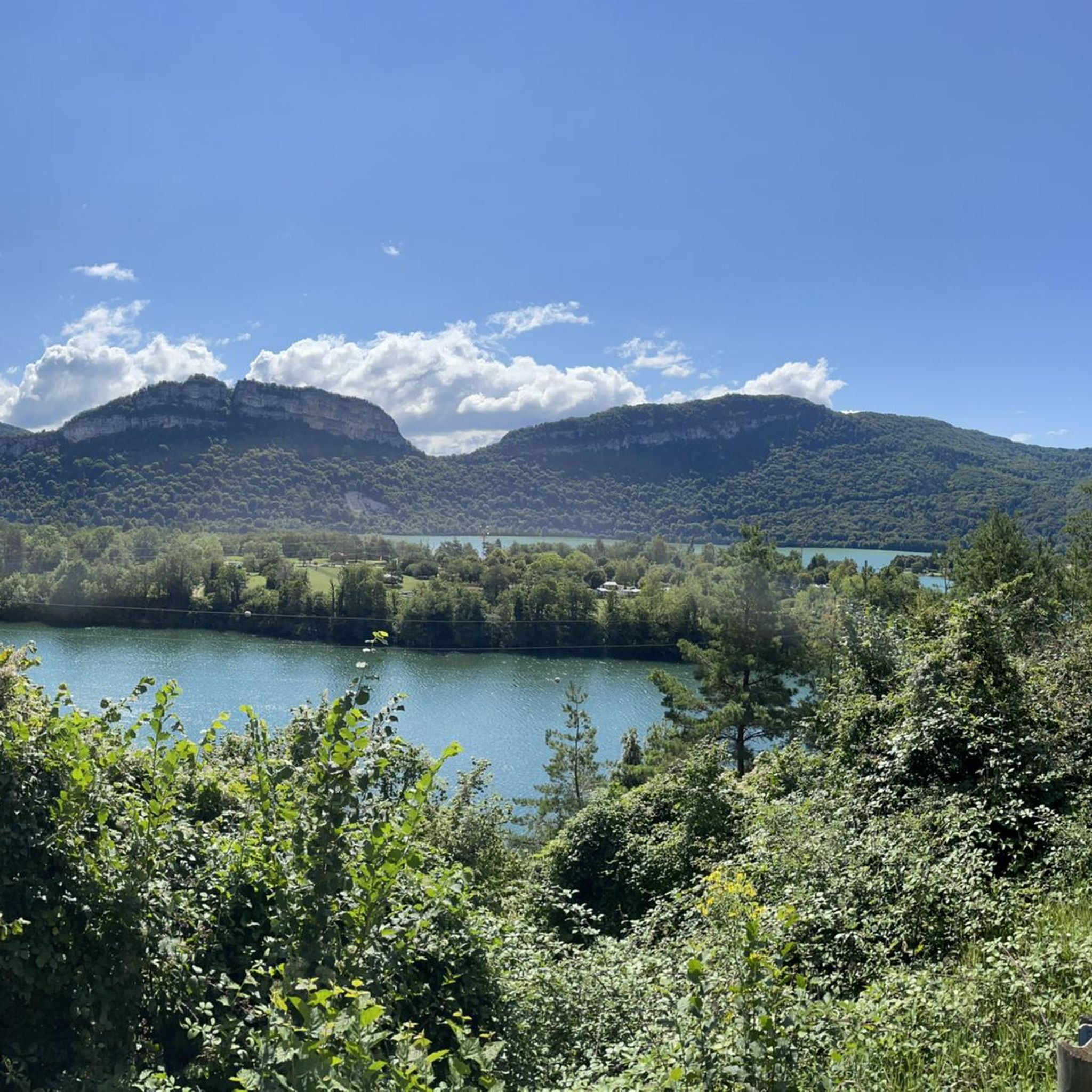
The Chanelet belvedere or Gizia cross belvedere offers superb views of the valley, the Bresse plain, and even the Côte-d'Or on a clear day.
0
0

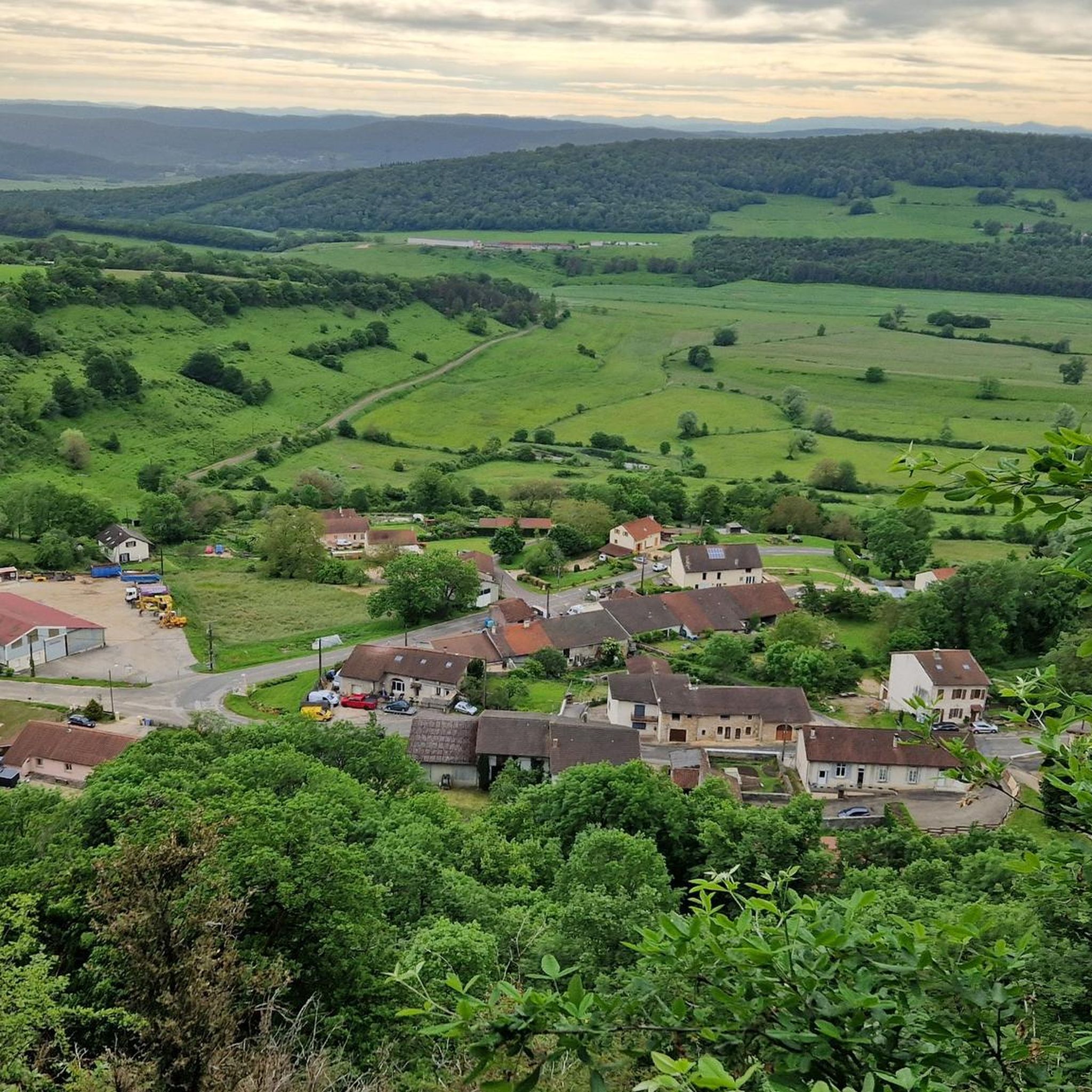
Châtel is intimately linked to the history of the Via Cluny paths. This quiet little village has housed a large religious community. Marked by the presence of the Benedictines of Gigny from 974 to 1359, Manassès III de Coligny made Châtel a Benedictine priory linked to the abbey of Gigny. The abbey of Cluny then named "the prior of Châtel", while the church of Saint-Etienne de Châtel became the seat of a vast parish.
1
0
The pretty medieval village of Cuiseaux is an ideal place for a stroll along its narrow streets and its walkway. Its remains dating from the Middle Ages testify to its past: 12th century fortified gate known as the "orchard gate", Renaissance houses with mullioned windows, castle of the Princes of Orange, watchtower house, washhouse, Saint-Thomas church with remarkable wooden stalls and its black Madonna, winegrowers' houses...
0
0
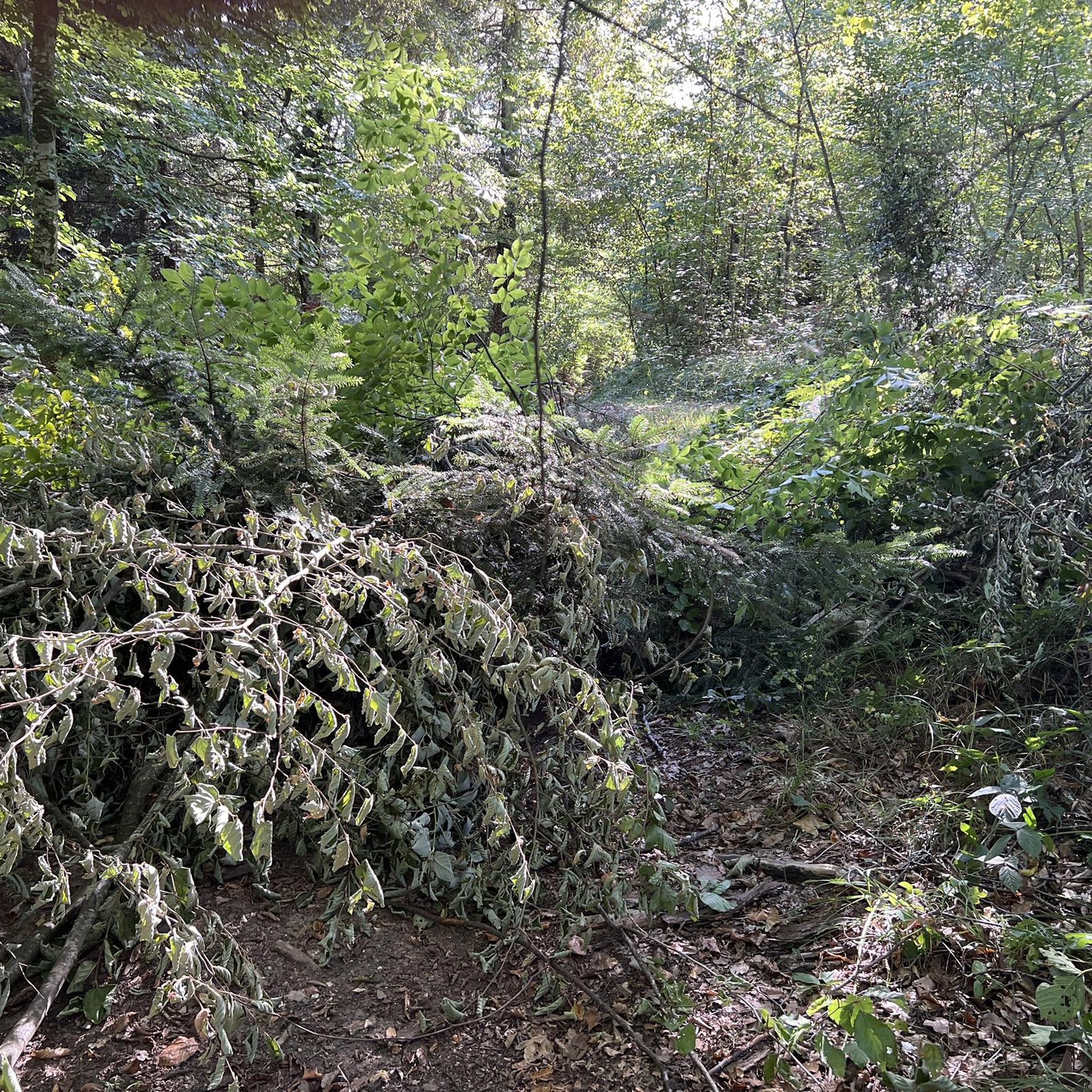
The Roman roads of Revermont make it possible to make the connection between various cities and nearby ancient agglomerations (Bourg-en-Bresse, Coligny, Lons-le-Saunier). Difficult to date and little studied, this building was the subject of a vast restoration campaign in the 1980s carried out by volunteers, which today allows us to walk in the footsteps of our ancestors. You can discover the traces left by the passage of wheels in the cobblestones and enjoy the shaded path that leads to the Montagna belvedere.
0
0
Located on the first foothills of the Jura massif, the Château de Chevreaux is perched on a promontory at an altitude of 470 metres. It already existed in 1158, and since that date several families have succeeded. In 1637, the French army completely destroyed the site. The castle is in ruins but its reconstruction is in progress thanks to the Friends of Chevreaux Châtel association. Here, you can see different craftsmen at work: stone cutters, ironworkers, blacksmiths.
0
0
Located at the end of the remote Gizia, the belvedere offers a superb view. Remember to look up, maybe you will see a peregrine falcon!
0
0
Frequently Asked Questions
What historical sites can I explore around Thoissia?
The region around Thoissia is rich in history. You can visit Chevreaux Castle, a historical site perched on a promontory that existed as early as 1158 and is currently undergoing reconstruction. Another significant historical spot is the Ancient Roman Road of Montagna, where you can walk in the footsteps of ancestors and see traces left by ancient wheels. The village of Châtel also has a deep historical connection, particularly with the Benedictines of Gigny and the Via Cluny paths.
Are there any viewpoints with scenic vistas near Thoissia?
Yes, for breathtaking views, head to Chanelet Viewpoint. This belvedere offers superb panoramic views of the valley, the Bresse plain, and even the Côte-d'Or on clear days. It's also a good spot to look out for peregrine falcons.
What kind of outdoor activities are available around Thoissia?
The rural setting of Thoissia and the Jura department offers various outdoor activities. You can find numerous routes for cycling, running, and hiking. For cycling, explore routes like the 'Cuiseaux – Cuiseaux Village Center loop' or the 'Mont Myon loop'. Hikers can enjoy trails such as the 'Le Mont loop' or the 'Belvedere, Chateau and Chapel loop'. For more details on these and other routes, visit the dedicated guides for Cycling around Thoissia, Running Trails around Thoissia, and Hiking around Thoissia.
Are there family-friendly attractions in the Thoissia area?
Yes, several attractions are suitable for families. The medieval village of Cuiseaux is an ideal place for a stroll with its narrow streets, historical remains, and Renaissance houses. Chevreaux Castle, with its ongoing reconstruction by craftsmen, can also be an engaging visit for families interested in history and medieval crafts.
What is the best time to visit Thoissia and its surrounding attractions?
Given its rural setting and focus on outdoor activities and historical exploration, the best time to visit Thoissia is generally during the warmer months, from spring to early autumn (April to October). This period offers pleasant weather for hiking, cycling, and exploring the villages and viewpoints. Clear days are particularly good for enjoying the panoramic views from spots like Chanelet Viewpoint.
What do visitors enjoy most about the attractions near Thoissia?
Visitors particularly appreciate the quiet charm of the small French villages and the rich historical heritage of the area. The medieval village of Cuiseaux is loved for its beautiful old town and pleasant strolls. The superb views from Chanelet Viewpoint are also a highlight, as is the historical significance and ongoing reconstruction efforts at Chevreaux Castle.
Are there any easy hiking trails suitable for beginners near Thoissia?
Yes, for those looking for easier hikes, the 'Le Mont loop from L'Aubépin' is an easy 4.94 km trail. Another option is the 'Bois des Perrières loop from L'Aubépin', which is an easy 6.90 km route. These trails offer a gentle way to experience the natural landscape around Thoissia. You can find more details in the Hiking around Thoissia guide.
Where can I find cafes or accommodation near Thoissia?
While Thoissia itself is a very small commune, the nearby medieval village of Cuiseaux, a short distance away, offers amenities. Visitors have noted a good gas-fired pizza place there. For a wider range of cafes, pubs, and accommodation options, you would typically look to larger nearby towns in the Jura department.
Is there public transport or parking available for attractions like Chevreaux Castle?
Information on specific public transport routes directly to attractions like Chevreaux Castle is limited due to the rural nature of the area. It is generally recommended to travel by car. Parking is usually available near such sites, though it might be informal or in designated areas within the village of Chevreaux itself. Always check local signage upon arrival.
What is the significance of the Ancient Roman Road of Montagna?
The Ancient Roman Road of Montagna is a historical pathway that connected various ancient cities and agglomerations in the region, such as Bourg-en-Bresse, Coligny, and Lons-le-Saunier. Although difficult to date precisely, it underwent a significant restoration in the 1980s. Walking this shaded path allows you to see the traces left by ancient wheels in the cobblestones and leads to the Montagna belvedere.
Are there any specific religious or cultural sites to visit?
Yes, the village of Châtel is intimately linked to the history of the Via Cluny paths and housed a large religious community. It was a Benedictine priory linked to the abbey of Gigny, and its church of Saint-Etienne de Châtel was the seat of a vast parish. In Cuiseaux, you can also find the Saint-Thomas church with remarkable wooden stalls and a black Madonna.
Can I find any hidden gems or less-known spots around Thoissia?
While Thoissia itself is a small, quiet commune, the charm lies in discovering its rural character and subtle historical markers like the mentioned Flurkreuz (Field Cross) and Brunnen (Fountain) within the village. The Ancient Roman Road of Montagna, though restored, offers a unique, less-traveled historical experience leading to a belvedere, providing a sense of discovery away from more prominent sites.

Get inspired with the komoot mobile app


Explore more
Still not found the Highlight you’re looking for? See guides of the top attractions in other regions:
