The best road cycling routes around Villards-D'Héria
4.7
(117)
2,775
riders
129
rides
Road cycling routes around Villards-D'Héria are situated within the Jura Mountains of France, offering varied terrain for cyclists. The region features the Lac de Vouglans, France's third-largest artificial reservoir, surrounded by forests and cliffs. Cyclists encounter significant elevation changes across routes that traverse diverse landscapes, including the mountainous Haut Jura Natural Park. The area provides a network of routes suitable for different levels of experience.
Best road cycling routes around Villards-D'Héria
- The most popular road cycling route is Lac de…
Last updated: May 16, 2026
4.8
(6)
134
riders
55.6km
02:52
940m
940m
Hard road ride. Very good fitness required. Mostly well-paved surfaces and easy to ride.
4.5
(8)
231
riders
44.8km
02:12
700m
700m
Moderate road ride. Good fitness required. Mostly well-paved surfaces and easy to ride.

Sign up for free
39
riders
53.7km
02:37
770m
770m
Moderate road ride. Good fitness required. Mostly well-paved surfaces and easy to ride.
5.0
(1)
42
riders
161km
08:28
2,570m
2,570m
Hard road ride. Very good fitness required. Some segments of this route may be unpaved and difficult to ride.
24
riders
164km
08:59
3,000m
3,000m
Hard road ride. Very good fitness required. Some segments of this route may be unpaved and difficult to ride.
Get access to more routes and recommendations from other explorers.
Sign up for free
Already have an account?
Our route recommendations are based on thousands of hikes, rides, and runs completed by other people on komoot.
Start today with a free account
Your next adventure awaits.
Login or Signup

Tips from the Community

The bridge separates two departments, the Jura and the Ain. "Iron bridge. For several centuries, the Ain was crossed at Thoirette by means of a ferry, known as the bac de Christouphe, the name of the commune where the passenger resided. From 1808 to 1811, the riparian communes clubbed together to build a bridge in place of this ferry. The project had been drawn up by Mr. Cordier, of Orgelet, an engineer then in charge of the direction of the Simplon road works. Various obstacles opposed the execution of this work. It was only in 1829 that an iron bridge was built, which collapsed in 1843. The department of Ain has just replaced it with an iron bridge currently open to traffic". Statistique de la France - 1855 - Ministère de l'Agriculture par Imprimerie Impériale à Paris - p53.
0
0
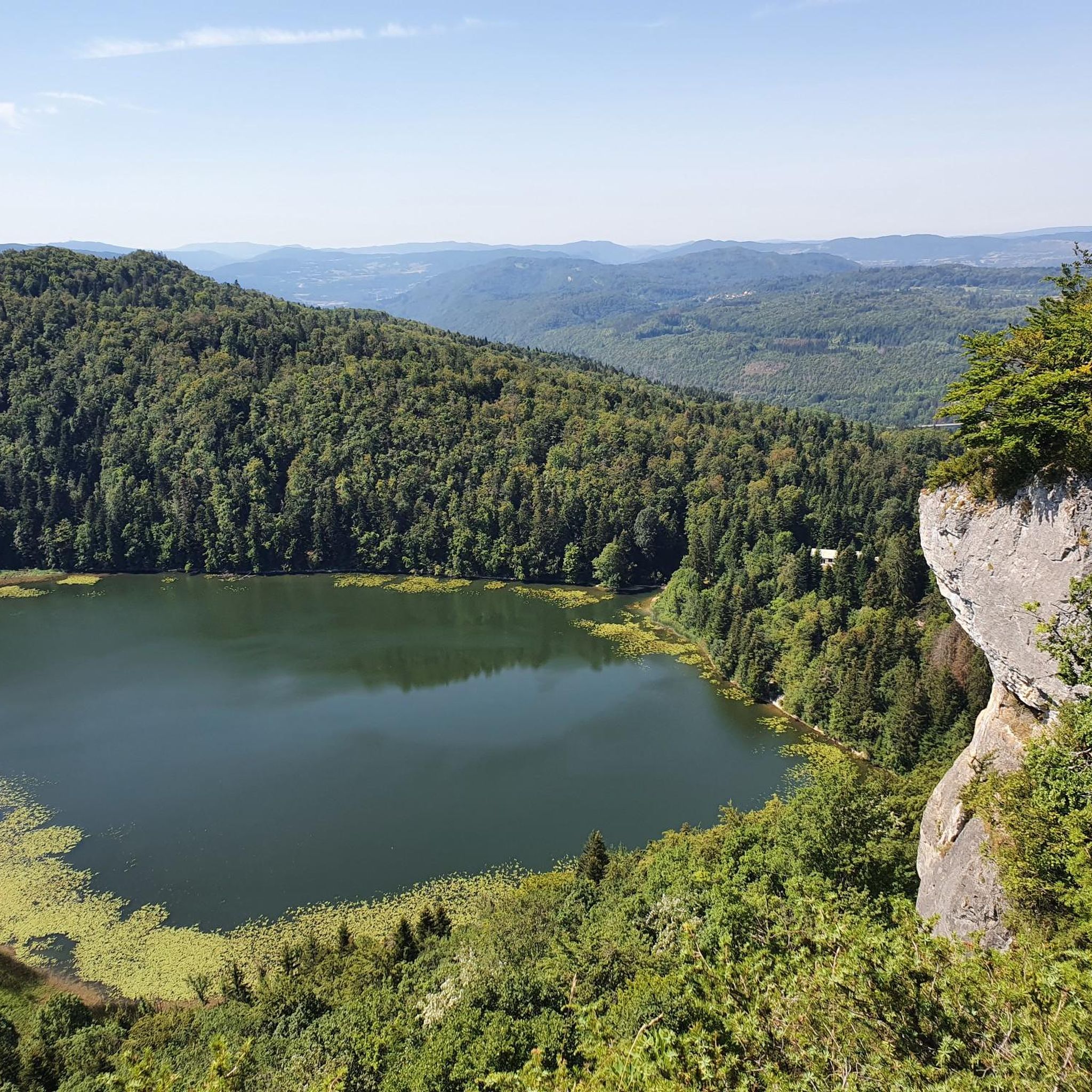
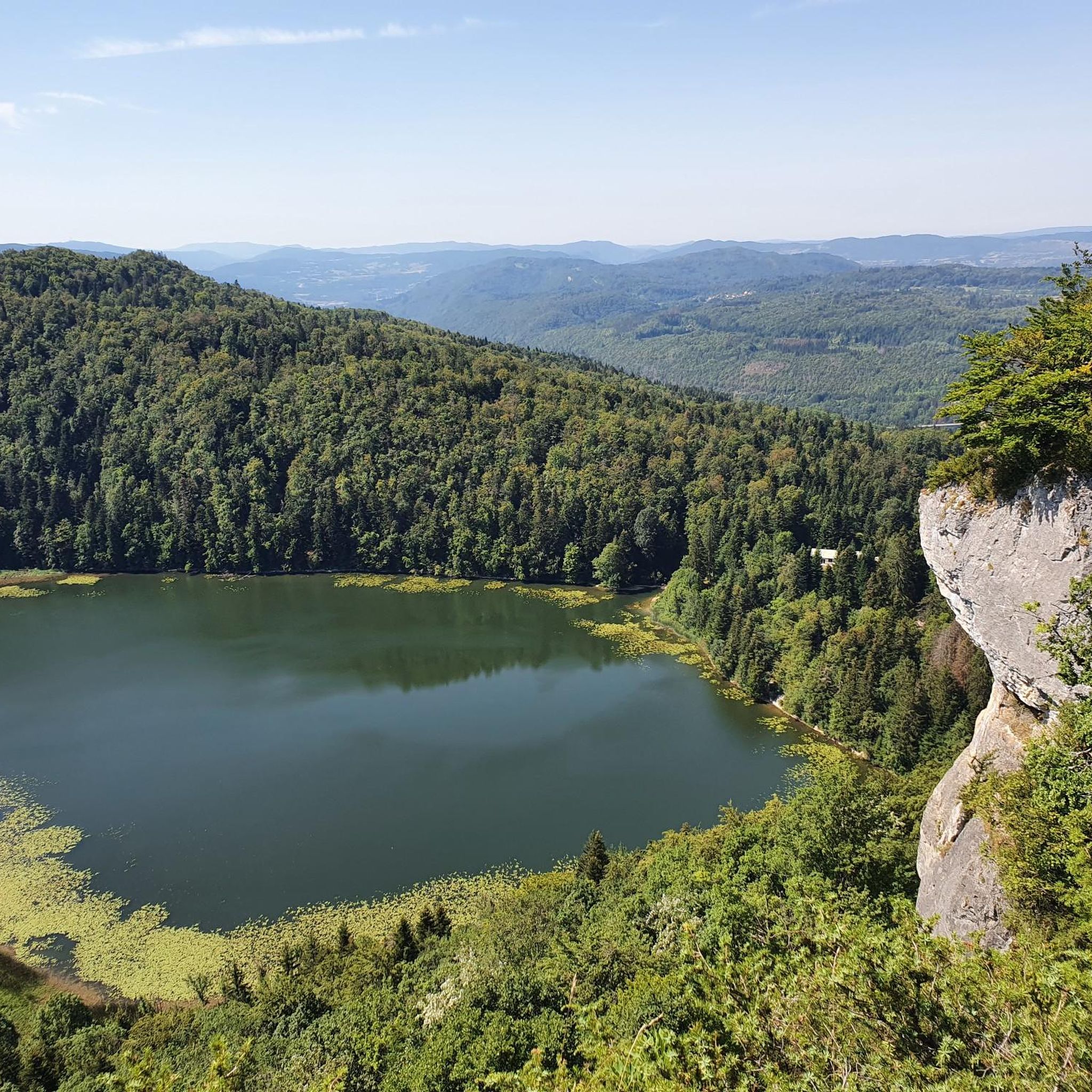
Viewpoint with a picnic table in the shade and a nice view of the lake.
0
0


Climbed it today (17-8-25); it's open, and there are signs along the road showing your progress. Traffic is quiet, and a beautiful green climb, especially further on.
0
0


Classified as 3rd category, the Col de la Joux was crossed during the 8th stage of the 2017 Tour De France!
0
0
Frequently Asked Questions
What is the typical terrain and difficulty for road cycling in Villards-D'Héria?
Road cycling in Villards-D'Héria, nestled within the Jura Mountains, features varied terrain with significant elevation changes. You'll find routes traversing the 'Petite Montagne' and ascending towards higher altitudes like Les Rousses. The area offers a mix of difficulties: 6 easy routes, 50 moderate routes, and 59 difficult routes, catering to various experience levels.
Are there challenging road cycling routes for experienced cyclists?
Yes, the region is well-suited for experienced cyclists seeking a challenge. Many routes, including stages of the 'Tour du Jura Vélo Sport,' feature substantial elevation gains. For example, the Vouglans Dam – View of Lac de Vouglans loop from Villards-d'Héria is a difficult 101.7-mile route with nearly 3,000 meters of elevation gain.
What scenic views or natural features can I expect on road cycling routes?
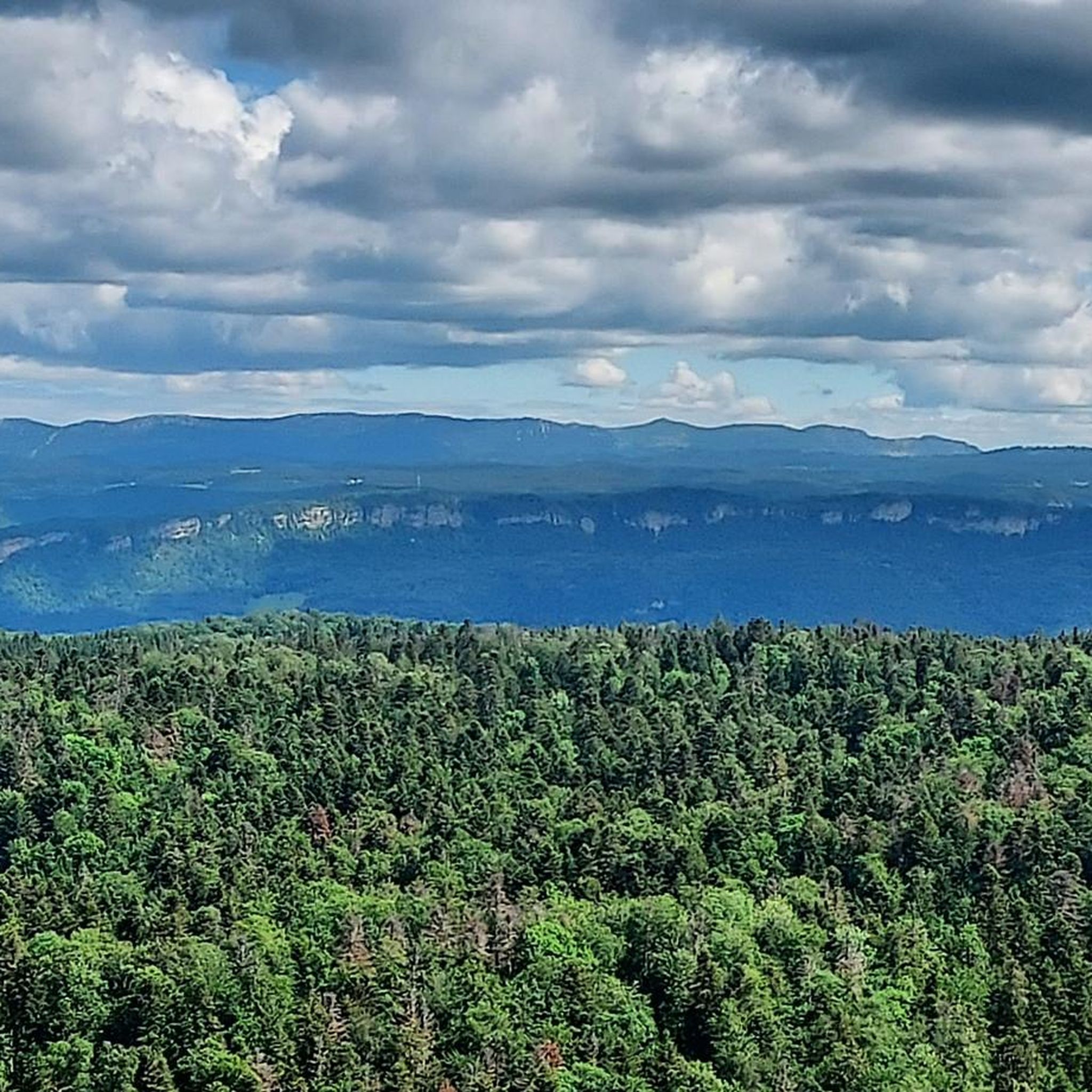
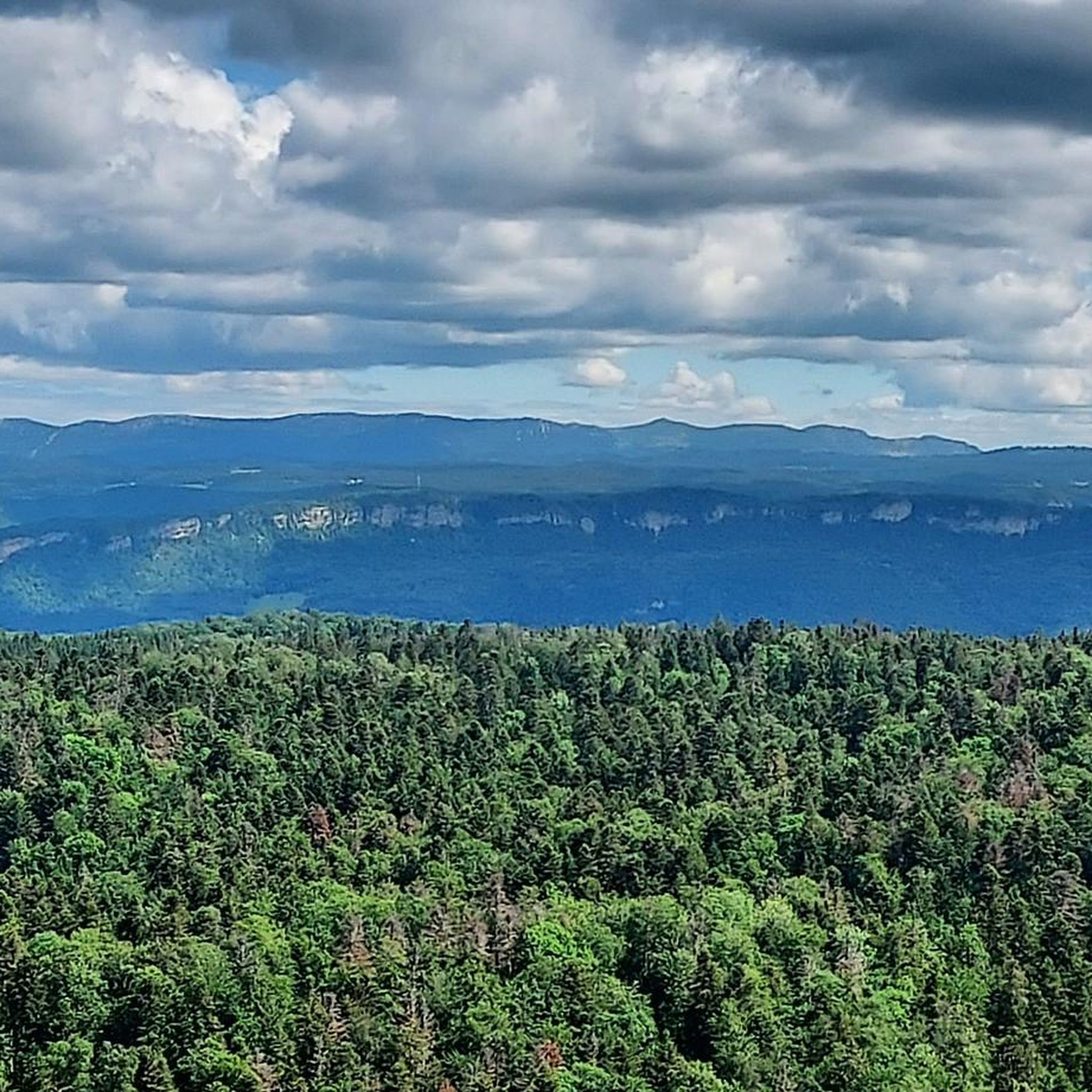
You can expect breathtaking views of the Jura Mountains and the emerald Lac de Vouglans, France's third-largest artificial reservoir. Many routes offer panoramic vistas from viewpoints such as the La Fratte Viewpoint and the Chancia Viewpoint, often overlooking the lake and dense forests. The Héria river valley also adds to the natural beauty.
Are there any historical sites or landmarks to see while cycling?
Yes, the region has historical points of interest. Villards-D'Héria is home to the significant Gallo-Roman archaeological site of 'Pont des Arches,' one of France's first classified archaeological sites. You might also pass through charming settlements like Saint-Claude or spot the Saint Romain de Roche Chapel.
Can I find circular road cycling routes in the area?
Yes, many road cycling routes in Villards-D'Héria are designed as loops, allowing you to start and finish in the same location. Examples include the popular Lac de Vouglans — loop from Moirans-en-Montagne and the longer View of Lake Vouglans – Thoirette on the Ain River loop from Villards-d'Héria.
What is the best time of year for road cycling in Villards-D'Héria?
The best time for road cycling in the Jura Mountains region, including Villards-D'Héria, is generally from spring through autumn. During these seasons, the weather is more favorable, and the natural landscapes are at their most vibrant. Summer offers warm temperatures, while spring and autumn provide cooler rides and beautiful foliage.
What do other road cyclists enjoy the most about road cycling in Villards-D'Héria?
The area is highly rated by the komoot community, with an average score of 4.7 stars from over 100 reviews. Cyclists often praise the diverse landscapes, the stunning views of Lac de Vouglans, and the challenging yet rewarding elevation profiles that make for a sporty roaming experience.
Are there any waterfalls visible from road cycling routes?
Yes, you might encounter waterfalls near some routes. The Moulin de Vulvoz Waterfall is a notable natural monument in the vicinity that could be a scenic stop or a point of interest along your ride.
How long do road cycling routes typically take in Villards-D'Héria?
Route durations vary significantly based on distance and difficulty. Shorter, moderate routes like Lac de Vouglans — loop from Moirans-en-Montagne can take around 2 hours 52 minutes, while longer, more challenging routes such as the Vouglans Dam – View of Lac de Vouglans loop from Villards-d'Héria can take up to 9 hours.
Is there parking available for road cyclists near the routes?
While specific parking locations are not detailed for every route, Villards-D'Héria and surrounding towns like Moirans-en-Montagne typically offer public parking facilities where you can safely leave your vehicle before starting your ride. It's advisable to check local parking options for your chosen starting point.
Can I combine road cycling with other outdoor activities in the area?
Absolutely. The region offers a wide range of outdoor activities. Beyond road cycling, you can explore numerous hiking trails, enjoy water sports like canoeing and sailing on Lac de Vouglans, or even try zip-lining at 'Accro viaduc aventure' for a thrill.
Are there any dedicated cycling paths or shared routes in the region?
The wider Jura region boasts an extensive network of 2,000 km of cycling itineraries. This includes 130 km of dedicated tarmac paths, providing safe and enjoyable riding, as well as numerous routes shared with other users, allowing for diverse cycling experiences.
Most popular routes around Villards-D'Héria
Most popular attractions around Villards-D'Héria

Get inspired with the komoot mobile app


Explore more
Browse the best Road cycling routes in other regions.
