The best road cycling routes around Pocé-Les-Bois
4.6
(85)
2,365
riders
441
rides
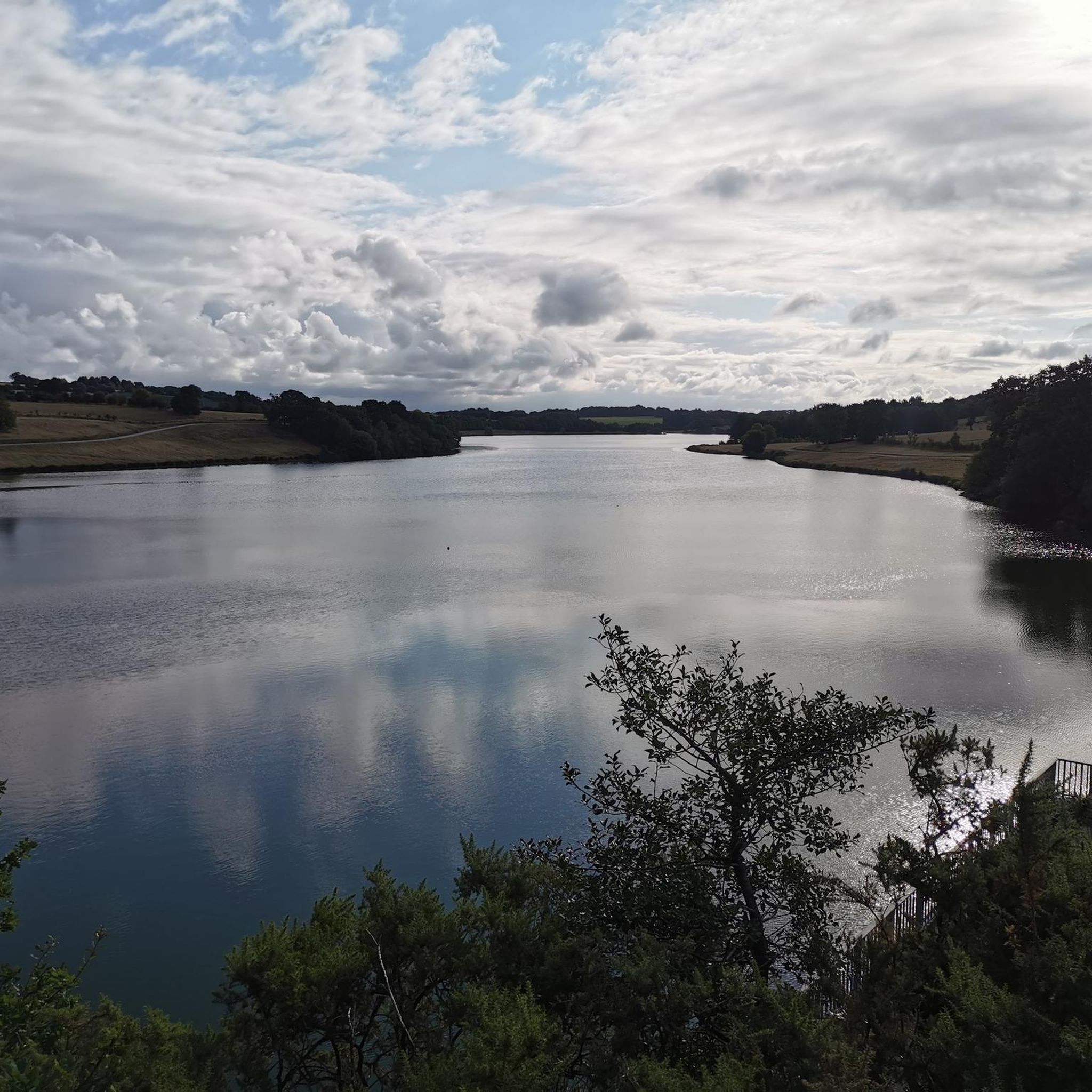
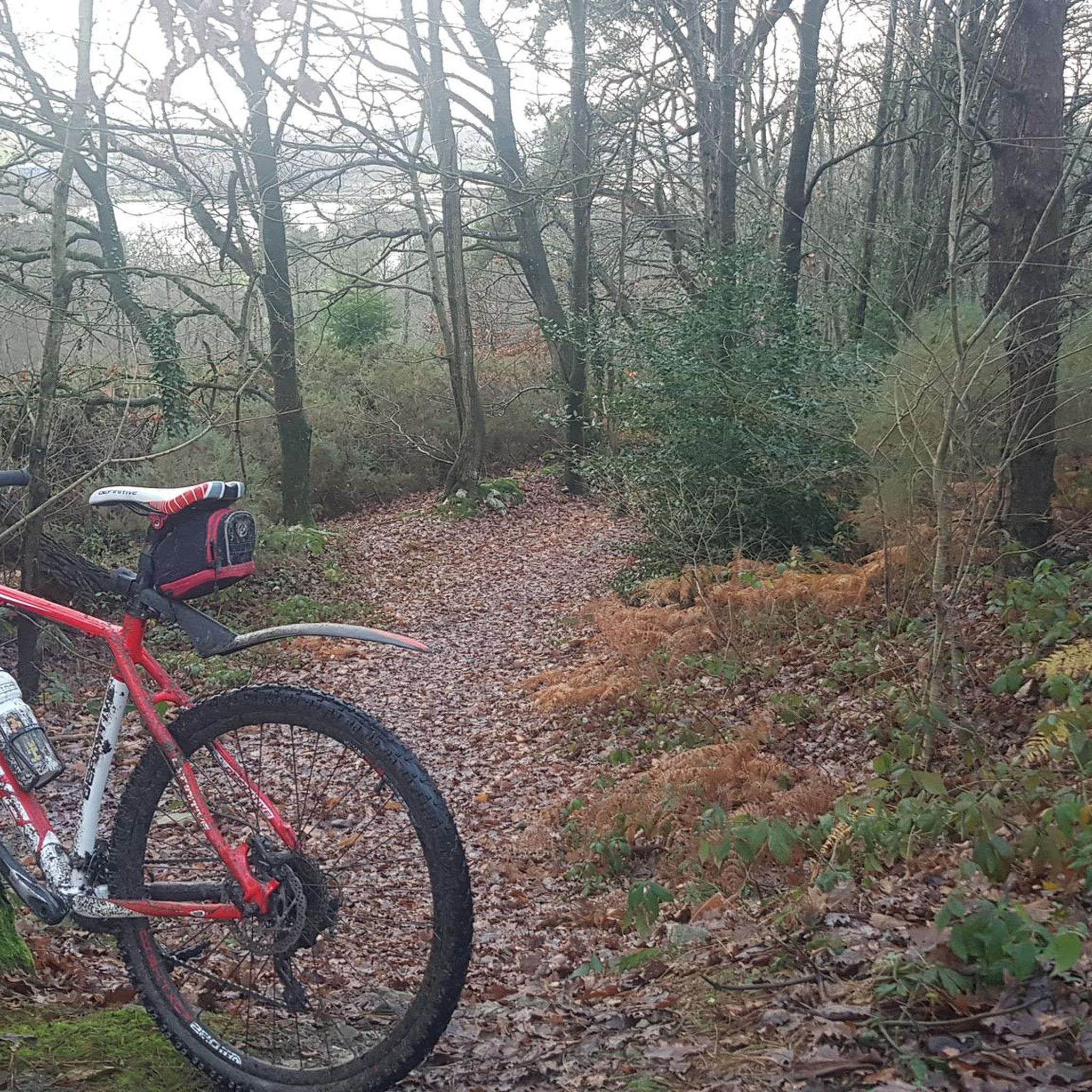
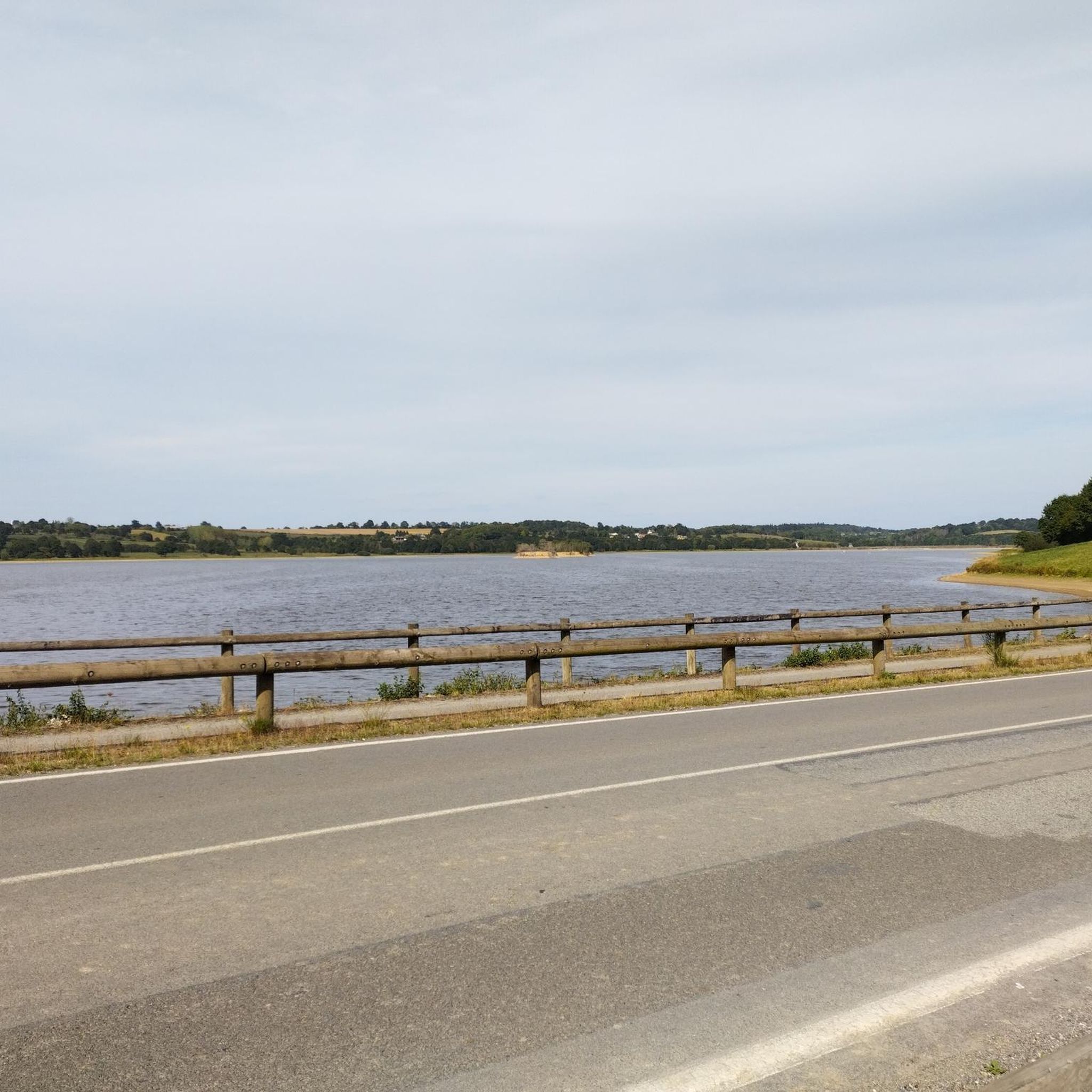
Road cycling routes around Pocé-Les-Bois traverse a diverse landscape of rolling countryside, tranquil lakes, and river valleys in Brittany, France. The region features a network of quiet country roads and dedicated greenways, offering varied terrain for cyclists. These routes often follow the shores of lakes like Lac de la Cantache and Lac de Haute-Vilaine, providing scenic views and a mix of ascents and descents. The area is characterized by its "campagne vallonnée" (hilly countryside) and "chemins ombragés" (shaded paths), making…
Last updated: October 5, 2026
3.8
(4)
7
riders
41.4km
01:52
440m
440m
This moderate 25.7-mile (41.4 km) road cycling circuit north of Vitré offers lush countryside views and historic landmarks like Vitré Castle
38
riders
114km
05:10
840m
840m
Hard road ride. Very good fitness required. Mostly well-paved surfaces and easy to ride.

46
riders
14.6km
00:52
130m
130m
Moderate road ride. Great for any fitness level. Some segments of this route may be unpaved and difficult to ride.
5.0
(1)
25
riders
55.4km
02:26
490m
490m
Moderate road ride. Good fitness required. Mostly well-paved surfaces and easy to ride.
15
riders
69.5km
03:08
660m
660m
Moderate road ride. Good fitness required. Mostly well-paved surfaces and easy to ride.
Get access to more routes and recommendations from other explorers.
Already have an account?
Our route recommendations are based on thousands of hikes, rides, and runs completed by other people on komoot.
Start today with a free account
Your next adventure awaits.


Tips from the Community

Magnificent city, ancient alleys, a labyrinth with exceptional heritage
0
0

Church built in the 15th century, from that period only the choir and the chapel to the north, which became the sacristy, currently remain. The nave and transept were rebuilt in 1851 (inscription: MR. RUPIN MAIRE ET LES PAROISSIENS 1851). The tower is dated 1859, it was built by Guyon, an entrepreneur from Vitré.
0
0
New church built from 1861 by Audrouin a hundred meters south of the old one. It was completed in 1875 with the construction of the tower.
0
0
The old church of Broons was destroyed in 1843. A new building, consecrated in 1846, was built on its site. Plans from 1839 of the church tower signed by Auguste Marchand are kept in the departmental archives.
0
0
Old church mentioned as early as 1160 and rebuilt in the 16th and 17th centuries (old tower dated 1582). The current church was entirely built to the plans of Arthur Regnault in 1904 (date and attribution by source). He uses the model of the so-called Plantagenet vaulted ceiling for the covering of the nave and aisles, but for the bell tower, he draws inspiration from Cornish bell walls. Two windows from the late 15th and 16th centuries of the old church were reused on the south side of the nave. This church, rebuilt in the Breton flamboyant style, is representative of the architect's style during this period.
0
0
The bell tower is visible from afar and has long dominated the town and its surroundings. The Saint-Pierre church has retained its impact on the local landscape for over a century. It was indeed in 1888 that the Fabrique Council decided to entrust Arthur Régnault, the diocese's architect, with the project for a new construction. His plan was accepted and work began in October 1889, before the blessing of the first stone on March 13, 1890. As an anecdote, the stones are extracted from the quarry of La Bouëxière. Quickly, the inhabitants discovered its citadel-like appearance, Arthur Régnault having wanted to honor the city of Châteaubourg which had not had a castle for a long time! The structural work was completed on March 28, 1893, but due to lack of funds, the bells would wait until 1894. The work on the woodwork and the construction of the high altar took place in 1911, the church being due to host the important Eucharistic congress of 1913. Maintenance work continued over the years, the church having become the property of the municipality since 1905. During the bombings of the summer of 1944, the church was spared. The inhabitants would not forget it: on May 9, 1945, the day after the armistice, the men carried Notre Dame de Boulogne in procession and paraded barefoot through the streets. The centenary was celebrated in 1992 with the decision to install the current organ. The church of Châteaubourg has thus traversed local history from the 15th century – the date of construction of the previous, much smaller church – to that designed by Arthur Régnault.
0
0

A very beautiful, well-preserved medieval castle.
0
0

Frequently Asked Questions
What kind of terrain can I expect on road cycling routes around Pocé-les-Bois?
The region offers a diverse landscape for road cycling, characterized by rolling countryside ('campagne vallonnée'), tranquil lakes, and scenic river valleys. You'll find a mix of ascents and descents, along with 'chemins ombragés' (shaded paths) and quiet country roads, providing varied and picturesque terrain.
How many road cycling routes are available around Pocé-les-Bois?
There are over 450 road cycling routes around Pocé-les-Bois documented on komoot, catering to various skill levels. This includes 91 easy routes, 347 moderate routes, and 13 more challenging options.
Are there dedicated cycling paths or greenways in the Pocé-les-Bois area?
Yes, the region features 'voies vertes' (greenways), which are dedicated paths often built on old railway lines, reserved for cyclists and pedestrians. These offer safe and uninterrupted rides through natural settings, complementing the network of quiet country roads.
What are the difficulty levels of road cycling routes around Pocé-les-Bois?
Road cycling routes in Pocé-les-Bois are available for all abilities. You can find easy routes, such as the Château de Vitré loop from Pocé-les-Bois, as well as moderate options like the Vitré Countryside and Cantache Loop, and more difficult routes for experienced cyclists, like the Châteaugiron Castle – Miniatures Henri Chesnais loop from Vitré.
What natural features will I encounter on road cycling routes in this region?
Many routes hug the shores of significant bodies of water, including Lac de la Cantache, Lac de Haute-Vilaine, Lac de la Valière, and Lac de Châtillon-en-Vendelais. The Vilaine river valley also offers scenic routes, and you'll often cycle through rolling countryside and wooded areas, providing picturesque views.
Are there any historical landmarks or points of interest along the routes?
Absolutely. The area benefits from its proximity to Vitré, a town rich in history. You can combine your rides with sightseeing stops at places like the historic Vitré Castle or the Notre-Dame Church. Many routes also offer views of natural landmarks such as the Cantache Pond and the Cantache Dam.
What do other road cyclists enjoy the most about road cycling in Pocé-les-Bois?
The area is highly rated by the komoot community, with an average score of 4.6 stars from over 60 reviews. Reviewers often praise the varied terrain, the scenic lakeside routes, and the network of quiet country roads and dedicated greenways that make for enjoyable and safe cycling experiences.
Are there any long-distance road cycling routes available?
Yes, for those seeking longer rides, there are routes like the Châteaugiron Castle – Miniatures Henri Chesnais loop from Vitré, which spans over 110 km. Additionally, a 96 km circuit explores the four main lakes of the Vitré region, offering an extensive cycling experience.
What is the best season for road cycling around Pocé-les-Bois?
The region's rolling countryside and shaded paths ('chemins ombragés') make it pleasant for cycling during spring, summer, and early autumn. These seasons generally offer favorable weather conditions to enjoy the diverse landscapes and lakeside routes.
Are there any loop routes for road cycling in Pocé-les-Bois?
Many road cycling routes in the area are designed as loops, allowing you to start and finish at the same point. Examples include the Vitré Countryside and Cantache Loop and the Château de Vitré loop from Pocé-les-Bois, providing convenient options for exploration.
Can I find family-friendly road cycling routes in Pocé-les-Bois?
Yes, the presence of 'voies vertes' (greenways) and quiet country roads makes the area suitable for family-friendly cycling. These dedicated paths offer a safer environment away from heavy traffic, and there are numerous easy and moderate routes with gentle hills perfect for families.
Are there options for combining road cycling with other activities?
Absolutely. The region is also known for its hiking trails, and many routes can be enjoyed by both cyclists and hikers. You can also easily combine your ride with cultural stops at historical sites like Vitré Castle, or enjoy the natural beauty of the various lakes and ponds.
Most popular routes around Pocé-Les-Bois
Most popular attractions around Pocé-Les-Bois

Get inspired with the komoot mobile app


Explore more
Browse the best Road cycling routes in other regions.
