Attractions and Places To See around Saint-Georges-Lès-Baillargeaux - Top 20
Best attractions and places to see around Saint-Georges-Lès-Baillargeaux offers a blend of historical sites, natural beauty, and cultural points of interest. The commune is situated in the Vienne department of France, featuring the alluvial valley of the Clain River and expansive forests like Forêt de Moulière. Visitors can explore ancient monuments and green spaces, with the area also providing access to nearby attractions such as Futuroscope.
Best attractions and places to see around Saint-Georges-Lès-Baillargeaux
- The most popular attractions is Château…
Last updated: May 21, 2026
Château de Dissay
Highlight • Castle
The Château de …
Translated by Google •
Tip by

Tison Islet
Highlight • Other
Translated by Google •
Tip by

Sign up now to discover places like this
Get recommendations on the best single tracks, peaks, & plenty of other exciting outdoor places.
Sign up for free
The Child's Tomb
Highlight • Monument
Translated by Google •
Tip by
Gallo-Roman Theatre of Old Poitiers
Highlight • Other
Translated by Google •
Tip by

The Dunes Panorama
Highlight • Viewpoint
Tip by

Sign up for free to discover even more attractions around Saint-Georges-Lès-Baillargeaux.
Sign up for free
Already have an account?
Start today with a free account
Your next adventure awaits.
Login or Signup
Popular around Saint-Georges-Lès-Baillargeaux



Tips from the Community


The Gallo-Roman Theatre of Old Poitiers is a major archaeological site located in the Vienne department, in the Nouvelle-Aquitaine region. This ancient theatre is one of the remains of the Gallo-Roman period in France. Cultural Importance Heritage: The Gallo-Roman Theatre of Old Poitiers is a precious testimony to Roman civilisation in Gaul and is part of the city's rich historical heritage. It offers insights into cultural and social life in Roman times. Education: The site also serves as an educational tool to understand Roman architecture and ancient theatrical practices, enriching visitors' knowledge of ancient history. The Gallo-Roman Theatre of Old Poitiers is therefore a must-see site for ancient history enthusiasts and visitors interested in Gallo-Roman heritage, offering a fascinating journey into the past. Guided tours possible by appointment.
3
0
The "Tombe à l'Enfant" is a funerary monument located near Poitiers, known for its history and distinctive architecture. This tomb is an example of the rich history and culture of the region, although the specific details may vary depending on the source. Points of Interest: Architecture: The tomb is often characterized by distinctive architectural elements, sometimes evoking medieval or classical styles, with a structure that may include inscriptions, sculptures or symbolic ornaments. History: The name "Tombe à l'Enfant" suggests that it may be the mausoleum of a young child or a member of the noble family, which adds a poignant dimension to its history. These tombs are often linked to local stories and specific funerary traditions. Why visit the Tombe à l'Enfant? Historical Heritage: The visit allows you to discover an aspect of the local funerary heritage and appreciate the historical architecture. Peaceful Atmosphere: The tranquil setting and beauty of the site offer a moment of reflection and connection with the past. Local Culture: The tomb is a significant element of Poitiers' cultural heritage, enriching the understanding of local traditions. By visiting the Tombe à l'Enfant, you immerse yourself in an important part of Poitiers' history and culture, while enjoying a calm and contemplative environment.
1
0
The Tison block, located in Poitiers, is a former industrial site transformed into an urban green space, offering a place of relaxation and leisure on the banks of the Clain. This block, once occupied by factories, has been rehabilitated to become a modern park where nature reclaims its rights. With its vast lawns, shaded paths, and landscaped banks, the Tison block has become a popular place for walks, picnics, and outdoor activities. It has sports and leisure facilities, as well as spaces dedicated to culture and outdoor events. The rehabilitation project has preserved certain elements of the industrial heritage, such as the old chimneys and brick structures, which contrast harmoniously with the natural setting. This mix of industrial past and ecological renewal makes the Tison block a symbol of the urban transformation of Poitiers, offering residents a pleasant place to live and a haven of greenery in the heart of the city.
2
0
Château de Dissay, located in Vienne, is a magnificent example of medieval and Renaissance architecture in France. Built in the 15th century, this castle is surrounded by a moat and formal gardens, providing an enchanting setting for a stroll. It is distinguished by its elegant round towers, slate roofs, and its façade decorated with sculpted details, which tell the rich history of this place. When visiting Château de Dissay, you can explore its sumptuous interiors, where history and refinement meet. The rooms are decorated with period furniture, tapestries, and works of art, giving a glimpse into the aristocratic life of yesteryear. The castle chapel, with its stained glass windows and frescoes, is a gem not to be missed. The castle's meticulously maintained gardens are another highlight of the visit. They invite you to stroll, with their flower-lined paths, geometric flowerbeds, and peaceful ponds. It is an ideal place to relax, admire the beauty of the landscape, and enjoy the tranquil atmosphere that reigns here. Walking around the Château de Dissay is like taking a trip back in time, while enjoying the serenity and splendor of a preserved historical setting.
1
0
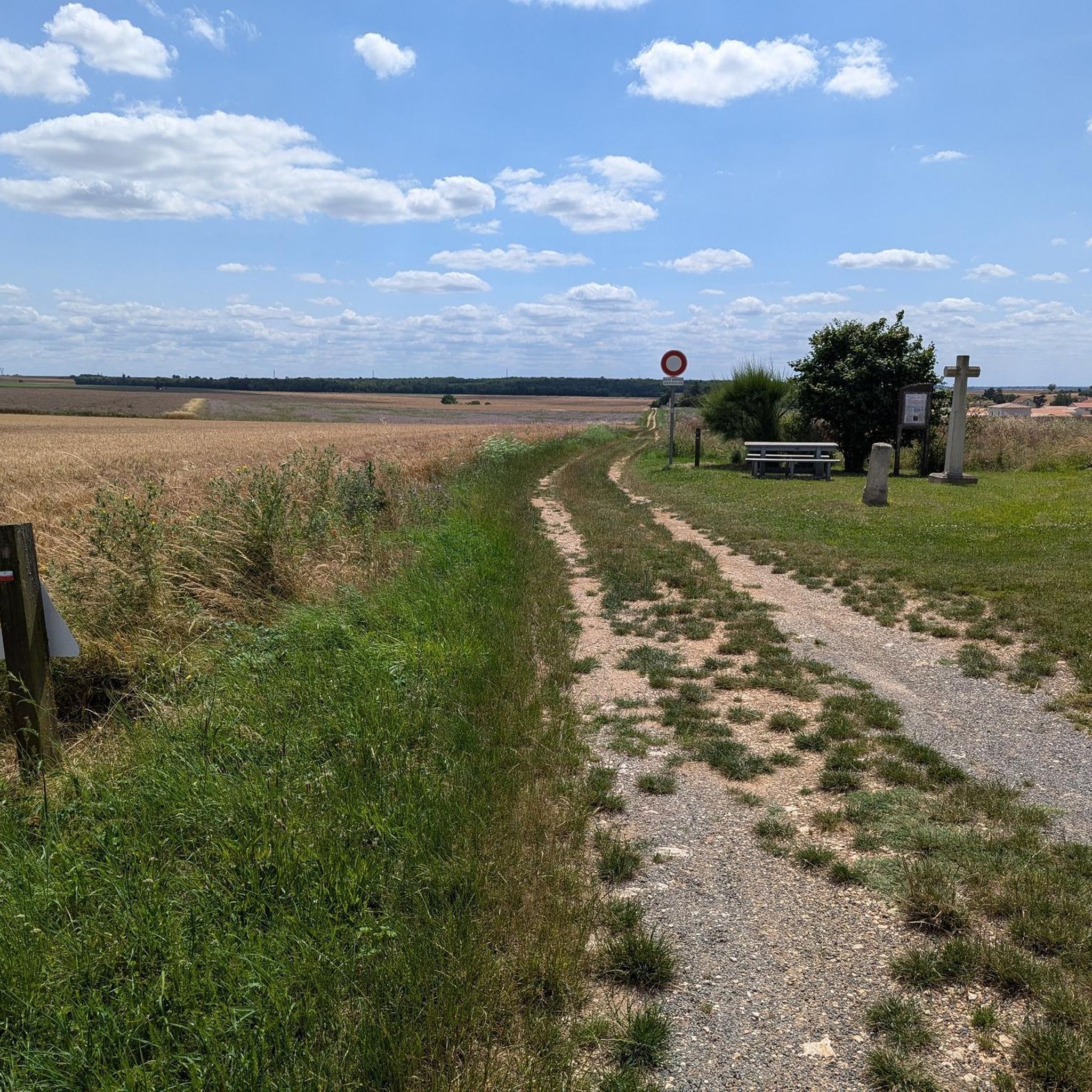
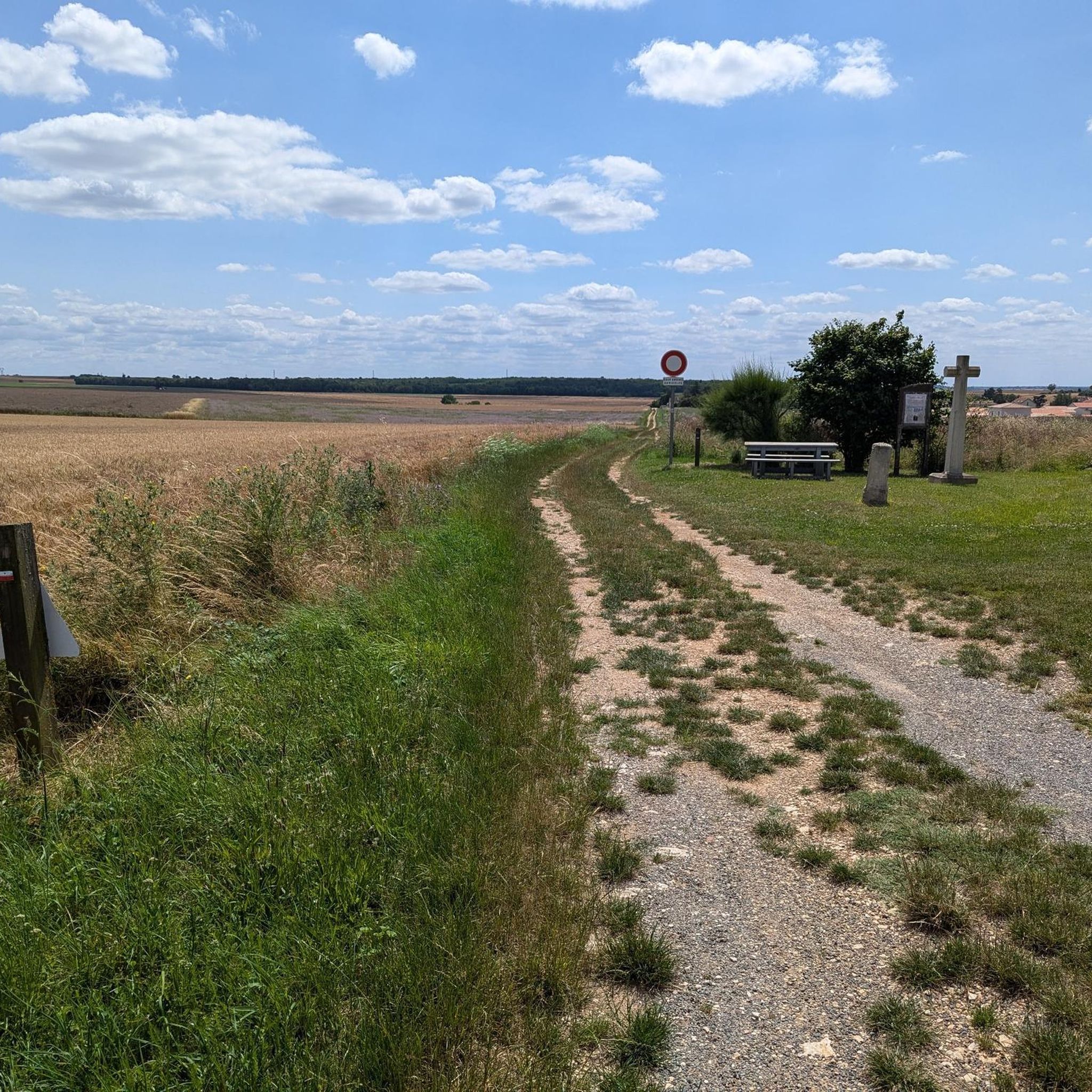
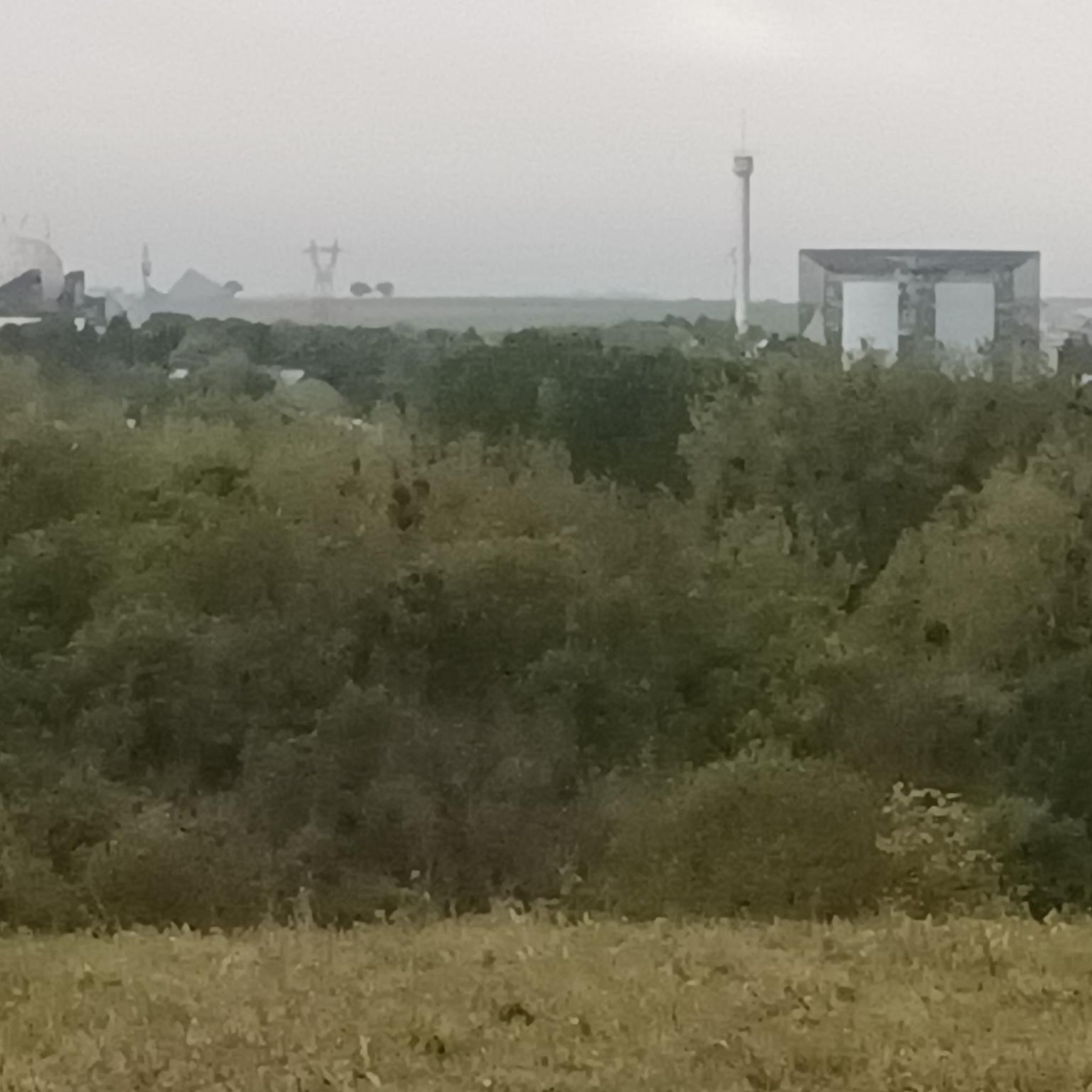
The Dunes panorama in Poitiers offers a breathtaking view of the city and its surroundings, constituting a place of contemplation and serenity. Located on a hill to the west of the city, this site is dominated by a statue of the Virgin Mary, which has watched over Poitiers since 1945. Erected in gratitude for the protection granted to the city during the Second World War, this statue has become a local symbol of peace and hope. From the Dunes, one can admire a vast panorama of the city's rooftops, with its bell towers, spires, and historic monuments that stand out on the horizon. The Saint-Pierre Cathedral, the Notre-Dame-la-Grande church, and the Palais de Justice are all landmarks visible from this promontory. The contrast between the urban spaces and the surrounding nature, with forests and fields stretching as far as the eye can see, offers a striking perspective. The Dunes site is also a popular place for walking, with paths that wind through the green spaces, inviting relaxation and reflection. The presence of the statue of the Virgin adds a spiritual dimension to this place, making it a privileged place for meditation and contemplation.
1
0

The Chateau de Dissay was built at the end of the 15th century by Pierre d'Amboise, Bishop of Poitiers and served as the residence of all the Bishops of Poitiers until the Revolution in 1793. The chateau also has a beautiful garden to the French.
3
0

Ruins of the old theater in the Gallo-Roman city of Old Poitiers, 2000 years old. The site is often closed but still visible. During the opening period, guided tours are possible.
3
0
Frequently Asked Questions
What historical sites can I explore in and around Saint-Georges-Lès-Baillargeaux?
The region is rich in history. You can visit the 15th-century Château de Dissay, which served as a residence for the bishops of Poitiers. Other significant historical sites include the ancient megalithic tombs, the Dolmen de la Pierre Levée d'Aillé and the Dolmen de la Roche aux Oies. Don't miss The Child's Tomb, a funerary monument near Poitiers known for its distinctive architecture, or the ruins of the Gallo-Roman Theatre of Old Poitiers.
Are there natural landmarks or scenic viewpoints to visit?
Yes, the area offers several natural spots and viewpoints. The alluvial valley of the Clain River, particularly after Vayres, provides varied and verdant landscapes. For a panoramic view, head to The Dunes Panorama in Poitiers, offering breathtaking views of the city and its surroundings. You can also explore the Bois de Vayres, known for its rare flora, or the expansive Forêt de Moulière.
What family-friendly activities are available in the area?
Families can enjoy the Tison Islet, an urban green space in Poitiers with vast lawns and shaded paths perfect for relaxation and outdoor activities. The Parc arboré le Bois du Clos in the village center is also great for picnics and pétanque. For a full day of fun, the renowned Futuroscope theme park is a short drive away, and the Domaine du Lac de Saint-Cyr offers a wide range of sports and relaxation activities, including a Blue Flag-certified beach for swimming.
Where can I go hiking or cycling near these attractions?
The region offers numerous opportunities for outdoor activities. You can explore the 'La Baillargelle' discovery trails, which provide both short (1.5 hours) and longer (half-day) loops to discover the area's history and environment. For dedicated hiking, routes like 'Dolmen d'Aillé loop from Saint-Georges-lès-Baillargeaux' are popular. Cyclists can enjoy routes such as 'Vayres Castle – Ferry on the Clain loop from Chasseneuil-du-Poitou'. You can find more hiking routes at Hiking around Saint-Georges-Lès-Baillargeaux and cycling routes at Cycling around Saint-Georges-Lès-Baillargeaux.
Are there any museums or cultural sites showcasing local history or art?
Yes, you can delve into the local culture at Chez Manuel: Musée d'Art Populaire, located between Futuroscope and Poitiers, which houses extensive exhibitions of objects from the past. Another option is the Musée la Maison d'Autrefois, which relates a part of French history, including the birth of Louis the Pious, son of Charlemagne.
What is the best time of year to visit Saint-Georges-Lès-Baillargeaux for outdoor activities?
The region is generally pleasant for outdoor activities from spring through early autumn. The summer months offer warm weather ideal for swimming at Domaine du Lac de Saint-Cyr and exploring the many trails. Spring and autumn provide milder temperatures, perfect for hiking and cycling through the forests and valleys, such as the Forêt de Moulière or the Clain Valley.
Can I find any ancient megalithic sites in the commune?
Yes, Saint-Georges-Lès-Baillargeaux is home to two significant dolmens, which are ancient megalithic tombs. These include the Dolmen de la Pierre Levée d'Aillé, classified as a historical monument, and the Dolmen de la Roche aux Oies, both providing evidence of Neolithic human occupation in the area.
What urban green spaces are available for relaxation?
For relaxation within the village, the Parc arboré le Bois du Clos is a popular wooded park covering about 8500 m², ideal for unwinding or a game of pétanque. Additionally, Tison Islet in Poitiers offers a larger urban green space with vast lawns and shaded paths along the Clain River, perfect for walks and picnics.
Are there any notable châteaux to visit in the vicinity?
Beyond the Château de Dissay, which is now a hotel, the region boasts the impressive Château de Vayres, dating from the 15th and 17th centuries, known for its significant historical monument status and France's largest dovecote. A short drive away, the Cité Médiévale de Chauvigny is famous for its five castles situated on a single promontory.
What are the options for swimming or water activities nearby?
The Domaine du Lac de Saint-Cyr, located between Châtellerault and Poitiers, is an excellent spot for water activities. It features a Blue Flag-certified beach perfect for swimming, as well as opportunities for canoeing and kayaking, making it a great destination for sports and relaxation.
How can I explore the region's history and environment on marked trails?
The 'La Baillargelle' trails offer an engaging way to explore the area. These discovery trails are available in 'petite' (1.5 hours) and 'grande' (half-day) loops, suitable for walking, biking, or even by car. The routes are well-marked with 21 informational plaques, providing insights into the local history and natural environment. More information can be found at tourisme-vienne.com.
What do visitors enjoy the most about Saint-Georges-Lès-Baillargeaux?
Visitors particularly appreciate the blend of historical sites, natural beauty, and cultural points of interest. The serene atmosphere of places like The Child's Tomb and the panoramic views from The Dunes Panorama are highly rated. The transformation of industrial sites into relaxing green spaces, such as Tison Islet, also receives positive feedback for offering leisure opportunities on the banks of the Clain River.
Most popular routes around Saint-Georges-Lès-Baillargeaux
Most popular attractions around Saint-Georges-Lès-Baillargeaux

Get inspired with the komoot mobile app


Explore more
Still not found the Highlight you’re looking for? See guides of the top attractions in other regions:
