Attractions and Places To See around Miramont-De-Quercy - Top 10
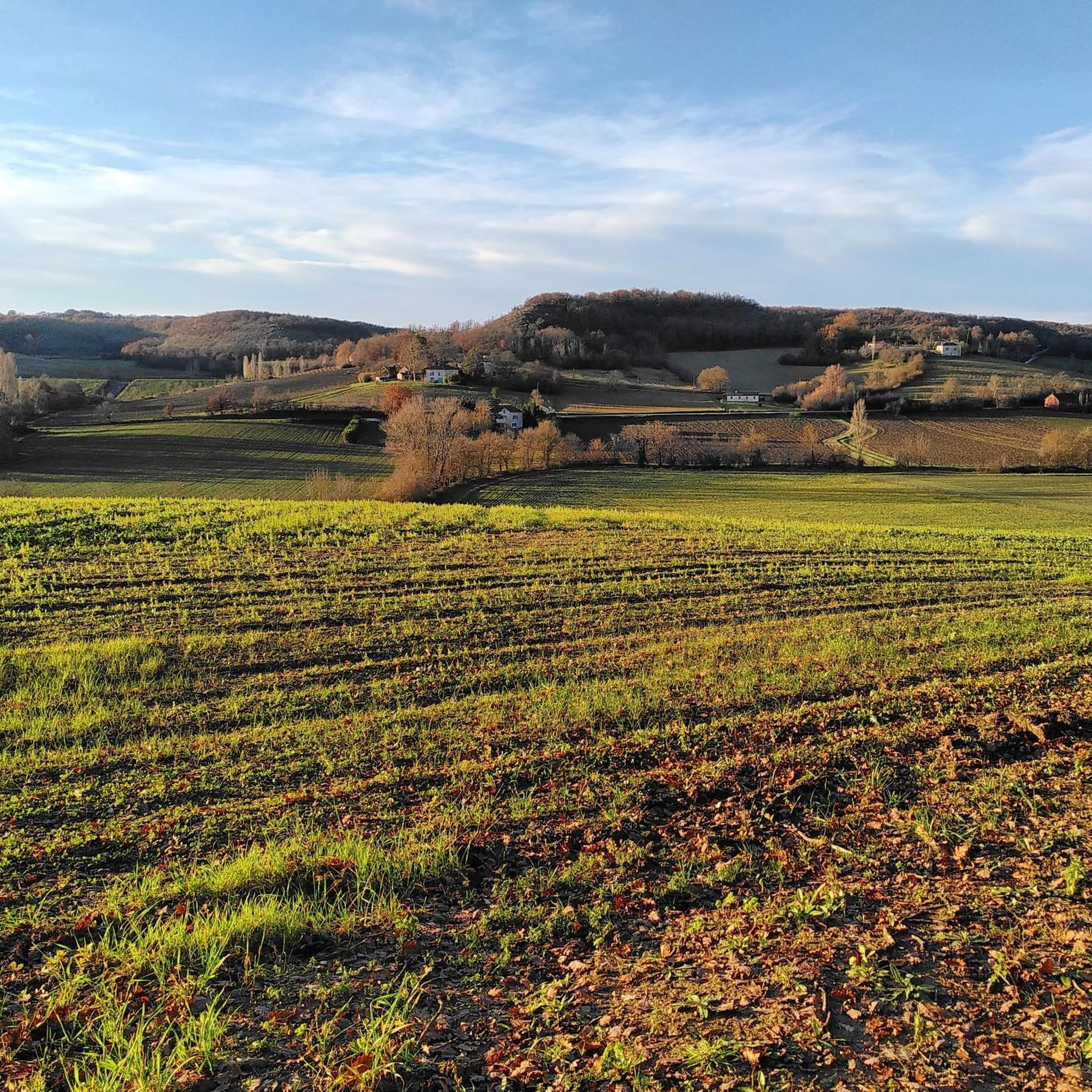
Attractions and places to see around Miramont-De-Quercy are found within a commune situated on a rocky plateau in the Tarn-et-Garonne department of Occitanie. This area offers views over the Petite Barguelonne valley and is part of the Quercy Blanc region, characterized by its white limestone landscapes. The village and its surroundings feature historical sites, natural panoramas, and traditional structures.
Best attractions and places to see around Miramont-De-Quercy
- The most popular attractions is Place des Cornières de Lauzerte, a historical site and square that features a market square surrounded by arcades and old stone houses. This location is part of Lauzerte, classified as one of the "Most Beautiful Villages of France."
- Another must-see spot is A typical local dovecote, a man-made monument. These well-preserved structures, often built on stilts, were designed to protect pigeons.
- Visitors also love Beautiful rest area, which includes the Chapelle de Saint-Sernin-du-Bosc de Lauzerte. This spot offers a place for respite and features two bells that visitors can ring.
- Miramont-De-Quercy is known for its historical sites, traditional architecture like dovecotes, and scenic viewpoints. Visitors can explore a variety of attractions, from medieval village squares to local heritage structures.
- The attractions around Miramont-De-Quercy are appreciated by the komoot community, with more than 80 upvotes and over 40 photos shared by visitors.
Last updated: May 17, 2026
Place des Cornières de Lauzerte
Highlight • Historical Site
Many of the facades date from the Middle Ages to the Renaissance. Most are beautifully renovated.
Lauzerte is located on a hill and can be seen from afar. It was a defensive situation in the Middle Ages. During the Hundred Years' War, this place was expanded into a fortified village (bastide). Lauzerte was an important guard post on the route between Cahors and Moissac in the 12th century.
Translated by Google •
Tip by

A typical local dovecote
Highlight • Monument
The construction of the 4 pillars is very interesting. The fungal pads made it impossible for the rats to get in and eat the pigeons' eggs.
Translated by Google •
Tip by
Sign up now to discover places like this
Get recommendations on the best single tracks, peaks, & plenty of other exciting outdoor places.
Sign up for free
Beautiful rest area
Highlight • Other
Translated by Google •
Tip by

Lauzerte Medieval Hilltop Village
Highlight • Settlement
Translated by Google •
Tip by

L'église Saint-Martin de Montaure
Highlight • Other
In front of the church there is a nice rest area under an old, shady oak tree.
Translated by Google •
Tip by

Sign up for free to discover even more attractions around Miramont-De-Quercy.
Sign up for free
Already have an account?
Start today with a free account
Your next adventure awaits.
Login or Signup
Tips from the Community

Small, pretty church (unfortunately closed) on a hill in Saint Martin. In front of the church there is a nice rest area under an old, shady oak tree.
2
0
The chapel is called: Chapelle de Saint-Sernin-du-Bosc de Lauzerte Next to the chapel there is a drinking water point💦.
1
0

On the Way of St. James in Spain you can occasionally see similar constructions, which, however, do not represent pigeon houses, but used to serve as granaries. The essential detail of these buildings - standing on stilts - is the flat, plate- or lid-shaped end at the top of the supporting columns. This was of vital importance in ancient times, as they represent an insurmountable obstacle for voracious rodents such as mice or rats.
3
0

The highlight are the two bells, you can ring them yourself.
2
0

Lauzerte is a magnificent fortified medieval city perched on top of a hill. Lauzerte is a very picturesque town and offers spectacular views of the surroundings.
1
0

The elevated village of Lauzerte, classified as one of the most beautiful villages in France and a stopover on the route to Santiago de Compostella, dominates the valleys and hills of the Quercy Blanc. Nicknamed the Toledo of Quercy, this medieval bastide, founded in 1241 by the Count of Toulouse, is home to a beautiful square with cornières in its city center, surrounded by old stone houses with wooden facades. At one of the ends, a surprising work of art – the curled corner – gives a particularly original touch to the whole! Next door, the Saint-Barthélemy Church deserves a visit for its beautiful Baroque altarpiece in gilded wood.
4
0

A very well preserved pigeon house. Pigeons were very popular and great efforts were made to protect pigeons from rats. The construction of the 4 pillars is very interesting. The fungal pads made it impossible for the rats to get in and eat the pigeons' eggs.
8
1
A really beautiful market square surrounded by arcades. The church of St-Barthélemy was built in the 13th century and was heavily modified and enlarged in the 16th century. Many of the facades date from the Middle Ages to the Renaissance. Most are beautifully renovated. Lauzerte is located on a hill and can be seen from afar. It was a defensive situation in the Middle Ages. During the Hundred Years' War, this place was expanded into a fortified village (bastide). Lauzerte was an important guard post on the route between Cahors and Moissac in the 12th century.
10
0
Frequently Asked Questions
What historical sites can I explore in and around Miramont-De-Quercy?
Miramont-De-Quercy and its surroundings are rich in history. Within the commune, you can visit the Église Saint-Pierre de Najac, which has Romanesque origins and features Byzantine-style frescoes. The village also has remnants of an ancient construction, possibly Gallo-Roman or medieval. Nearby, the medieval hilltop village of Lauzerte, classified as one of the 'Most Beautiful Villages of France,' offers a glimpse into the past with its 13th to 16th-century architecture and the beautiful Place des Cornières.
Are there any unique architectural features to see in the area?
Yes, the region is known for its traditional structures. Miramont-De-Quercy is home to several pigeonniers (dovecotes), which are charming parts of the local heritage. You can see examples like A typical local dovecote, which are well-preserved and often built on stilts to protect pigeons. Additionally, you'll find lavoirs (washhouses) at the foot of the village and in the hamlet of Saint Pierre de Najac.
What kind of natural landscapes and viewpoints can I expect to find?
Miramont-De-Quercy is situated on a rocky plateau, offering dominant views over the Petite Barguelonne valley and the hamlet of Saint-Pierre de Najac. The surrounding area, known as Quercy Blanc, is characterized by its white limestone, fields of oak and boxwood, and numerous springs. The Chemin de Ronde, a patrol path around the village, provides magnificent views, particularly an unobstructed panorama of the Barguelonne valley from Lagachadou.
Are there family-friendly attractions near Miramont-De-Quercy?
Absolutely. The medieval village of Lauzerte, with its charming Place des Cornières, is a great family-friendly destination for exploring history and enjoying the atmosphere. The region's unique dovecotes, such as A typical local dovecote, can also be an interesting sight for children. For a peaceful break, the Beautiful rest area near the Chapelle de Saint-Sernin-du-Bosc de Lauzerte offers a spot for respite, where visitors can even ring two bells.
Can I find outdoor activities like hiking or cycling around Miramont-De-Quercy?
Yes, the diverse landscapes of the Quercy Blanc region are ideal for outdoor activities. You can find numerous routes for road cycling, mountain biking, and running. For detailed options, explore the Road Cycling Routes around Miramont-De-Quercy, MTB Trails around Miramont-De-Quercy, and Running Trails around Miramont-De-Quercy guides.
What are some popular cycling routes in the Miramont-De-Quercy area?
The area offers a variety of cycling routes for different preferences. Popular road cycling options include the 'Moissac – Moissac Canal loop' and the 'Lauzerte loop'. For mountain biking, you might enjoy the 'Medieval town of Lauzerte loop' or the 'Moissac Canal – Boudou Bridge loop'. You can find more details and route maps in the Road Cycling Routes and MTB Trails guides for the region.
Are there running trails available for different fitness levels?
Yes, the region provides running trails ranging from moderate to difficult. For example, you can find a 'Running loop from Bourg-de-Visa' which is moderate, or a more challenging 'Lauzerte loop from Lauzerte'. These trails allow you to explore the scenic countryside while getting a workout. Check the Running Trails around Miramont-De-Quercy guide for more options and detailed information.
When is the best time of year to visit Miramont-De-Quercy?
The Quercy region is particularly beautiful in late spring and early summer, especially June and July, when the lavender fields in nearby Touffailles are in bloom, offering a stunning sight. The weather during these months is generally pleasant for exploring the outdoor attractions and medieval villages. Autumn also brings beautiful colors to the landscapes.
What are some lesser-known or "hidden gems" in the Miramont-De-Quercy region?
Beyond the well-known sites, consider exploring the Chapelle de Notre Dame de Bellecassagne, another significant religious site within the commune's heritage. The Fontaine de dévotion à Bellecassagne, with its reassembled barrel vault, offers a glimpse into local traditions. For a unique historical perspective, visit Lou Roc des Nobis in Roquecor, a troglodytic site with traces of Bronze Age settlement and local legends.
What are the most popular attractions around Miramont-De-Quercy according to visitors?
Visitors frequently praise the Place des Cornières de Lauzerte for its beautiful market square, arcades, and historic architecture. Another highly appreciated sight is A typical local dovecote, noted for its excellent preservation and interesting construction. The Beautiful rest area, featuring the Chapelle de Saint-Sernin-du-Bosc de Lauzerte, is also popular for its peaceful atmosphere and the unique opportunity to ring its bells.
Are there any significant religious sites in the Miramont-De-Quercy area?
Yes, the region has several notable religious sites. Within Miramont-De-Quercy, you can visit the Église Saint-Pierre de Najac, a parish church with Romanesque origins and distinctive frescoes. The Chapelle de Notre Dame de Bellecassagne is another important religious heritage site. Nearby, the Saint-Barthélemy Church in Lauzerte is worth seeing for its beautiful Baroque altarpiece, and the Chapelle de Saint-Sernin-du-Bosc de Lauzerte offers a serene spot for reflection.
What is the Quercy Blanc region known for, and how does it relate to Miramont-De-Quercy?
Miramont-De-Quercy is nestled in the heart of the Quercy Blanc region, which is characterized by its distinctive white limestone landscapes. This geological feature gives the area its name and contributes to its unique charm, with diverse scenery including fields of oak and boxwood, and numerous springs. The village itself is situated on a rocky plateau, offering panoramic views typical of this beautiful region.
Most popular routes around Miramont-De-Quercy

Get inspired with the komoot mobile app


Explore more
Still not found the Highlight you’re looking for? See guides of the top attractions in other regions:
