The best road cycling routes around Usseau
4.3
(53)
2,083
riders
344
rides
Road cycling routes around Usseau, located in the Vienne department of France, feature well-maintained roads and varied terrain. The region is characterized by tree-lined routes, offering a mix of flat sections and rolling countryside. Cyclists can expect scenic backdrops along the Vienne River and through historic villages. The area provides diverse road cycling options, from gentle paths to more challenging routes with moderate elevation gains.
Best road cycling routes around Usseau
- The most popular road cycling route is Haut-Clairvaux Keep – Haut Clairvaux Keep loop from Thuré, a 34.3 miles (55.3 km) trail that takes 2 hours 24 minutes to complete. This moderate route features rolling terrain with an elevation gain of 1,307 feet (398 meters).
- Another top favourite among local road cyclists is Roadbike loop from La Potinière, an easy 15.8 miles (25.5 km) path. This route offers gentle hills and takes approximately 1 hour 9 minutes to complete.
- Local road cyclists also love the Les Ormes loop from Antran, a 20.4 miles (32.8 km) trail leading through the countryside, often completed in about 1 hour 17 minutes.
- Road cycling around Usseau is defined by tree-lined roads, rolling countryside, and routes along the Vienne River. The network offers options for different ability levels, from easy rides to moderate challenges.
- The routes in Usseau are highly rated by the komoot community with an average score of 4.2 stars from more than 30 reviews. More than 1,800 road cyclists have used komoot to explore Usseau's varied terrain.
Last updated: November 15, 2026
5.0
(3)
22
riders
181km
07:30
1,060m
1,060m
Hard road ride. Very good fitness required. Mostly well-paved surfaces and easy to ride.
13
riders
54.5km
02:27
320m
320m
Moderate road ride. Good fitness required. Mostly well-paved surfaces and easy to ride.

5
riders
25.6km
01:09
190m
190m
Easy road ride. Mostly well-paved surfaces and easy to ride.
7
riders
53.3km
02:24
370m
370m
Moderate road ride. Good fitness required. Mostly well-paved surfaces and easy to ride.
5
riders
50.2km
02:03
290m
290m
Moderate road ride. Good fitness required. Mostly well-paved surfaces and easy to ride.
Get access to more routes and recommendations from other explorers.
Already have an account?
Our route recommendations are based on thousands of hikes, rides, and runs completed by other people on komoot.
Start today with a free account
Your next adventure awaits.

Tips from the Community

On 30/08/2026, the Francois Mitterand space, right in front of the kiosk, welcomed almost 1400 clarinettists to break the world record held by Hong Kong and entered in the Guinness Book. This has been done and recorded by an official member of the organization who came specifically for this purpose. The objective announced for months by the Poitiers conductor Emmanuel Boulanger has been largely achieved. The old record, set in Hong Kong with 448 clarinettists, has been smashed. Amateurs, music school students and professionals played together, in front of a large audience. The performance should now feature in the Guinness Book of Records. Below is the press article and video published locally. https://share.google/KJQ2WCRdVkkB0aF61
0
0
The Henri IV bridge of Châtellerault: a history of nearly 1,000 years The Henri IV bridge is one of Châtellerault's emblematic monuments. It crosses the Vienne river near its confluence with the Envigne and is today a remarkable work of the Renaissance. 🏰 Before the current bridge The existence of a bridge in Châtellerault is attested as early as the 11th century, around 1065, and again in 1120. It is said to have been initially linked to an old ford allowing crossing the Vienne. In the Middle Ages, several structures followed one another. A stone bridge is said to have been built in the 12th century, parallel to the development of the fortified district of Châteauneuf on the left bank. Around 1350, during the Hundred Years' War, the crossing was fortified with towers placed at the ends of the bridge. In the 16th century, the bridge was badly damaged. A major flood of the Vienne in 1556 notably destroyed the old wooden structure. King Henry II then considered rebuilding it in stone, but his accidental death in 1559 interrupted the project. 👑 The construction of the current bridge It was finally under Charles IX, then Henry III, that the project for a new large stone bridge was relaunched around 1564-1565, at the request of the inhabitants. The construction would be extraordinarily long: over forty years, from 1565 to 1609. Four architects succeeded each other in managing the site, including members of the famous Du Cerceau family, great architects of the Renaissance. The site was finally completed under Henry IV, with the decisive intervention of Sully, his superintendent of buildings and chief surveyor of France. Henry IV himself came to Châtellerault in 1606, while the bridge was not yet finished. It would be delivered in 1609, a year before the king's death. It is therefore important to specify that the bridge was not built "by Henry IV": it was started under Charles IX and completed during his reign. Why does it bear his name? It is even an interesting peculiarity: for several centuries, it was not called "Henri IV bridge". It is found under the names: -Pont-Neuf -Grands-Ponts -Bridge of Châtellerault -then in the 19th century Pont Sully. -It was only around 1900 that it definitively took the name of Henri IV bridge. 🏗️ An exceptional structure The bridge measures approximately 150 m in length and over 21 m in width. It consists of large stone arches. It has a very remarkable feature: two powerful round towers with conical roofs frame the entrance to the bridge on the left bank, on the Châteauneuf side. These towers give the bridge its almost "fortified" appearance. However, contrary to what one might think, they were not essentially military structures. They could notably be used to control the entrance to the town, especially during periods of unrest or epidemics. The towers formerly located at the other end, on the town side, have now disappeared. ⚔️ The bridge during the Second World War The bridge also played a dramatic role in August 1944. As German troops were withdrawing, the bridge was threatened with destruction. On August 31 and September 1, 1944, the action of police commissioner and FFI lieutenant Charles Bichat, as well as the negotiations of sub-prefect Pierre-Marcel Wiltzer, prevented its destruction. This is a particularly important episode in the contemporary history of the monument. 🏛️ Historic Monument The Henri IV bridge has been classified as a historic monument since 1913. Today it belongs to two owners: -the Department of Vienne for the bridge, arches, and roadway; -the City of Châtellerault for the two towers. 🔨 The major recent restoration An in-depth diagnosis carried out in 2017 revealed the importance of the necessary work. A first phase of restoration was launched in 2022: waterproofing of the deck, restoration of the buried parts, and then progressive restoration of the arches. After 16 months of work, the bridge was reopened to traffic on April 21, 2023, and the work was officially inaugurated on May 27, 2023. The overall cost of restoring the masonry had been estimated at over 7.5 million euros including tax, to which were added the works concerning the roadway. A particularly interesting architectural detail The Henri IV bridge belongs to the same generation of structures as the Pont-Neuf in Paris and the Pont-Neuf in Toulouse. However, it has a remarkable characteristic: great regularity and highly advanced architectural symmetry, with particularly sophisticated stonework.
0
0

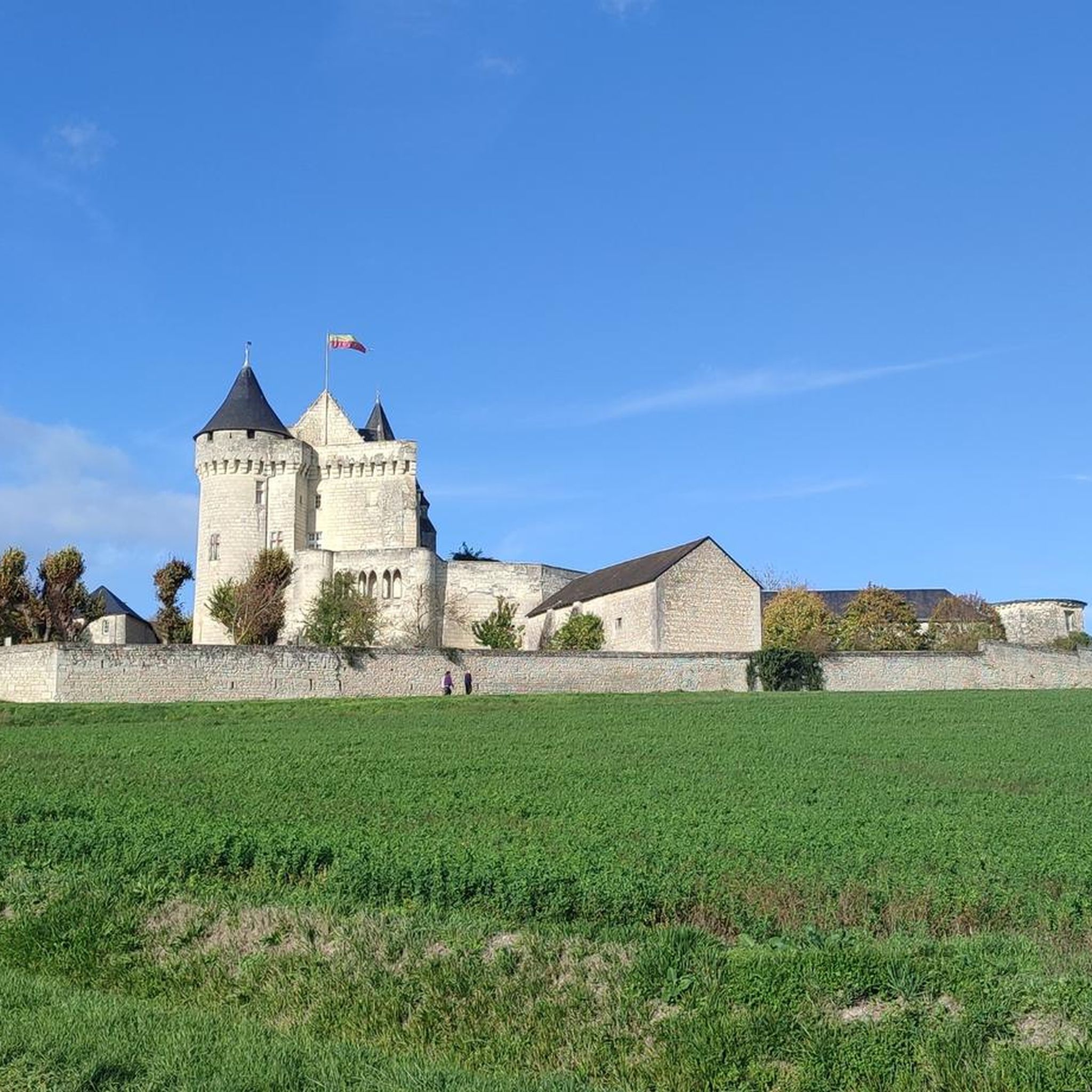
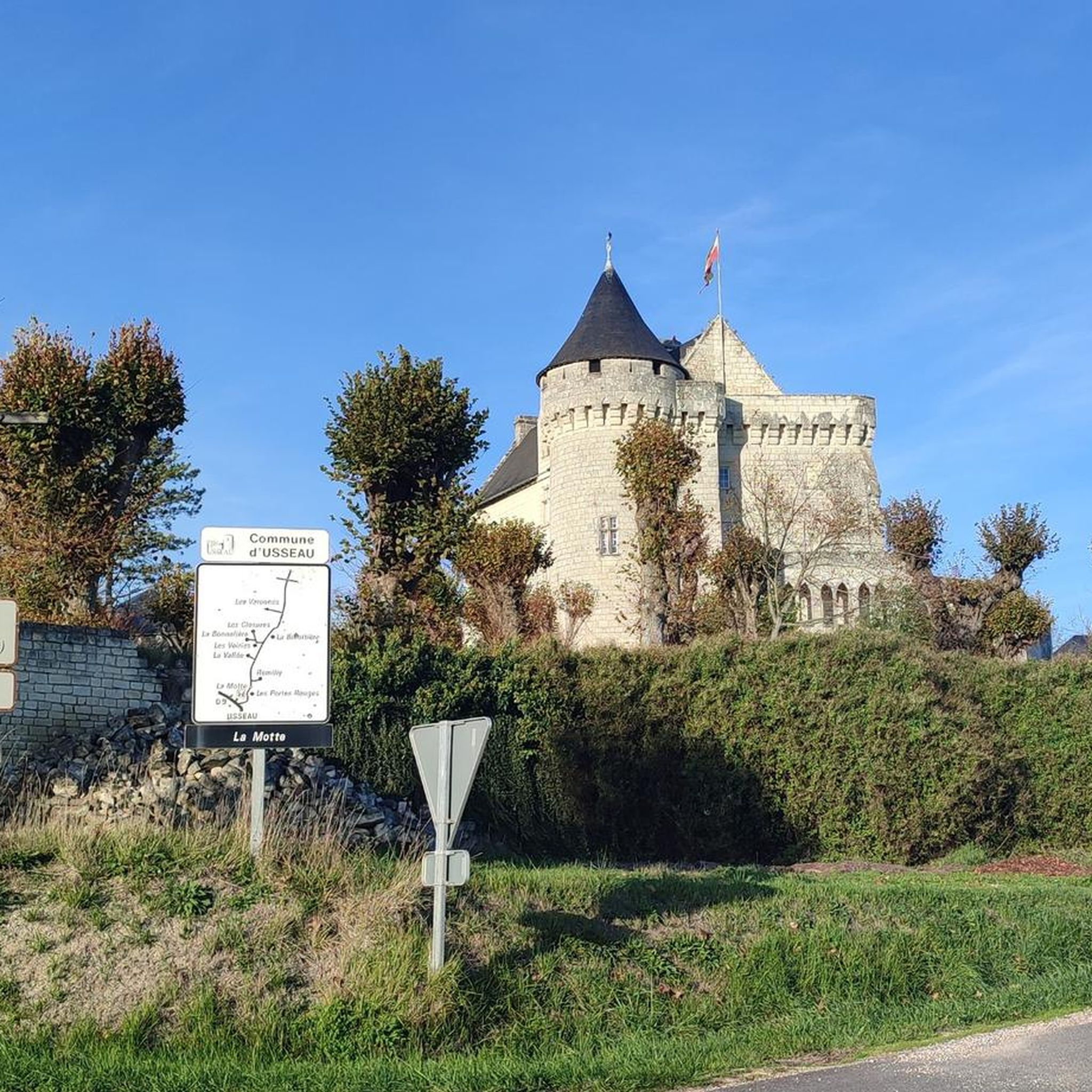
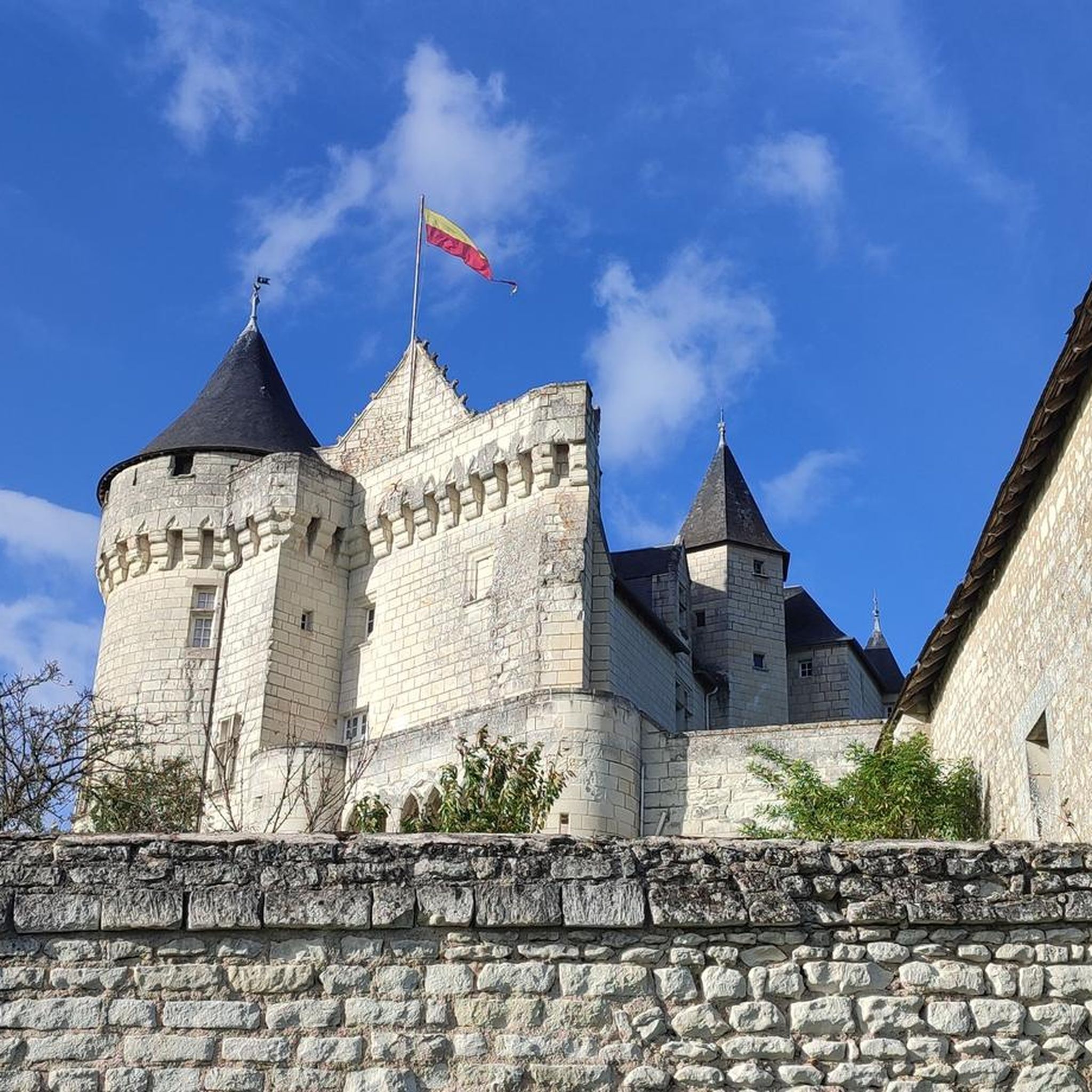
Luxury hotel and restaurant project. From the outside, the castle is interesting to see. It reminds me of the Château de Pierrefonds, in a miniature version. It is classified as a historic monument,
0
0


La Cyclerie Café, located in Poitiers, is a unique place that combines passion for cycling and conviviality. This hybrid space serves as both a cozy café and a bicycle repair shop. Cyclists can take a break, enjoy artisanal drinks, while maintaining or customizing their bikes. La Cyclerie Café is a meeting point for two-wheel enthusiasts and a hub for cycling culture in the city, offering events, workshops, and a relaxed atmosphere where exchanges, sharing and a passion for cycling are combined.
2
0
Château de Dissay, located in Vienne, is a magnificent example of medieval and Renaissance architecture in France. Built in the 15th century, this castle is surrounded by a moat and formal gardens, providing an enchanting setting for a stroll. It is distinguished by its elegant round towers, slate roofs, and its façade decorated with sculpted details, which tell the rich history of this place. When visiting Château de Dissay, you can explore its sumptuous interiors, where history and refinement meet. The rooms are decorated with period furniture, tapestries, and works of art, giving a glimpse into the aristocratic life of yesteryear. The castle chapel, with its stained glass windows and frescoes, is a gem not to be missed. The castle's meticulously maintained gardens are another highlight of the visit. They invite you to stroll, with their flower-lined paths, geometric flowerbeds, and peaceful ponds. It is an ideal place to relax, admire the beauty of the landscape, and enjoy the tranquil atmosphere that reigns here. Walking around the Château de Dissay is like taking a trip back in time, while enjoying the serenity and splendor of a preserved historical setting.
1
0
Frequently Asked Questions
What kind of terrain can I expect on road cycling routes around Usseau?
The Usseau region, located in the Vienne department, offers varied terrain for road cyclists. You'll find well-maintained, tree-lined roads with a mix of flat sections, particularly heading west towards Civray, and rolling countryside with moderate elevation gains. Routes often follow the scenic Vienne River, providing diverse options for different fitness levels.
Are there many road cycling routes suitable for beginners or those looking for an easy ride?
Yes, Usseau offers a good selection of easier routes. There are 59 easy road cycling routes available. For example, the Roadbike loop from La Potinière is an easy 15.8-mile (25.5 km) path with gentle hills, taking approximately 1 hour 9 minutes to complete.
What are some challenging road cycling routes for experienced riders in the area?
For more experienced riders, there are 8 difficult routes and 282 moderate routes. A moderate option is the Haut-Clairvaux Keep – Haut Clairvaux Keep loop from Thuré, a 34.3-mile (55.3 km) trail with an elevation gain of 1,307 feet (398 meters), typically completed in about 2 hours 24 minutes.
What attractions or landmarks can I see along the road cycling routes near Usseau?
Road cycling routes around Usseau often pass by historical sites and natural features. You might encounter the historic Château de la Motte d'Usseau, or cycle near the charming village of Les Ormes, known for its own château. The routes also offer views of the Vienne River and can lead towards Châtellerault, a city rich in history.
Are there any circular road cycling routes around Usseau?
Yes, many of the road cycling routes around Usseau are designed as loops, allowing you to start and finish in the same location. An example is the Les Ormes loop from Antran, a 20.4-mile (32.8 km) trail through the countryside.
What is the best time of year to go road cycling in Usseau?
The months of July and August are particularly popular for cycling in the Vienne region, including Usseau. During this time, cyclists can generally expect favorable weather conditions to enjoy the tree-lined routes and rolling countryside.
Are there family-friendly road cycling paths in Usseau?
While many road cycling routes are on public roads, the region offers options suitable for families. The presence of dedicated cycle paths, such as around Gros Caillou Lake, suggests pleasant environments for leisurely rides or family outings away from heavy traffic.
What do other road cyclists enjoy most about road cycling in Usseau?
The road cycling experience in Usseau is highly rated by the komoot community, with an average score of 4.2 stars from over 30 reviews. Cyclists often praise the well-maintained road surfaces, the picturesque views across the rolling countryside, and the variety of routes that cater to different abilities.
Can I find long-distance road cycling options near Usseau?
Yes, the Vienne department, where Usseau is located, is part of the EuroVelo 3 (Pilgrims Route). This long-distance cycling route passes through the region, offering extensive tours for those looking for longer rides beyond the immediate Usseau area.
Are there options for parking near road cycling routes in Usseau?
While specific parking details for every route are not provided, Usseau and nearby towns like Châtellerault are generally accessible by car. Cyclists can typically find parking in villages or designated areas near route starting points, allowing for convenient access to the trails.
Are there any less crowded road cycling routes around Usseau?
The Usseau region is known for its scenic, tree-lined roads through the countryside, which often provide a more tranquil cycling experience compared to urban areas. Exploring routes that venture further into the rural landscape, such as the Roadbike loop from Leigné-sur-Usseau, can offer a less crowded ride.
Can I find places to stop for refreshments or food along the road cycling routes?
The region around Usseau features charming villages and towns. Larger towns like Châtellerault offer various cafes and restaurants, including riverside 'guinguettes.' Smaller villages along routes may also have local establishments where cyclists can stop for refreshments.
Most popular attractions around Usseau

Get inspired with the komoot mobile app


Explore more
Browse the best Road cycling routes in other regions.
