The best cycling routes around Saint-Aignan
4.5
(150)
1,023
riders
45
rides
Touring cycling around Saint-Aignan, nestled in France's Loire Valley, offers diverse landscapes for exploration. The region is characterized by its idyllic riverside location along the Cher, rolling countryside, and vineyards. Cyclists can find routes traversing these areas, with gentle elevation changes along canal paths and slightly more varied terrain through the vineyards. Unique troglodyte houses carved into limestone cliffs are also a feature along some river routes.
Best touring cycling routes around Saint-Aignan
- The most popular touring cycling route is…
Last updated: November 22, 2026
4.8
(32)
187
riders
51.9km
02:57
60m
60m
Moderate bike ride. Good fitness required. Mostly paved surfaces.
5.0
(2)
33
riders
15.1km
00:52
40m
40m
Easy bike ride. Mostly paved surfaces.

4.3
(3)
5
riders
79.7km
04:39
280m
280m
Moderate bike ride. Good fitness required. Mostly paved surfaces.
11
riders
Easy bike ride. Mostly paved surfaces.
4.3
(4)
10
riders
Easy bike ride. Mostly paved surfaces.
Get access to more routes and recommendations from other explorers.
Already have an account?
Our route recommendations are based on thousands of hikes, rides, and runs completed by other people on komoot.
Start today with a free account
Your next adventure awaits.
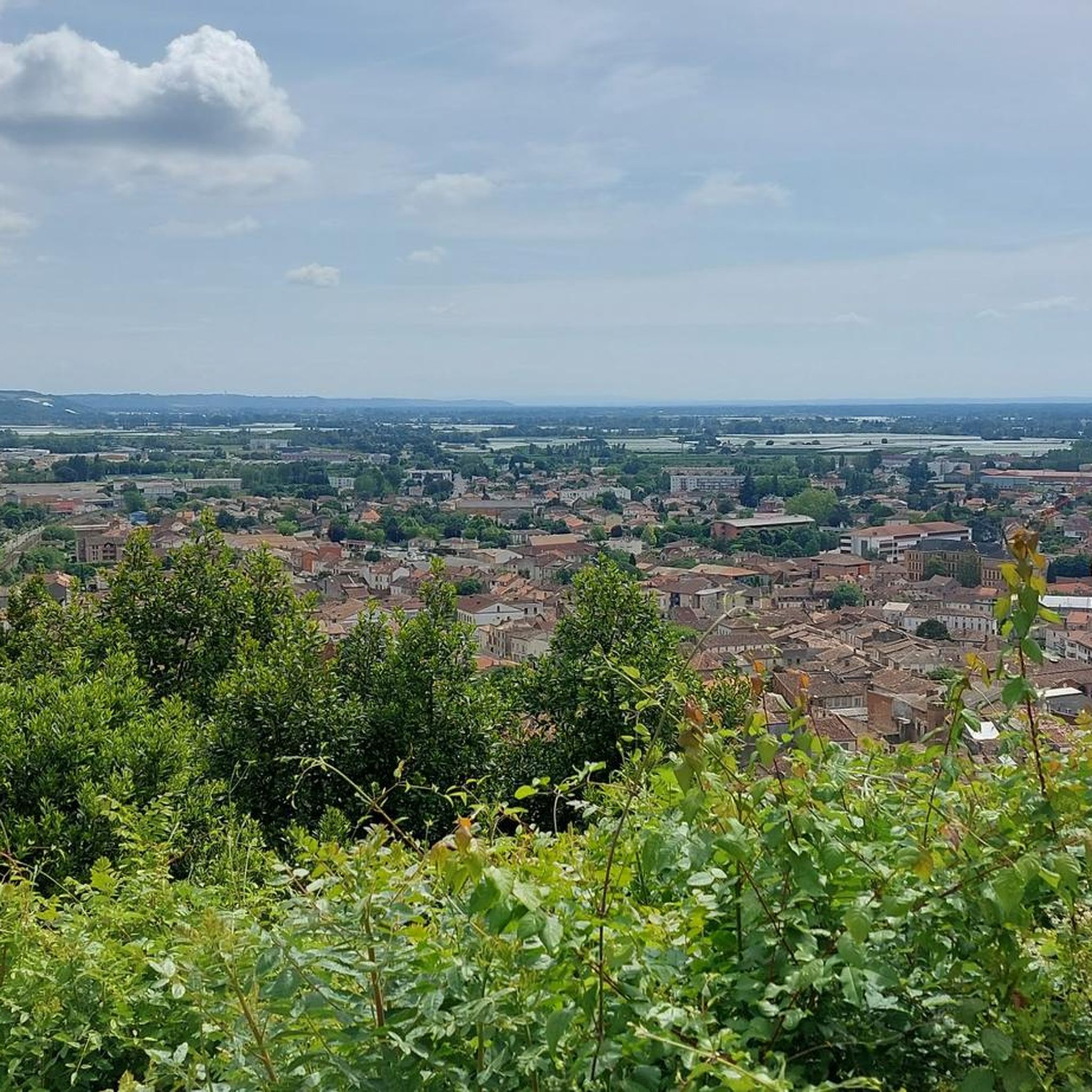
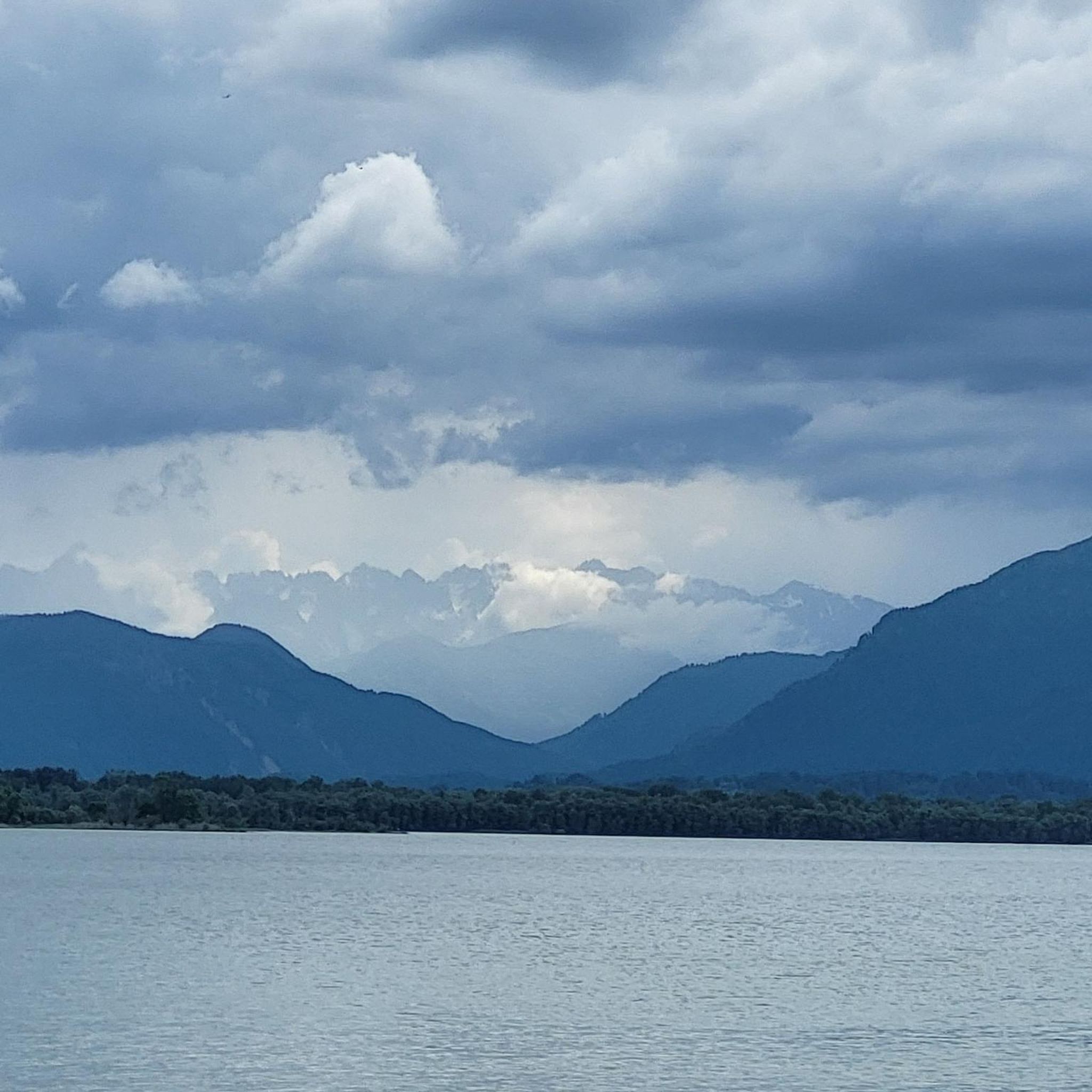

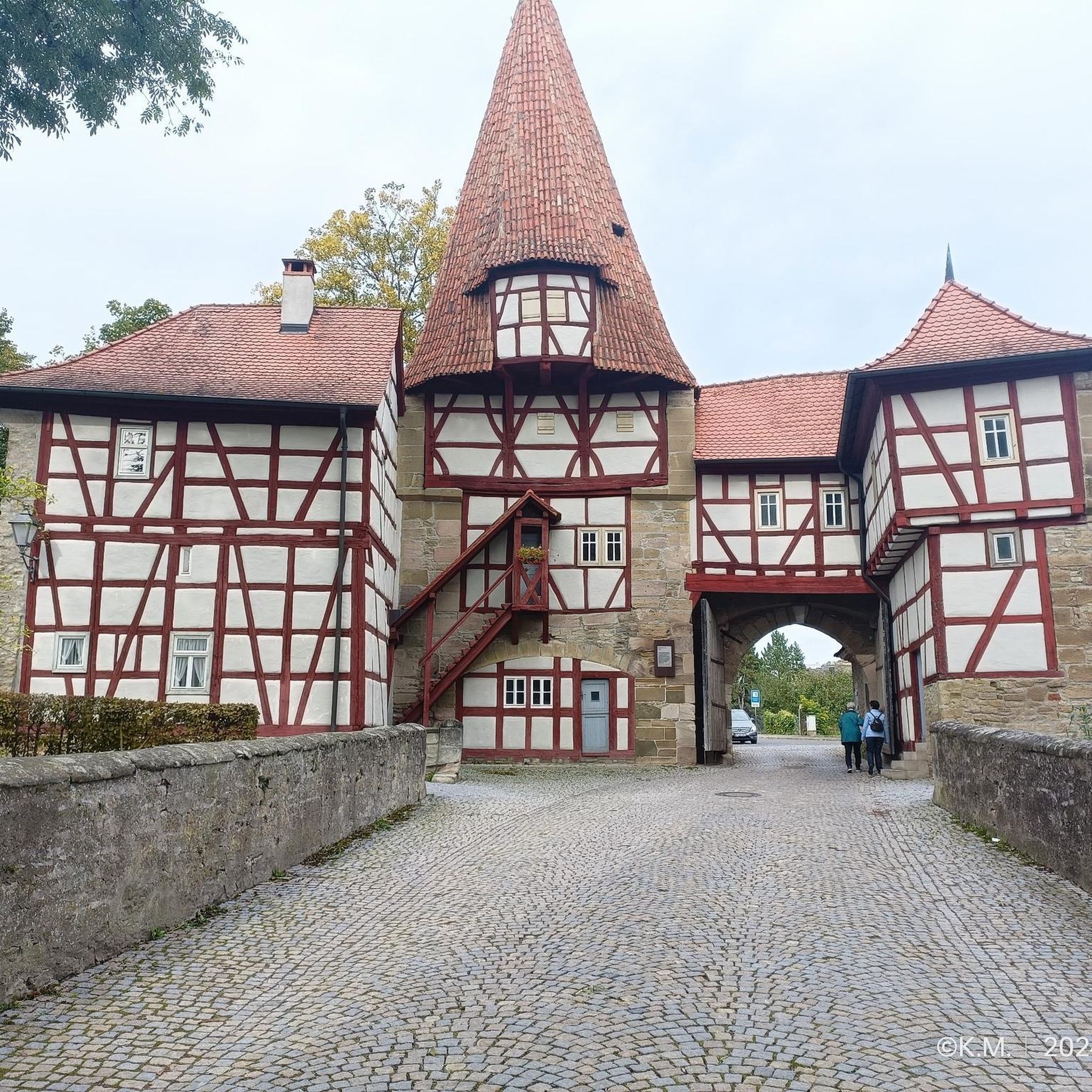
Tips from the Community

The abbey and its cloister, the historic center, the Art Deco buildings, the Napoleon bridge, the towpath, and the Cacor canal bridge are must-sees. Everything can be easily discovered on foot. Moissac is a major stop on the Camino de Santiago thanks to its exceptional heritage, particularly its abbey, a UNESCO World Heritage site. Its Romanesque cloister and sculpted tympanum make it an emblematic place for pilgrims from all over the world.
0
0
Abbey founded in the mid-7th century. After its affiliation with Cluny in 1047, the abbey was consecrated in 1063. Cloister built at the end of the 11th century (high altar consecrated by Urban II), portal completed between 1115 and 1135, fortifications and cloister arcades in the 13th century. After the troubles of the Hundred Years' War and the plundering due to the Wars of Religion, the abbey passed into commendam in the 17th century. After the Revolution, the abbey was bought back as national property and saved by the town hall secretary. The church was returned to worship in 1801 and was restored at the initiative of Viollet-le-Duc in 1847. In 1856, the conventual buildings located on the site of the seminary were destroyed and divided into plots for sale. The purchase of the plots allowed for the construction of the minor seminary and a chapel between 1860 and 1865. The seminary is built on medieval remains of the abbey, particularly the cistern and the Hall of the Dead, which retains painted decoration from the 14th century.
0
0
Abbey founded in the mid-7th century. After its affiliation with Cluny in 1047, the abbey was consecrated in 1063. Cloister built at the end of the 11th century (high altar consecrated by Urban II), portal completed between 1115 and 1135, fortifications and cloister arcades in the 13th century. After the troubles of the Hundred Years' War and the looting due to the Wars of Religion, the abbey came under commendatory abbots in the 17th century. After the Revolution, the abbey was bought back as national property and saved by the town hall secretary. The church was returned to worship in 1801 and was restored at the initiative of Viollet-le-Duc in 1847. In 1856, the conventual buildings located on the site of the seminary were destroyed and divided for sale. The repurchase of the plots allowed for the construction of the minor seminary and a chapel between 1860 and 1865. The seminary is built on medieval remains of the abbey, particularly the cistern and the Hall of the Dead, which retains painted decoration from the 14th century.
1
0
The abbey and its cloister, the historic center, the Art Deco buildings, the Napoleon bridge, the towpath, and the Cacor canal bridge are must-sees. Moissac is a major stop on the Camino de Santiago thanks to its exceptional heritage, notably its abbey, a UNESCO World Heritage site. Its Romanesque cloister and sculpted tympanum make it an emblematic place for pilgrims from all over the world.
0
0
The abbey and its cloister, the historic center, the Art Deco buildings, the Napoleon bridge, the towpath and the Cacor canal bridge are must-sees. Moissac is a major stop on the routes to Santiago de Compostela thanks to its exceptional heritage, notably its abbey, a UNESCO World Heritage site. Its Romanesque cloister and sculpted tympanum make it an emblematic place for pilgrims from all over the world.
0
0
The abbey and its cloister, the historic center, the Art Deco buildings, the Napoleon bridge, the towpath, and the Cacor canal bridge are must-sees. Moissac is a major stop on the Camino de Santiago routes thanks to its exceptional heritage, notably its abbey, a UNESCO World Heritage site. Its Romanesque cloister and sculpted tympanum make it an emblematic place for pilgrims from all over the world.
0
0
On July 29, 1808, Napoleon I arrived in Moissac, crossing the Tarn on a pontoon bridge. Since the Wars of Religion and floods, previous structures had been destroyed, and the perilous crossing was done by ferry. Work began quickly but ceased with the fall of the First Empire (1814). It resumed in 1820, leading to the inauguration of the Marie-Thérèse bridge on December 19, 1824. It was named in honor of the Dauphine, daughter of Louis XVI and Marie Antoinette, who is said to have laid the keystone of the bridge. It finally became the "Pont Napoléon" in 1859, after Napoleon III's visit to Moissac.
0
0
The Pont Cacor is the Canal des 2 mers that passes over the Tarn. With a length of 356 meters and 15 arches, it is the third largest canal bridge in France. Built in 1845, the canal was intended for the transport of goods to Bordeaux. The structure of the bridge, made of Toulouse bricks and white stones from Quercy, symbolizes the meeting of the two waterways and two territories. In addition to being impressive, the Pont Cacor offers a superb view of the Tarn and the orchards of Moissac and Terres des Confluences.
1
0
Frequently Asked Questions
How many touring cycling routes are available around Saint-Aignan?
There are over 50 touring cycling routes mapped around Saint-Aignan, offering a wide variety of options for exploring the region. These routes are highly rated by the komoot community, with an average score of 4.5 stars.
Are there easy touring cycling routes suitable for all fitness levels?
Yes, Saint-Aignan offers many easy touring cycling routes. Nearly half of the routes, specifically 24, are classified as easy. These often follow gentle canal paths or riverside trails, such as the Cacor Canal Bridge – Cacor Canal Aqueduct in Moissac loop from Castelsarrasin, which features minimal elevation gain.
Can families with children find suitable cycling routes in Saint-Aignan?
Absolutely. The region's numerous easy routes, particularly those along the canal paths, are ideal for families. These flat, well-maintained paths provide a safe and enjoyable environment for cyclists of all ages. An example is the Napoleon Bridge in Moissac – Moissac Canal loop from Castelsarrasin, which offers flat terrain perfect for leisurely rides.
What kind of landscapes can I expect to see while cycling around Saint-Aignan?
While cycling around Saint-Aignan, you'll experience diverse landscapes. Expect idyllic riverside paths along the Cher, rolling countryside, and picturesque vineyards. You might also encounter unique troglodyte houses carved into limestone cliffs along some river routes, adding a distinctive historical touch to your ride.
Are there any circular touring cycling routes available?
Yes, many of the touring cycling routes around Saint-Aignan are designed as loops, allowing you to start and finish at the same point. Examples include the Moissac – Cacor Canal Aqueduct in Moissac loop from Quartier Saint-Benoît and the Cacor Canal Bridge – Cacor Canal Aqueduct in Moissac loop from Communauté de communes Terres des Confluences, which both offer scenic circular journeys.
What historical sites or landmarks can I explore along the cycling routes?
The Saint-Aignan area is rich in history. Along your cycling routes, you can explore landmarks such as the Cacor Canal Bridge and the historic town of Moissac, home to the notable Saint Peter's Abbey Church and Cloister. The broader Loire Valley also features numerous châteaux like Château de Chenonceau, which are easily accessible for day trips.
Is it possible to cycle along the famous Loire à Vélo route from Saint-Aignan?
Yes, Saint-Aignan is situated within the broader Loire Valley, through which the renowned Loire à Vélo route passes. This extensive 900 km cycling path, part of EuroVelo 6, offers vast opportunities for cycling along the river. For more information on this route, you can visit francevelotourisme.com.
What do other cyclists say about their experience touring cycling in Saint-Aignan?
The touring cycling routes in Saint-Aignan are highly regarded by the komoot community, holding an impressive average rating of 4.5 stars from over 190 reviews. Cyclists often praise the tranquil riverside paths, the charming vineyard-laced countryside, and the accessibility of routes for various skill levels.
Are there options for more challenging touring cycling routes in the area?
While many routes are easy, Saint-Aignan also offers options for those seeking a greater challenge. There are 8 routes classified as difficult and 19 as moderate. These longer loops might include gentle climbs through vineyards or cover more extensive distances, such as the 126 km 'Château de Chenonceau loop from Noyers-sur-Cher' mentioned in regional research, requiring good fitness.
Where can I find parking near the cycling trails in Saint-Aignan?
Parking is generally available in and around Saint-Aignan, particularly in town centers or near popular trailheads. For routes starting from Castelsarrasin, you might find parking at locations like Parking de covoiturage VINCI Autoroutes Castelsarrasin, which serves as a starting point for several touring cycling routes.
What is the best time of year for touring cycling in the Saint-Aignan region?
The Loire Valley, including Saint-Aignan, is beautiful for cycling from spring through early autumn. The weather is generally mild and pleasant, with lush landscapes. Summer offers warm days perfect for outdoor activities, while spring and autumn provide cooler temperatures and vibrant scenery, especially during harvest season in the vineyards.
Can I bring my dog on the cycling trails around Saint-Aignan?
Many outdoor areas in the Loire Valley are dog-friendly, especially on public paths and trails. However, it's always advisable to check local regulations or specific route details beforehand. Generally, if your dog is well-behaved and kept on a leash, they can accompany you on many of the scenic touring cycling routes.
Most popular attractions around Saint-Aignan

Get inspired with the komoot mobile app


Explore more
Browse the best Cycling routes in other regions.
