Attractions and Places To See around Saint-Armel - Top 18
Best attractions and places to see around Saint-Armel are concentrated in a commune in the Morbihan department of Brittany, France. Situated within the Regional Natural Park of the Gulf of Morbihan, the area is known for its preserved natural environment. It offers diverse landscapes including marshes, coastal paths, and islands. This region provides opportunities for exploring natural features and historical sites.
Best attractions and places to see around Saint-Armel
- The most popular attractions is Châteaugiron Castle, a castle first…
Last updated: July 20, 2026
Saint-Maximilien-Kolbé Church
Highlight • Religious Site
Translated by Google •
Tip by

Châteaugiron Castle
Highlight • Castle
Translated by Google •
Tip by

Sign up now to discover places like this
Get recommendations on the best single tracks, peaks, & plenty of other exciting outdoor places.
Sign up for free
Lime kilns
Highlight • Other
Translated by Google •
Tip by

The Seiche River and Its Mining History
Highlight • River
It …
Translated by Google •
Tip by
Mill trail
Highlight (Segment) • Trail
Translated by Google •
Tip by

Sign up for free to discover even more attractions around Saint-Armel.
Sign up for free
Already have an account?
Start today with a free account
Your next adventure awaits.
Login or Signup



Tips from the Community

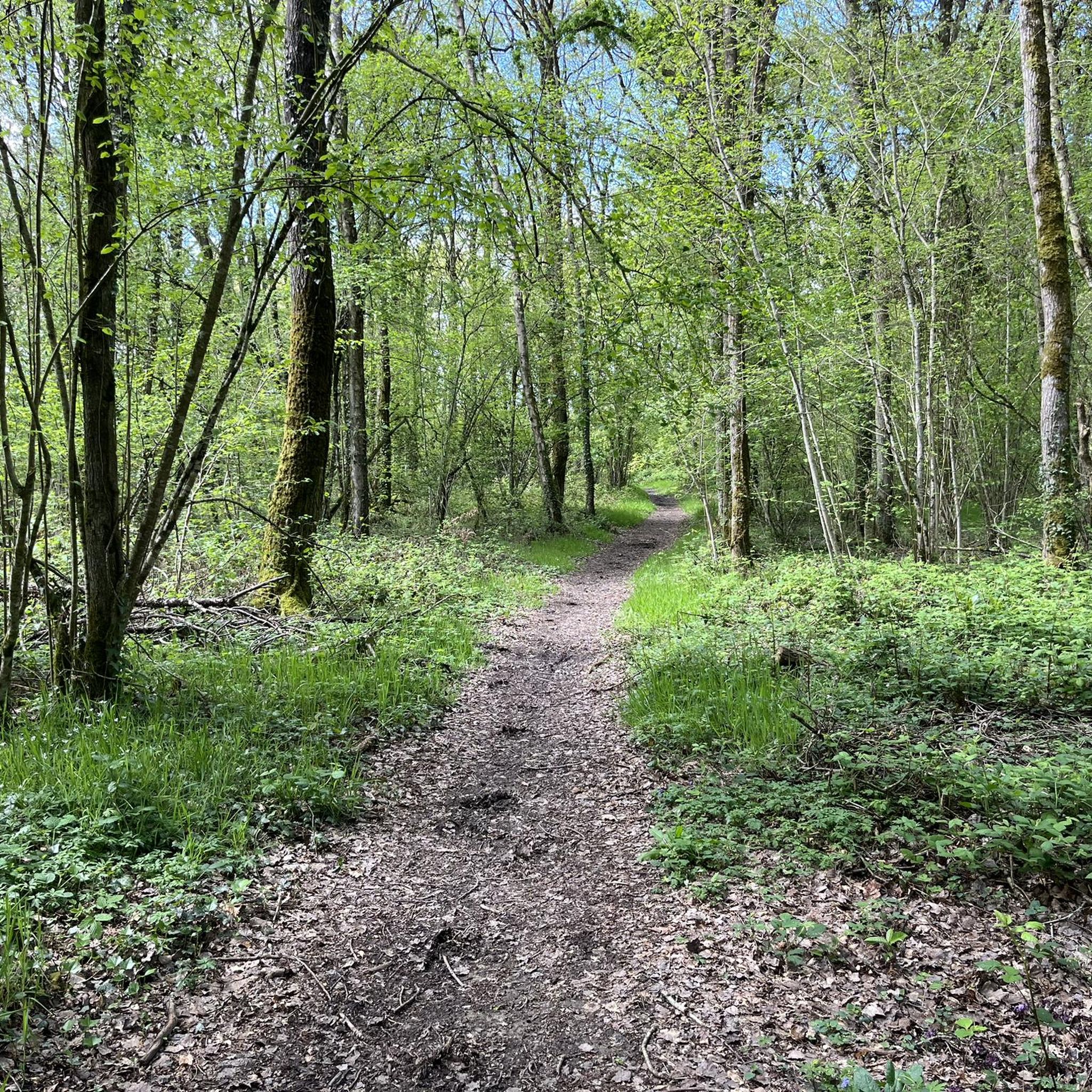
Nice but some passages with lots of brambles and nettles impossible to avoid in summer.
0
0

Very nice place, very friendly! I recommend !
0
0

The first castle of Châteaugiron was built in the middle of the 11th century by Anquetil, a Norman knight, who had received the lands from Alan III, Duke of Brittany. The oldest part of the current castle is the castle's Romanesque chapel dating from the 12th century. Probably in the 13th century, Châteaugiron castle was rebuilt as a stone fortress. Currently the Château de Châteaugiron fulfills several functions; its main body is used as a town hall, the other parts are used as offices and the independent keep is used for exhibitions. You can book your tickets online here: https://www.tourisme-paysdechateaugiron.bzh/activites/chateau-de-chateaugiron/
0
0

This church stands in the middle of the countryside, you can see it from afar, it is magnificent! The bell tower in the form of a "bulb", characteristic of the Byzantine style, made it pass for an Orthodox church, while it is just linked to the originality of the architect in 1875. Anecdote of the German occupation: in 1941, the Nazi propaganda filmed a film there ("Threshing wheat in Ukraine") to make believe in an advance of German troops in Ukraine (against the Soviet Union). Until 2011, the church was under the patronage of St. Peter the Apostle. On this date, his patronage was changed to that of Saint-Maximilien-Kolbé (1894-1941), a Polish priest with exceptional charisma, especially in the face of Nazism. Held in the Auschwitz concentration camp, he offered himself to take the place of a father sentenced to death. He was canonized (recognized as a "saint" by the Catholic Church in Rome) in 1982.
1
0


Site known for its limestone subsoil (rare in Brittany) which earned it to be exploited from 1853 to make lime. At the beginning of the 20th century, the company of lime kilns of Lormandière and Chaussairie united constituted the most important lime production company in Brittany (14 kilns 150 workers). Closed in 1938 We produced there: quicklime used as an amendment in agriculture lime (hydraulic) used in building, masonry in particular to produce the kilometers of cement pipes used for the construction of the Rennes sewerage network. The department has been the owner since 1988 of this rehabilitated industrial site that is fully integrated into the environment. The Site is classified as a Natural Zone of Ecological Floristic and Fauna Interest (ZNIEFF) The limestone substrate of Lormandière has allowed the development of a particular flora (500 plant species, including rare orchids (bee orchis, pyramidal orchis and goat orchids) Fauna: There are 50 species of birds (turtledove, zizi sparrow and the peony bullfinch). The Bats (European barbastelle) benefit from the welcome offered by the old industrial buildings. There are also foxes and rabbits.
1
0
Former industrial site rehabilitated by the department
2
0
Frequently Asked Questions
What natural attractions can I explore around Saint-Armel?
Saint-Armel is rich in natural beauty, situated within the Regional Natural Park of the Gulf of Morbihan. You can visit the Lasné Marshes, an important ornithological refuge and oyster farming site, or the Ludré Marsh, another significant oyster farming area. Tascon Island is accessible by road at low tide and offers beautiful walking opportunities. The expansive Gulf of Morbihan itself is a major draw for its diverse biotopes and scenic coastal walks, and you can admire Enézy Island from the coast.
Are there any historical or cultural sites to visit in Saint-Armel and its surroundings?
Yes, the area offers several historical and cultural points of interest. Within the village, you can find the Saint-Armel Church. Nearby, the 16th and 17th-century Manoir du Méné is listed in the general inventory of cultural heritage. For a broader historical experience, consider visiting Châteaugiron Castle, an 11th-century fortress with parts now serving as a town hall and exhibition space. The Seiche River also has a rich mining history linked to the Pont-Péan site.
What kind of outdoor activities can I do near Saint-Armel?
The region is ideal for outdoor enthusiasts. You can enjoy excellent hiking along the GR34 coastal path, which winds through marshes, dikes, and oyster farms. For cycling, mountain biking, or gravel biking, there are numerous routes available. You can find detailed guides for these activities, including routes like 'Banks of the Seiche' or 'Moulin de la Bouëxière', on the MTB Trails around Saint-Armel, Cycling around Saint-Armel, and Gravel biking around Saint-Armel guide pages.
Are there any family-friendly attractions or activities in the area?
Families can enjoy exploring the historical Châteaugiron Castle, which often hosts exhibitions. The Seiche River area offers pleasant bike rides suitable for families. Additionally, the natural environment of the Gulf of Morbihan, with its accessible islands like Tascon at low tide, provides opportunities for walks and birdwatching that can be enjoyed by all ages.
What is the best time of year to visit Saint-Armel for outdoor activities?
The warmer months, particularly from May to September, are ideal for outdoor activities in Saint-Armel. During this period, the weather is generally pleasant for hiking, cycling, and exploring the Gulf of Morbihan. The 'Le Petit Passeur' ferry, which connects Saint-Armel to Séné, also operates during these months, offering a unique way to explore the area.
Can I learn about local traditions like oyster farming or cider production?
Yes, Saint-Armel is deeply connected to its traditions. The Lasné Marshes and Ludré Marsh are active oyster farming sites, allowing visitors to observe this historical industry. For cider enthusiasts, the Maison du Cidre, located between Le Hézo and Saint-Armel, offers insights into traditional cider production and often includes tastings.
What are some interesting places to visit near Saint-Armel for a day trip?
Several captivating destinations are just a short drive away. Vannes, about 10 km from Saint-Armel, is a highly touristic city known for its medieval center, half-timbered houses, and ramparts. Approximately 7 km southwest, Sarzeau is home to the impressive Suscinio Castle. You can also easily access the beautiful islands of Île d'Arz and Île aux Moines in the Morbihan Gulf, which offer stunning beaches and coastal footpaths.
Is there a unique way to travel between Saint-Armel and nearby areas?
Yes, from May to September, you can take Le Petit Passeur, a small ferry that connects Saint-Armel to Séné. This pedestrian and cyclist-friendly ferry crosses a 200-meter channel in just a few minutes, saving you a 20 km road trip to Vannes and offering a charming local experience.
What are the Lime Kilns, and are they worth visiting?
The Lime Kilns are a former industrial site that operated from 1853 to 1938, producing quicklime for agriculture and hydraulic lime for construction. This rehabilitated site is now integrated into the environment and classified as a Natural Zone of Ecological Floristic and Fauna Interest (ZNIEFF). It's worth visiting for its historical significance and to observe the unique flora, including rare orchids, and fauna, such as various bird species and bats, that thrive in its limestone substrate.
What do visitors particularly enjoy about the attractions around Saint-Armel?
Visitors appreciate the blend of natural beauty and historical charm. The preserved natural environment, especially the Gulf of Morbihan and its marshes, is highly valued for its tranquility and wildlife. Historical sites like Châteaugiron Castle and the unique Saint-Maximilien-Kolbé Church are also popular for their distinct character and history. The komoot community has shared 10 photos and given 83 upvotes, highlighting the area's appeal for exploration and photography.
Are there any specific hiking trails recommended for beginners around Saint-Armel?
While the GR34 coastal path offers various sections, many parts are suitable for beginners, especially those that traverse the salt marshes and dikes, providing relatively flat terrain and scenic views. For more specific routes, you can explore the Attractions and Places To See around Saint-Armel guide page for suggestions on easy walks and circular routes that highlight the region's natural beauty.
Most popular routes around Saint-Armel

Get inspired with the komoot mobile app


Explore more
Still not found the Highlight you’re looking for? See guides of the top attractions in other regions:
