Attractions and Places To See around Guillac - Top 20
Best attractions and places to see around Guillac, a commune in the Morbihan department of Brittany, France, offer a blend of historical landmarks and natural features. The region is characterized by its position along the Nantes-Brest Canal, which channels the Oust river, providing opportunities for outdoor activities. Visitors can explore a variety of sites, from ancient castles to historic town centers and natural parks. The area is well-suited for those interested in history, architecture, and scenic walks or cycling routes.
…Last updated: July 15, 2026
Château de Josselin seen from the Sainte-Croix bridge
Highlight • Castle
Translated by Google •
Tip by

Josselin Castle
Highlight • Religious Site
Translated by Google •
Tip by

Sign up now to discover places like this
Get recommendations on the best single tracks, peaks, & plenty of other exciting outdoor places.
Sign up for free
Historic centre of Malestroit
Highlight • Historical Site
A thousand-year-old village, Malestroit still houses houses from the 15th and 16th centuries as well as locks, mills and churches full of stories.
Translated by Google •
Tip by
Le Roc-Saint-André
Highlight • Settlement
Tip by

Place du Bouffay
Highlight • Settlement
Tip by
Sign up for free to discover even more attractions around Guillac.
Sign up for free
Already have an account?
Start today with a free account
Your next adventure awaits.
Login or Signup


Tips from the Community

Magical town with a fairytale castle. (however, I recommend you swerve the Logis Hotel-Restaurant du Chateau). Or if you can find no other accommodation, at least avoid eating in the restaurant, which was one of the few outright poor places to eat I've found in France.
0
0

Very beautiful castle on the canalized Oust
0
0

... and we almost drove past. The medieval town is worth visiting twice! The buildings have great architecture and there are plenty of restaurants.
0
0

Beautiful picturesque town with a spectacular castle and old half-timbered houses
1
0

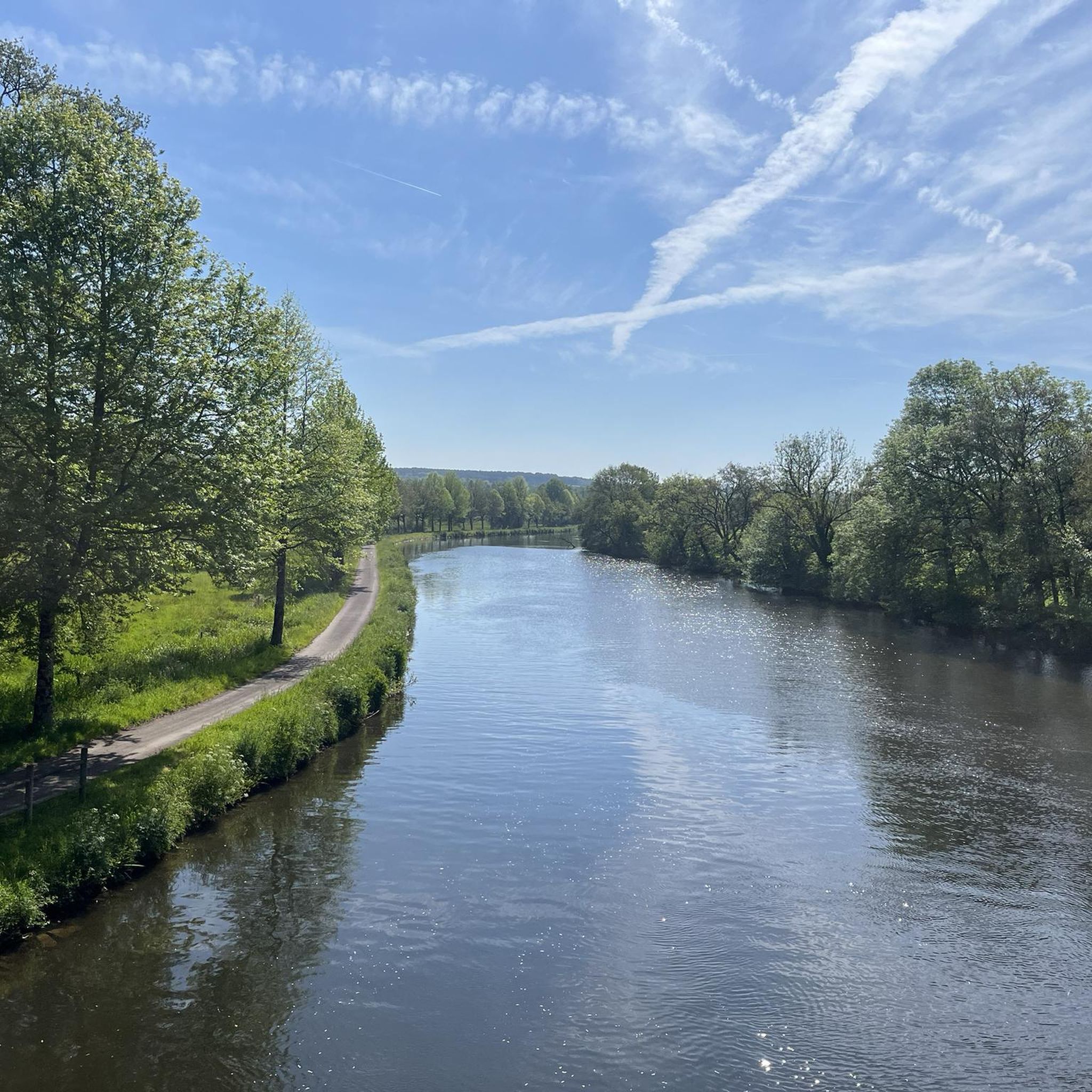
It looks beautiful when you come along the bike path along the canal.
0
0
It's really worth visiting! Beautifully renovated and maintained houses from the 15th and 16th century create an amazing atmosphere of a truly historic village. True wonders of ancient architecture.
0
0

From this point, you have a superb view of the Josselin castle. There are opportunities for free and guided tours. The annual closure is from November 1 to April 8. The Castle dates from the beginning of the 11th century, when the nearby Viscount of Porhoët had a palisade built on this rocky promontory overlooking the Oust valley. In 1370, Olivier de Clisson, constable of France, had the fortress built.
0
0

The Château de Josselin is a two-faced building whose architectural details tell a thousand-year-old story. Standing on a rocky outcrop, it overlooks the Oust valley. On the river side, an austere facade evokes the feudal struggles of the Middle Ages. On the courtyard side, a more refined sculpted granite facade offers a particularly well-preserved example of Breton architecture from the end of the 15th century and the beginning of the 16th century.
1
0
Frequently Asked Questions
What historical landmarks can I explore around Guillac?
Guillac and its surroundings are rich in history. You can visit the impressive Josselin Castle, a thousand-year-old fortress owned by the Rohan family, which showcases both medieval and more modern architecture. Another significant historical site is the Historic centre of Malestroit, known for its well-preserved half-timbered houses and stone facades from the 15th and 16th centuries. While not open to the public, the ancient 12th-century Abbey of Saint-Jean-des-Prés is also a recognized historical monument in the area.
Are there any natural attractions or scenic viewpoints near Guillac?
Yes, the region offers beautiful natural spots. The Château de Josselin seen from the Sainte-Croix bridge provides a superb view of the historic castle reflecting in the River Oust. The Nantes-Brest Canal, which channels the Oust river, is a significant natural feature with five flowered locks, mooring points, and pleasant picnic areas. You can also enjoy Coteaux Park, an ideal spot with aquatic plant ponds, streams, and a plant circuit to explore local flora.
What outdoor activities are available around Guillac?
Guillac is excellent for outdoor enthusiasts. The towpath along the Nantes-Brest Canal has been transformed into a greenway, perfect for cycling and hiking. You can find numerous marked hiking trails, such as the 13 km "Circuit des Croix" or the 9 km "Circuit de La Croix des Anglais." For more specific routes, explore options like hiking around Guillac, cycling around Guillac, or MTB trails around Guillac.
Are there family-friendly attractions in the Guillac area?
Absolutely! Many attractions are suitable for families. Josselin Castle not only offers historical insights but also houses a museum of dolls and toys, which can be engaging for children. The Historic centre of Malestroit is a charming place for a family stroll, and the Nantes-Brest Canal provides flat, scenic paths for easy walks or bike rides with kids.
Where can I find a good viewpoint to appreciate the local scenery?
For a truly superb view, head to the Château de Josselin seen from the Sainte-Croix bridge. This spot offers a picturesque perspective of the historic castle and its reflection in the River Oust, making it a popular choice for visitors.
What cultural experiences are available beyond historical sites?
Beyond the main historical sites, you can discover unique cultural experiences in the nearby village of Lizio. It is home to "L'univers du Poète ferrailleur" (The Junkyard Poet), an ecomuseum of old trades, an insectarium, and a quarry museum, offering diverse and interesting insights into local heritage and creativity.
Can I find places to eat or drink near the attractions?
Yes, particularly in the more populated areas. For example, Place du Bouffay in Malestroit is a medieval square dominated by St Gilles church and features outdoor seating from several restaurants and cafés, perfect for a break.
What is the significance of the Nantes-Brest Canal in Guillac?
The Nantes-Brest Canal is a central feature of Guillac, channeling the Oust river. It's not just a waterway but a hub for recreation. The canal features five flowered locks, mooring points, and a nautical stop in Guillac itself, which is popular for hiking and cycling. Its towpath has been converted into a greenway, offering accessible routes for outdoor activities.
Are there any specific historical events commemorated in the area?
Yes, the region commemorates significant historical events. The Column of the Thirty (Colonne des Trente) is a thirteen-meter-high granite obelisk that stands as a tribute to soldiers who fell during the Battle of Thirty in 1351, a pivotal event in the War of the Breton Succession. It dominates the former battlefield and serves as a powerful reminder of the area's past.
What do visitors enjoy most about the attractions around Guillac?
Visitors particularly appreciate the blend of historical charm and natural beauty. The imposing architecture of Josselin Castle and the well-preserved medieval atmosphere of the Historic centre of Malestroit are frequently praised. The scenic views, especially from the Sainte-Croix bridge overlooking Josselin Castle, are also highly rated by the komoot community.
Are there any unique architectural features to look out for?
Yes, the region boasts unique architectural details. Josselin Castle is notable for its 'two-faced' building, showcasing austere medieval architecture on the river side and a more refined, sculpted granite facade from the late 15th/early 16th century on the courtyard side. In Malestroit, the half-timbered houses and stone facades with intricate sculptures in the Historic centre are also remarkable.
What is La Tertraie Lock and why is it interesting?
The La Tertraie Lock is a historical lock dating back to the 1830s, part of the Nantes-Brest Canal. It features a small schist apparatus, granite cut stone facings, and original mooring bollards. It's interesting for its engineering history and the surrounding natural beauty, including an alignment of lime trees and alternating beeches and acacias along the bank.
Most popular routes around Guillac
Most popular attractions around Guillac

Get inspired with the komoot mobile app


Explore more
Still not found the Highlight you’re looking for? See guides of the top attractions in other regions:
