Attractions and Places To See around Saint-Michel-Sur-Meurthe - Top 20
Best attractions and places to see around Saint-Michel-Sur-Meurthe are located in the Vosges department, offering a blend of historical insights and natural beauty. The region features dense forests, river valleys, and significant historical sites. It provides opportunities for exploring ancient history and engaging with the natural landscape.
Best attractions and places to see around Saint-Michel-Sur-Meurthe
- The most popular attraction is La Bure Celtic Camp, a historical site that is a fortified plateau bordering the Haute-Meurthe valley. This site has…
Last updated: October 5, 2026
Trail of the Hamlets Fallen for France – La Fontenelle
Highlight • Historical Site
Here are buried some French soldiers who lost their lives on the battlefield of Hill 627, as the military name goes, defending France …
Translated by Google •
Tip by

La Bure Celtic Camp
Highlight • Historical Site
Translated by Google •
Tip by
Sign up now to discover places like this
Get recommendations on the best single tracks, peaks, & plenty of other exciting outdoor places.
Forest road between Brouvelieures and Autrey
Highlight (Segment) • Other
Translated by Google •
Tip by

Saint-Dié Cathedral
Highlight • Religious Site
Translated by Google •
Tip by
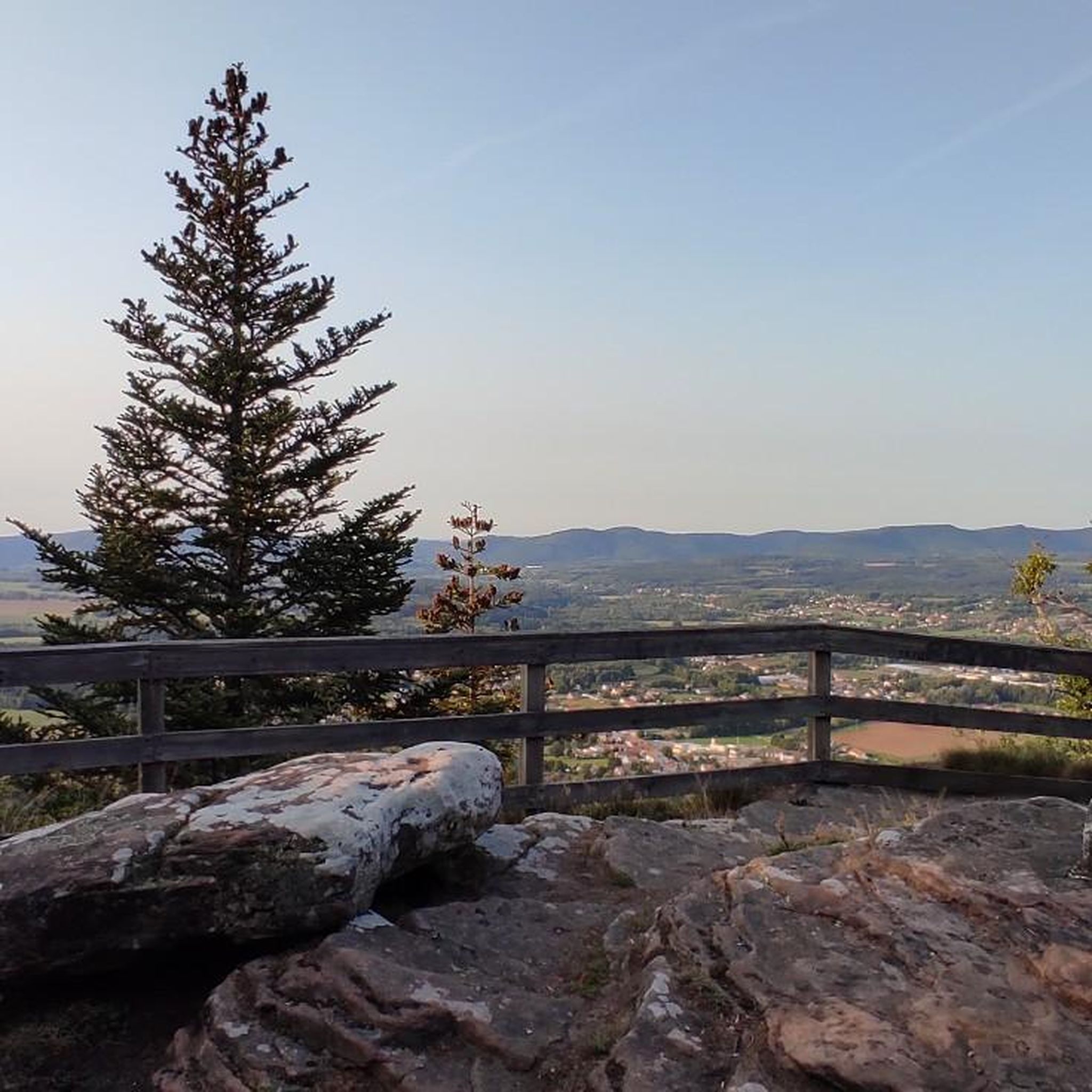
Roche d'Anozel
Highlight • Viewpoint
Translated by Google •
Tip by

Sign up for free to discover even more attractions around Saint-Michel-Sur-Meurthe.
Already have an account?
Start today with a free account
Your next adventure awaits.
Popular around Saint-Michel-Sur-Meurthe

Tips from the Community

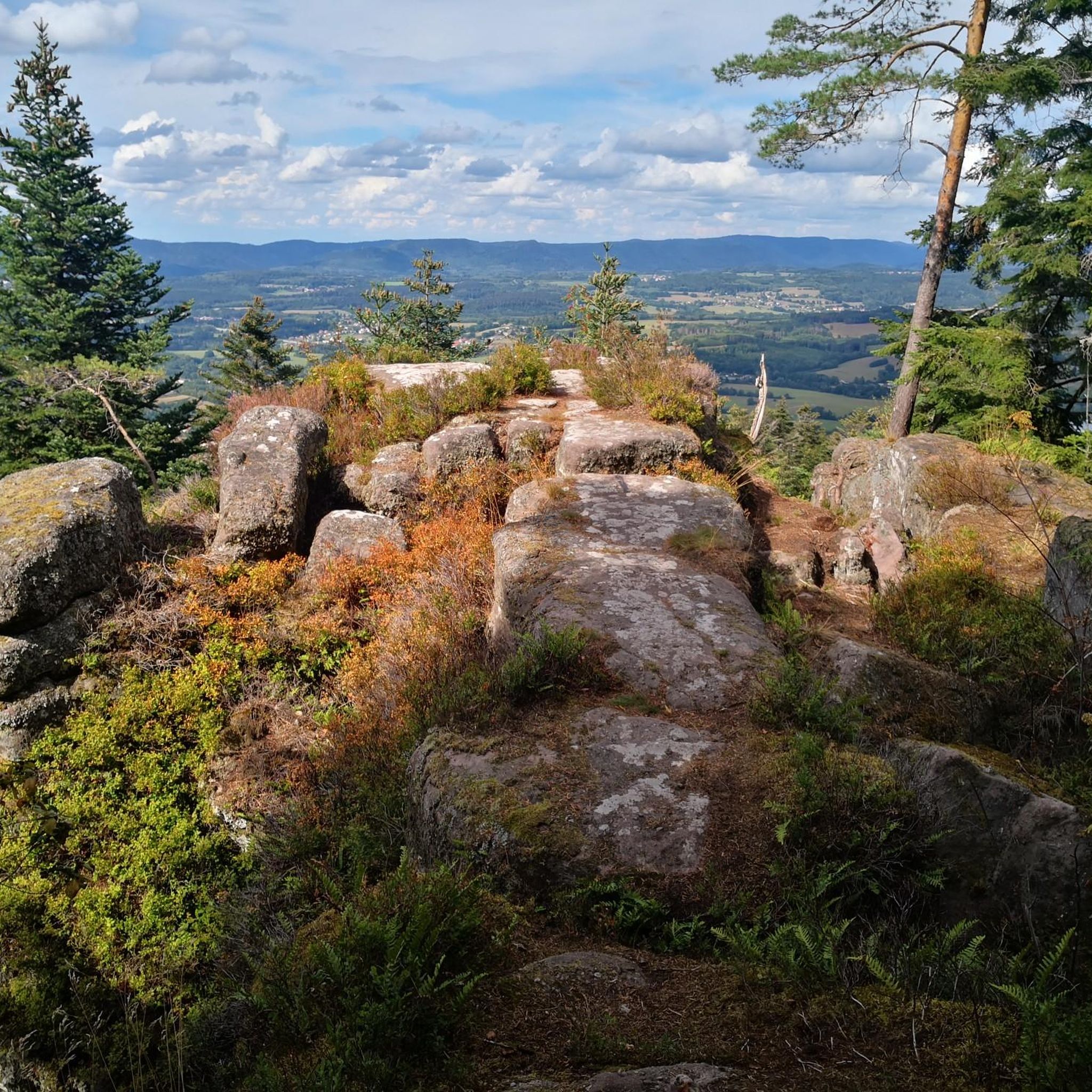
The Roche d’Anozel is located in the Kemberg massif near Saulcy-sur-Meurthe, not far from Saint-Dié-des-Vosges. The striking Vosges sandstone rock is about 740 m high and approximately 15 m high and 20 m wide. An enigmatic inscription on the rock is dated to the year 1402. Particularly interesting is the view over the Meurthe valley and the surrounding Vosges mountains. The Roche is part of a network of well-marked hiking trails.
0
0

Camp accessible to mountain bikes but next to the bike
0
0


Emblematic rock of the Kemberg massif, from which the view of the Vosges is clear.
1
0

Large steep rock with south-facing viewing platform.
2
0

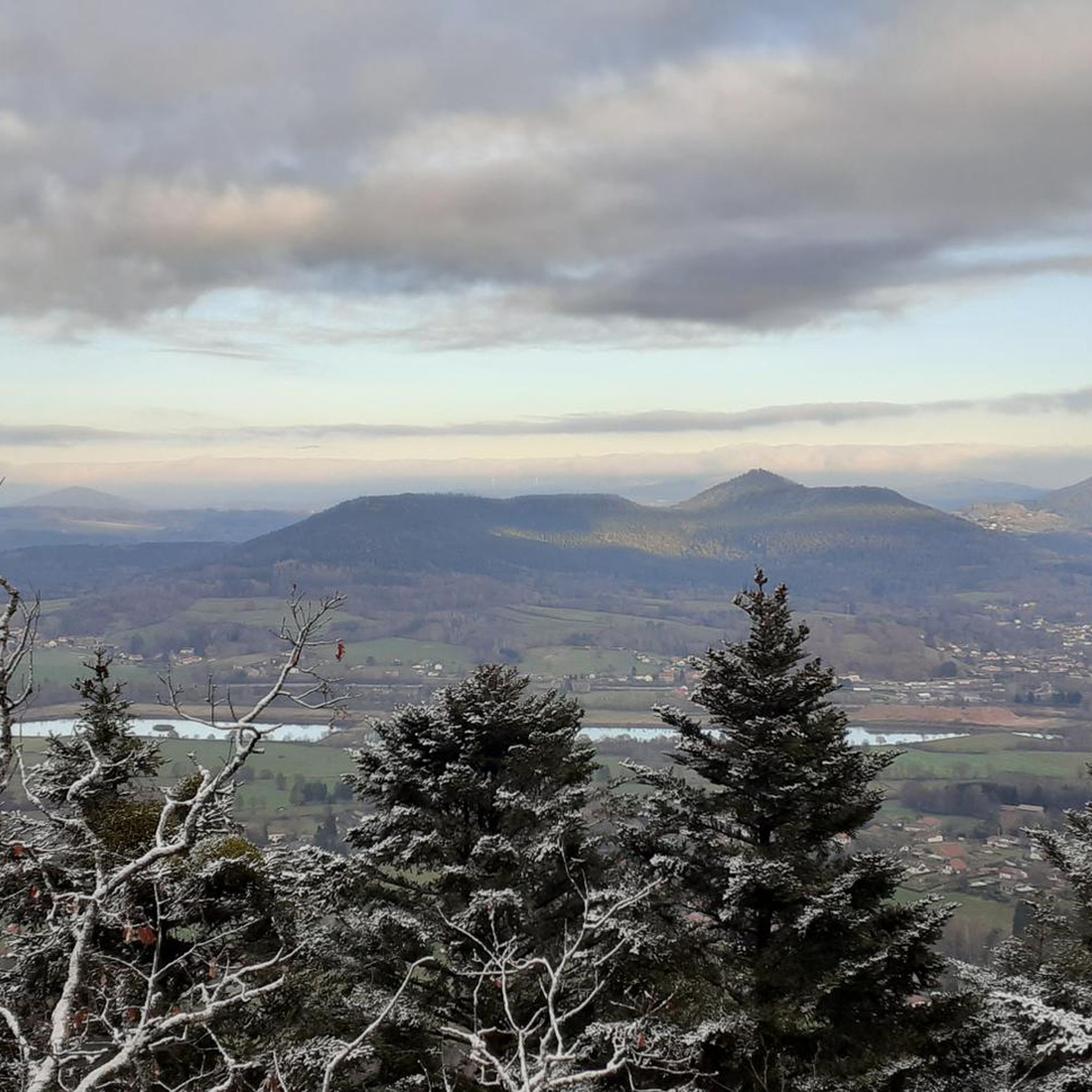
Quiet road through beautiful forest
1
0

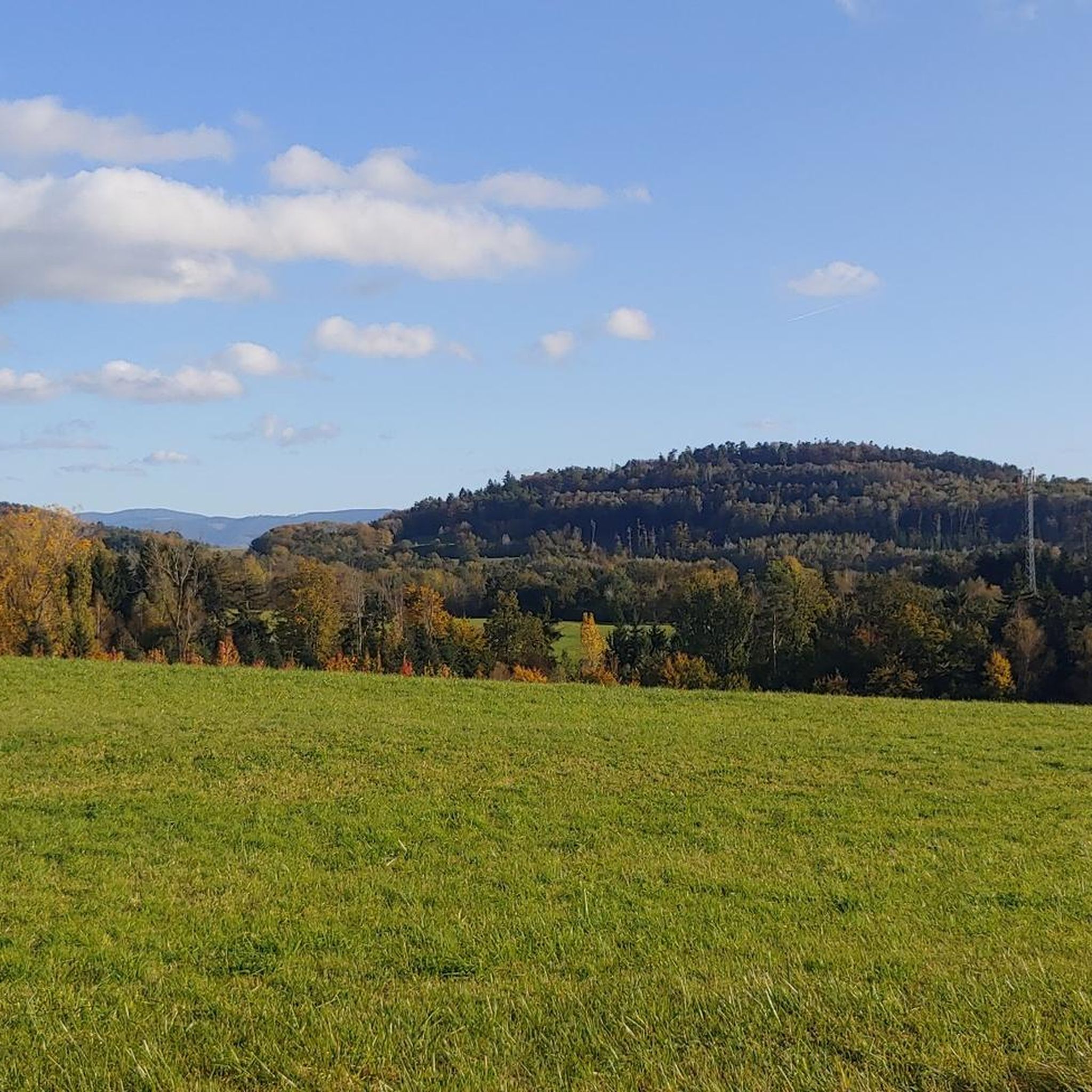
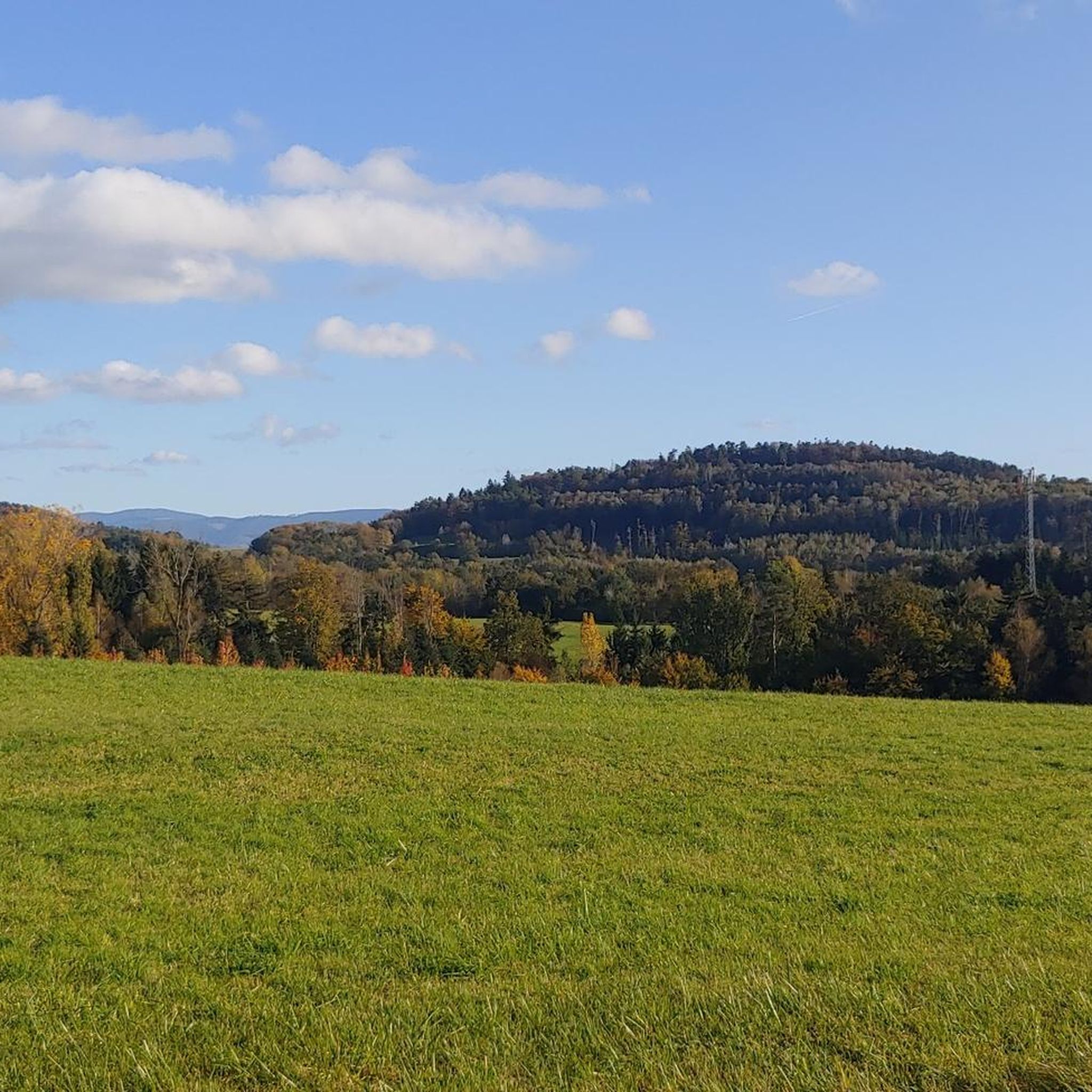
The Celtic camp of the Bure is a fortified plateau bordering the Haute-Meurthe valley in the Grand-East of France. The plateau, now wooded, lies between the communes of Saint-Dié-des-Vosges and that of Hurbache, at the western end of the Ormont massif. This site, known for 23 years of archaeological research from 1964 to 1986, has been classified as a Historical Monument since August 6, 1982. The site has been inhabited since at least the Neolithic period. Then used intensively by the Celts and later by the Romans. There is a lot to see from that time, also because there have not been any settlement activities worth mentioning for a long time. More information e.g. here: https://fr.wikipedia.org/wiki/Camp_celtique_de_la_Bure
6
0
Frequently Asked Questions
What historical sites can I explore around Saint-Michel-Sur-Meurthe?
The region is rich in history. You can visit the ancient La Bure Celtic Camp, a fortified plateau inhabited since the Neolithic period and used by Celts and Romans. Another significant site is the Trail of the Hamlets Fallen for France – La Fontenelle, a WWI battlefield and military cemetery with preserved trenches and information boards. Additionally, the Saint-Dié Cathedral, rebuilt after WWII, offers a glimpse into the area's religious history.
Are there any scenic natural attractions or viewpoints nearby?
Absolutely. The Molières Waterfall is a charming spot featuring an artificial cascade and a gazebo, perfect for a break. For a tranquil experience, drive or cycle along the Forest road between Brouvelieures and Autrey, which follows the La Mortagne river through dense forest. The area also offers numerous viewpoints, particularly around the Massif de l'Ormont and towards Saint-Dié-des-Vosges, providing splendid panoramic views.
What outdoor activities are popular in the Saint-Michel-Sur-Meurthe area?
The region is ideal for various outdoor activities. You'll find many opportunities for hiking, cycling, and mountain biking. For specific routes, you can explore hiking trails, running loops, and gravel biking routes that cater to different skill levels.
Are there family-friendly attractions around Saint-Michel-Sur-Meurthe?
Yes, several attractions are suitable for families. The Molières Waterfall with its gazebo and old fish farm offers a pleasant outing. The Saint-Dié Cathedral is also considered family-friendly. Additionally, the Trail of the Hamlets Fallen for France – La Fontenelle has a shorter, wheelchair-accessible path that can be enjoyed by families, offering an educational historical experience.
Can I find wheelchair-accessible trails or attractions?
Yes, a section of the Trail of the Hamlets Fallen for France – La Fontenelle is specifically designed to be wheelchair accessible. This approximately 600-meter path allows visitors to explore the historical site and its information boards comfortably.
What is the best time of year to visit Saint-Michel-Sur-Meurthe for outdoor activities?
The Vosges department, where Saint-Michel-Sur-Meurthe is located, is generally best visited from spring through autumn (April to October) for outdoor activities like hiking, cycling, and exploring natural sites. During these months, the weather is typically mild and pleasant, and the forests are lush. Winter can also be beautiful for snow-related activities, but some trails might be less accessible.
Where can I go for an easy hike or nature walk?
For an easy nature walk, consider exploring the Forest road between Brouvelieures and Autrey, which offers a quiet and scenic path through dense forest alongside the La Mortagne river. Many of the hiking routes around Saint-Michel-Sur-Meurthe also include easy options, such as the 'La Roche des hauts champs – Pit Rocks loop from Col du Haut Jacques'.
Are there any dog-friendly trails or attractions?
Many of the natural trails and forest roads in the Vosges department are dog-friendly, provided your dog is kept on a leash and you clean up after them. The Forest road between Brouvelieures and Autrey is a great option for walks with your dog. Always check local signage for specific restrictions in certain areas or protected natural sites.
What do visitors enjoy most about the attractions around Saint-Michel-Sur-Meurthe?
Visitors particularly appreciate the blend of historical depth and natural beauty. The ancient history of sites like the La Bure Celtic Camp and the poignant history of the Trail of the Hamlets Fallen for France – La Fontenelle are highly valued. The tranquility and scenic beauty of places like the Molières Waterfall and the Forest road between Brouvelieures and Autrey are also frequently highlighted.
Are there opportunities to see wildlife in the area?
Yes, the dense forests and quiet natural areas around Saint-Michel-Sur-Meurthe offer chances to observe wildlife. The Forest road between Brouvelieures and Autrey, in particular, is known for wildlife encounters as it cuts through a large forest area. Keep an eye out for local fauna while exploring the trails.
Where can I find information about local producers or cultural events?
While specific details on local producers and cultural events are not always available directly through attraction guides, the region around Saint-Michel-Sur-Meurthe is known for supporting local artisans and farmers. For current information on local markets, events, or producers, it's best to check with the local tourist office in Saint-Dié-des-Vosges or consult community boards upon arrival.
Most popular routes around Saint-Michel-Sur-Meurthe
Most popular attractions around Saint-Michel-Sur-Meurthe

Get inspired with the komoot mobile app


Explore more
Still not found the Highlight you’re looking for? See guides of the top attractions in other regions:
