The best cycling routes around Saint-Coulomb
4.3
(2073)
13,181
riders
32
rides
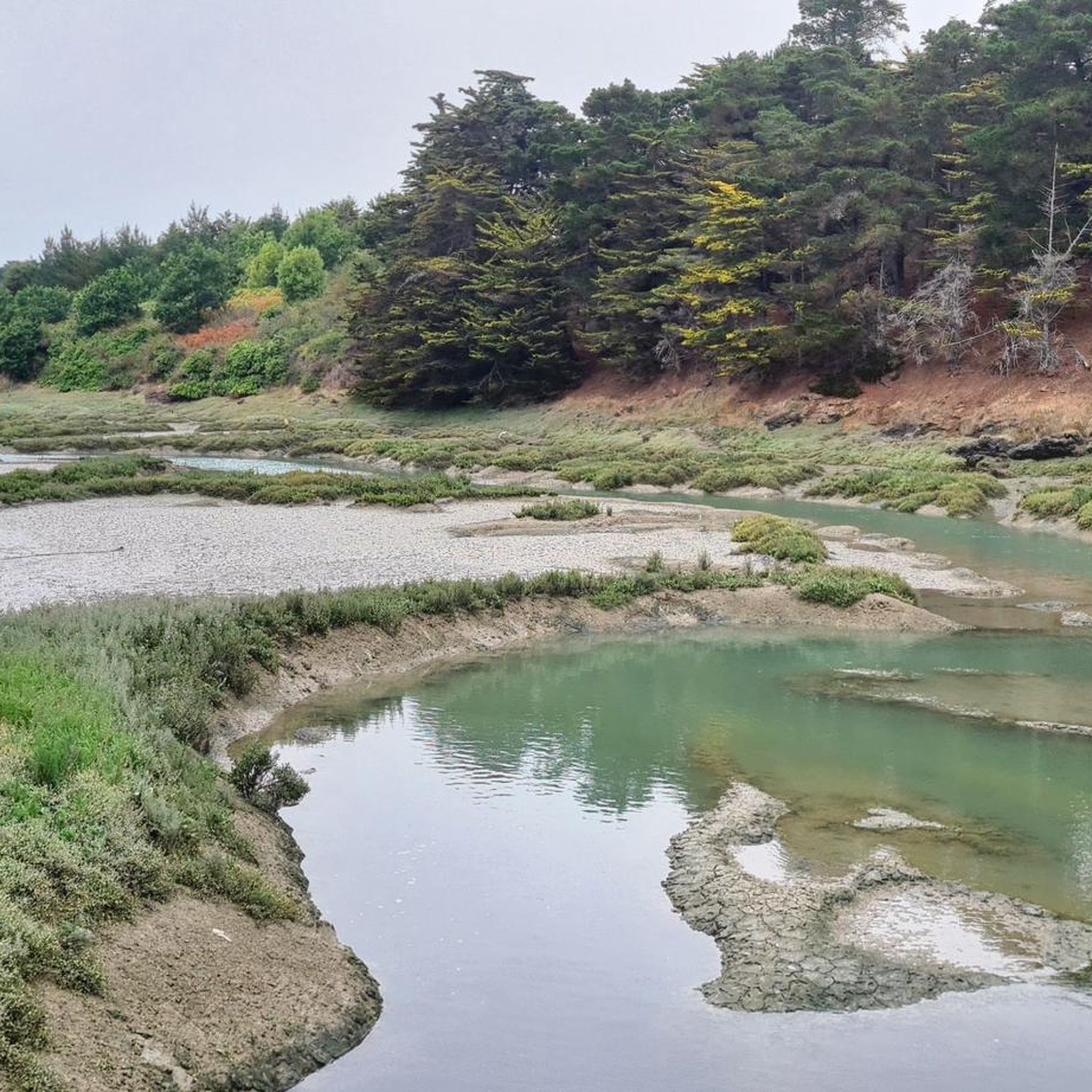
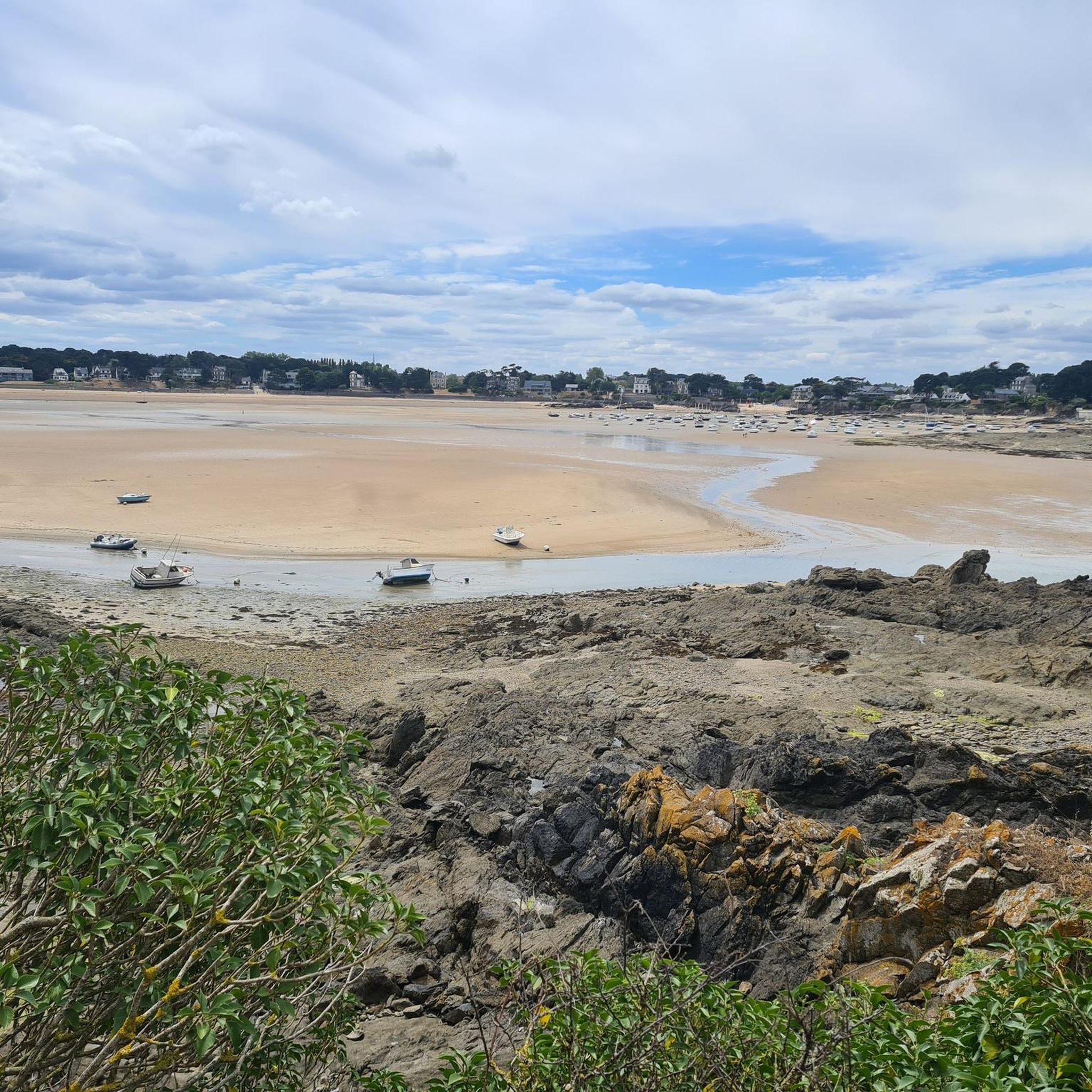
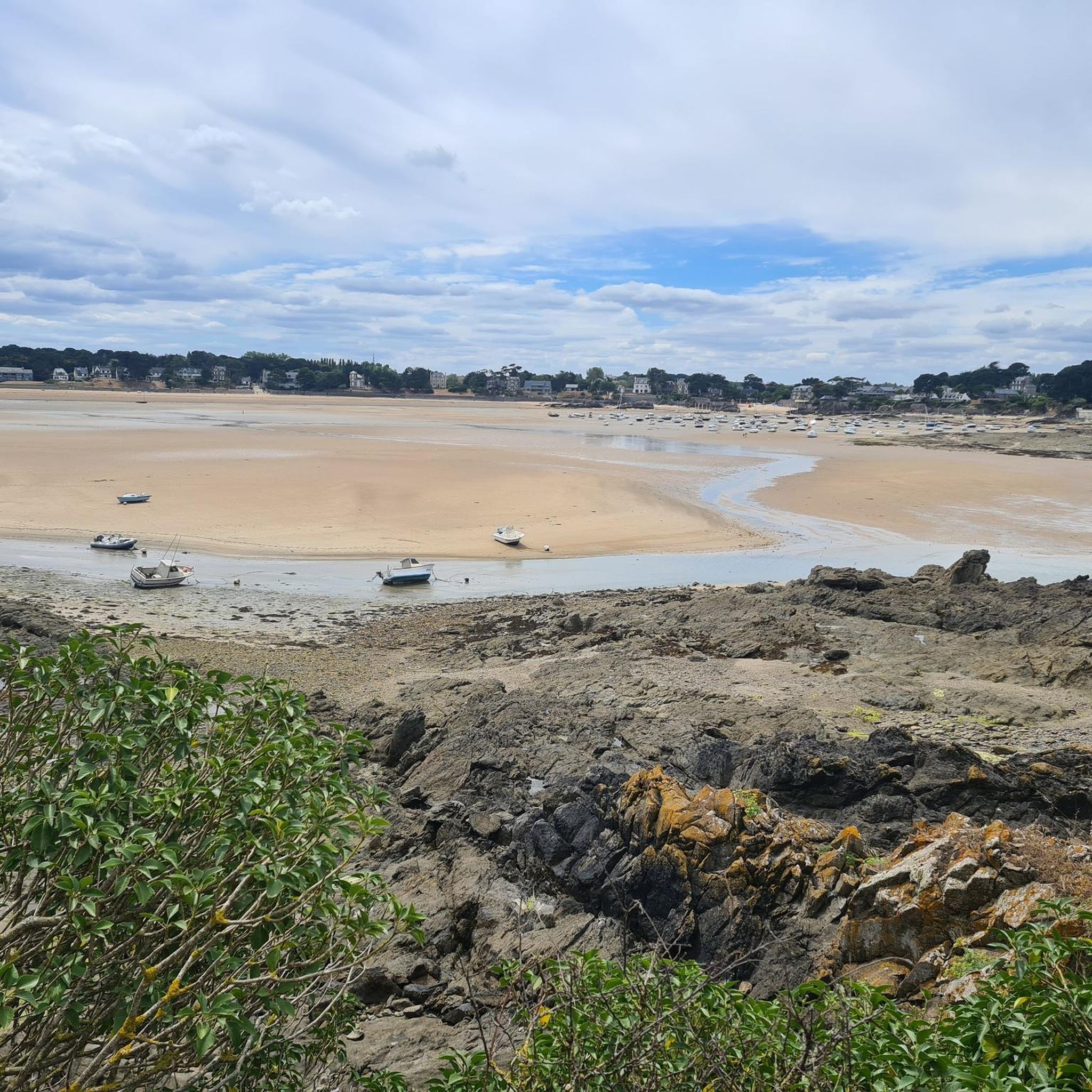
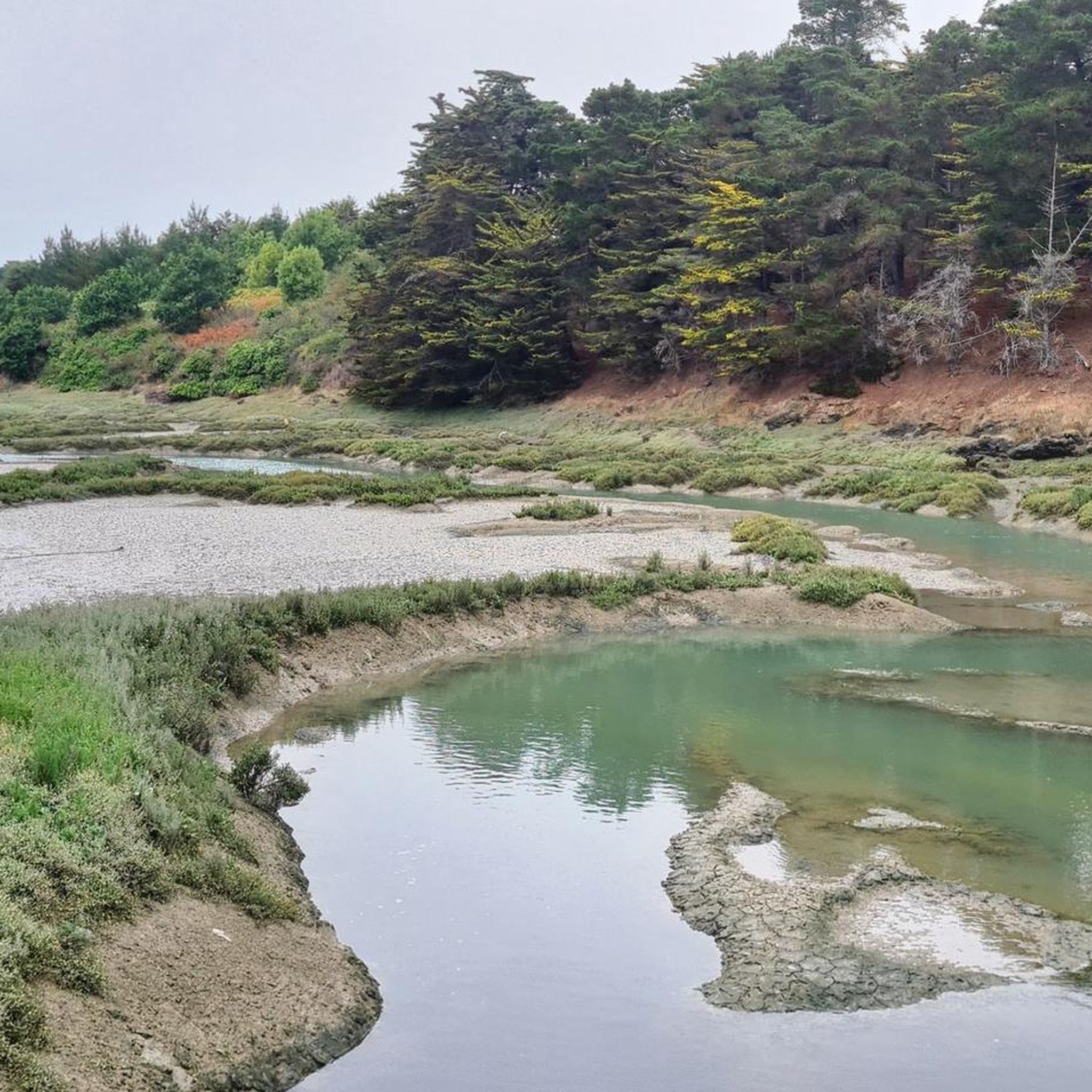
Touring cycling around Saint-Coulomb offers diverse landscapes along France's Emerald Coast. The region features rugged cliffs, coastal vegetation, and sandy beaches, providing varied terrain for cyclists. Inland, the area transitions to bucolic countryside with quaint villages and historic sites. The well-developed cycling infrastructure includes sections of the EuroVelo 4, also known as La Vélomaritime.
Best touring cycling routes around Saint-Coulomb
- The most popular touring cycling route is Saint-Malo Castle – Saint-Malo's ramparts loop from Saint-Coulomb, a 24.8 miles (39.9 km) trail that takes 2 hours 22 minutes to complete. This route leads to the historic walled city of Saint-Malo.
- Another top favourite among local touring cyclists is Cancale – Guesclin Beach loop from Saint-Coulomb, a moderate 13.7 miles (22.1 km) path. This route leads through coastal areas and towards the oyster town of Cancale.
- Local touring cyclists also love the Sillon Beach – Fort du Guesclin loop from Phare de la Haize, a 17.6 miles (28.3 km) trail leading through coastal scenery and past historic fortifications, often completed in about 1 hour 43 minutes.
- Touring cycling around Saint-Coulomb is defined by rugged cliffs, coastal paths, and historic sites. The network offers options for various ability levels, from easy coastal rides to more challenging routes.
- The routes in Saint-Coulomb are highly rated by the komoot community with an average score of 4.3 stars from over 2100 reviews. More than 14000 touring cyclists have used komoot to explore Saint-Coulomb's varied terrain.
Last updated: August 15, 2026
4.4
(222)
1,294
riders
38.6km
02:19
240m
240m
Moderate bike ride. Good fitness required. Mostly paved surfaces. Suitable for all skill levels.
4.1
(150)
1,007
riders
18.3km
01:05
110m
110m
Easy bike ride. Great for any fitness level. Mostly paved surfaces. Suitable for all skill levels.

Sign up for free
4.3
(53)
296
riders
16.4km
00:58
80m
80m
Easy bike ride. Great for any fitness level. Mostly paved surfaces. Suitable for all skill levels.
4.2
(25)
140
riders
39.0km
02:21
300m
300m
Moderate bike ride. Good fitness required. Mostly paved surfaces. Suitable for all skill levels.
4.5
(81)
480
riders
29.1km
01:44
160m
170m
Moderate bike ride. Good fitness required. Mostly paved surfaces. Suitable for all skill levels.
Get access to more routes and recommendations from other explorers.
Sign up for free
Already have an account?
Our route recommendations are based on thousands of hikes, rides, and runs completed by other people on komoot.
Start today with a free account
Your next adventure awaits.
Login or Signup


Other adventures around Saint-Coulomb

Tips from the Community

The city walls are among the most important historical structures in the Breton port city. The fortifications that still exist today were built mainly between the 12th and 18th centuries and were expanded and reinforced several times. The approximately two-kilometer-long wall circuit encloses the old town ("Intra-Muros") and offers impressive views of the sea, the offshore islands, and the Breton coast. The defensive walls are reminiscent of the time when Saint-Malo played an important role as a fortified port city and a major center of seafaring.
11
0
The Pointe de la Roche Froide is a rocky headland and part of the impressive landscape of the Côte d’Émeraude. The name refers to the cool, sea-influenced atmosphere of this exposed stretch of coast. The Pointe de la Roche Froide is an example of the wild beauty of the Breton coast and offers a quiet viewpoint away from more frequented spots.
1
0

Very impressive. Part of the fortification.
1
0

The Fontaine des Laveuses d’Huîtres (Fountain of the Oyster Washers) is a bronze sculpture in the Place de l'Église Saint-Méen. It was created by sculptor Jean Fréour and inaugurated in 1999 to commemorate the women of Cancale who washed oysters by hand in the early 20th century. At the moment (as of July 2026), the fountain is not in operation and is nevertheless worth seeing.
14
0
Cancale originated in the 12th and 13th centuries as a small coastal settlement, dominated by fishing and oyster farming, around the port of La Houle. The first fortified harbors and the old Église Saint-Méen were built as early as the 14th century. Today, numerous sights reflect the town's maritime tradition: the Port de la Houle, the fish market for fresh seafood; the Cale de l'Épi, a historic lock with 19 arches; the new Église Saint-Méen in the Neo-Gothic style; and the maritime bell, a symbol of the old harbor tradition.
13
0
The current Église Saint-Méen in Cancale was rebuilt in the Neo-Gothic style between 1885 and 1890 to serve the growing congregation. It is centrally located in the town center on Rue Jean-Marie Savatte, near the port of La Houle. The church features stained-glass windows with maritime motifs, wooden altars, and a bell tower that is still in active use. It continues to serve as a venue for worship and church events. The old Église Saint-Méen, originally built in 1302 and rebuilt in the Neoclassical style between 1715 and 1727, is located on the Impasse Saint-Méen. No longer used as a church, it houses a cinema and a museum dedicated to folk arts and traditions.
15
0
The Esplanade Saint-Vincent is the central square at the main entrance to the Old Town. It is located directly in front of the historic Porte Saint-Vincent and connects the city walls to the Plage du Sillon beach. The square serves as an important meeting point for visitors and locals and is the starting point for many city tours. It houses the Tourist Information Office, a large parking garage (Q-Park Saint-Vincent), public restrooms, charging stations for electric cars, bus stops, and a taxi stand. The esplanade is barrier-free and therefore easily accessible for people with limited mobility. It is also frequently used for markets, concerts, and cultural events.
19
0
Frequently Asked Questions
How many touring cycling routes are available around Saint-Coulomb?
There are over 40 touring cycling routes around Saint-Coulomb, offering a diverse range of experiences along France's Emerald Coast. These routes cater to various skill levels, from easy coastal rides to more challenging inland explorations.
Are there easy touring cycling routes suitable for beginners or families in Saint-Coulomb?
Yes, Saint-Coulomb offers a good selection of easy touring cycling routes. Out of the 41 available routes, 23 are classified as easy. An excellent option for a relaxed ride with coastal views is the Saint-Malo Castle – Sillon Beach loop from Saint-Coulomb, which is about 19.9 km long and takes just over an hour.
What kind of landscapes can I expect to see while touring cycling in Saint-Coulomb?
Touring cyclists in Saint-Coulomb can expect breathtaking coastal scenery, including rugged cliffs, diverse coastal vegetation, and beautiful sandy beaches like Duguesclin Beach and Plage du Saussaye. Inland, the routes transition to bucolic countryside with quaint villages and historic sites, offering a rich blend of natural beauty and cultural interest.
Are there any circular touring cycling routes around Saint-Coulomb?
Yes, many touring cycling routes around Saint-Coulomb are designed as loops, allowing you to start and end in the same location. For example, the Saint-Malo Castle – Saint-Malo's ramparts loop from Saint-Coulomb is a popular moderate route that brings you back to your starting point after exploring the historic walled city.
What are some notable attractions or landmarks I can visit along the touring cycling routes?
The touring cycling routes around Saint-Coulomb provide access to several significant attractions. You can cycle to the famous walled city of Saint-Malo, explore the oyster town of Cancale, or discover the unique Sculpted Rocks of Rothéneuf. Other highlights include the Saint-Malo Castle, Fort du Guesclin, and various Malouinières, which are 17th and 18th-century shipowners' residences.
Is Saint-Coulomb part of any major long-distance cycling routes?
Yes, Saint-Coulomb is strategically located on major cycling routes, notably the EuroVelo 4, also known as La Vélomaritime. This makes it an excellent stop for cyclists exploring the Emerald Coast and beyond, integrating local rides with longer touring adventures.
What do other touring cyclists say about the routes in Saint-Coulomb?
The touring cycling routes in Saint-Coulomb are highly rated by the komoot community, with an average score of 4.4 stars from over 560 reviews. Cyclists often praise the diverse coastal and rural landscapes, the well-maintained paths, and the accessibility to historic towns and natural viewpoints.
Are there any challenging touring cycling routes in the Saint-Coulomb area?
While many routes are easy or moderate, Saint-Coulomb does offer some more challenging options for experienced touring cyclists. There are 5 routes classified as difficult, featuring more significant elevation changes or longer distances. These routes provide a good workout while still showcasing the region's beauty.
Where can I find parking for touring cycling routes in Saint-Coulomb?
Saint-Coulomb and its surrounding areas, being popular for cycling, typically offer various parking options near trailheads or in village centers. While specific parking locations aren't detailed for every route, you'll generally find public parking available in towns like Saint-Coulomb, Cancale, or near major attractions like Saint-Malo, providing convenient access to the cycling network.
Can I find places to eat or drink along the touring cycling routes?
Yes, the region around Saint-Coulomb, including towns like Cancale (renowned for its oysters) and Saint-Malo, is well-equipped with cafes, restaurants, and shops. Many routes pass through or near these towns, offering ample opportunities to stop for refreshments, a meal, or to pick up supplies.
What is the best time of year for touring cycling in Saint-Coulomb?
The Emerald Coast generally offers pleasant conditions for touring cycling from spring through early autumn. During these months, the weather is typically milder, and the natural scenery is at its most vibrant. However, the coastal climate can be enjoyed year-round, with proper gear for cooler or wetter conditions.
Are there any specific viewpoints or scenic spots along the touring cycling routes?
Absolutely. The coastal routes are particularly rich in scenic viewpoints. You can enjoy stunning vistas from locations like Grouin Point, Pointe du Meinga, and Barbe Brûlée Point. Many routes also offer panoramic views of the coastline, including distant glimpses of Mont Saint-Michel from Cancale.
Most popular routes around Saint-Coulomb
Most popular attractions around Saint-Coulomb

Get inspired with the komoot mobile app


Explore more
Browse the best Cycling routes in other regions.
