The best road cycling routes around Gout-Rossignol
4.5
(35)
465
riders
143
rides
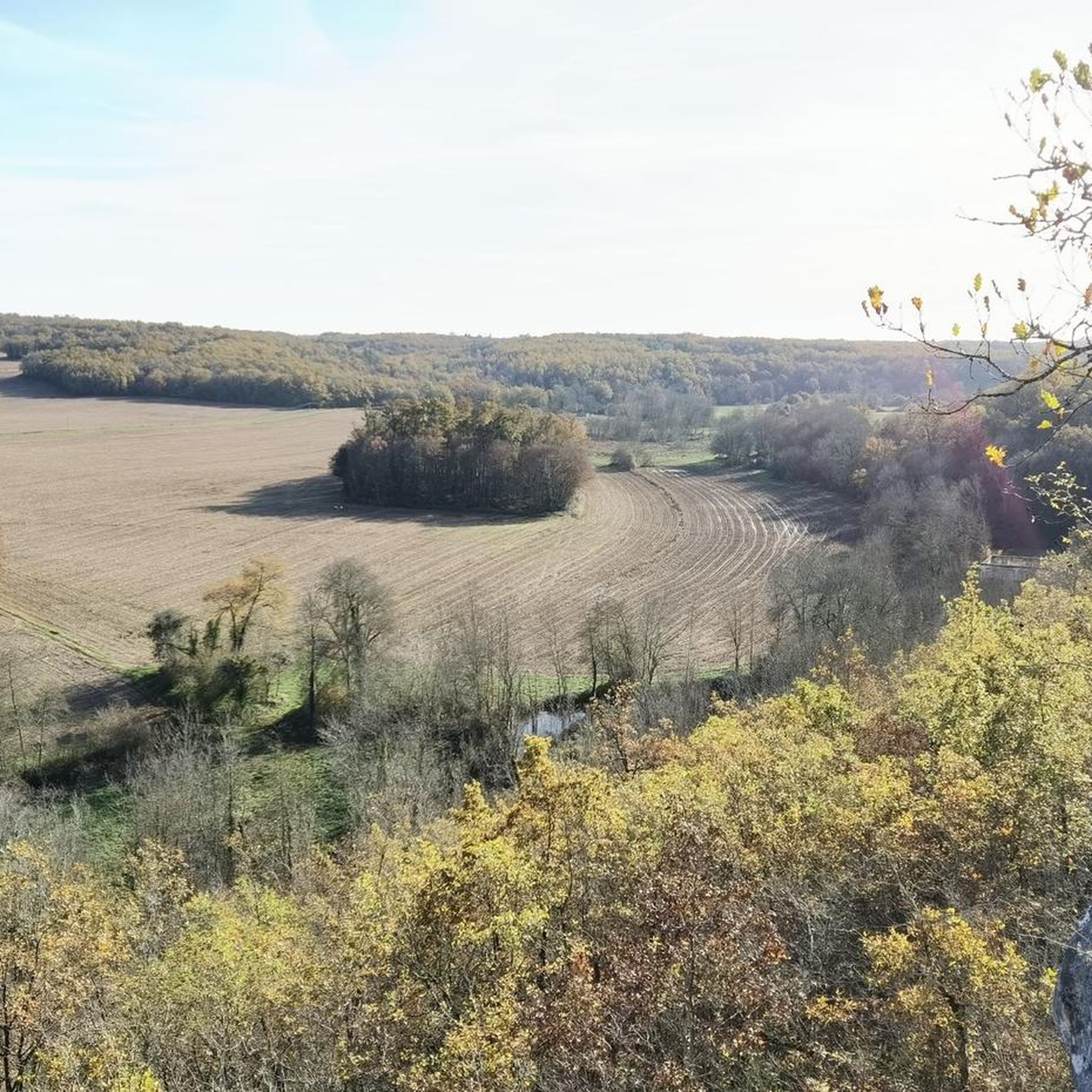
Road cycling around Gout-Rossignol features an undulating landscape characterized by rolling hills, open countryside, and historic villages. The region's network of quiet country roads provides varied terrain suitable for road cyclists. These routes often pass through agricultural land and offer views of the rural French landscape.
Best road cycling routes around Gout-Rossignol
- The most popular road cycling route is Roumailhac Castle – Chapdeuil Castle loop from La Tour-Blanche, a 43.8 miles (70.4 km) trail that takes 3 hours 9…
Last updated: May 25, 2026
41
riders
70.5km
03:09
660m
660m
Moderate road ride. Good fitness required. Mostly well-paved surfaces and easy to ride.
8
riders
55.6km
02:36
510m
510m
Moderate road ride. Good fitness required. Mostly well-paved surfaces and easy to ride.

Sign up for free
4
riders
71.4km
03:08
710m
710m
Moderate road ride. Good fitness required. Mostly well-paved surfaces and easy to ride.
4
riders
41.1km
01:52
380m
380m
Moderate road ride. Good fitness required. Mostly well-paved surfaces and easy to ride.
4
riders
28.3km
01:19
270m
270m
Easy road ride. Great for any fitness level. Mostly well-paved surfaces and easy to ride.
Get access to more routes and recommendations from other explorers.
Sign up for free
Already have an account?
Our route recommendations are based on thousands of hikes, rides, and runs completed by other people on komoot.
Start today with a free account
Your next adventure awaits.
Login or Signup



Tips from the Community


Javerlhac Castle was rebuilt around 1498 by Dauphin Pastoureau, a master blacksmith in Nontron. It is typical of Périgord manor houses, with a rectangular dwelling, a large round tower with machicolations decorated with trefoils, and a polygonal tower housing a spiral staircase. The castle retains defensive features such as gun ports, despite modernization in the early 19th century. It burned down in 1369 during the Hundred Years' War and has undergone several reconstructions. Privately owned, its facades and roofs have been listed as historic monuments since 1974.
2
0

very beautiful castle perched on a rock carved out by the waves
0
0

Gardens and Panoramic Views: Terraced Gardens: Visitors can stroll through the terraced gardens surrounding the castle, where they can enjoy breathtaking views of the valley and the Dronne River. Viewpoint: The top of the medieval tower offers a spectacular view of the picturesque village of Bourdeilles and its surroundings, a panorama that is worth the climb. Visits and Activities: Guided Tours: Guided tours are offered to learn more about the history of the castle and the daily life of its inhabitants over the centuries. Family Activities: In addition to traditional tours, activities and entertainment are often organized, especially for children, such as workshops or outdoor games. Why Visit the Château de Bourdeilles? For its rich history: The castle, with its two distinct parts – medieval and Renaissance – offers a unique perspective on several centuries of French history. For its panoramas: The castle tower offers magnificent views of the surrounding countryside, a highlight for landscape lovers. For its architectural heritage: This castle combines the charms of a medieval fortress and the elegance of a Renaissance palace, a rarity that makes it a must-see destination in the Dordogne. The Château de Bourdeilles is a captivating visit, offering both an immersion in history and an appreciation of the region's landscapes. It is a place where you can travel through the centuries while enjoying the natural charm of the Dordogne.
2
0
The Château de Bourdeilles is one of the most impressive historical and architectural treasures of the Périgord, in the Dordogne. Located in the charming commune of Bourdeilles, it is actually two separate castles, reflecting different eras and styles. Château de Bourdeilles Highlights: Two Castles in One: The Medieval Castle: Dating back to the 13th century, this imposing fortress is a classic example of medieval defensive architecture. It features a 35-metre high watchtower that offers panoramic views of the Dronne Valley. The Renaissance Palace: Next to the medieval castle is an elegant 16th-century palace, built in the Renaissance style. Its magnificent rooms are decorated with period furniture and works of art, adding a refined contrast to the austerity of the medieval fortress. Magnificent Interiors: Renaissance Furniture: The palace contains one of the finest collections of Renaissance furniture in France. Each room offers a glimpse into the aristocratic lifestyle of the time. The Salle des Etats: This imposing room in the palace is particularly notable for its coffered ceiling and frescoes, which are examples of Renaissance art. History and Heritage: Bourdeille Family: For centuries, the château was the residence of the Bourdeille family, an influential noble family. Pierre de Bourdeille, better known as Brantôme, a writer and warrior, grew up here. Strategically Important Site: Perched above the Dronne River, the château played a crucial defensive role during medieval wars, particularly during the Hundred Years' War.
2
0

Nowadays, only very few mills are still in operation in their original function, but they appear to hikers and cyclists along the river as technical and historical monuments of an ancient craft tradition: Only through human ingenuity and the natural power of flowing water as driving energy, the heavy millstones inside were moved and so, for example, grain could be ground into flour (so-called grain mills) or oil could be pressed from fruits (e.g. olives) (so-called oil mills).
1
0

The ruins of the Château de la Tour-Blanche dominate the village to the east and peak at 150 m. All that remains of the fortified castle is a large square tower built in white stone, a curtain wall and a secondary tower built on a mound probably replacing a wooden fort The Wars of Religion were fatal to the castle in 1569 and during the siege of the city in 1652 during the Fronde. The castle was confiscated and sold as national property in 1794. The ruins of the castle have been classified as historical monuments since November 20, 1906 During the night of October 11 to 12, 2015, a fire destroyed the entire inhabited part of the south wing, causing one death
1
0
Abbey to visit, and its building just opposite, three floors of cultures, workshops, and exhibitions of painters, sculptors. The roof is remarkable for its complexity and its scale.
2
0
Frequently Asked Questions
How many road cycling routes are available around Gout-Rossignol?
There are over 140 road cycling routes around Gout-Rossignol, offering a wide variety of options for different skill levels and preferences.
Are there any easy road cycling routes suitable for beginners or families?
Yes, Gout-Rossignol offers several easier routes. For instance, the Château de Vendoire – Villebois-Lavalette Castle loop from Puy de Versac is an easy 28.3 km ride, perfect for those looking for a less strenuous experience.
What kind of terrain can I expect on road cycling routes in Gout-Rossignol?
The region is characterized by an undulating landscape with rolling hills and quiet country roads. You'll often pass through agricultural land and historic villages, enjoying views of the rural French countryside.
Are there any circular road cycling routes around Gout-Rossignol?
Many routes in the area are circular, allowing you to start and end at the same point. Examples include the Roumailhac Castle – Chapdeuil Castle loop from La Tour-Blanche and the Church and castle – Old mill Forgeneuve loop from Gout-Rossignol.
What is the best season for road biking in Gout-Rossignol?
Spring and autumn generally offer the most pleasant conditions for road cycling in Gout-Rossignol, with milder temperatures and beautiful scenery. Summer can also be enjoyable, but it's advisable to ride earlier in the morning or later in the afternoon to avoid the midday heat.
Where can I find parking for road cycling routes in Gout-Rossignol?
Parking is typically available in the villages where routes often start, such as Gout-Rossignol itself, La Tour-Blanche, or Puy de Versac. Look for public parking areas or designated spots near local amenities.
Are there any challenging road cycling routes for experienced riders?
While many routes are moderate, the undulating terrain means you'll find options with significant elevation gain. There are 4 difficult routes available for those seeking a greater challenge, offering more demanding climbs and descents.
What are some scenic highlights or landmarks I might see on a road cycling tour?
Many routes pass by historic castles and churches, such as those mentioned in the Roumailhac Castle loop from Puy de Versac or the Roumailhac Castle – Paussac loop from Mareuil. The rural landscape itself, with its open fields and traditional villages, provides constant scenic beauty.
What do other road cyclists say about the routes in Gout-Rossignol?
The road cycling routes in Gout-Rossignol are highly rated by the komoot community, with an average score of 4.6 stars from over 30 reviews. Cyclists often praise the quiet country roads and the charming rural French landscape.
Are there places to stop for refreshments or cafes along the routes?
Many routes pass through or near small villages where you can often find local bakeries, cafes, or small shops to refuel. It's always a good idea to carry some snacks and water, especially on longer rides, as services might be spread out in the rural areas.
How long do road cycling routes in Gout-Rossignol typically take?
Route durations vary significantly based on distance and elevation. For example, the Roumailhac Castle – Chapdeuil Castle loop from La Tour-Blanche is about 70 km and takes around 3 hours, while shorter routes can be completed in under 2 hours.
What should I bring for a road cycling trip in Gout-Rossignol?
Beyond your bike and helmet, it's recommended to bring water, snacks, a repair kit, appropriate clothing for varying weather, and a charged phone. Given the rolling hills, consider gearing suitable for climbs.

Get inspired with the komoot mobile app


Explore more
Browse the best Road cycling routes in other regions.
