Attractions and Places To See around Longevelle-Sur-Doubs - Top 20
Best attractions and places to see around Longevelle-Sur-Doubs include a blend of local historical sites and access to the wider Burgundy-Franche-Comté region. The village itself features archaeological remains of a 1st-century Gallo-Roman villa and a Protestant Temple. Situated on the right bank of the Doubs River, Longevelle-sur-Doubs provides opportunities for walking and cycling routes. Its location offers convenient access to cultural landmarks and natural features within the Doubs department.
Best attractions and places to see around Longevelle-Sur-Doubs
- The most popular…
Last updated: May 10, 2026
L'Isle-sur-le-Doubs
Highlight • Settlement
Translated by Google •
Tip by

Courcelles-lès-Montbéliard drawbridge
Highlight • Bridge
Translated by Google •
Tip by

Sign up now to discover places like this
Get recommendations on the best single tracks, peaks, & plenty of other exciting outdoor places.
Sign up for free
Gonvillars Cave
Highlight • Cave
Translated by Google •
Tip by

Ancient Theatre of Mandeure
Highlight • Historical Site
This theater is among the largest known on French territory (142 meters in …
Translated by Google •
Tip by

Fort du Mont Bart
Highlight • Castle
Translated by Google •
Tip by

Sign up for free to discover even more attractions around Longevelle-Sur-Doubs.
Sign up for free
Already have an account?
Start today with a free account
Your next adventure awaits.
Login or Signup

Tips from the Community

An impressively large amphitheater dating from Roman times
1
0

Very beautiful cave to see at the bend in the main path near Villers sous Saulnot
0
0

It's always nice to look at this drawbridge. It also adds a bit to the flair of this bike tour.
1
0

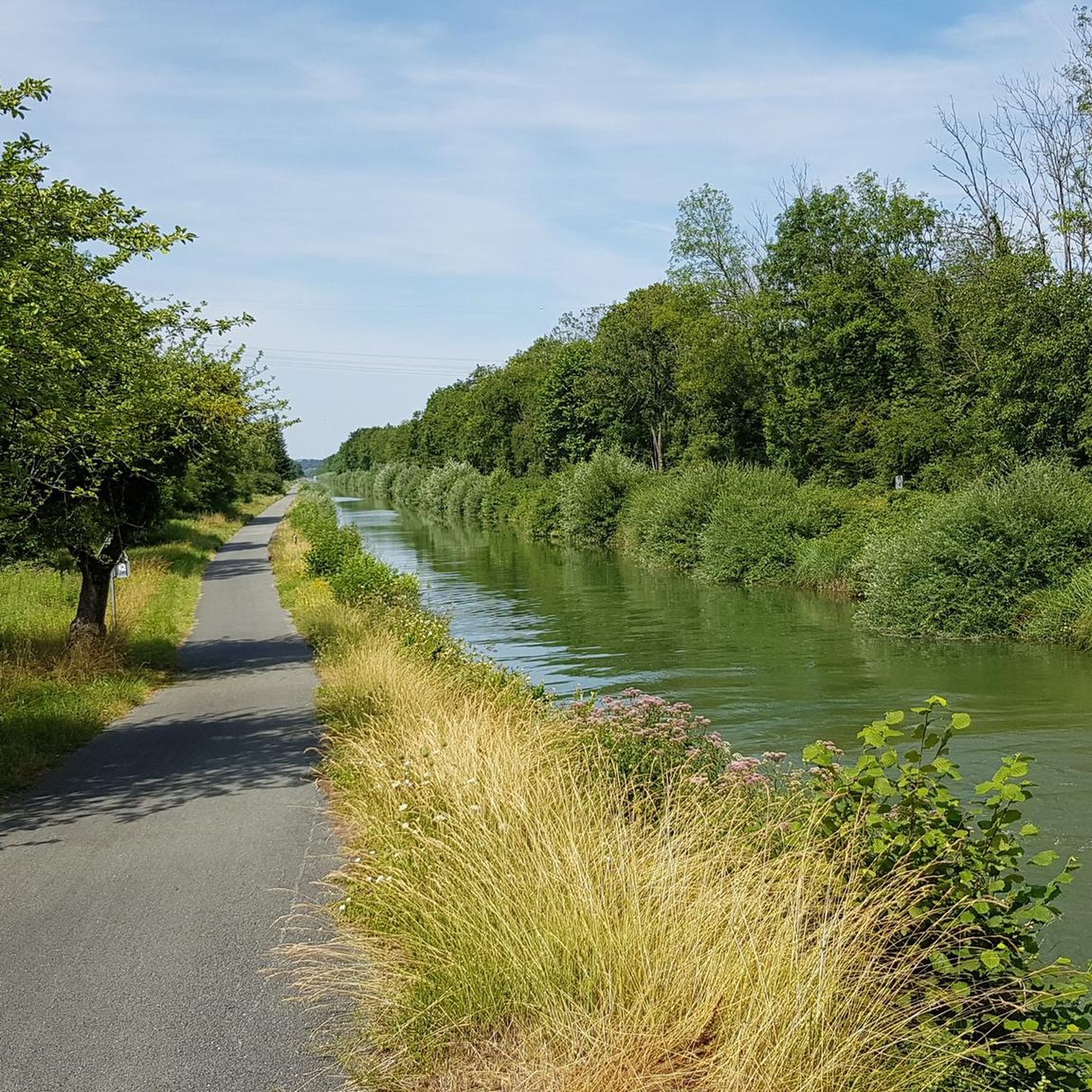
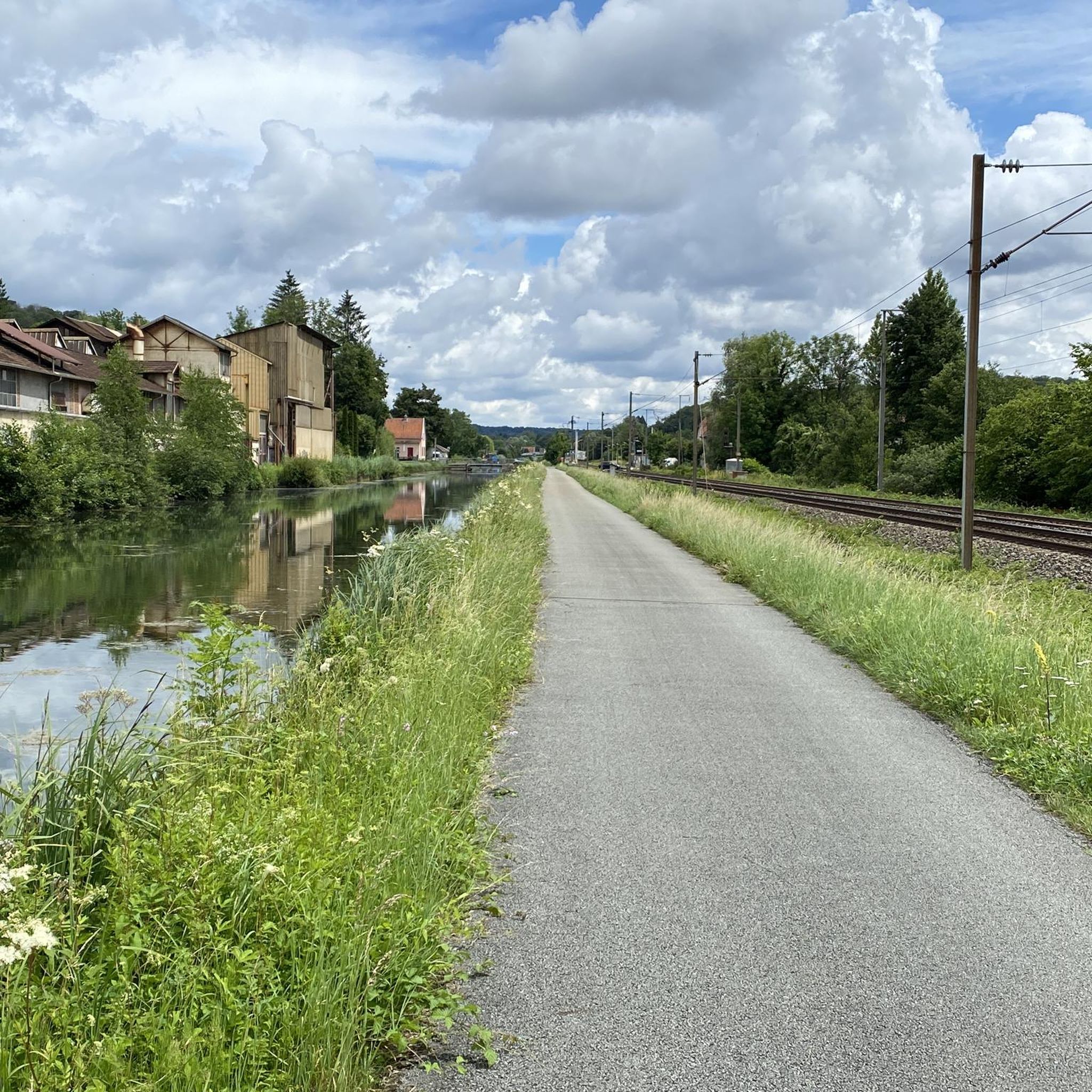
Nice little drawbridge on the canal, beautiful cycle path EV6.
1
1

Today, thousands of motorists use the drawbridge. The drawbridge was built in the 12th century. It had a stone arch, a wooden swing bridge and a huge drawbridge
2
0


Gallo-Roman amphitheater, free to visit!
0
0
Beautiful bascule bridge at EV6.
0
2
Frequently Asked Questions
What historical sites can I explore in and around Longevelle-sur-Doubs?
In Longevelle-sur-Doubs itself, you can visit the Protestant Temple, a classified Historical Monument, and see the site of archaeological remains from a 1st-century Gallo-Roman villa. Further afield, explore the impressive Ancient Theatre of Mandeure, one of the largest Gallo-Roman theaters in France, or the 19th-century Fort du Mont Bart, part of the Séré de Rivières fortification system.
Are there any natural attractions or scenic landscapes nearby?
Yes, the region offers stunning natural beauty. You can explore the Doubs River valley, which is rich in natural beauty and features the spectacular Saut du Doubs and Gorges du Doubs. Other natural wonders include the Gouffre de Poudrey and Gorges de Remonot. For panoramic views, consider visiting the Ballon d'Alsace or Mont d'Or, the highest peak in the region, offering views of the Alps and Lake Geneva.
What kind of outdoor activities can I do near Longevelle-sur-Doubs?
The area around Longevelle-sur-Doubs is excellent for outdoor enthusiasts. You can find numerous running trails, including loops around the Rhine-Rhone Canal. Mountain biking is popular with routes like the L'Isle-sur-le-Doubs Lock loop. Road cyclists can enjoy longer rides, such as the Col du Ballon d'Alsace loop. For more details on routes, visit the Running Trails, MTB Trails, and Road Cycling Routes guides.
Are there family-friendly attractions around Longevelle-sur-Doubs?
Absolutely! The Ancient Theatre of Mandeure is a family-friendly historical site where children can marvel at the scale of Roman engineering. The settlement of L'Isle-sur-le-Doubs, with its campsites and river setting, is also great for families. Many walking and cycling routes along the Doubs River are suitable for all ages, and Saint-Point Lake offers bathing areas and water activities.
What cultural landmarks are accessible from Longevelle-sur-Doubs?
Beyond the local sites, you can easily reach several significant cultural landmarks. These include the prominent castle in Montbéliard, the citadel of Belfort, and the iconic Chapelle Notre-Dame-du-Haut in Ronchamp, a UNESCO World Heritage site designed by Le Corbusier. The impressive Besançon Citadel and the Saline Royale at Arc-et-Senans, both UNESCO sites, are also within reach.
What is the best time of year to visit Longevelle-sur-Doubs for outdoor activities?
The spring, summer, and early autumn months (roughly April to October) are generally the best for outdoor activities around Longevelle-sur-Doubs. During this period, the weather is pleasant for hiking, cycling, and exploring natural sites like the Doubs River and its gorges. Some attractions, like Fort du Mont Bart, are open specifically from April to October.
Can I find picturesque villages to visit in the vicinity?
Yes, the region is dotted with charming villages. Saint-Hippolyte is known for its beautiful location at the confluence of the Doubs and Dessoubre rivers. Other unique villages include Mouthier-Haute-Pierre, Ornans, and Lods, with Lods being recognized as one of France's 'Most Beautiful Villages'.
Are there opportunities for cycling along the Doubs River?
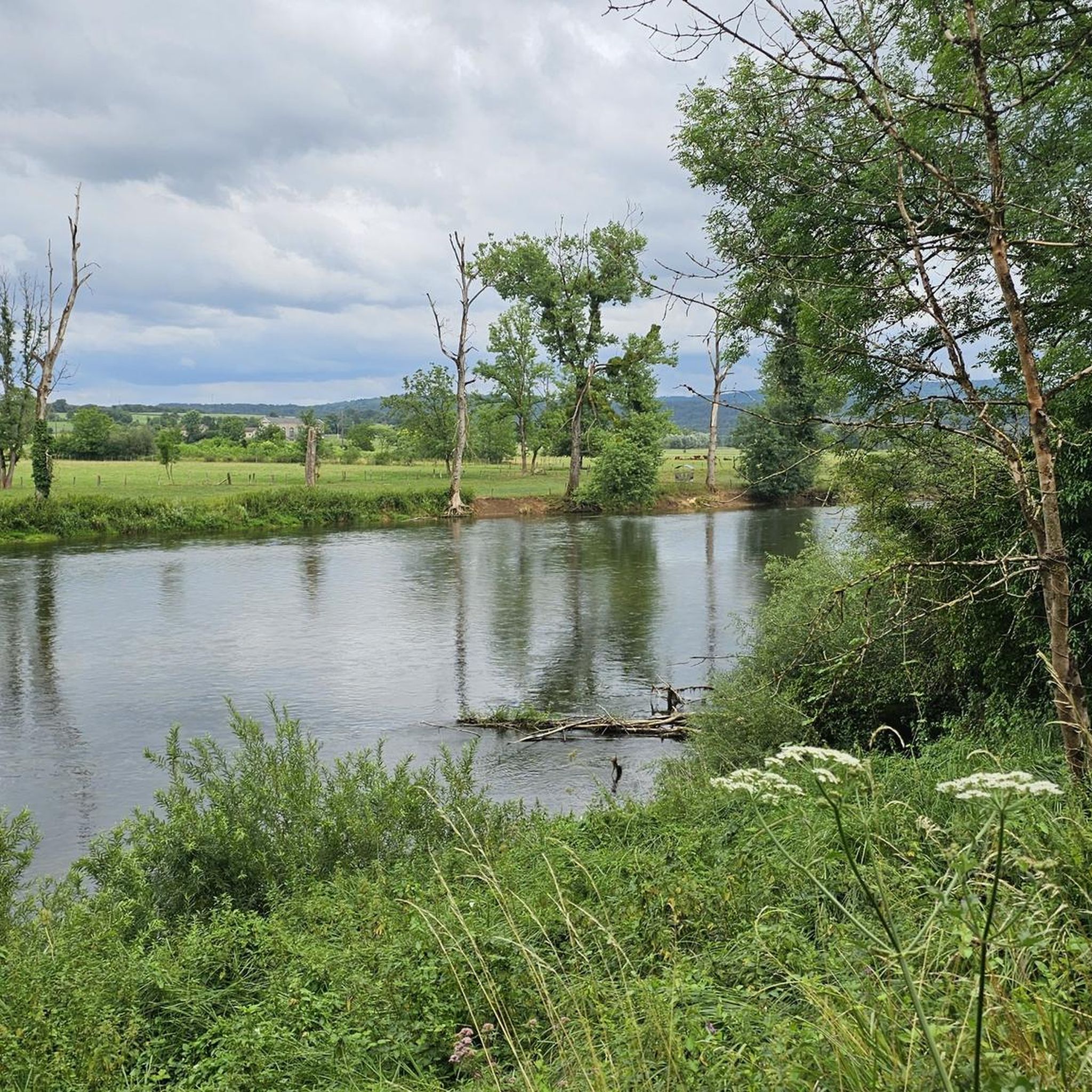
Definitely. Longevelle-sur-Doubs sits on the right bank of the Doubs River, and the area is well-suited for cycling. The EuroVelo6 route crosses through L'Isle-sur-le-Doubs, offering scenic rides along the river. You can also find a unique drawbridge in Courcelles-lès-Montbéliard directly on the EuroVelo 6 route.
What is the Doubs Horloger Regional Natural Park and what does it offer?
The Doubs Horloger Regional Natural Park is a diverse area featuring wooded valleys, open plateaus, peaceful rivers, and gushing springs. It's an excellent place to explore rich flora and fauna, enjoy local gastronomy, and discover artisanal craftsmanship. It provides numerous opportunities for hiking and connecting with nature.
Are there any unique geological features or caves to explore?
Yes, the region features interesting geological formations. The Gonvillars Cave is a well-known water cave with an impressive portal, offering a glimpse into the underground world. While parts are for experienced cavers, the entrance itself is a notable sight. The Gouffre de Poudrey is another significant natural wonder in the area.
What is the significance of the Doubs River to the area?
The Doubs River is central to the region's geography and history. Longevelle-sur-Doubs is located directly on its bank, and the river forms an island at L'Isle-sur-le-Doubs. It offers opportunities for canoeing, cycling along its banks, and hiking in its scenic valley. The river also features stunning natural sites like the Saut du Doubs and Gorges du Doubs.
Can I find places for wild swimming or water activities?
While specific wild swimming spots are not detailed, the Doubs River offers opportunities for water activities like canoeing. Additionally, Saint-Point Lake, one of the largest natural lakes in France, is within reach and provides designated bathing areas and various water sports.
Most popular routes around Longevelle-Sur-Doubs

Get inspired with the komoot mobile app


Explore more
Still not found the Highlight you’re looking for? See guides of the top attractions in other regions:
