Attractions and Places To See around Saint-Guyomard - Top 20
Best attractions and places to see around Saint-Guyomard, located in Brittany, France, offers a blend of historical sites, cultural experiences, and natural beauty. The region features diverse landscapes, including the Landes de Lanvaux, river valleys, and countryside. Visitors can explore ancient megalithic structures and charming villages, making it a suitable base for various explorations.
Best attractions and places to see around Saint-Guyomard
- The most popular attractions is Historic centre of Malestroit, a historical site known for its half-timbered houses…
Last updated: July 29, 2026
Historic centre of Malestroit
Highlight • Historical Site
A thousand-year-old village, Malestroit still houses houses from the 15th and 16th centuries as well as locks, mills and churches full of stories.
Translated by Google •
Tip by

Le Roc-Saint-André
Highlight • Settlement
Tip by

Sign up now to discover places like this
Get recommendations on the best single tracks, peaks, & plenty of other exciting outdoor places.
Sign up for free
Chapel of La Vraie-Croix
Highlight • Religious Site
Translated by Google •
Tip by

Place du Bouffay
Highlight • Settlement
Tip by
Mills of Île Notre-Dame in Malestroit
Highlight • Monument
Translated by Google •
Tip by
Sign up for free to discover even more attractions around Saint-Guyomard.
Sign up for free
Already have an account?
Start today with a free account
Your next adventure awaits.
Login or Signup
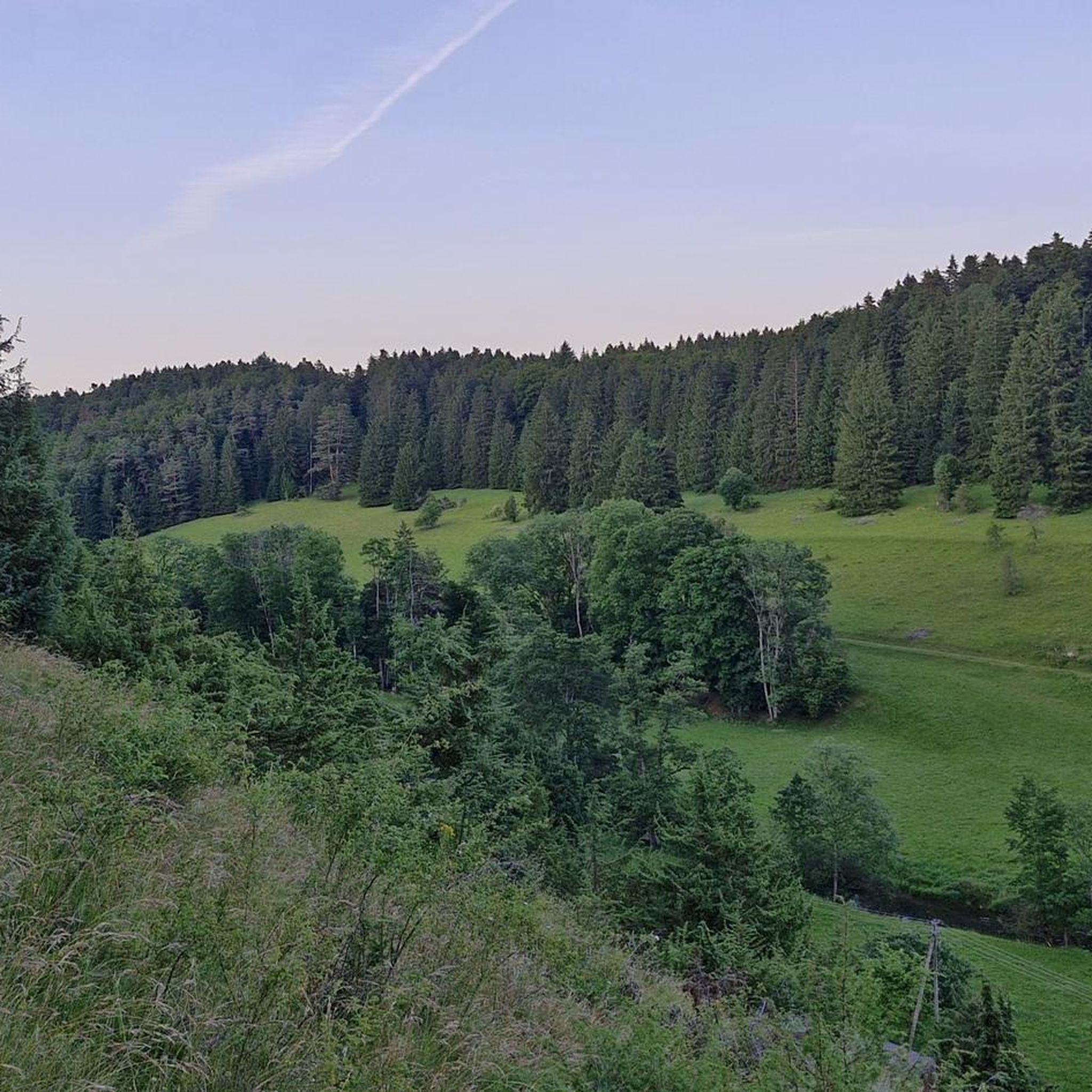
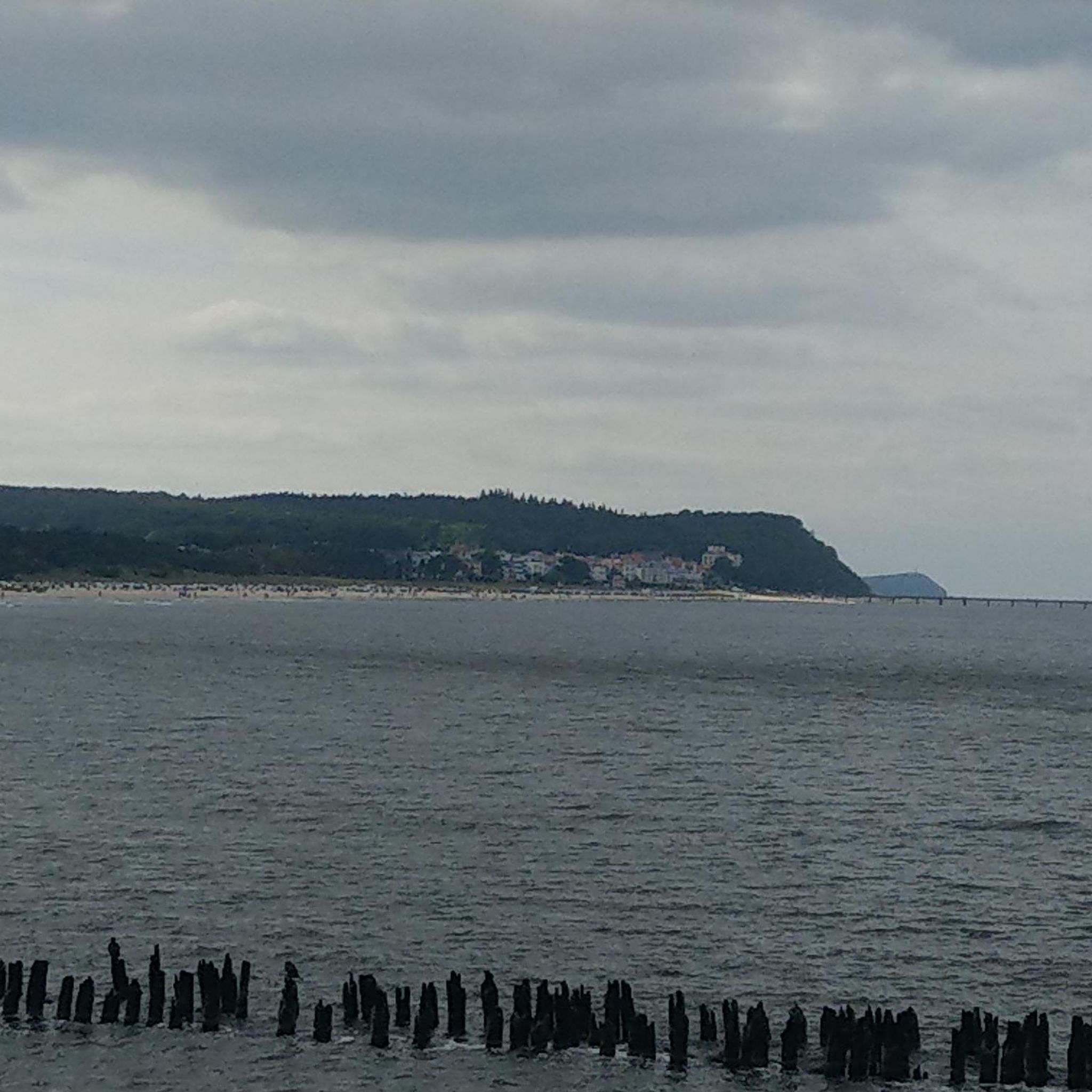
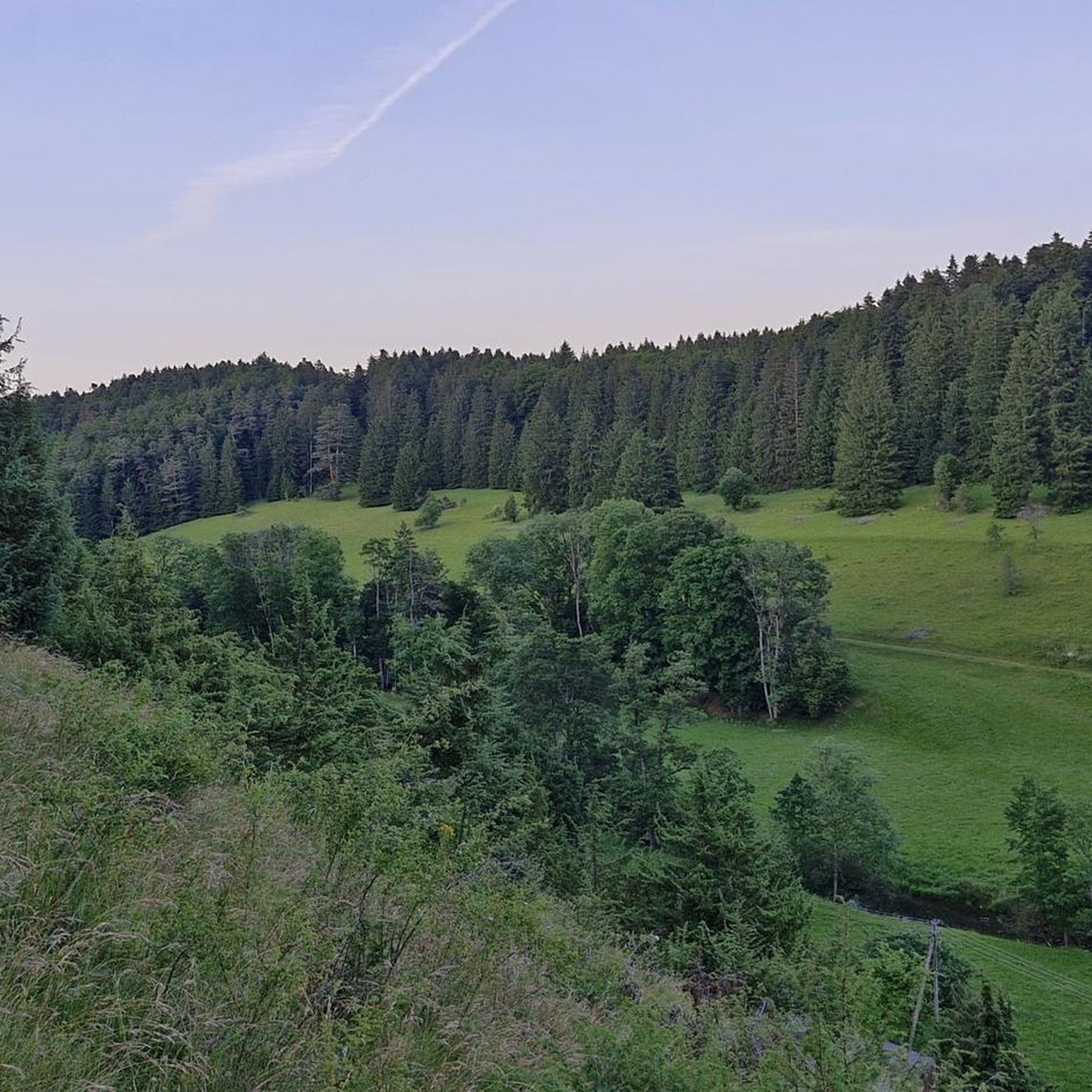

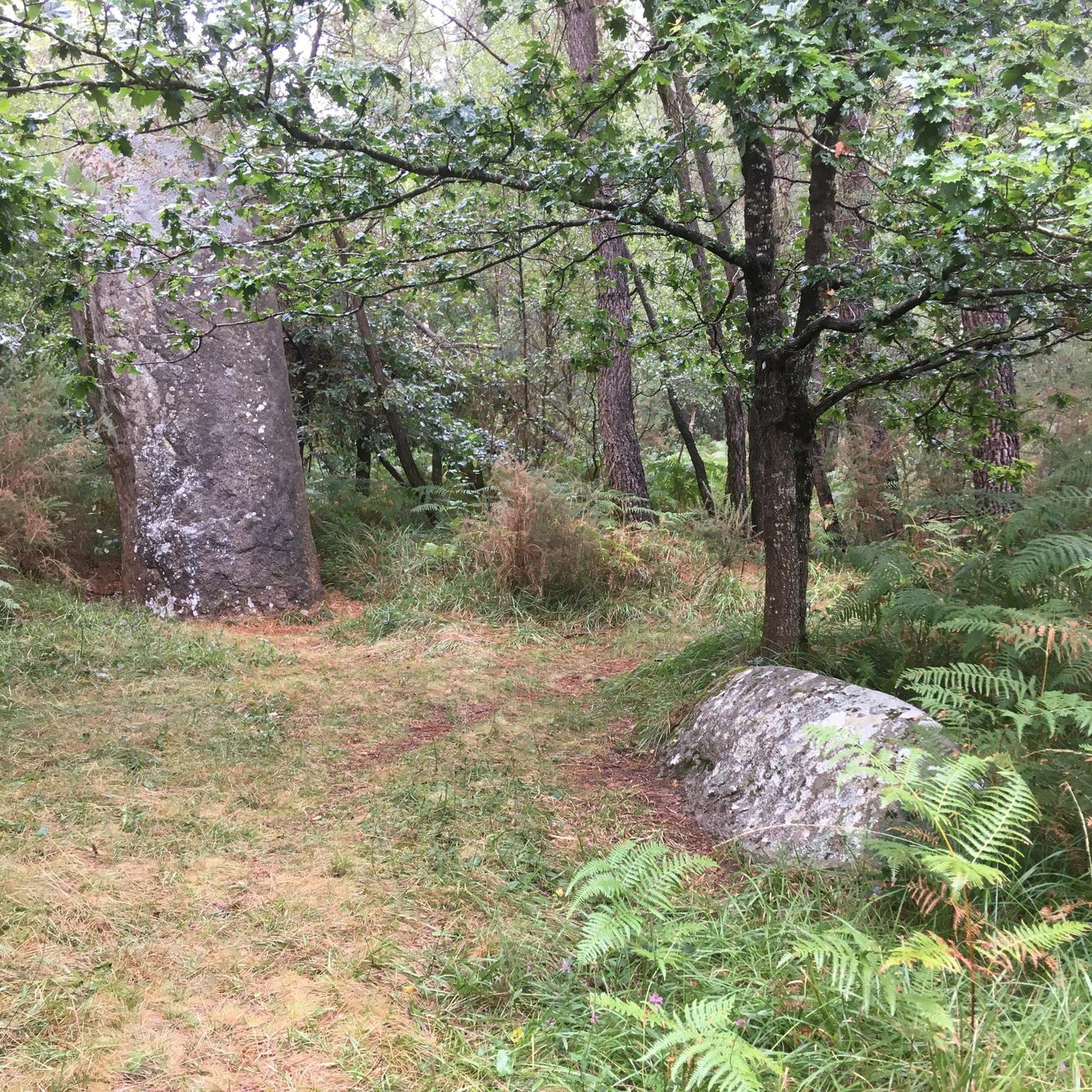
Tips from the Community

13th century chapel classified as a Historic Monument, as are the crypts located under the chapel. This atypical monument with its impressive staircase has the particularity of being built above a public road. It has a magnificent wooden altar, a bronze reliquary, and a pretty stone bell tower.
0
0

... and we almost drove past. The medieval town is worth visiting twice! The buildings have great architecture and there are plenty of restaurants.
0
0

It's really worth visiting! Beautifully renovated and maintained houses from the 15th and 16th century create an amazing atmosphere of a truly historic village. True wonders of ancient architecture.
0
0

Of the chapel built in the 13th century, only an original portal remains. The rest of the chapel dates from the 16th century. The granite building was restored at the end of the 20th century by Bâtiments de France and classified as a Historic Monument since 1926, as were the crypts under the chapel. The Chapel is open to the public every day, from Easter until All Saints' Day, from 9:30 a.m. to 6:30 p.m.
0
0

Beautiful small town with stone and half-timbered houses worth seeing. The founding of Malestroit dates back to 987, when monks settled on the banks of the Oust. The place became a stage destination on the Way of St. James, one of the pilgrimage routes to Santiago de Compostela. In 1131 the place was mentioned under the name Malestricum. During the Hundred Years' War in 1343 in the chapel de la Madeleine in Malestroit by the French king Philip VI. and the English King Edward III. signed a ceasefire. At the end of the Middle Ages, Malestroit became one of the nine baronies of Brittany. At the beginning of the 19th century, Napoleon I commissioned the construction of the Canal de Nantes à Brest, initially for military reasons, but later also with the aim of connecting the interior of Brittany to commercial goods traffic. Source: Wikipedia
1
0

The veneration of the Holy Cross goes back in large part to Saint Helena, who was the mother of Emperor Constantine the Great (who, after his victory at the "Milvian Bridge" outside Rome, recognized Christianity as a religion and in 312 the long time of persecution ended with the Milan “Tolerance Edict”). In the early fourth century she undertook a pilgrimage to the Holy Land (Israel / Palestine) and brought numerous relics from there to Europe, including the "True Cross" on which Jesus Christ was crucified. Helena is therefore often depicted with a cross as an attribute. The Church celebrates the feast of the discovery, presentation and veneration of the Holy Cross – called “Exaltation of the Cross” – on September 14th.
0
0

A nice stop at the edge of the Nantes-Brest canal
1
0

Roc-Saint-André was known under the name of Le Rotz in the 15th century. The Welsh pronunciation is “Le Rô”. In Breton Roz-Sant-Andrev, it is the name of a chapel, the Roz chapel built on a rock dedicated to Saint Andrew. It is an old truce of Sérent, later established as a commune and parish. With its high Cornish bell tower, the neo-Gothic church of Roc Saint André is part of the great church reconstruction movement which marked the 19th century. Its architect, Arthur Regnault, drew no less than 70 plans for Breton churches! The building, built under the leadership of Father Pirio, rector of the parish, dominates a rocky promontory. It replaces the 16th century church razed in 1901 due to dilapidation. https://ville-roc-saint-andre.fr/tourisme-et-patrimoine
0
1
Frequently Asked Questions
What historical sites can I explore in and around Saint-Guyomard?
The region is rich in history. You can visit the charming Historic centre of Malestroit, known for its half-timbered houses and buildings from the 15th and 16th centuries. Also, explore the Mills of Île Notre-Dame in Malestroit, which have historical significance dating back to the 12th century. Within Saint-Guyomard itself, the 15th-century Château de Brignac offers a glimpse into Breton history, and the Eglise de Saint-Guyomard, built in the late 19th century, replaced an earlier 15th-century edifice.
Are there any unique religious buildings to visit?
Yes, the Chapel of La Vraie-Croix is a notable 13th-century chapel classified as a Historic Monument, unique for being built above a public road with an impressive staircase. In Saint-Guyomard, the Chapelle et menhir Saint-Maurice des Bois is a distinctive 15th-century public chapel built upon a pagan altar, incorporating a menhir into its structure.
What natural areas are there for outdoor activities?
Saint-Guyomard is surrounded by diverse natural landscapes. The Landes de Lanvaux offers forests, river valleys, and countryside for exploration. The Étang du Helfaut is a prominent natural feature with scenic routes for hiking. You can also enjoy the picturesque paths along the Rivers Claie and Oust, or explore the tranquility of the Forêt de Molac.
Are there hiking trails suitable for different skill levels?
Yes, there are various hiking opportunities. For easy walks, you can explore routes around the Étang du Helfaut or the Megalithic Structures like the Dolmen de la Forêt de Coëby and the Menhir du Clos Bono, which are integrated into trails. You can find more details and routes in the Running Trails around Saint-Guyomard guide, which includes easy and moderate options.
What cycling opportunities are available around Saint-Guyomard?
The area offers excellent cycling, particularly along the Canal de Nantes à Brest. You can find various routes for different types of cycling. For gravel biking, explore options like 'The Oust River and Its Locks' or routes connecting Malestroit, as detailed in the Gravel biking around Saint-Guyomard guide. Road cyclists can find routes like 'Le Roc-Saint-André loop' in the Road Cycling Routes around Saint-Guyomard guide.
Can I see ancient megalithic structures near Saint-Guyomard?
Absolutely. The region is home to ancient megalithic sites such as the Dolmen de la Forêt de Coëby and the Menhir du Clos Bono. These historical marvels are often integrated into various hiking trails, allowing you to combine nature exploration with a journey into the past.
Are there family-friendly attractions around Saint-Guyomard?
Many attractions are suitable for families. The Historic centre of Malestroit and the Mills of Île Notre-Dame in Malestroit offer engaging historical insights. The natural areas like the Étang du Helfaut and the Rivers Claie and Oust provide opportunities for walks and outdoor enjoyment. Additionally, the Campsite "Les Rives de l'Oust" in Malestroit is family-friendly with playground equipment and kayak rentals.
What charming towns are worth visiting near Saint-Guyomard?
Several charming towns are within easy reach. Rochefort-en-Terre, recognized as one of France's 'Most Beautiful Villages,' is about 16.6 km away. Josselin, approximately 19 km distant, boasts a castle with a thousand-year history. The Historic centre of Malestroit, about 14 km away, is a 'petite cité de caractère' known for its medieval architecture.
What do visitors particularly enjoy about the attractions near Saint-Guyomard?
Visitors frequently praise the well-preserved historical atmosphere, especially in places like the Historic centre of Malestroit, with its renovated 15th and 16th-century houses. The unique architecture and historical significance of sites like the Chapel of La Vraie-Croix are also highly appreciated. The natural beauty and opportunities for outdoor activities along the rivers and in the forests are also a major draw.
What is the best time of year to visit Saint-Guyomard for sightseeing?
The region is enjoyable throughout the warmer months. Many attractions, such as the Chapel of La Vraie-Croix, are open to the public daily from Easter until All Saints' Day (early November). Summer offers pleasant weather for outdoor activities like hiking and cycling, while spring and autumn provide milder temperatures and beautiful scenery.
Are there any specific viewpoints or natural landmarks to seek out?
Beyond the general natural areas, the Étang du Helfaut is a prominent natural feature offering scenic views, especially along its surrounding routes. The Rivers Claie and Oust also provide picturesque paths and viewpoints as they wind through the landscape. The ancient megalithic structures like the Dolmen de la Forêt de Coëby and Menhir du Clos Bono serve as unique natural and historical landmarks.
What recreational activities are available in Saint-Guyomard?
Saint-Guyomard offers various recreational activities to enjoy the local environment. These include fishing in the local rivers and ponds, pétanque, and VTT (mountain biking) on the numerous trails. The natural surroundings, such as the Landes de Lanvaux and Forêt de Molac, are perfect for leisurely walks and exploring.
Most popular routes around Saint-Guyomard

Get inspired with the komoot mobile app


Explore more
Still not found the Highlight you’re looking for? See guides of the top attractions in other regions:
