Attractions and Places To See around Blyes - Top 20
Best attractions and places to see around Blyes include historical sites and natural features. Blyes, a commune in the Ain department of France, provides access to medieval towns and interesting natural sites. The region offers opportunities for exploring cultural heritage and natural landscapes.
Best attractions and places to see around Blyes
- The most popular attractions is Medieval town of Pérouges, a historical site that offers a journey back to the Middle Ages. Its 15th-century Sainte Marie Madeleine church-fortress is…
Last updated: July 15, 2026
Medieval town of Pérouges
Highlight • Historical Site
Translated by Google •
Tip by

Medieval town of Pérouges
Highlight • Settlement
Translated by Google •
Tip by

Sign up now to discover places like this
Get recommendations on the best single tracks, peaks, & plenty of other exciting outdoor places.
Sign up for free
La Balme Caves
Highlight • Cave
Translated by Google •
Tip by

Cingle Castle
Highlight • Castle
Translated by Google •
Tip by

Fortifications
Highlight • Other
Translated by Google •
Tip by

Sign up for free to discover even more attractions around Blyes.
Sign up for free
Already have an account?
Start today with a free account
Your next adventure awaits.
Login or Signup
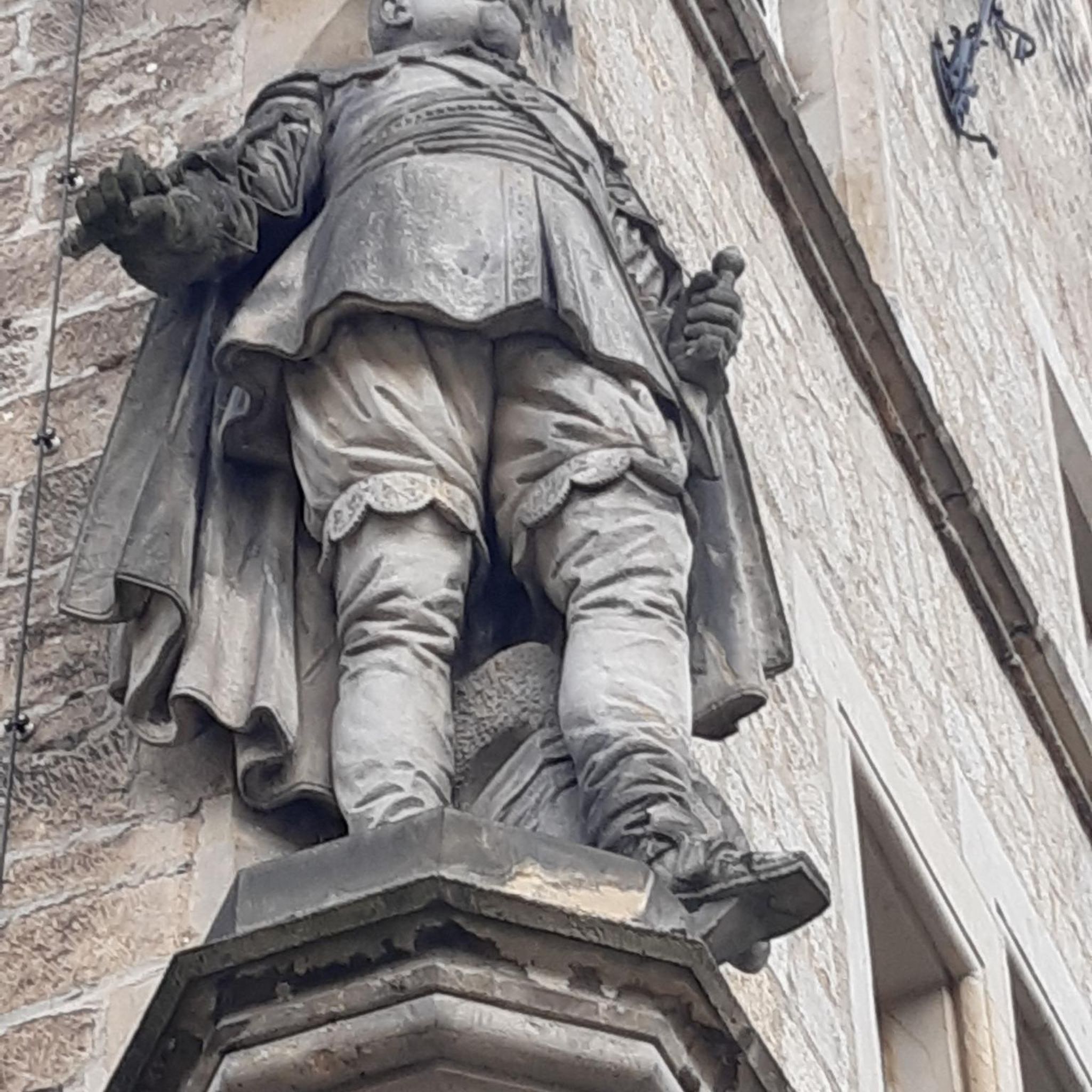
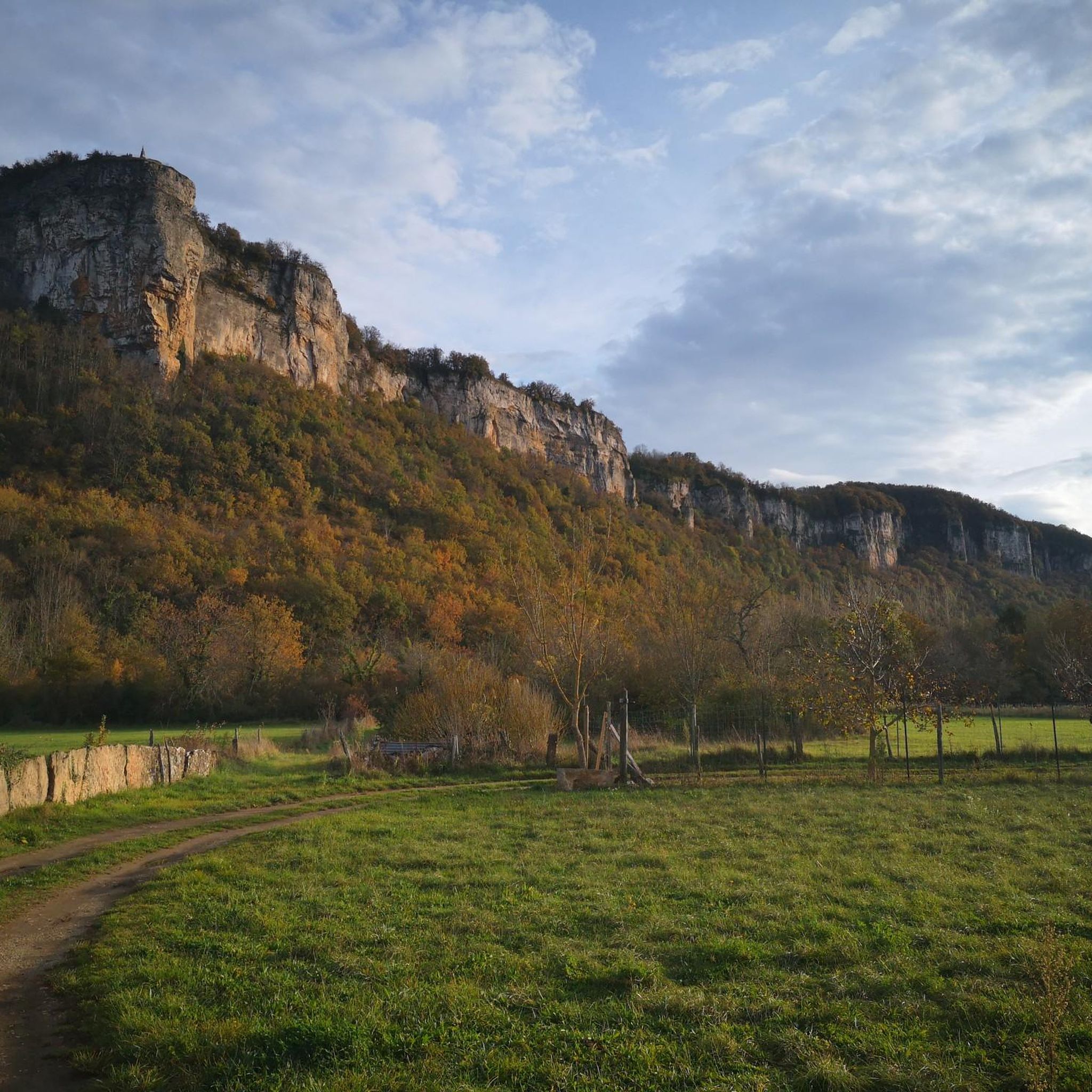
Tips from the Community

The site features the remains of fortifications dating from the 11th to the 19th centuries. The former castle of the Lords of Loyes (ruins of the Château de la Pie), the modern castle, the formal garden, and the kitchen garden are all visible. In the 18th century, major work was carried out on the Château de Loyes, but a fire destroyed the tops of the towers and the roof. In 1840, renovations were undertaken, including the construction of outbuildings, a woodshed/cellar, and stables. At the end of the 19th century, a church was built, dividing the castle mound in two. The castle entrance was modified at the end of the 19th century, along with the neo-Gothic wall. The garden, originally laid out in the early 18th century, was modernized by Luizet and Barret at the end of the 19th century; a landscaped garden was added to the formal garden. The castle mound is accessible via a footpath. Inside, a 17th-century staircase with ramps is adorned with the coats of arms of its various owners, painted in the 19th century. https://pop.culture.gouv.fr/notice/merimee/PA01000030
0
0

Cool during the heatwave while visiting the caves
0
0

Information in German: https://www.balconsdudauphine-tourisme.com/de/equipement/les-grottes-de-la-balme/ Website (French): https://www.grotteslabalme.com/ Also closed on certain days, information in the calendar: https://www.grotteslabalme.com/organisation/les-horaires-calendrier/
0
0

Very beautiful medieval city. The village of my childhood. Absolutely taste the pancakes! 😉🍰
0
0

Although first mentioned in 1540, the Cingle fortified house was undoubtedly built in the second half of the 14th century by the Pèlerin family. Originally composed of a main tower and a wing back to the west, it perhaps originally included a curtain wall. During the 15th century, the south wing was extended towards the west, a main building comprising a lower room and an upper room was attached to the north of the main tower, while a turret occupied on the first floor by an oratory and on the second by a dovecote is built to the east, projecting. A wing including the kitchen on the ground floor is also built at right angles to the north of the courtyard. The farm itself retains some architectural elements dating from the 16th century. Source: Ministry of Culture
1
0

The medieval city of Pérouges is a true jewel of the past. Located to the east of Lyon, it transports us to a distant era, where cobbled streets and houses made of pebbles and bricks tell stories of yesteryear. With its 80 inhabitants living within its walls and 1,200 residents in the commune, Pérouges is an inhabited village which freely welcomes visitors all year round.
0
0

Ranked among the most beautiful villages in France, Pérouges offers you a trip to the Middle Ages. The tourist activities between April and August will allow you to see the city from another angle. Between history and terroir, this city of character 30 kilometers from Lyon will not leave you insensitive with its medieval and authentic charm. Before leaving, don't forget to taste the local speciality: the Peruvian pancake, the unmissable sugar pie.
2
0

The remains of the Château de Loyes. The castle is currently closed, but you can still appreciate the impressive exterior.
1
0
Frequently Asked Questions
What historical sites can I visit near Blyes?
The region around Blyes is rich in history. You can explore the Medieval town of Pérouges, renowned as one of France's most beautiful villages, featuring its unique 15th-century Sainte Marie Madeleine church-fortress. Another significant historical site is Cingle Castle, a fortified house dating back to the 14th century. Additionally, the Fortifications at the former Château de Loyes offer a glimpse into the region's defensive past, with remains spanning from the 11th to the 19th centuries.
Are there any natural attractions or caves to explore around Blyes?
Yes, the La Balme Caves are a notable natural attraction near Blyes. These caves have a long history, with archaeological evidence of human habitation since the late Bronze Age. Visitors can explore a kilometer-long paved path through the caves, and guided tours are also available.
What family-friendly activities are available in the Blyes area?
Both the Medieval town of Pérouges and the La Balme Caves are considered family-friendly attractions. Pérouges offers a captivating journey back to the Middle Ages with its authentic charm and various tourist activities between April and August. The La Balme Caves provide an engaging exploration experience with their paved paths and historical significance, often being a cool retreat during warmer weather.
When is the best time to visit the attractions around Blyes?
For the Medieval town of Pérouges, tourist activities are particularly vibrant between April and August. This period allows visitors to fully immerse themselves in the town's medieval atmosphere. The La Balme Caves can be a pleasant visit year-round, offering a cool environment, especially during hot summer days.
Are there opportunities for cycling or mountain biking near Blyes?
Yes, the area around Blyes offers various cycling opportunities. For mountain biking, you can find trails like the 'Ain River – Ain loop from Blyes' or 'View of the Château – Pont de Port-Galland loop from Saint-Jean-de-Niost'. Road cyclists can enjoy routes such as the 'Jons Road Bridge loop from Blyes' or 'View of the Rhône from Anthon – Jons Road Bridge loop from Blyes'. For more details on these routes, visit the MTB Trails around Blyes and Road Cycling Routes around Blyes guides.
Can I find hiking trails close to the attractions in Blyes?
While specific hiking trails directly linked to the attractions are not detailed, the region as a whole provides opportunities for hiking. Many routes are available for various sports, including gravel biking, which often share paths suitable for walking. You can explore guides like Gravel biking around Blyes for routes that might offer walking opportunities.
What makes the Medieval town of Pérouges unique?
The Medieval town of Pérouges stands out for its remarkably preserved medieval architecture, earning it a spot among France's most beautiful villages. Its 15th-century Sainte Marie Madeleine church-fortress is particularly unique, featuring defensive elements like walkways, loopholes, and ramparts. The town offers an authentic journey back to the Middle Ages, complete with cobbled streets and a local specialty, the 'Peruvian pancake' (sugar pie).
Are there any lesser-known historical sites worth visiting near Blyes?
Beyond the more popular sites, the Fortifications at the former Château de Loyes offer an interesting, perhaps less-trafficked, historical experience. While the castle itself is closed, you can still appreciate the impressive exterior and the remains of fortifications dating from the 11th to the 19th centuries, accessible via a footpath.
What do visitors say about the attractions around Blyes?
Visitors highly appreciate the attractions around Blyes, with over 120 upvotes and 34 photos shared by the komoot community. Many praise the Medieval town of Pérouges for its superb medieval charm and recommend trying the local sugar pie. The La Balme Caves are noted for being a 'cool' experience, especially during heatwaves.
Are there places to eat or get refreshments near the main attractions?
In the Medieval town of Pérouges, you can find opportunities to taste the local specialty, the 'Peruvian pancake' (sugar pie), suggesting there are local eateries or shops. While specific cafes are not detailed for all attractions, exploring the towns and villages near these sites will likely reveal options for refreshments.
What kind of fortifications can be seen in the region?
The region features several historical fortifications. The Sainte Marie Madeleine church-fortress in Pérouges is a prime example, built with defensive architecture including walkways, loopholes, and ramparts. Additionally, the Cingle Castle is a fortified house from the 14th century, and the Fortifications at the Château de Loyes showcase remains of defensive structures from various centuries.
Most popular attractions around Blyes

Get inspired with the komoot mobile app


Explore more
Still not found the Highlight you’re looking for? See guides of the top attractions in other regions:
