The best road cycling routes around Nossoncourt
4.6
(82)
1,003
riders
167
rides
Road cycling routes around Nossoncourt are characterized by a landscape of rolling hills and forested sections within the Vosges department, offering varied terrain. The region's topography ranges from 267m to 371m, providing an undulating profile with both gentle gradients and significant climbs. Several small rivers and streams, such as the Ruisseau de Belvitte, contribute to the natural scenery. This area provides a network of paths suitable for different road cycling preferences.
Best road cycling routes around Nossoncourt
- The most popular…
Last updated: October 5, 2026
5.0
(1)
9
riders
67.6km
02:59
590m
590m
Moderate road ride. Good fitness required. Mostly well-paved surfaces and easy to ride.
6
riders
51.4km
02:11
370m
370m
Moderate road ride. Good fitness required. Mostly well-paved surfaces and easy to ride.

7
riders
102km
04:41
930m
930m
Hard road ride. Very good fitness required. Mostly well-paved surfaces and easy to ride.
4
riders
76.5km
03:16
640m
640m
Moderate road ride. Good fitness required. Mostly well-paved surfaces and easy to ride.
6
riders
76.5km
03:57
1,010m
1,010m
Hard road ride. Very good fitness required. Mostly well-paved surfaces and easy to ride.
Get access to more routes and recommendations from other explorers.
Already have an account?
Our route recommendations are based on thousands of hikes, rides, and runs completed by other people on komoot.
Start today with a free account
Your next adventure awaits.




Tips from the Community

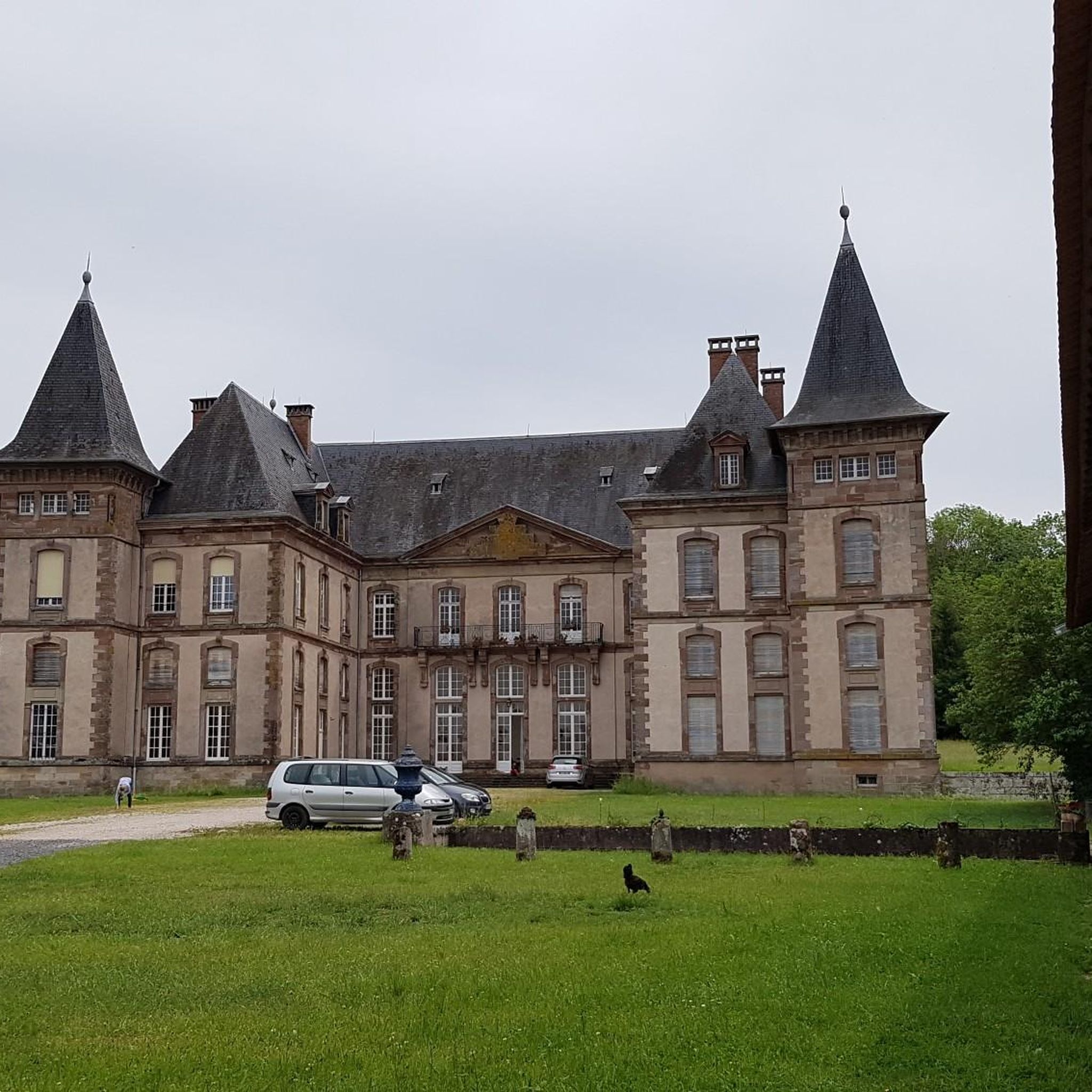
beautiful building in Thaon les Vosges
1
0
cycle path la voie bleue
0
0
great cycle path along the Moselle
0
0
beautiful building in thaon
0
0

It is located on the left bank of the Meurthe, at number 14 rue Denfert-Rochereau. The Saint-Georges church is the church of La Neuveville-lès-Raon, which merged with Raon-l'Etape in 1947. It was built between 1835 and 1838 according to the plans of the district architect Boucher de Saint-Dié. The church was fitted out in 1894. In 1905 the dome was rebuilt. From 1973 to 1978, major restoration work was carried out, both interior and exterior. Inside, among other things, there is an old statue of Our Lady of Sorrows, a painting of Saint Nicholas, who is also the patron saint of wood-floaters, a painted wooden Christ, and a memorial chapel (1922).
0
0


The Second Princes' Palace of Salm was built between 1773 and 1778 by Ludwig Karl Otto. After the prince's escape in 1793, it was converted into a cotton mill. After this period, the building fell into disrepair. It has now been restored and is used as a residential building.
0
0
Frequently Asked Questions
How many road cycling routes are available around Nossoncourt?
Nossoncourt offers a wide selection of road cycling routes, with over 180 options available. These routes cater to various skill levels, from easy rides to more challenging ascents.
What kind of terrain can I expect on road cycling routes in Nossoncourt?
The region around Nossoncourt is characterized by rolling hills and extensive forested sections. You'll encounter an undulating profile with both significant climbs and descents, providing varied terrain for road cyclists.
Are there easy road cycling routes suitable for beginners in Nossoncourt?
Yes, Nossoncourt has several easy road cycling routes perfect for beginners. For example, the Château de Villé loop from Rambervillers is an easy 19.4-mile (31.2 km) path featuring gentle gradients, ideal for those new to road cycling.
Are there challenging routes for advanced road cyclists in Nossoncourt?
Absolutely. For advanced road cyclists seeking a challenge, routes like the Nice climb, nice descent – Chipotte Pass loop from Brû offer significant climbs and descents, including the notable Chipotte Pass, covering 40.5 miles (65.1 km).
What is the typical duration for road cycling routes around Nossoncourt?
Route durations vary depending on distance and elevation. Moderate routes, such as the Abbaye Notre-Dame d'Autrey – Beeindruckende Wolkenszenario loop from Rambervillers, typically take around 2 hours. Longer, more challenging routes can extend to 3 hours or more.
Are there loop routes available for road cycling in Nossoncourt?
Many road cycling routes in Nossoncourt are designed as loops, allowing you to start and finish at the same point. Examples include the Château de Villé loop from Rambervillers and the Abbaye Notre-Dame d'Autrey – Beeindruckende Wolkenszenario loop from Rambervillers.
What do other road cyclists enjoy most about road cycling in Nossoncourt?
The komoot community highly rates the road cycling experience in Nossoncourt, with an average score of 4.6 stars from over 60 reviews. Cyclists often praise the varied landscapes, the mix of cultural and natural scenery, and the well-maintained network of paths.
Are there road cycling routes that connect historical sites or villages?
Yes, many routes in Nossoncourt are designed to connect historical sites and local villages. This allows cyclists to experience a blend of cultural and natural scenery, adding an enriching dimension to their ride.
What are the general road conditions like for cycling in Nossoncourt?
The road cycling routes in Nossoncourt generally feature well-maintained surfaces suitable for road bikes. The region's landscape of rolling hills means you can expect a mix of smooth stretches and sections with varying gradients.
Can I find quiet road cycling trails near Nossoncourt?
Given the region's forested sections and routes connecting local villages, you can often find quiet roads away from heavy traffic. These routes provide a peaceful cycling experience amidst nature.
Are there any particularly scenic road cycling routes with viewpoints in Nossoncourt?
While specific viewpoints are not detailed, the region's rolling hills and forested areas naturally offer scenic vistas. Routes like the Abbaye Notre-Dame d'Autrey – Beeindruckende Wolkenszenario loop from Rambervillers are noted for their 'impressive cloud scenery,' suggesting beautiful open views.
What is the best time of year for road cycling in Nossoncourt?
While specific data isn't available, regions with rolling hills and forested areas like Nossoncourt are typically best enjoyed during spring, summer, and early autumn. These seasons offer pleasant temperatures and vibrant natural scenery, though summer can be warm.
Most popular routes around Nossoncourt
Most popular attractions around Nossoncourt

Get inspired with the komoot mobile app


Explore more
Browse the best Road cycling routes in other regions.
