Attractions and Places To See around Moussan - Top 20
Best attractions and places to see around Moussan include a rich tapestry of historical, cultural, and natural sites within the Aude department of France. The area is characterized by its intricate canal network, including the Canal du Midi and Canal de Jonction, which connect to the Aude River and the Mediterranean Sea. Proximity to the city of Narbonne provides access to significant Roman and medieval landmarks. The region also features natural landscapes such as the Étangs de la Matte and…
Last updated: July 20, 2026
The Port of Somail
Highlight • Settlement
Translated by Google •
Tip by

Junction of the Canal du Midi and the Canal de la Robine
Highlight • Other
Translated by Google •
Tip by

Sign up now to discover places like this
Get recommendations on the best single tracks, peaks, & plenty of other exciting outdoor places.
Sign up for free
Saint-Just and Saint-Pasteur Cathedral of Narbonne
Highlight • Religious Site
Translated by Google •
Tip by

Via Domitia
Highlight • Other
Translated by Google •
Tip by
Gailhousty Lock and Spillway
Highlight • Monument
Translated by Google •
Tip by

Sign up for free to discover even more attractions around Moussan.
Sign up for free
Already have an account?
Start today with a free account
Your next adventure awaits.
Login or Signup

Tips from the Community


The first city founded by the Romans in Gaul, Narbo Martius (Narbonne) played a leading commercial role under the Roman Empire. Its port, built under the domination of Rome, encouraged trade with the Mediterranean world, while the Via Domitia strengthened trade with southern Gaul and Spain. The Via Domitia is a Roman road built from 118 BC to connect Italy to the Iberian Peninsula by crossing Narbonne Gaul. The Via Domitia was created from 118 BC at the instigation of the Roman general Cneus Domitius Ahenobarbus, whose name it would bear. This road was to ensure communications with Rome and allow the founding of garrisons to protect cities that had become Roman. https://www.amisdesmusees-narbonne.org/la-via-domitia
0
1

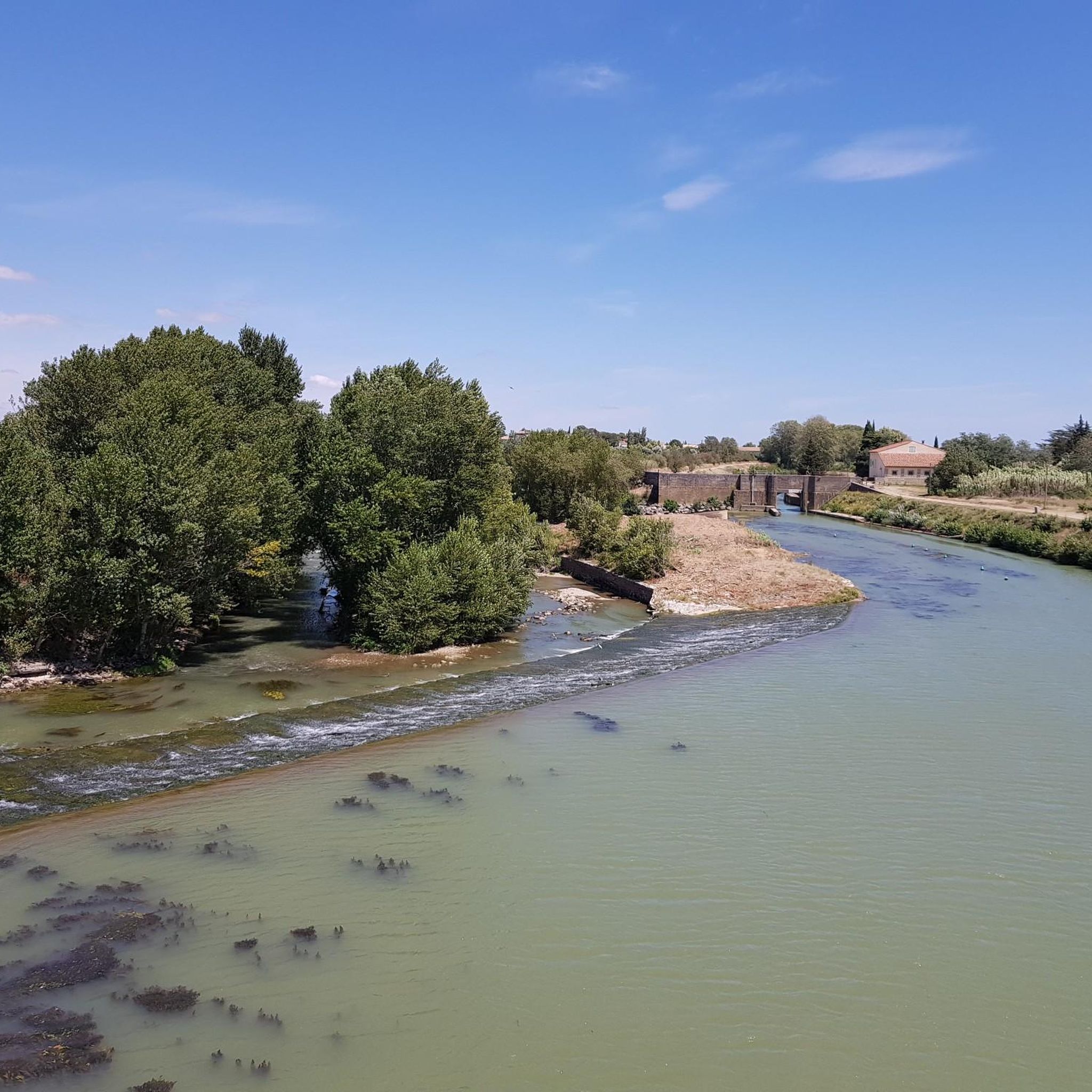
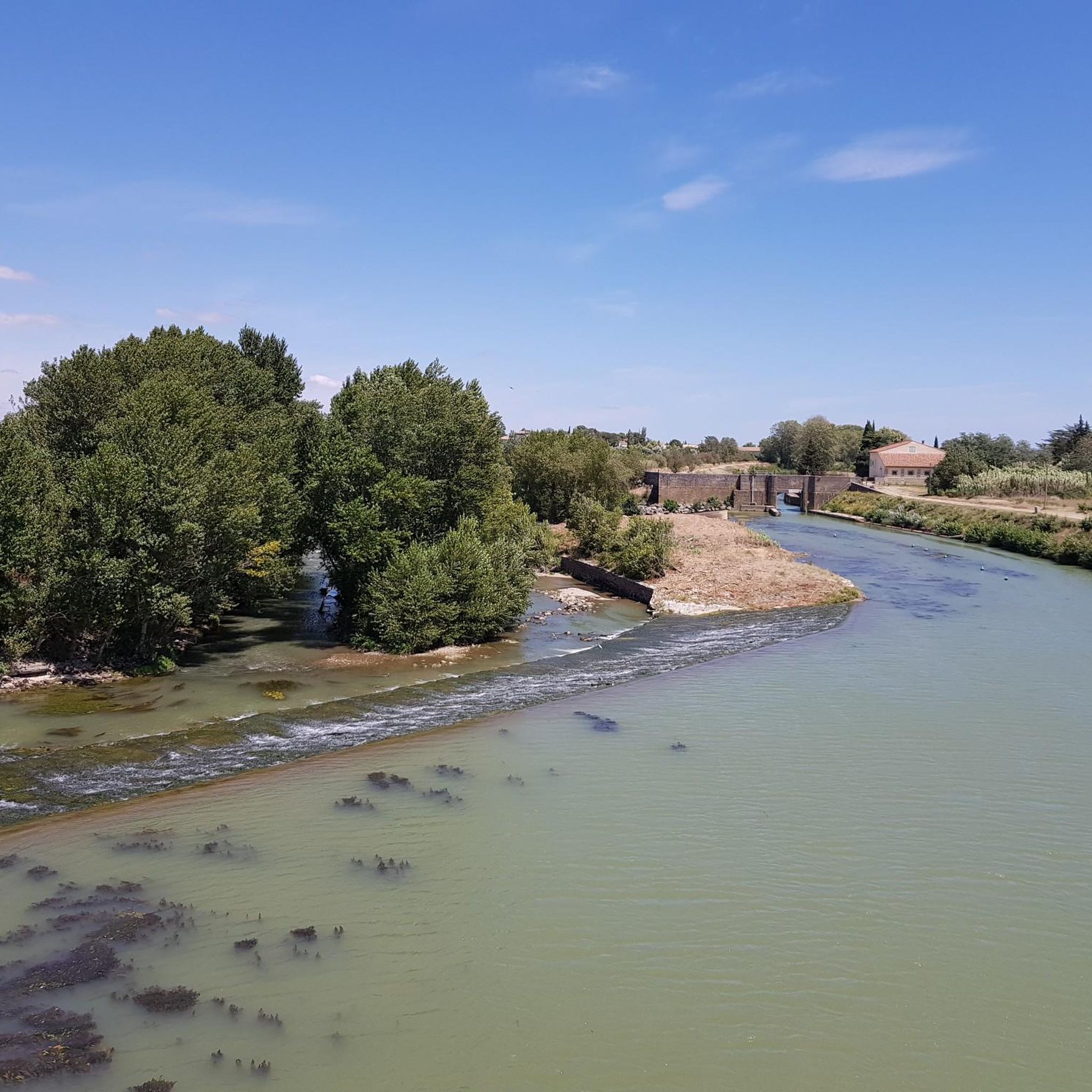
Superb site, at the downstream outlet of the Jonction canal on the Aude river. This canal, put into operation in 1787, allows to make the connection between the Canal du Midi and the Canal de la Robine de Narbonne. The Gailhousty site consists of a lock, a spillway, a bridge and a dry dock. Upstream of the lock, the canal is protected from the floods of the Aude thanks to a system of dikes which surround it up to Sallèles-d'Aude. Downstream of the lock is a space designed to be able to be submerged during heavy floods: the spillway. The bridge is designed to allow rapid access to all points of the site, is of a neat architecture, with a low arched vault and four quarter-circle staircases placed at each corner. In times of flood, it is necessary to be able to react quickly and maneuver the defense systems in time. Placed on the downstream head of the lock, it participates in the system of containing the strongest floods. The monumental spillway, 30 meters long, is located on the left bank of the canal between the Gailhousty lock and the Aude. Its front facade on the canal side is pierced with vertical crenellations that plunge into the water. At the back, it has 5 arched openings at the foot of which launches an 8km long landing channel called "La saignée" directed towards the Capestang pond. This building houses no less than 15 oversized valves. It is not intended to evacuate excess water from the Jonction canal but must allow the passage of flood water from the Aude river. Originally, it was planned that this water loaded with fertile silt would be directed into the Capestang pond to fill it and promote crops there.
0
0
Very pretty canal, less known than the Canal du Midi, shaded. Do not miss the Gailhousty site, at the downstream outlet of the Canal de Jonction on the Aude river. This canal, put into operation in 1787, allows to make the connection between the Canal du Midi and the Canal de la Robine de Narbonne. The Gailhousty site consists of a lock, a spillway, a bridge and a dry dock. Upstream of the lock, the canal is protected from the floods of the Aude thanks to a system of dikes which surround it up to Sallèles-d'Aude. Downstream of the lock is a space designed to be able to be submerged during heavy floods: the spillway. The bridge is designed to provide rapid access to all points of the site, is of neat architecture, with a low arched vault and four quarter-circle staircases placed at each corner. During floods, it is necessary to be able to react quickly and maneuver the defense systems in time. Placed on the downstream head of the lock, it participates in the system of containing the strongest floods. The monumental spillway, 30 meters long, is located on the left bank of the canal between the Gailhousty lock and the Aude. Its front facade on the canal side is pierced with vertical crenellations that plunge into the water. At the rear, it has 5 arched openings at the foot of which launches an 8km long landing channel called "La Saignée" directed towards the Capestang pond. This building houses no less than 15 oversized valves. It is not intended to evacuate excess water from the Jonction canal but must allow the passage of flood water from the Aude river. Originally, it was planned that this water loaded with fertile silt would be directed into the Capestang pond to fill it and promote crops there.
0
0
It is one of the most emblematic places on the canal: its buildings, its chapel, its inn, its humpback bridge, its stores, bear witness to the activity of the time around the canal. Once the work on the canal was finished, an administration was set up to manage navigation on the canal. Seven divisions were created along the canal. The Somail division covered 45 km. A passenger transport service was also set up, the stop at the Somail inn corresponded to the third day of navigation from Toulouse. The building even had a dungeon...
1
0

A very nice little place with lots of tourists, boats and cyclists. A typical stopover for many.
0
0

The cathedral is closed at lunchtime, it is a very unusual building as the nave was never built!
1
1

I recommend this little port of Somail with an old bookstore which is worth the detour.....
0
0
Frequently Asked Questions
What historical sites can I explore near Moussan?
The region around Moussan is rich in history. You can visit the majestic Saint-Just and Saint-Pasteur Cathedral of Narbonne, located just 7 kilometers away. Another significant historical landmark is the Via Domitia, an ancient Roman road. Don't miss the 12th-century Abbaye de Fontfroide, about 12 kilometers southwest of Moussan, or the Horreum Romain, an underground Roman granary in Narbonne.
Are there any family-friendly attractions around Moussan?
Yes, several attractions are suitable for families. The Port of Somail, with its historic buildings and picturesque setting on the Canal du Midi, is a charming spot. The Junction of the Canal du Midi and the Canal de la Robine, along with the Gailhousty Lock and Spillway, offer interesting insights into the canal network. For a unique experience, visit Amphoralis in Sallèles-d'Aude, a museum dedicated to Gallo-Roman pottery, or the Chocolatiers Cathares for a chocolate museum experience.
What natural features can I discover near Moussan?
The area offers diverse natural beauty. Explore the **Étangs de la Matte** and the historically drained **Étang asséché de Montady**. The **Gorges de Reals** provide scenic landscapes for outdoor enthusiasts. Near the coast, the 'cordon dunaire' or dune cordon offers a chance to observe evolving coastal ecosystems. The expansive Narbonnaise en Méditerranée Natural Regional Park is also nearby, perfect for exploring diverse ecosystems.
What outdoor activities, like cycling or hiking, can I do near Moussan?
The region around Moussan is excellent for outdoor activities, especially cycling along the canal networks. You can find various routes for gravel biking, road cycling, and touring bicycles. For example, explore routes like 'Gailhousty Lock and Spillway – Via Domitia loop' or 'Le Somail – The Port of Somail loop'. You can find more detailed routes and guides for gravel biking, road cycling, and general cycling around Moussan.
Are there any specific viewpoints or scenic spots in the area?
Yes, the intricate canal network itself offers many picturesque views. The Port of Somail is particularly noted for its scenic setting, inspiring many painters. The **Site de Gailhousty**, at the junction of the Canal de Jonction and the Aude River, provides views of the lock, spillway, and bridge. The **Gorges de Reals** also offer stunning natural vistas.
What is the significance of the canal network around Moussan?
The canal network is a defining feature of the region. The **Canal de Jonction** connects the Canal du Midi to the Canal de la Robine, linking them to the Aude River and providing a direct route to the Mediterranean Sea. Sites like the Junction of the Canal du Midi and the Canal de la Robine and the Gailhousty Lock and Spillway highlight the historical engineering and importance of these waterways for navigation and flood management.
Can I find local markets near Moussan?
Yes, vibrant local markets are held in nearby towns. Narbonne hosts markets on various days, Coursan has a daily market except Monday, and Capestang offers a market on Sundays. These markets are excellent places to find local produce and crafts.
Are there any gardens to visit in the vicinity of Moussan?
Yes, you can explore several beautiful gardens. The Jardin Des Potiers A Amphoralis in Sallèles-d'Aude is worth a visit, as are the Jardins De L'Abbaye De Fontfroide, located near Narbonne.
What is the best time to visit Moussan for outdoor activities?
While specific seasonal considerations are not detailed, the region's Mediterranean climate generally makes spring and autumn ideal for outdoor activities like cycling and exploring historical sites, offering pleasant temperatures. Summer can be warm, but the canals provide a refreshing setting.
Is there a wildlife park near Moussan?
Yes, the **Réserve Africaine de Sigean** is a larger wildlife park located about 11.5 miles from Moussan. It offers a unique opportunity to observe a variety of African animals in semi-freedom.
What is the 'L'Odyssée de l'Olivier' attraction about?
L'Odyssée de l'Olivier is an attraction that delves into the journey and cultural significance of the olive tree, offering insights into its history and importance in the region.
What is the Narbo Via museum?
The new **Narbo Via museum** in Narbonne showcases the region's rich Roman heritage, providing a modern and comprehensive look at the area's ancient past.
Most popular routes around Moussan

Get inspired with the komoot mobile app


Explore more
Still not found the Highlight you’re looking for? See guides of the top attractions in other regions:
