Attractions and Places To See around Domblans - Top 20
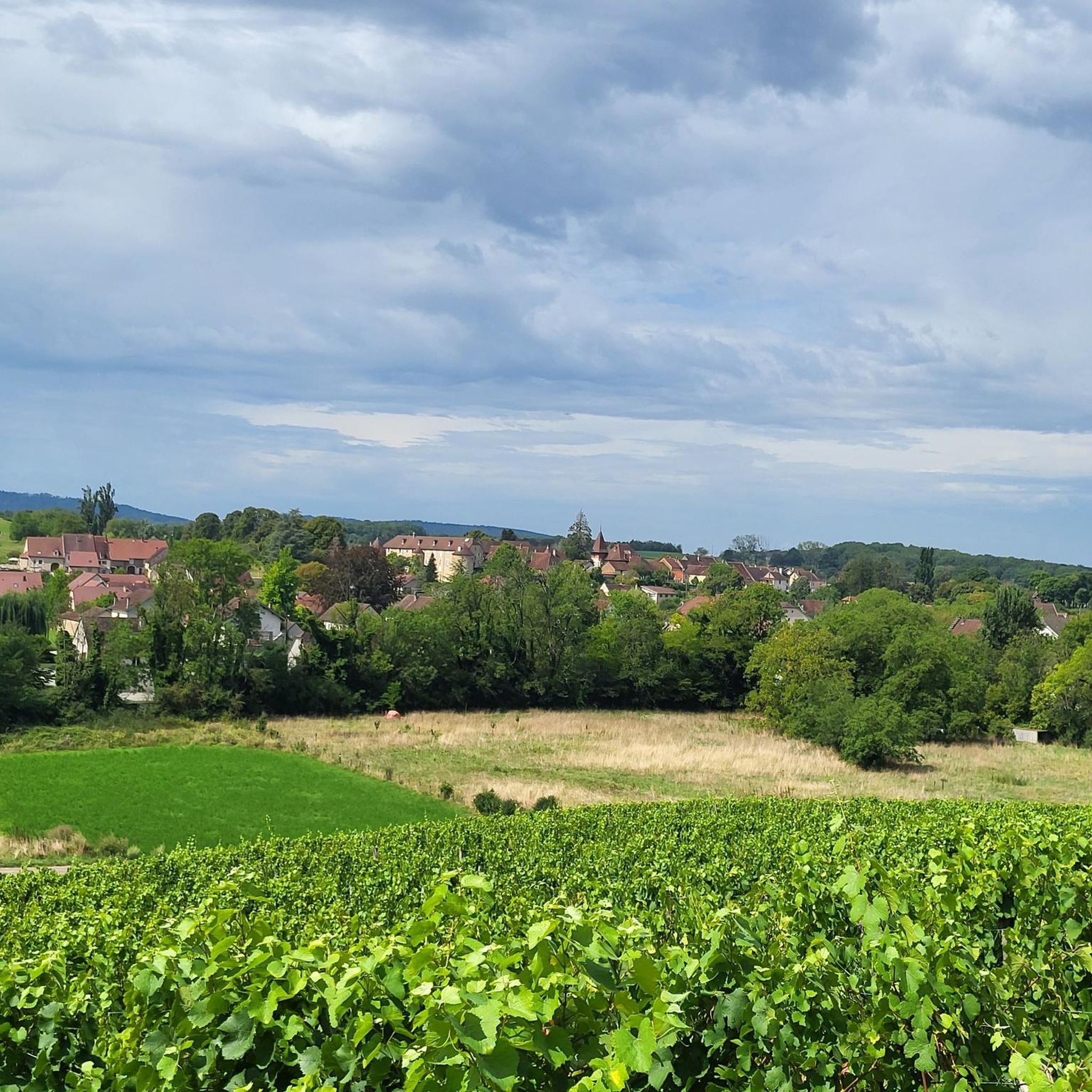
Best attractions and places to see around Domblans, located in the Jura department of Bourgogne-Franche-Comté, offer a mix of historical sites and natural beauty. The region is characterized by its position on the western slope of the first Jura plateau, with the Seille River flowing through the commune. Nearby, visitors can explore distinctive geological features such as "reculées" (steephead valleys) and numerous lakes.
Best attractions and places to see around Domblans
- The most popular attractions is Tunnel de la Diane…
Last updated: October 9, 2026
Baumes-les-Messieurs Waterfall
Highlight • Waterfall
Translated by Google •
Tip by

Saint-Pierre Abbey, Baume-les-Messieurs
Highlight • Other
Translated by Google •
Tip by

Sign up now to discover places like this
Get recommendations on the best single tracks, peaks, & plenty of other exciting outdoor places.
Château-Chalon Village
Highlight • Settlement
Translated by Google •
Tip by

Tunnel de la Diane (Voie PLM)
Highlight (Segment) • Other
Translated by Google •
Tip by

Roches Viewpoint (Overlook of the Baume-les-Messieurs reculée)
Highlight • Viewpoint
Translated by Google •
Tip by
Sign up for free to discover even more attractions around Domblans.
Already have an account?
Start today with a free account
Your next adventure awaits.

Tips from the Community

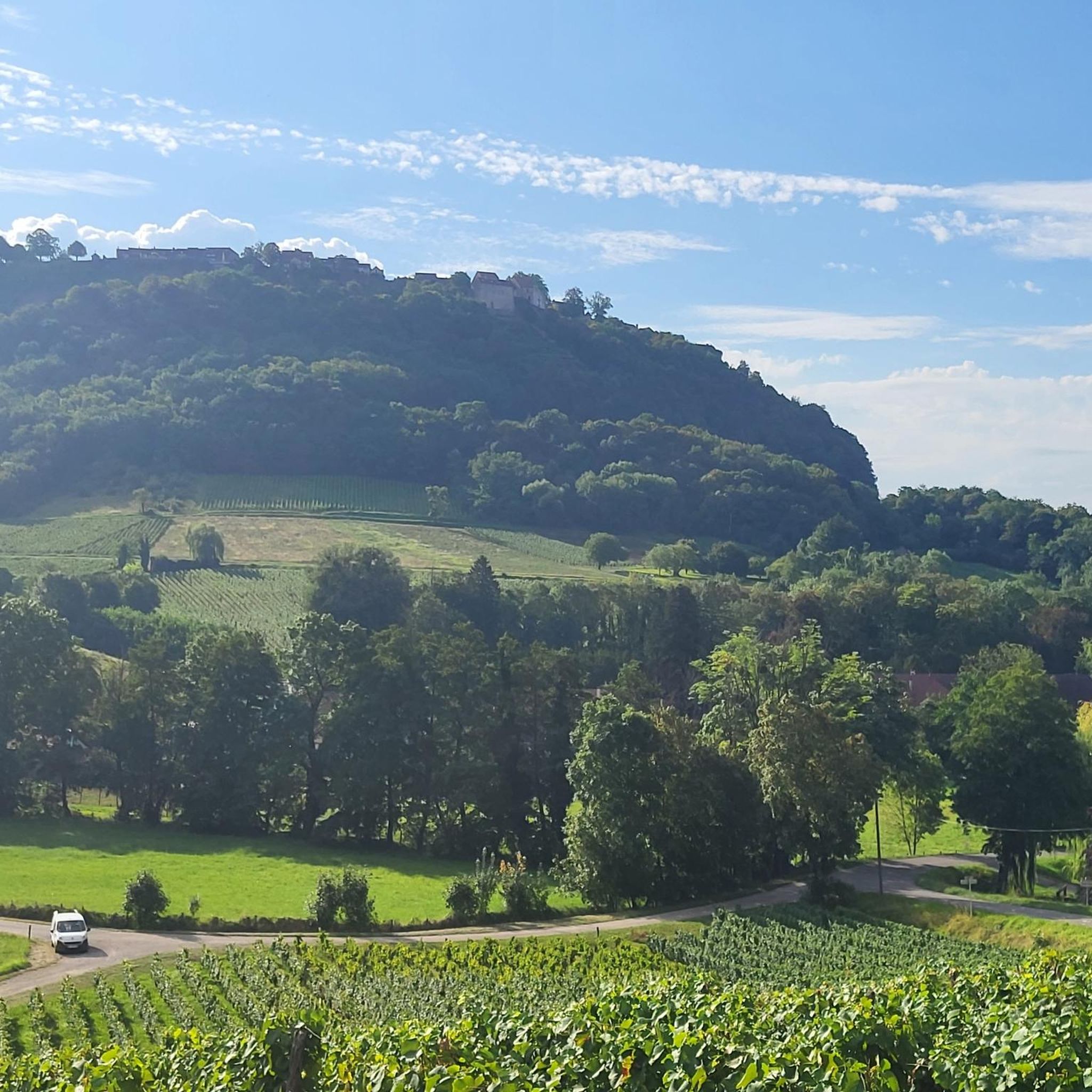
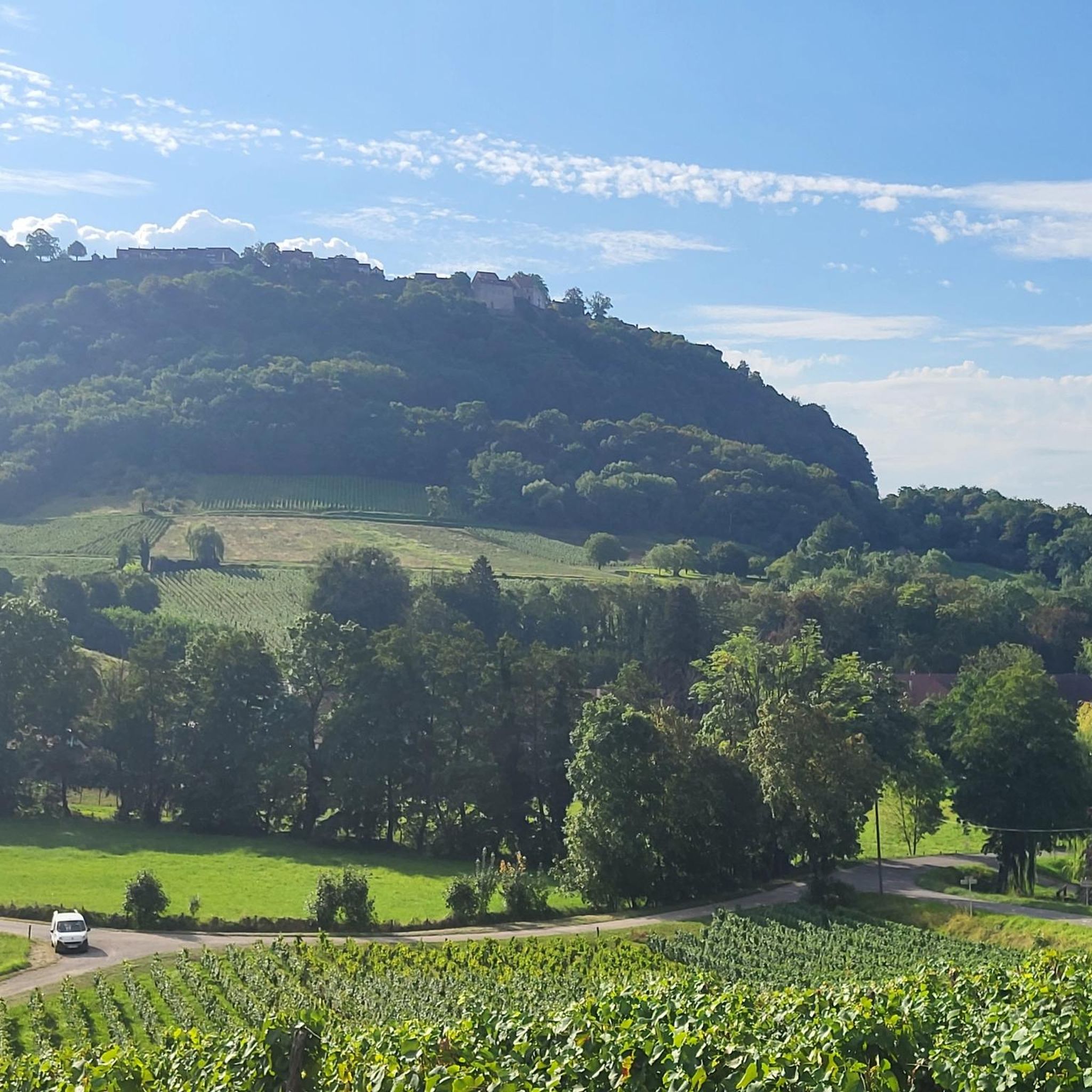
Beautiful viewpoint "Roches de Baume" with views from the plateau into the valley and as far as Baume-les-Messieurs.
6
0
Located at the end of the Baume-les-Messieurs valley, one of the most famous in the Jura, the waterfall is remarkable for many reasons. Its water originates from the underground river, the Dard, which emerges from the earth after a turbulent journey through the caves. The water that gushes forth here is pure and crystal-clear, emerging from a bright, green setting, creating magnificent colors.
7
0
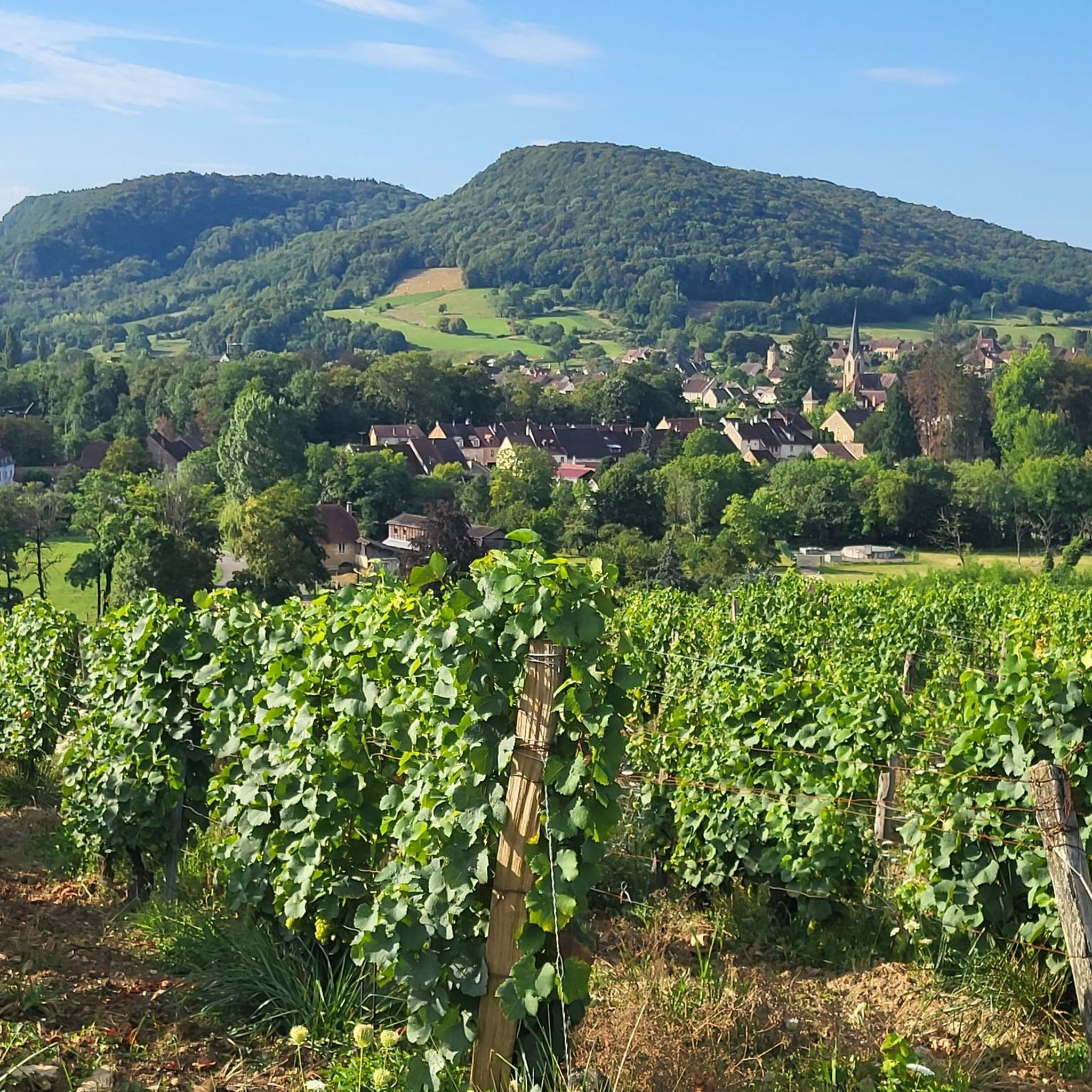
Magnificent view of Baume-Les-Messieurs and the surrounding rocky landscape.
7
0
In Baume-Les-Messieurs, time seems to stand still, as this village has managed to preserve its charm so well. It's no coincidence that it has been awarded two labels, "Plus Beaux Villages de France" (Most Beautiful Villages in France) and "Cités de Caractère de Bourgogne-Franche-Comté" (Towns of Character in Burgundy-Franche-Comté).
6
0
Founded in the 6th century and expanded by Bernon at the end of the 9th century, the building became a famous abbey, from which the monks who founded Cluny originated. The Abbey of Baume les Messieurs' prosperity began in the 11th century. In the 12th century, it assumed the title of "Imperial Abbey." In 1147, Baume was placed under the authority of Cluny. From this point on, its decline began. At the end of the 18th century, the last monks were converted into secular canons. During the French Revolution, the monks left the abbey, and part of the abbey was privatized. This Benedictine abbey today boasts an impressive architectural ensemble, some of which are typical of early Romanesque architecture in the Jura. The abbey church of Saint-Pierre dates back to the 11th century and has been a listed historic monument since 1849.
5
0

Impressive and beautiful, the still young Dard flows over this majestic tuff waterfall.
6
1
An impressive place with over 1,000 years of history, whose origins date back to the 6th century. It's impressive to walk through these ancient walls.
4
0
A beautiful little town with a former Benedictine monastery, nestled in an imposing valley surrounded by high cliffs and magnificent nature. It's definitely worth a visit.
4
1
Frequently Asked Questions
What natural wonders can I explore near Domblans?
The region around Domblans is rich in natural beauty. You can visit the stunning Baume-les-Messieurs Tufa Waterfall, a remarkable natural monument where water flows over tufa formations. Nearby, the Grottes de Baumes — Waterfall and Cave offers an opportunity to explore underground galleries and another impressive waterfall. The Seille River also flows through Domblans, providing scenic views and opportunities for activities like 'no-kill' fishing. The broader Jura Mountains region is known for its diverse landscapes, including rolling hills, forests, and turquoise lakes.
Are there any historical sites or castles to visit in Domblans?
Yes, Domblans and its surroundings boast several historical sites. The medieval Château de Domblans, established in 1446, is a significant landmark that once hosted King Henri IV and now houses a restaurant. While private, the 15th-century Château de Blandans and the 12th-century Château de la Muyre can be admired from their exteriors. The Église de Domblans, dedicated to Saint Symphorien, dates back to the 7th century and features a classified bronze bell from 1738. In nearby Bréry, the 18th-century Bréry Church is notable for its Florentine-style interior.
What kind of outdoor activities are available around Domblans?
Domblans is an excellent base for outdoor activities. You can enjoy walking along the Seille River or take the 4 km 'Circuit pédestre du paysage' for views of the haute Seille. The former railway tunnel, Tunnel de la Diane (Voie PLM), has been converted into a greenway for pedestrians and cyclists. The wider Jura region offers ample opportunities for hiking, cycling, and mountain biking. For specific routes, you can explore options like the 'Domblans Castle loop' for running or the 'Domblans Castle – Vineyards below Château-Chalon loop' for mountain biking, available on the Running Trails around Domblans, MTB Trails around Domblans, and Cycling around Domblans guide pages.
Are there family-friendly attractions in the Domblans area?
Yes, several attractions around Domblans can be enjoyed by families. The Tunnel de la Diane (Voie PLM) greenway is suitable for easy walks or bike rides with children. Exploring the Grottes de Baumes — Waterfall and Cave can be an exciting adventure for older children, though it has an entrance fee. The picturesque villages like Château-Chalon Village and Baume-les-Messieurs offer charming environments for family strolls, and the tufa waterfalls are a natural spectacle that can captivate all ages.
What are some unique geological features to see in the Jura region near Domblans?
The Jura region near Domblans is famous for its distinctive geological features, particularly the 'reculées' or steephead valleys. Baume-les-Messieurs is nestled in one such stunning reculée, featuring impressive cliffs and the Baume-les-Messieurs Tufa Waterfall. Other notable reculées include those at Blois-sur-Seille and Ladoye-sur-Seille. The area is also part of the 'Lakes Region,' with beautiful lakes like Lac de Chalain, Lac du Val, and Lac du Vernois within a reasonable distance.
Can I find good hiking trails suitable for different skill levels?
Yes, the area around Domblans offers hiking trails for various skill levels. For an easy walk, consider the 'Circuit pédestre du paysage' within the village. The Tunnel de la Diane (Voie PLM) greenway provides a friendly and affordable hike for all skill levels. For more challenging routes, the Jura Mountains offer diverse terrain. You can find detailed running and hiking routes, including moderate and difficult options, on the Running Trails around Domblans guide page, such as the 'Château Saint-Martin loop' (moderate) or the 'Tufs Waterfall – Along the Dard loop' (difficult).
What are the most picturesque villages to visit near Domblans?
Two of France's 'Most Beautiful Villages' are just a short distance from Domblans. Château-Chalon Village is perched amidst vineyards, famous for its Vin Jaune, and offers stunning views. Baume-les-Messieurs, nestled in a dramatic steephead valley, features an ancient abbey and impressive caves, making it incredibly scenic. The village of Bréry, now part of Domblans, also offers a glimpse into local heritage with its traditional winegrowers' houses and six fountains.
What do komoot users particularly enjoy about the attractions near Domblans?
Komoot users appreciate the diverse experiences offered around Domblans. They highlight the beauty of the Baume-les-Messieurs Tufa Waterfall as a 'very nice photo motif' and a great cooling spot on hot days. The Château-Chalon Village is loved for its 'stunning village surrounded by vineyards' and the opportunity for wine tasting. The Tunnel de la Diane (Voie PLM) is noted as a 'friendly and affordable hike for all skill levels' and a 'unique mountain route for railway lovers'.
Is there a good time of year to visit Domblans for outdoor activities?
The best time to visit Domblans for outdoor activities generally aligns with warmer, drier weather. Spring and autumn offer pleasant temperatures for hiking and cycling, with beautiful foliage in autumn. Summer is ideal for enjoying the waterfalls and lakes, though popular spots like the Baume-les-Messieurs Tufa Waterfall can be crowded. Always check local weather forecasts before planning your outdoor adventures.
Are there any ancient or archaeological sites in Domblans?
Yes, the territory of Domblans has a rich ancient history. There are between 20 to 30 archaeological sites within the commune, with numerous objects discovered in areas such as Villan, Sarazine, Rochette, and Voute. Roman roads also traversed the area, indicating its historical significance. The Château de la Muyre, for instance, was built upon Gallo-Roman ruins, hinting at even older settlements.
Where can I go cycling or mountain biking near Domblans?
Domblans is well-suited for cycling and mountain biking. The Tunnel de la Diane (Voie PLM) offers a greenway specifically for cyclists and pedestrians. For more extensive routes, you can find various options on the MTB Trails around Domblans and Cycling around Domblans guide pages. Examples include the 'Domblans Castle – Vineyards below Château-Chalon loop' for mountain biking (moderate) or the 'Domblans — Baume-les-Messieurs via the TJS Tour du Jura Sportif — loop' for cycling (difficult).
What is the significance of the Seille River in Domblans?
The Seille River plays a significant role in Domblans, flowing directly through the commune. Historically, a bridge over the Seille, erected in 1782, is a notable feature. Today, the river offers opportunities for 'no-kill' fishing and provides a scenic backdrop for walks, such as the 'Circuit pédestre du paysage' which offers views of the haute Seille. Its presence contributes to the natural beauty and ecological diversity of the area.
Most popular routes around Domblans
Most popular attractions around Domblans

Get inspired with the komoot mobile app


Explore more
Still not found the Highlight you’re looking for? See guides of the top attractions in other regions:
