Attractions and Places To See around Grillon - Top 20
Best attractions and places to see around Grillon, a village located in Provence-Alpes-Côte d'Azur, offer a blend of historical architecture, cultural richness, and natural beauty. Once a papal state, Grillon preserves a heritage reflecting its feudal past. The village is nestled in the Lez valley, surrounded by vineyards and olive groves. Visitors can explore its historical sites and enjoy the surrounding landscapes.
Best attractions and places to see around Grillon
- The most popular attractions is Château de Grignan, a castle that can be seen from afar as a raised palace complex in the middle of a small village. This once medieval castle transformed into a Renaissance castle over time, featuring great walls and an attached church.
- Another must-see spot is Aleyrac Priory, a religious building where only the ruins of the Notre-Dame church remain today. Its facade remains almost intact, allowing visitors to recognize its original organization within the enclosure.
- Visitors also love Notre-Dame-de-Nazareth Church of Valréas, a religious building erected following the establishment of a Benedictine priory in the 11th century. It features Romanesque architecture, two bell towers, and a richly decorated exterior portal.
- Grillon is known for its historical architecture, cultural sites, and natural landscapes. Visitors can explore medieval ramparts, local markets, and surrounding vineyards.
- The attractions around Grillon are appreciated by the komoot community, with more than 70 upvotes and over 130 photos shared.
Last updated: May 9, 2026
Château de Grignan
Highlight • Castle
Translated by Google •
Tip by

Notre-Dame-de-Nazareth Church of Valréas
Highlight • Religious Site
The nave, transept, and apse date from the 12th century and are in the Romanesque style. The side aisles were added at the end of the 12th century. Later, in the 15th century, an additional bay of the nave was built. As for the side chapels, pierced with Gothic windows and supported by powerful buttresses, they were added in the 15th and 19th centuries.
Listed as a Historic Monument since 1862, built of noble materials (ashlar), the building has the dual distinction of being roofed by stone slabs and having two bell towers: one is octagonal and notably pierced with ogival bays, the other is a bell tower-arcade type with three bell bays. The three bays of the exterior side portal are richly decorated with arches and capitals adorned with flowers, petals, and sculpted figurines. They present a balanced composition of small columns and semicircular arches.
Architecturally, note the sculpted modillions of the cornices overlooking the chevet and transept, as well as the elaborate decoration of the "south" portal, where Gothic elements coexist with Romanesque ornamentation (bas-reliefs depicting figures and interlacing).
The west portal is decorated with elegant columns from the 13th and 14th centuries.
Inside, admirable coffers painted with rosettes adorn the ceiling, and a magnificent 16th-century organ case sits on an entire wall. This organ case, equipped with an Italianate case dating from 1506, was restored in the 18th century and in 1966, following its listing by the Fine Arts Museum. It has also been undergoing a new restoration since November 2007, which was completed in July 2009, the date of its new commissioning.
Accompanied by background music, lighting in several stages, and a constantly renewed decor, the Valréas nativity scene, one of the most renowned in Provence, occupies the Notre Dame-de-Nazareth church from Christmas to Candlemas. Covering 57 m², beautiful and very old figurines (some of which are centuries old) make their way towards the Infant Jesus.
The church and its Place Pie serve as the backdrop each year for the feast of the Night of Little Saint John on June 23.
Translated by Google •
Tip by

Sign up now to discover places like this
Get recommendations on the best single tracks, peaks, & plenty of other exciting outdoor places.
Sign up for free
Tulette
Highlight • Other
Translated by Google •
Tip by

Simiane Castle
Highlight • Other
Translated by Google •
Tip by

Aleyrac Priory
Highlight • Religious Site
Translated by Google •
Tip by

Sign up for free to discover even more attractions around Grillon.
Sign up for free
Already have an account?
Start today with a free account
Your next adventure awaits.
Login or Signup

Tips from the Community

Magnificent 12th century church whose dark and massive interior is reminiscent of certain places of worship in Aubrac.
0
0

The church was erected following the establishment of a Benedictine priory in the 11th century. Enlarged and remodeled numerous times, it nevertheless retains a certain unity. The nave, transept, and apse date from the 12th century and are in the Romanesque style. The side aisles were added at the end of the 12th century. Later, in the 15th century, an additional bay of the nave was built. As for the side chapels, pierced with Gothic windows and supported by powerful buttresses, they were added in the 15th and 19th centuries. Listed as a Historic Monument since 1862, built of noble materials (ashlar), the building has the dual distinction of being roofed by stone slabs and having two bell towers: one is octagonal and notably pierced with ogival bays, the other is a bell tower-arcade type with three bell bays. The three bays of the exterior side portal are richly decorated with arches and capitals adorned with flowers, petals, and sculpted figurines. They present a balanced composition of small columns and semicircular arches. Architecturally, note the sculpted modillions of the cornices overlooking the chevet and transept, as well as the elaborate decoration of the "south" portal, where Gothic elements coexist with Romanesque ornamentation (bas-reliefs depicting figures and interlacing). The west portal is decorated with elegant columns from the 13th and 14th centuries. Inside, admirable coffers painted with rosettes adorn the ceiling, and a magnificent 16th-century organ case sits on an entire wall. This organ case, equipped with an Italianate case dating from 1506, was restored in the 18th century and in 1966, following its listing by the Fine Arts Museum. It has also been undergoing a new restoration since November 2007, which was completed in July 2009, the date of its new commissioning. Accompanied by background music, lighting in several stages, and a constantly renewed decor, the Valréas nativity scene, one of the most renowned in Provence, occupies the Notre Dame-de-Nazareth church from Christmas to Candlemas. Covering 57 m², beautiful and very old figurines (some of which are centuries old) make their way towards the Infant Jesus. The church and its Place Pie serve as the backdrop each year for the feast of the Night of Little Saint John on June 23.
1
0
The permanent model exhibition, housed in a specially adapted museum space, offers visitors around twenty models created by Jean-Claude Vangierdegom, a model maker with a passion for architecture, representing the main heritage buildings of the Enclave des Papes and the Pays de Grignan. The Château's Micro-Folie, a veritable digital museum with fifteen tablets, complements the free cultural offerings. Finally, the free year-round visit also includes a visit to the grandiose Salon d'Honneur, the Salle Scharf, and a climb to the belvedere, which offers a beautiful panorama of the town of Valréas and the surrounding landscapes. Furthermore, the Château de Simiane hosts a regular and varied program designed as an invitation to discovery, in an extraordinary setting for everyone: young and old, lovers of painting, photography, music, and more. The Château de Simiane has become a cultural hub, at the heart of Valréas life, with a Micro-Folie. For example, the castle serves as the backdrop for the Night of Little Saint John around June 23 and during the summer for many other festivities (July 14, Pink and White, concerts, etc.)
0
0
The Hôtel de Simiane stands on the remains of an ancient residence believed to have been built by the Montauban family in the 13th century. Hugues Aymeric commissioned the construction of the two buildings still visible along Rue de l'Hôtel de Ville in the 14th century. The bulk of the current building was constructed in 1639-1640 by the Cavaillon entrepreneur Bernard Moureau based on plans by the Avignon architect François Royer de la Valfenière for Louis de Simiane (this Avignon architect is responsible for numerous buildings in the Comtat, including the bishopric of Carpentras). It was not until around 1780 that the symmetry of the composition was completed with the replacement of an old building with the south wing, based on plans by the Avignon architect Franque, who also designed the bishopric of Viviers. The château was owned by Louis de Simiane and his wife Pauline de Simiane, the granddaughter of the Marquise de Sévigné. It was thanks to the young woman that her grandmother's correspondence was published and made famous throughout the world. There is thus a direct link between the two châteaux, only a few kilometers apart: Grignan, where the Marquise stayed, and Valréas, where her granddaughter resided. In 1823, the Château de Simiane housed the college and the Justice of the Peace. It was only in 1843, by order of King Louis Philippe, that the town of Valréas was authorized to purchase the Hôtel de Simiane, which then became the Valréas Town Hall and Post Office. In 1913, the Château de Simiane was listed as a historic monument.
0
0

Impressive restoration of the chateau after it's fairly comprehensive destruction on orders of the Revolution.
1
0

A visit to the château is highly recommended; beautiful castle in a beautiful location with a view of Mont Ventoux.
1
0

The raised castle complex in the middle of the small town can be seen from afar. The once medieval castle was transformed over time into a Renaissance palace.
1
0
Frequently Asked Questions
What historical sites can I explore in Grillon?
Grillon is rich in history. You can explore the well-preserved Vialle District, which features buildings listed as Historical Monuments, including the House of the Three Arcs. Wander through the village to see parts of its medieval ramparts, some dating back to the 12th century, and admire old doors. The 14th-century Church of Sainte-Agathe and historical Papal Terminals also offer glimpses into Grillon's past.
Are there any notable castles or religious buildings near Grillon?
Absolutely. A prominent attraction is Château de Grignan, a magnificent castle that evolved from a medieval fortress into a Renaissance complex. You can also visit Aleyrac Priory, where the ruins of the Notre-Dame church still stand, offering a glimpse into its original structure. Another significant religious site is the Notre-Dame-de-Nazareth Church of Valréas, an 11th-century Romanesque church known for its two bell towers and richly decorated exterior portal. Additionally, the Simiane Castle, now serving as Valréas's town hall, is a classified historical monument with a rich history.
What outdoor activities are available around Grillon?
The region around Grillon offers numerous outdoor activities. You can enjoy hiking and cycling on various trails that showcase the charming landscapes of vineyards and olive groves. For specific routes, consider exploring the hiking trails around Grillon, which include options like the 'Lavender Field – Fisherman Sculpture loop' or the 'In the castle of the Templars – Church Interior loop'. The nearby Les Gorges de l'Ardèche also provides opportunities for hiking, cycling, and water sports.
Where can I experience local culture and markets in Grillon?
To immerse yourself in local culture, visit the vibrant local market held every Saturday morning in Grillon, where you can find fresh, locally-produced goods. The region is also known for its Côtes-du-Rhône AOC wines, so wine tasting tours at nearby vineyards are a popular cultural experience. You can also savor authentic Provençal cuisine at traditional local restaurants and look out for local festivals that celebrate Provençal music, dance, and gastronomy.
Are there any natural attractions or scenic spots near Grillon?
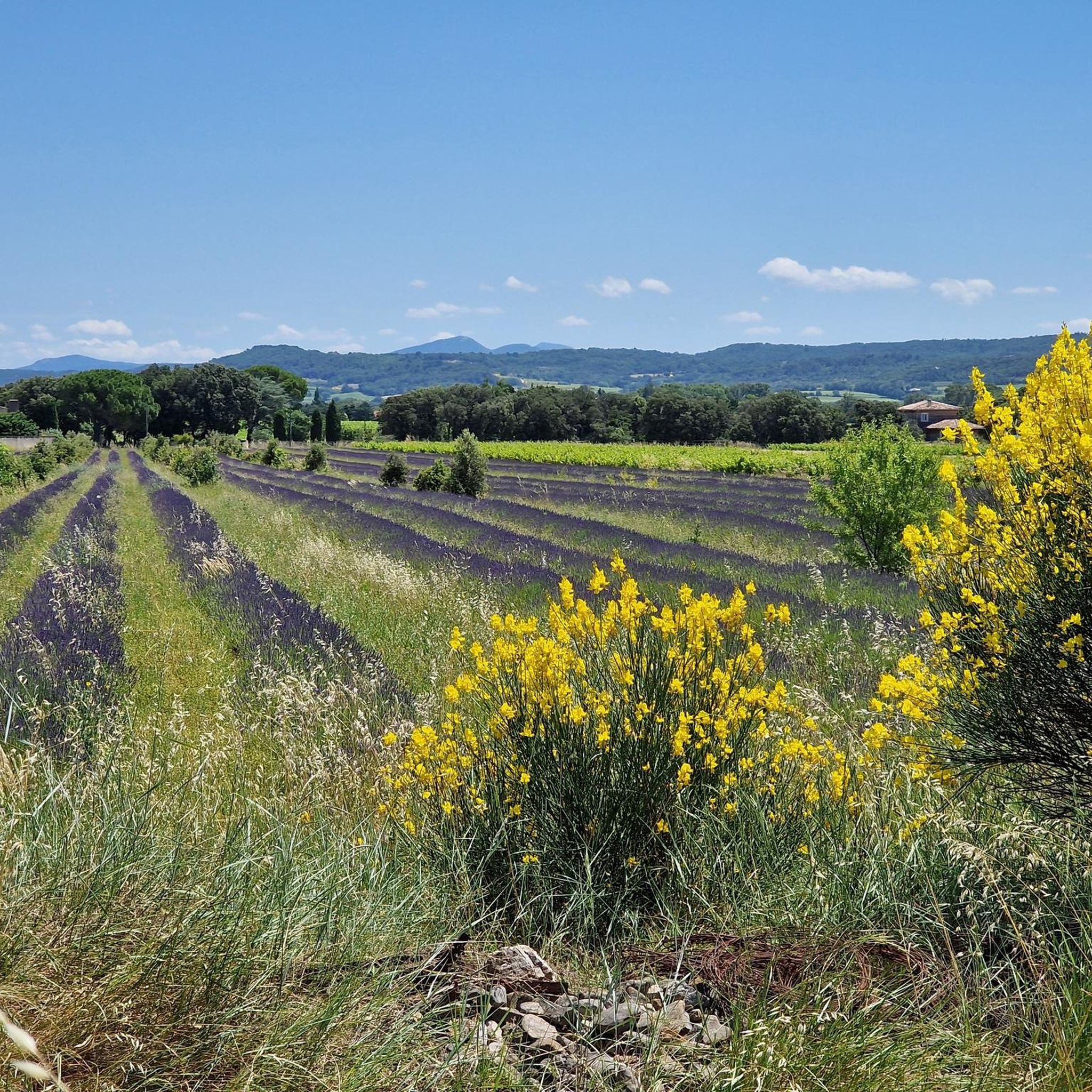
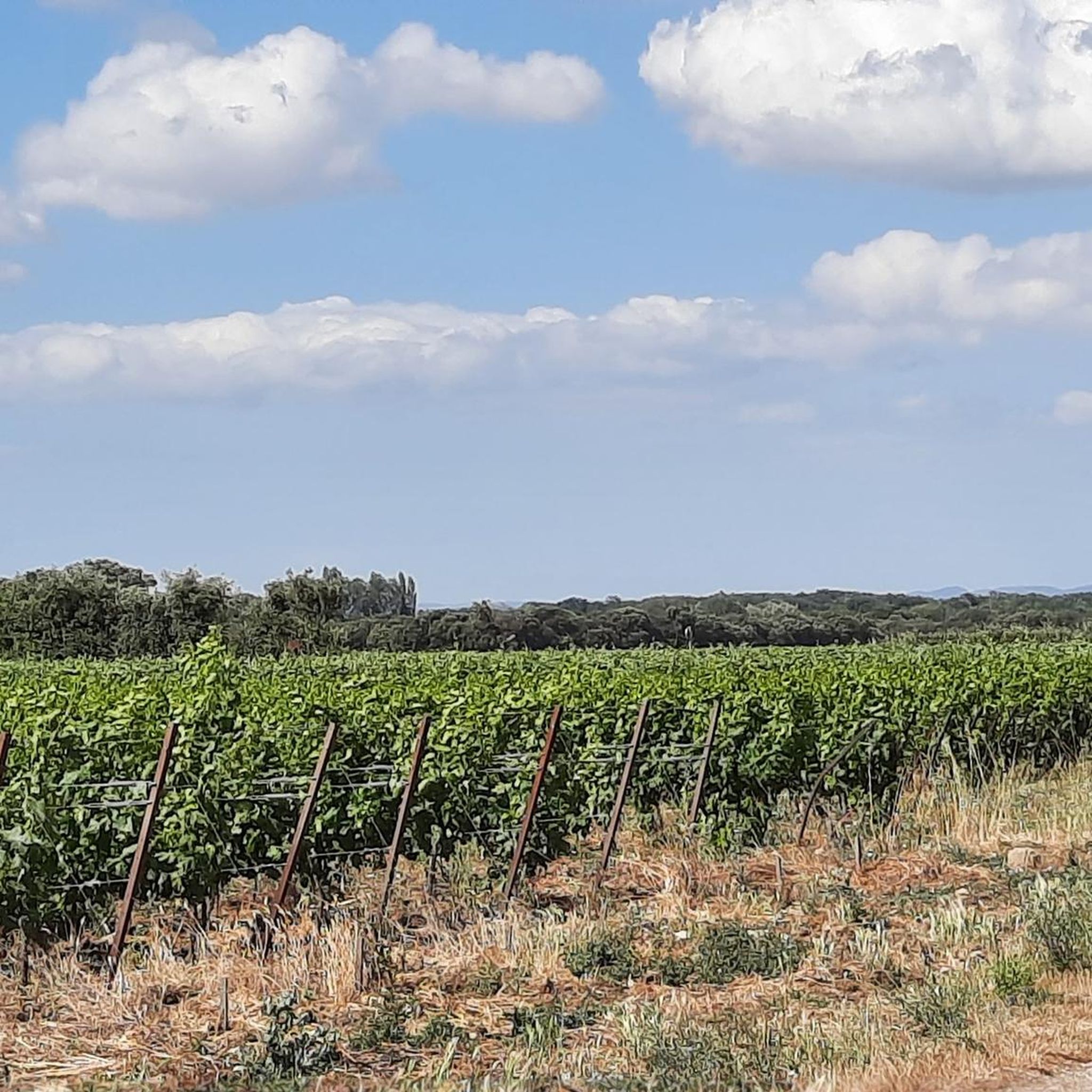
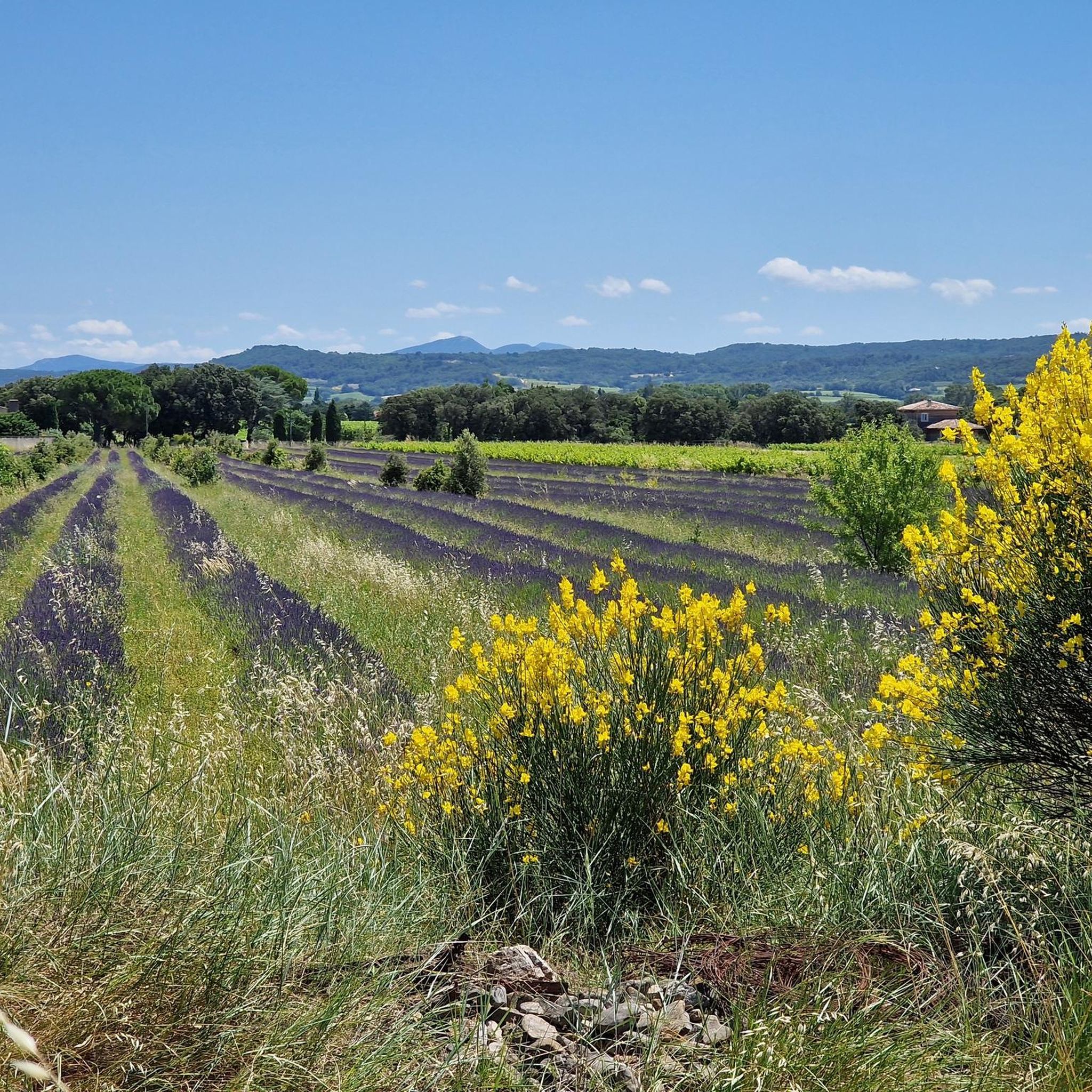
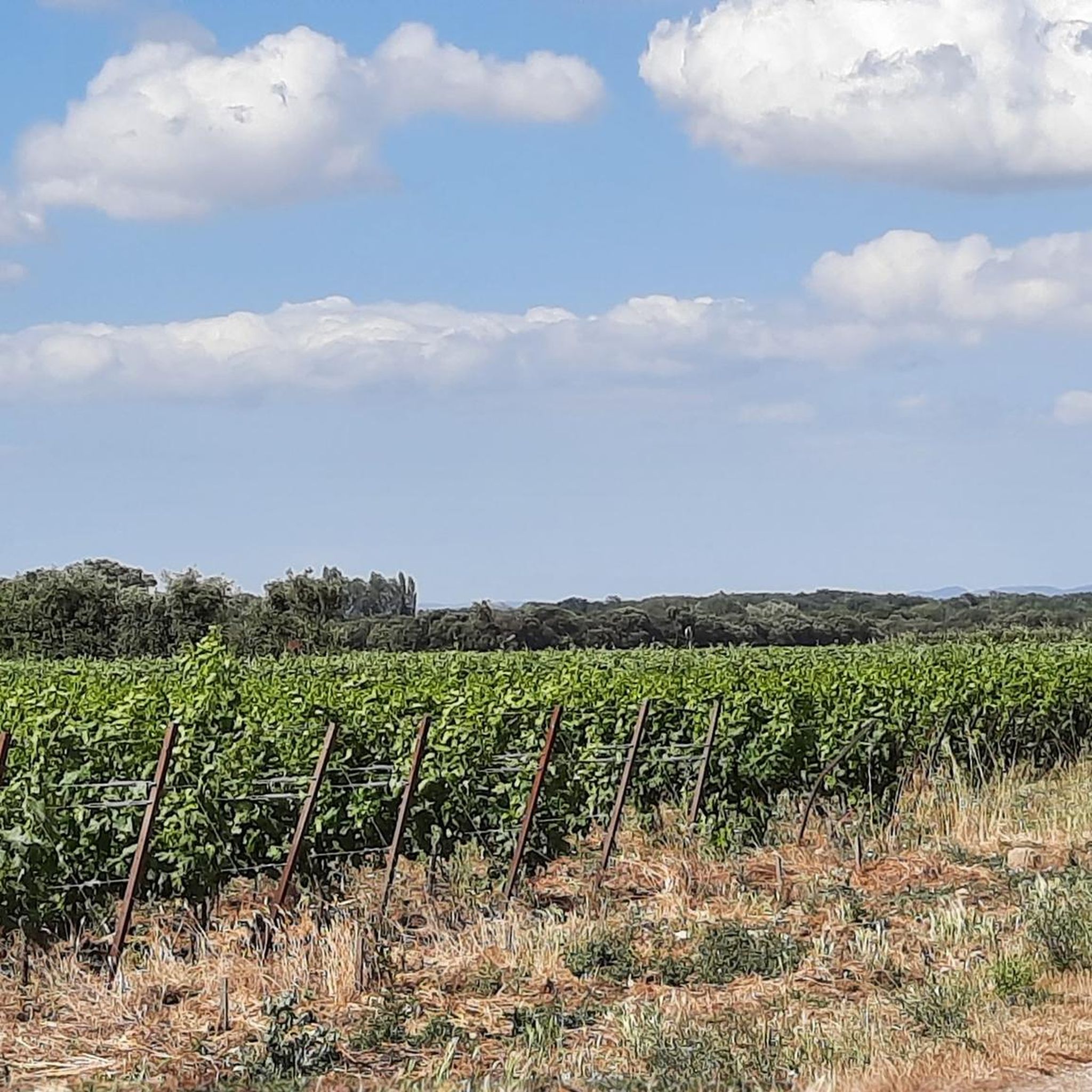
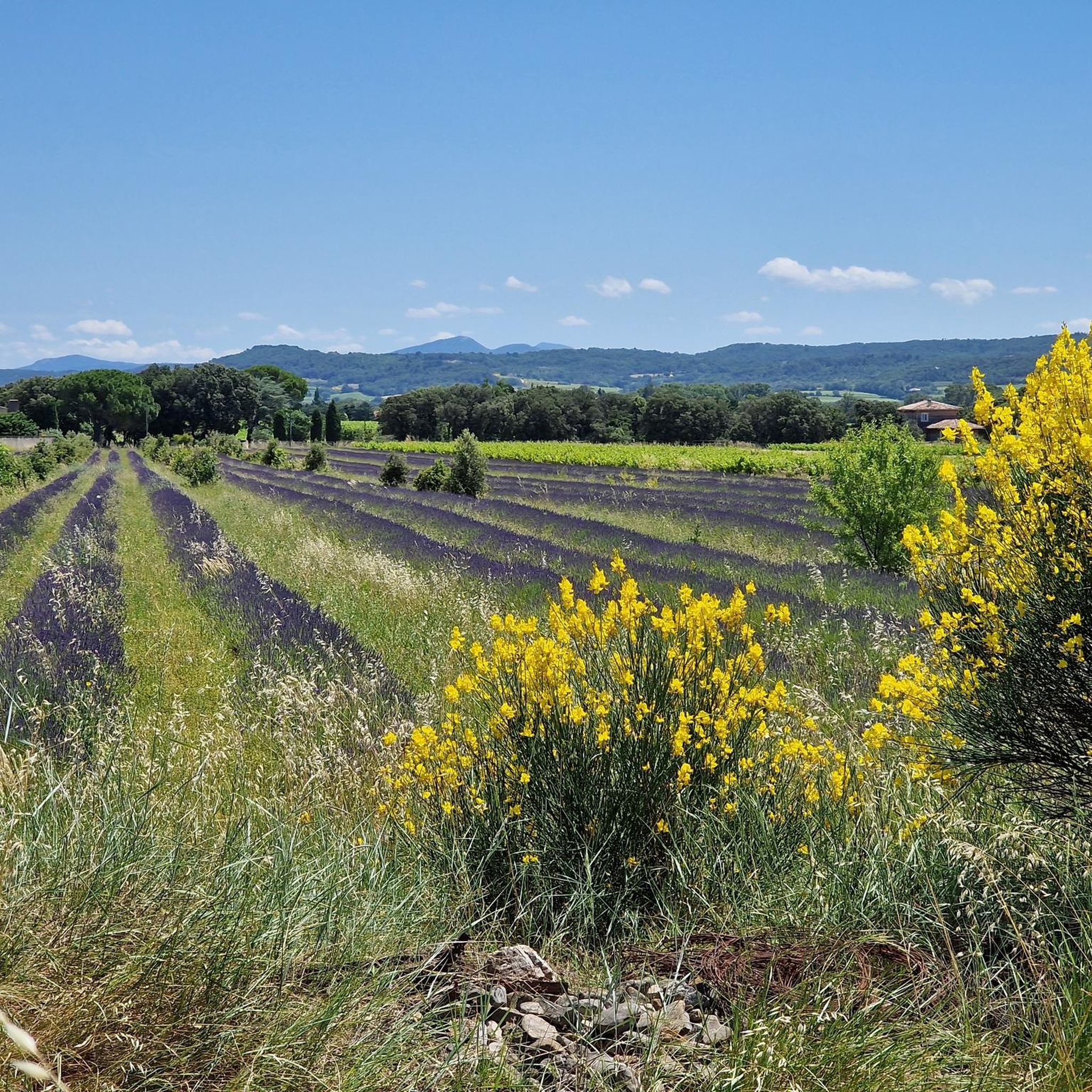
Grillon is surrounded by picturesque natural beauty. You'll find rolling vineyards and lush olive groves throughout the area. Seasonal lavender fields, particularly in areas like Sault or Valensole, offer mesmerizing views and fragrances during blooming season. The Lez River flows along the northern limit of the commune, and the Chapel of Saint-Martin, nestled on a hillside, provides breathtaking views and a tranquil setting.
What is the best time of year to visit Grillon for outdoor activities?
The Provence-Alpes-Côte d'Azur region generally enjoys pleasant weather for outdoor activities from spring through early autumn. Spring (April-May) offers comfortable temperatures and blooming landscapes, while early autumn (September-October) provides cooler weather ideal for hiking and cycling, often with beautiful fall colors. Summer (June-August) can be warm, but is perfect for enjoying the lavender fields and water activities in nearby gorges.
Can I find easy hiking trails around Grillon?
Yes, there are several easy hiking trails suitable for various fitness levels. For instance, the hiking guide for Grillon lists routes like the 'Lavender Field loop from Grillon' and the 'Fisherman Sculpture – Market Square loop from Grillon', both rated as easy. These trails allow you to enjoy the local scenery without strenuous effort.
What kind of cycling opportunities are there near Grillon?
Grillon and its surroundings are excellent for cycling. You can find dedicated cycling trails that wind through vineyards and picturesque villages. For gravel biking enthusiasts, the gravel biking guide for Grillon offers routes like the 'Baume Castle – La Baume-de-Transit Castle loop' or the 'Taulignan – Grignan town center loop', providing diverse terrain and scenic rides.
Are there any unique villages or towns to visit close to Grillon?
Yes, the village of Tulette is a charming nearby destination. It has undergone many changes over the centuries, with vestiges of its past still remaining, including restored city walls and the historic Saint-Pierre church. Tulette offers nice terraces and good food, making it a pleasant stop for coffee or a meal.
What do visitors particularly enjoy about the attractions around Grillon?
Visitors frequently appreciate the blend of historical architecture and natural beauty. The majestic presence of Château de Grignan, visible from afar, is often highlighted. The serene and almost surreal setting of Aleyrac Priory, despite being in ruins, is also a favorite for its unique atmosphere. The intricate Romanesque architecture and richly decorated portals of the Notre-Dame-de-Nazareth Church of Valréas also receive high praise for their historical and artistic value.
Are there running trails available near Grillon?
Yes, for those who enjoy running, there are several trails in the vicinity. The running trails guide for Grillon features routes such as the 'Château de Grignan – Grignan town center loop' and various running loops starting from Grillon itself, offering diverse distances and moderate difficulty levels.
Most popular routes around Grillon
Most popular attractions around Grillon

Get inspired with the komoot mobile app


Explore more
Still not found the Highlight you’re looking for? See guides of the top attractions in other regions:
