The best cycling routes around Glénay
4.3
(102)
789
riders
88
rides
Touring cycling around Glénay offers routes through a landscape characterized by gently rolling hills, river valleys, and agricultural fields. The region features a network of quiet country roads and paths suitable for exploring the rural French countryside. Elevations are generally moderate, providing varied terrain for cyclists.
Best touring cycling routes around Glénay
- The most popular touring cycling route is Gourgé bridge – Airvault loop from Boussais, a 68.7 miles (110.5 km) trail that takes 7 hours 13 minutes to…
Last updated: November 1, 2026
4.3
(12)
118
riders
101km
06:37
830m
830m
Hard bike ride. Very good fitness required. Mostly paved surfaces.
4.0
(9)
111
riders
114km
07:29
930m
930m
Hard bike ride. Very good fitness required. Mostly paved surfaces.

3.7
(6)
14
riders
94.5km
06:02
630m
630m
Hard bike ride. Very good fitness required. Mostly paved surfaces.
5.0
(1)
13
riders
58.1km
03:31
390m
390m
Moderate bike ride. Good fitness required. Mostly paved surfaces.
8
riders
51.3km
03:59
470m
470m
Hard bike ride. Very good fitness required. Mostly paved surfaces.
Get access to more routes and recommendations from other explorers.
Already have an account?
Our route recommendations are based on thousands of hikes, rides, and runs completed by other people on komoot.
Start today with a free account
Your next adventure awaits.
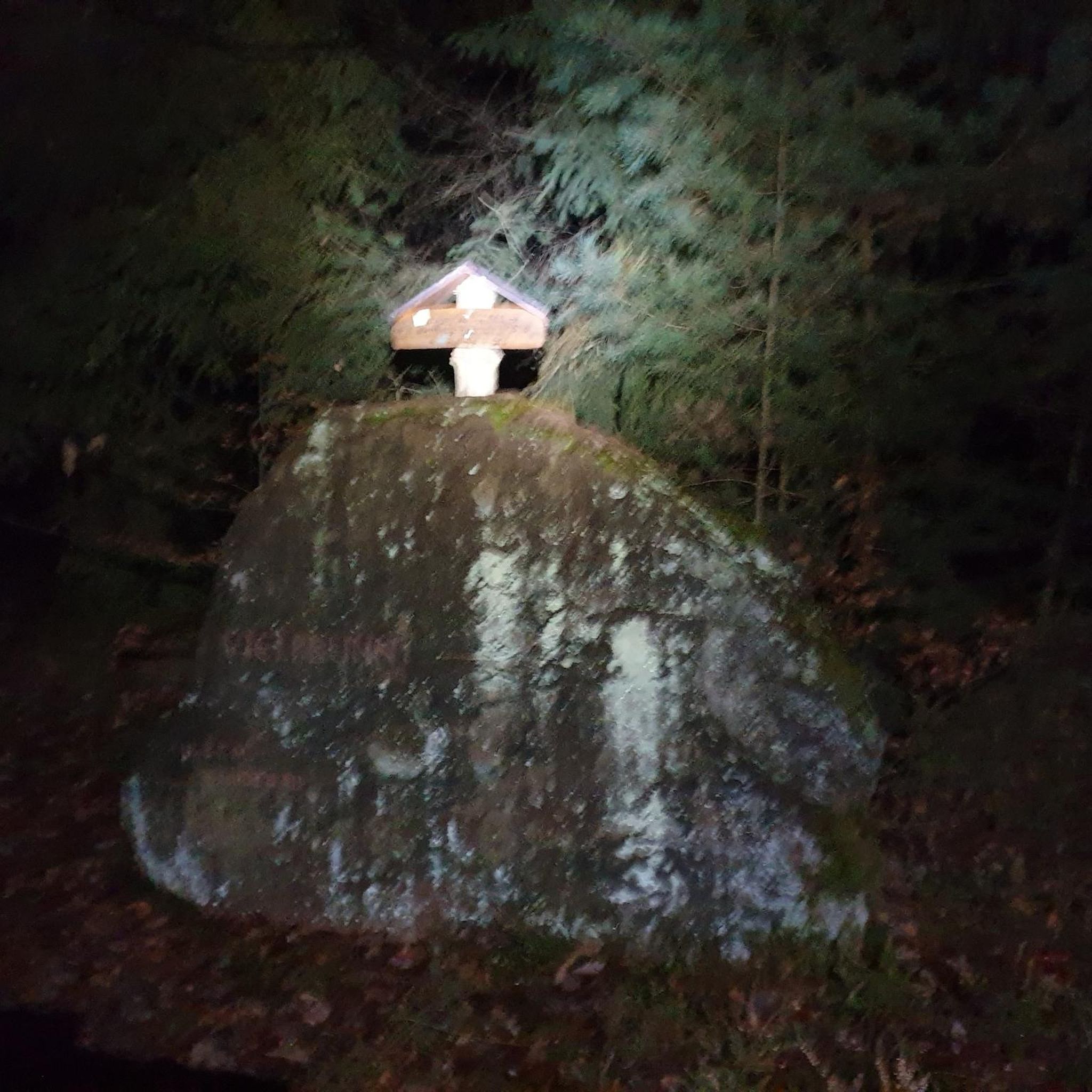
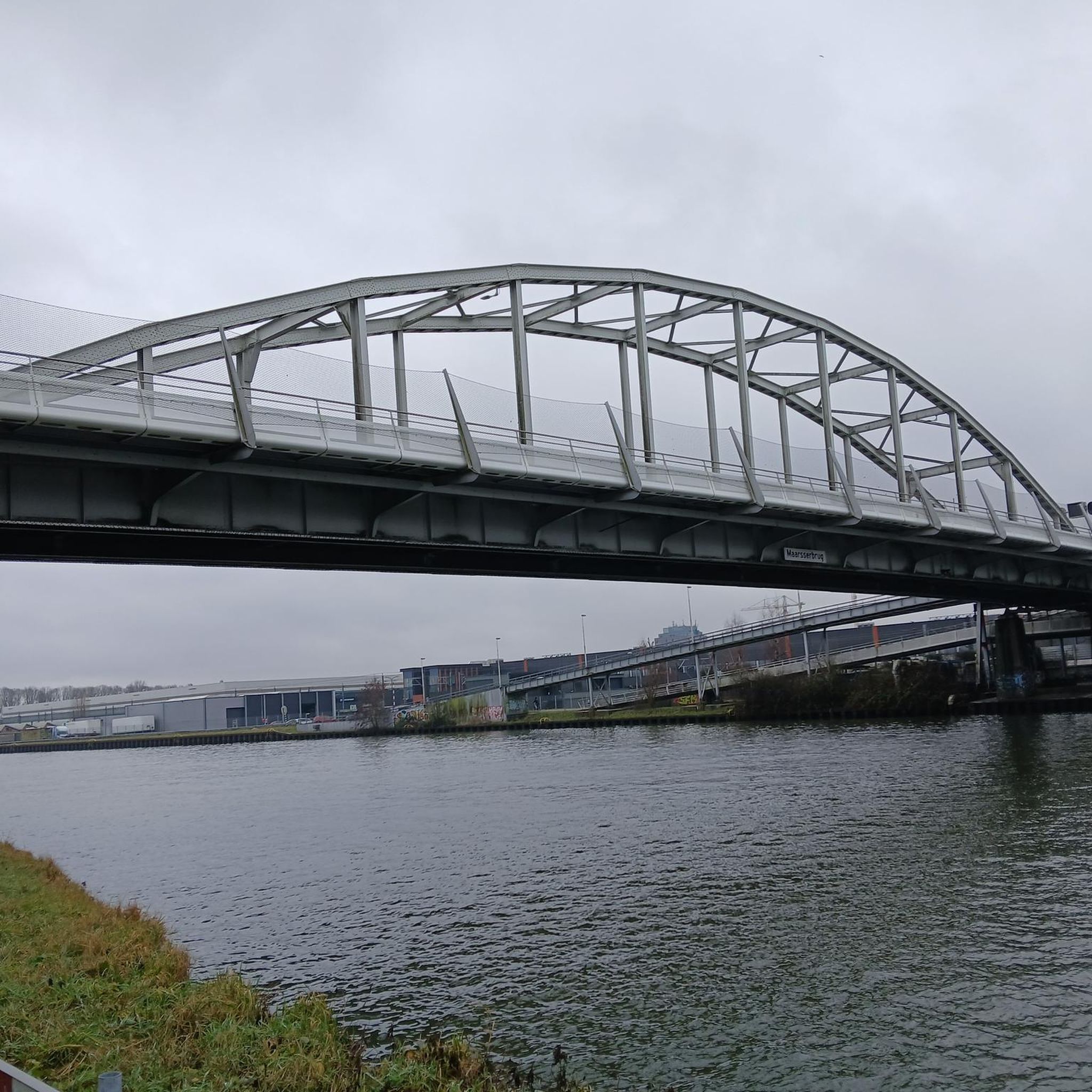
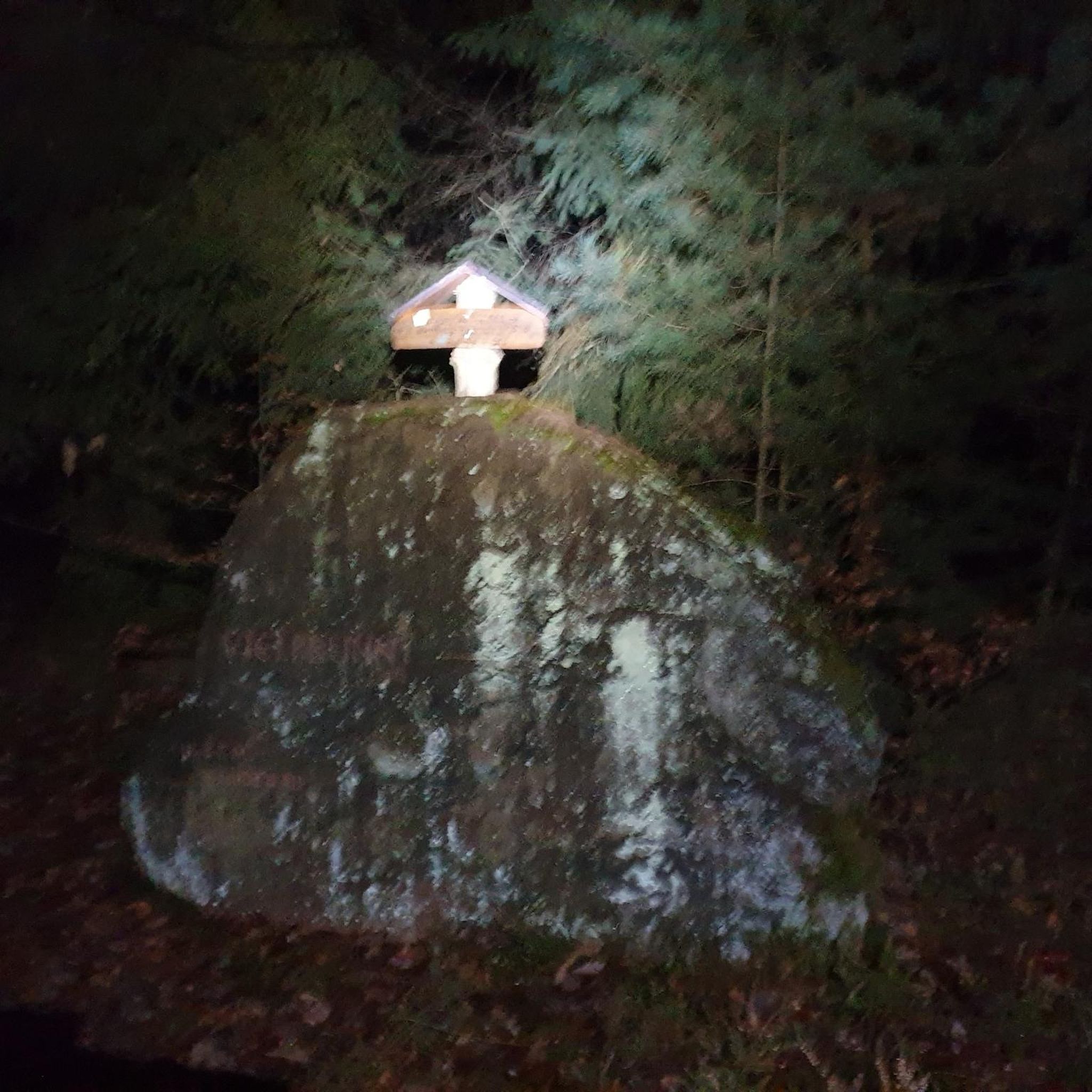

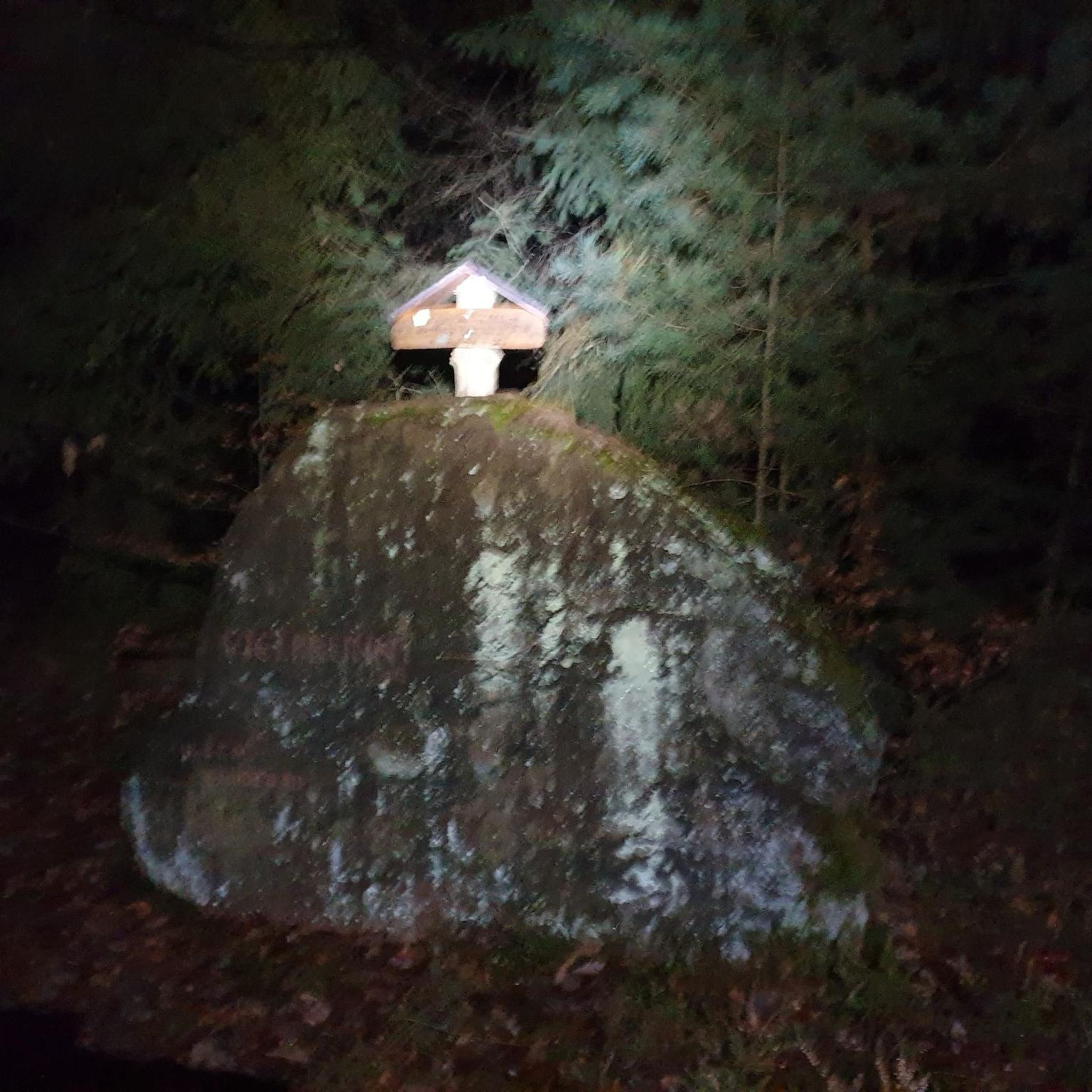
Tips from the Community

The Church of Saint-Généroux is a site well worth a visit during a hike. It dates back to the 10th century and is considered one of the oldest churches in France, as it features pre-Romanesque architecture found nowhere else. The church is located on the banks of the Thouet River. You can also admire the Romanesque bridge (13th century).
0
0
Things to See & Do Ramparts: With approximately 30 semicircular towers, the granite walls symbolize medieval urban robustness. Ruined Castle: All that remains of the castle is a round tower (perhaps the keep) and sections of walls restored since the 1980s. Panoramic Walk: The rampart path offers splendid views of the Thouet Valley and the Saint-Paul district.
1
0
History & Architecture Medieval Construction: Built in the early 13th century under the aegis of John Lackland, the citadel rests on a natural promontory reinforced by three defensive walls, towers, and ramparts. Castle and Bastion: Its original, isolated castle included towers such as the Powder Tower and the Harcourt Tower. In the 15th century, Arthur de Richemont added the bastille and an artillery boulevard. Citadel Gate (or Clock Gate): The gatehouse is flanked by two almond-shaped towers and topped with a clock tower. A granite staircase provides access to the guardroom and the patrol path.
1
0
The citadel of Parthenay, nicknamed the "little Carcassonne of the West", is one of the city's heritage jewels, perched on a rocky spur overlooking the bend of the Thouet River.
1
0

Dating from the 13th century, at the foot of the city ramparts, this bridge ultimately offers the best view of the Château de Thouars.
0
0

Without the characteristic wings - which used to capture the power of the wind to set the heavy millstones in motion - the once proud windmill, which was certainly impressive at the time, is missing an essential architectural element. From a distance, the observer can see its modern successors: within sight of the former windmill, the slender towers and turbine blades of a modern wind farm, which is used to generate electricity, rise into the sky.
2
0
In the proverbial "good old days" of centuries past, this (former) windmill, standing in a very prominent position in the vast landscape, must have made a deep impression on the viewer. However, this changed a long time ago: the no longer intact tower stump is missing the wings, precisely those elements that were once so fundamental to the appearance of those four-armed giants (at least that is what the character "Don Quixote" invented by Miguel Cervantes thinks in one of the famous Spanish author's bizarre stories).
3
0

The Chouans bridge on the Thouet is a medieval bridge which crosses the Thouet river between Thouars and Saint-Jean-de-Thouars. The bridge was fortified in the 15th century and witnessed the passage of the Vendée army during the French Revolution. You can admire the architecture of the bridge which has two arches and triangular spouts on the piers. You can also enjoy the view of the river and the castle of the Dukes of La Trémoille on the hill. The bridge is classified as a historic monument and has been restored several times.
3
0
Frequently Asked Questions
What are the difficulty levels of touring cycling routes in Glénay?
Glénay offers a diverse range of touring cycling routes to suit various skill levels. You'll find 18 easy routes, 50 moderate routes, and 12 difficult routes, providing options for beginners to experienced cyclists.
Are there family-friendly touring cycling routes in Glénay?
Yes, Glénay has 18 easy touring cycling routes that are generally suitable for families. These routes typically feature gentler terrain and quieter country roads, perfect for a relaxed ride with children. Look for routes with lower elevation gains and shorter distances.
Are there challenging touring cycling routes for experienced cyclists in Glénay?
Absolutely. For experienced cyclists seeking a challenge, Glénay offers 12 difficult touring cycling routes. These often include more significant elevation changes and longer distances. An example is the Gourgé bridge – Airvault loop from Boussais, which covers over 110 km with substantial elevation gain.
Are there circular touring cycling routes available in Glénay?
Many of the touring cycling routes in Glénay are designed as loops, allowing you to start and finish at the same point. For instance, the Parthenay Old Town – Saint-Loup-Lamairé loop from Repéroux is a popular circular option that takes you through historic towns and open farmland.
What historical sites or attractions can I visit along the touring cycling routes in Glénay?
The region around Glénay is rich in history and offers several interesting attractions. You can explore the Small Church of Saint-Généroux (10th century), the Montguimier Mill, or the historic town of Airvault. There are also several castles nearby, such as Château de La Coindrie and Château de Saint-Loup, which can be incorporated into your cycling itinerary.
When is the best time of year to go touring cycling in Glénay?
The best time for touring cycling in Glénay is typically from spring to early autumn (April to October). During these months, the weather is generally mild and pleasant, with less rainfall, making for ideal cycling conditions through the rural French countryside. Summer offers longer daylight hours, while spring and autumn provide beautiful scenery with fewer crowds.
Are there cafes or places to stop for refreshments along the routes?
While specific cafes are not listed for every route, the touring cycling routes in Glénay often pass through or near small villages and towns. These locations typically offer opportunities to find local bakeries, small shops, or cafes where you can stop for refreshments and experience local hospitality. It's always a good idea to carry some water and snacks, especially on longer rides.
What do other touring cyclists enjoy the most about touring cycling in Glénay?
The touring cycling experience in Glénay is highly rated by the komoot community, with an average score of 4.3 stars from over 70 reviews. Cyclists often praise the region's charming rural scenery, the network of quiet country roads, and the varied terrain that caters to different ability levels. The blend of natural landscapes and historical points of interest is also frequently highlighted.
Where can I find parking for touring cycling routes in Glénay?
For most touring cycling routes in Glénay, you can typically find parking in the towns or villages where the routes begin or pass through. Look for public parking areas near local amenities or designated parking spots. For routes starting from smaller hamlets, roadside parking might be available, but always ensure you park safely and legally.
Are there specific starting points or trailheads for touring cycling routes?
Many touring cycling routes in Glénay naturally start and end in specific towns or villages, which serve as convenient trailheads. For example, the Saint-Médard Church of Thouars – Airvault loop from Saint-Varent clearly indicates Saint-Varent as a starting point. These locations often provide access to parking and other facilities.
How many touring cycling routes are there in Glénay?
There are over 80 touring cycling routes available around Glénay, offering a wide variety of options for exploring the region's landscapes. These routes range in difficulty and length, ensuring there's something for every cyclist.
Most popular attractions around Glénay

Get inspired with the komoot mobile app


Explore more
Browse the best Cycling routes in other regions.
