Attractions and Places To See around Ligny-Le-Ribault - Top 14
Best attractions and places to see around Ligny-Le-Ribault include a blend of natural features and historical landmarks within the Sologne region of France. The area is characterized by forests, ponds, moors, and the Cosson River, providing a setting for outdoor activities. Ligny-Le-Ribault also offers cultural insights into traditional Sologne heritage.
Best attractions and places to see around Ligny-Le-Ribault
- The most popular attractions is La Ferté-Saint-Aubin Castle, a historical site that was constructed in 1625 and is surrounded by a…
Last updated: August 10, 2026
La Ferté-Saint-Aubin Castle
Highlight • Historical Site
You …
Translated by Google •
Tip by

chateau de bon hotel
Highlight • Castle
Translated by Google •
Tip by

Sign up now to discover places like this
Get recommendations on the best single tracks, peaks, & plenty of other exciting outdoor places.
Sign up for free
Saint-Étienne Church of Chaumont-sur-Tharonne
Highlight • Religious Site
Translated by Google •
Tip by

Scenic Road by the Ponds of Sologne
Highlight (Segment) • Trail
There are more than 3,000 ponds in Sologne. Created in the Middle Ages by the …
Translated by Google •
Tip by
Villebourgeon Castle
Highlight • Castle
Translated by Google •
Tip by

Sign up for free to discover even more attractions around Ligny-Le-Ribault.
Sign up for free
Already have an account?
Start today with a free account
Your next adventure awaits.
Login or Signup

Tips from the Community

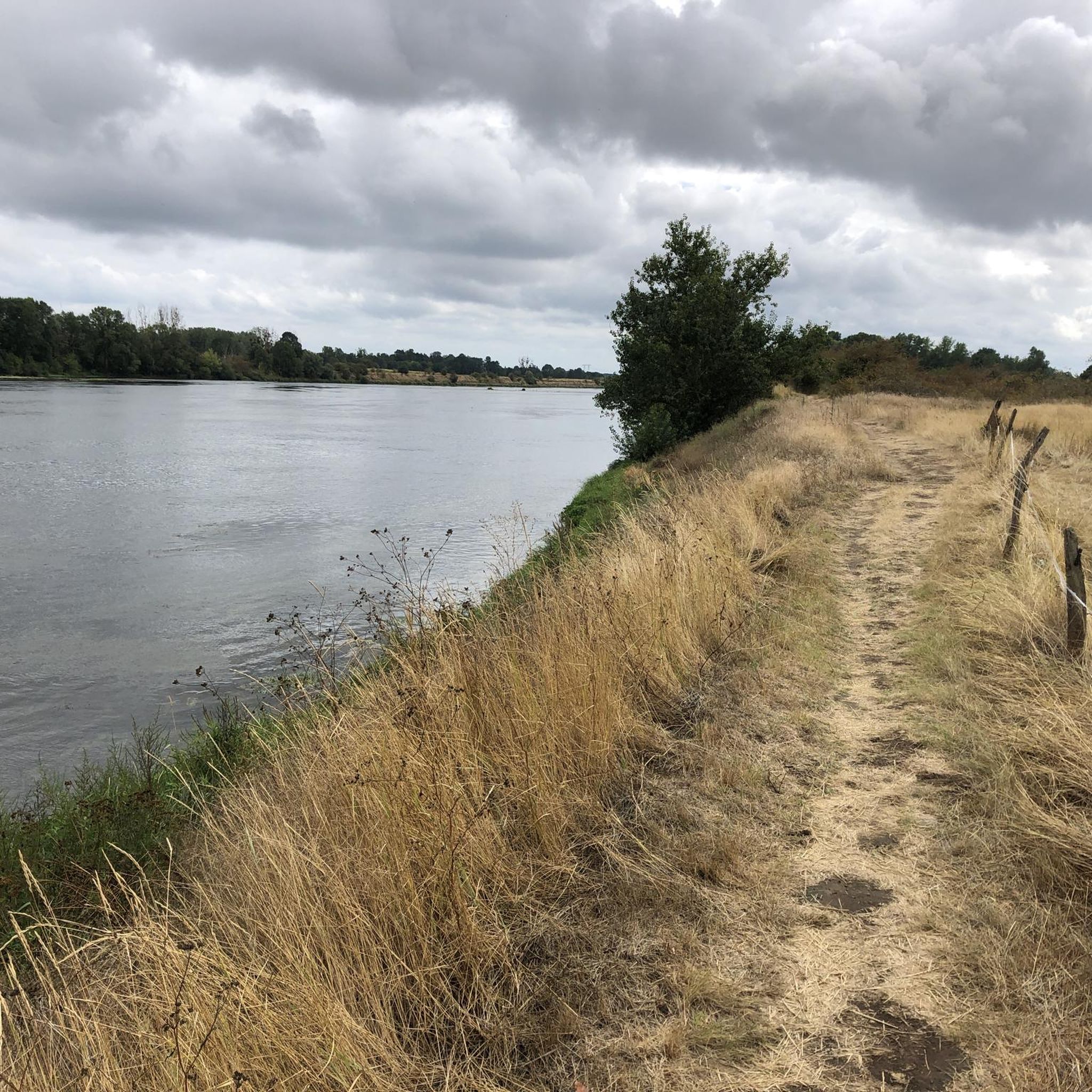
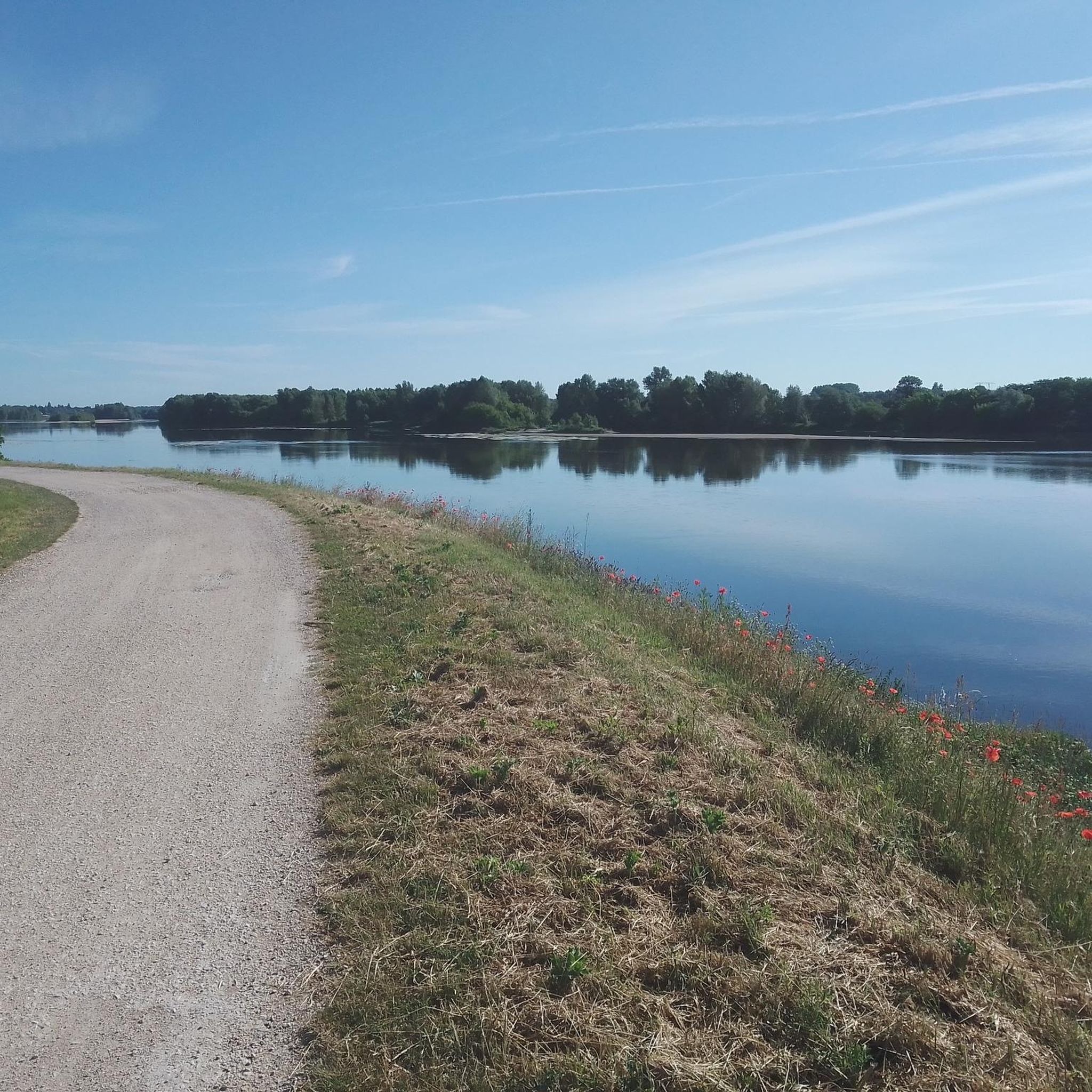
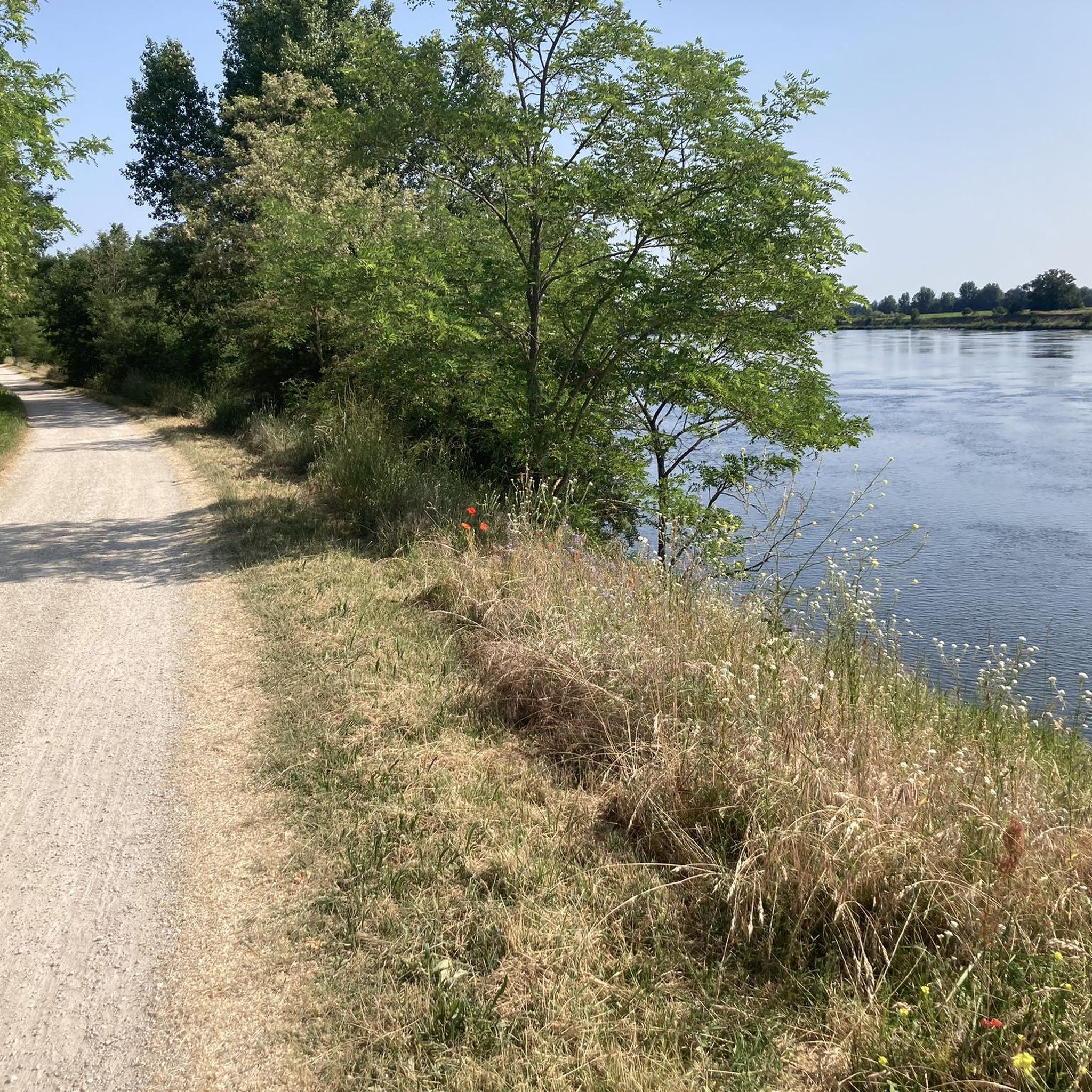
On 12/05/2026, the trail along the Cosson, starting from Boucles 02 and 16, near the castle, is impassable. Works?
0
0
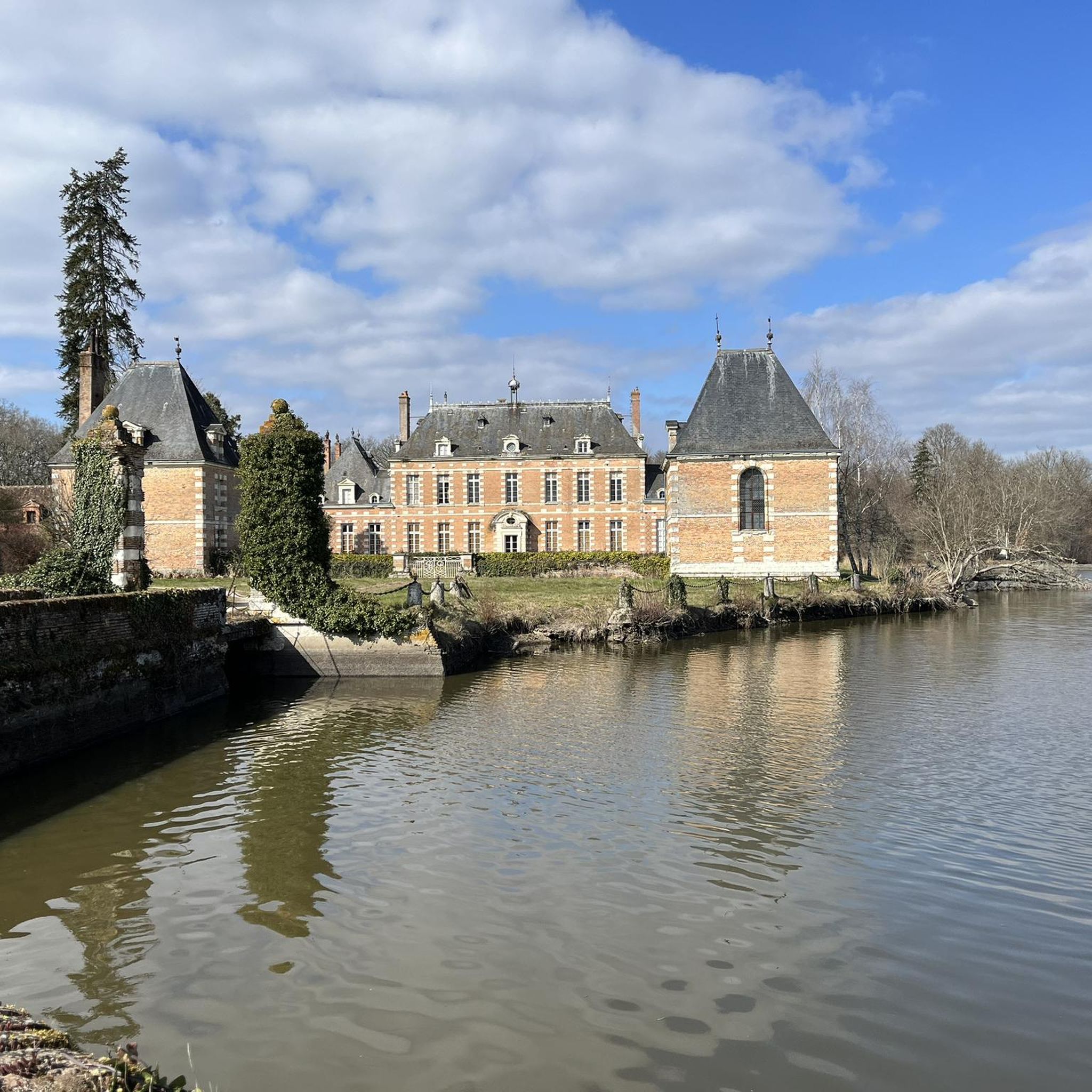
It's a beautiful castle, that's true, but in a state of disrepair...
0
0
Have you ever seen the Château de Bon Hôtel, known as "Le Petit Chambord", nestled in the Sologne forest in Ligny le Ribault?
0
0

The parish church, dedicated to Saint Stephen, belonged in the 13th century to the Abbey of Micy near Orléans. It was rebuilt at the end of the 15th and beginning of the 16th centuries. It consists of a long nave, 35 meters in length and over 9 meters wide, ending in a three-sided apse. Its walls, built of rubble and rendered brick, are reinforced by dressed stone buttresses. The cornice at the base of the roof and the window and door surrounds are also made of molded dressed stone. The double-lancet windows with trefoil topped by a figure-eight shaped bilobe are identical, except for those on the west facade and the central window, which are more elaborate, featuring three lancets while retaining the same molding. An addition was made at the beginning of the 16th century. On the north side stands an imposing seigneurial chapel and a massive bell tower with eight flat buttresses, two on each face, all built of brick. Ashlar is reserved for the buttresses of the bell tower and alternates with brick in the buttresses of the chapel; it is used for framing the openings, the windows, and the sloping sides of the chapel's gable. A lozenge-shaped decoration of black bricks on a background of pink bricks has been preserved on the lower level and on part of the gable of this chapel. The chapel was the only vaulted part of the church, undoubtedly financed by Jean or Claude d'Estampes, lord of La Ferté-Nabert. The rest of the building was covered by a panelled vault, the replacement of which with a false ribbed vault of plaster resulted in the disappearance of the tie beams and king posts and ruined the structural integrity of the roof frame. This artificial, cold, and superficial decoration of the upper sections deprives the interior of the interplay of tie beams and king posts. These, in their rhythm, corresponded to the lateral openings and reflected the robust structure of the timber frame that protected the building. A comprehensive restoration is planned. Initially, for the north chapel—masonry, roofing, and timber frame—the French Heritage Society (Sauvegarde de l’Art français) provided €30,490 in 2001.
0
0

Timeless road, moss in the middle of the road, but very smooth.
0
0

Magnificent castle lost in the forest
0
0

19th century castle, also called Petit Chambord, listed in the inventory of Historic Monuments since 1991. It was built to host hound hunts or social receptions. Private, it cannot be visited but is visible from the road.
1
0
Beautiful church in the heart of Chaumont-sur-Tharonne, on a pretty well maintained square. The houses around the square are also worth a look.
0
0
Frequently Asked Questions
What historical castles can I visit near Ligny-Le-Ribault?
You can explore the impressive La Ferté-Saint-Aubin Castle, a historical site constructed in 1625 and surrounded by a moat. It offers exploration of the castle, its gardens, and a 40-hectare natural park. While not open to the public, you can also admire the exterior of Château de Bon-Hôtel, also known as 'Le Petit Chambord', which is inspired by the grand Loire castles.
Are there any natural attractions or scenic viewpoints in the area?
Yes, the Scenic Road by the Ponds of Sologne offers a quiet, wooded drive with views of several characteristic Sologne ponds. The region is known for its picturesque landscape of forests, ponds, moors, and heather, making it ideal for nature lovers.
What cultural insights can I gain in Ligny-Le-Ribault?
Ligny-Le-Ribault offers a rich cultural experience. You can visit the Ecomuseum of Ligny-Le-Ribault to learn about ancient professions and daily life in a 19th and 20th-century Sologne village. The village also features traditional Sologne half-timbered or brick houses, and the Saint-Martin Church with its contemporary stained-glass windows and local terracotta tiles.
Are there family-friendly activities available around Ligny-Le-Ribault?
Absolutely. La Ferté-Saint-Aubin Castle is known for its family activities and events. The Scenic Road by the Ponds of Sologne is also suitable for families looking for a gentle natural experience. Additionally, the Pré des Saules (Willow Conservatory) offers a picnic area and a health path, perfect for a family outing.
Where can I experience the natural beauty of the Sologne region?
The Sologne region around Ligny-Le-Ribault is characterized by its forests, ponds, moors, and heather. The Cosson River flows through the area, offering fishing opportunities. For a unique natural experience, visit Le Pré des Saules (Willow Conservatory), which hosts over 40 different species of willows and serves as a starting point for various walking and cycling routes.
What kind of outdoor activities can I do near Ligny-Le-Ribault?
The area is excellent for outdoor enthusiasts. You can find numerous hiking trails crisscrossing the natural heritage. For cycling, there are dedicated Road Cycling Routes and MTB Trails, including loops around Sologne ponds and castles. Running enthusiasts can also find various Running Trails, such as the Bon-Hôtel Castle loop.
Is there a place to learn about traditional Sologne craftsmanship?
Yes, La Tuilerie de la Bretèche, the last artisanal brick and tile factory in Sologne, is a classified historical monument. Founded in 1890, it showcases traditional craftsmanship and the ancient art of terracotta production. Its products have even been used in renowned locations like the Palace of Versailles.
What is the 'deer slab' and where can I experience it?
The 'deer slab' refers to the roaring of stags during mating season. The forest massif around Ligny-Le-Ribault is considered one of the most important places in Europe to hear this natural phenomenon, as it shelters one of France's most beautiful deer populations. This is a unique seasonal experience for nature observers.
Are there any notable religious buildings to see?
You can visit the Saint-Martin Church in Ligny-Le-Ribault, which features contemporary stained-glass windows and a heart paved with local terracotta tiles. Nearby, the Saint-Étienne Church of Chaumont-sur-Tharonne is another significant religious building, rebuilt in the late 15th and early 16th centuries.
What do visitors particularly enjoy about the attractions near Ligny-Le-Ribault?
Visitors appreciate the blend of historical sites and natural landscapes. The castles, like La Ferté-Saint-Aubin Castle, are often highlighted for their historical significance and beautiful grounds. The serene and picturesque nature of the Sologne ponds, as seen from the Scenic Road by the Ponds of Sologne, is also a favorite among those seeking tranquility and natural beauty.
Can I see any other castles in the vicinity of Ligny-Le-Ribault?
Beyond the main attractions, you can also find Villebourgeon Castle, located north of Neung-sur-Beuvron. This castle is built of red bricks on the edge of a pond and is linked to the Louis XIII style. It was also a shooting location for the movie 'L'ECOLE BUISSONIERE'.
What is the best way to explore the natural heritage of Ligny-Le-Ribault?
The best way to explore the natural heritage is by utilizing the numerous hiking trails that crisscross the area. You can also start walking or cycling routes from Le Pré des Saules (Willow Conservatory). The region's forests, ponds, and moors provide a diverse landscape for exploration.
Most popular routes around Ligny-Le-Ribault

Get inspired with the komoot mobile app


Explore more
Still not found the Highlight you’re looking for? See guides of the top attractions in other regions:
