Attractions and Places To See around Chauny - Top 17
Attractions and places to see around Chauny offer a blend of historical sites, distinctive Art Deco architecture, and natural features. Located in the Aisne department of France, Chauny sits on the banks of the Oise River and the Saint-Quentin Canal. The town was largely rebuilt after World War I, resulting in a unique architectural style evident in its public buildings and churches. The surrounding region provides access to forests and historical monuments, making it a diverse area for exploration.
Best…
Last updated: July 15, 2026
Tergnier
Highlight • Settlement
After the First World War, the completely destroyed city had to be rebuilt: Tergnier thus became the site of the construction of …
Translated by Google •
Tip by

Manufacture des Glaces de Saint-Gobain
Highlight • Historical Site
Translated by Google •
Tip by

Sign up now to discover places like this
Get recommendations on the best single tracks, peaks, & plenty of other exciting outdoor places.
Sign up for free
Saint-Gobain Caves
Highlight • Cave
Translated by Google •
Tip by

Étang Montplaisir
Highlight • Lake
Translated by Google •
Tip by
Coucy Forest Gun Platform (38 cm SKL/45 Lange Max)
Highlight • Historical Site
This gun weighing 210 tons, fired only 90 rounds in 6 months.
Translated by Google •
Tip by

Sign up for free to discover even more attractions around Chauny.
Sign up for free
Already have an account?
Start today with a free account
Your next adventure awaits.
Login or Signup


Tips from the Community

In 1692, the Manufacture royale des Grandes Glaces was established in the abandoned castle of Saint-Gobain, which gave the later glass company Saint-Gobain its name. The factory developed and in 1986 it still supplied the glass for the pyramid of the Louvre. In 1993, it was announced that the factory would close and on 31 December 1995 the last activity of this historic establishment disappeared.
7
0
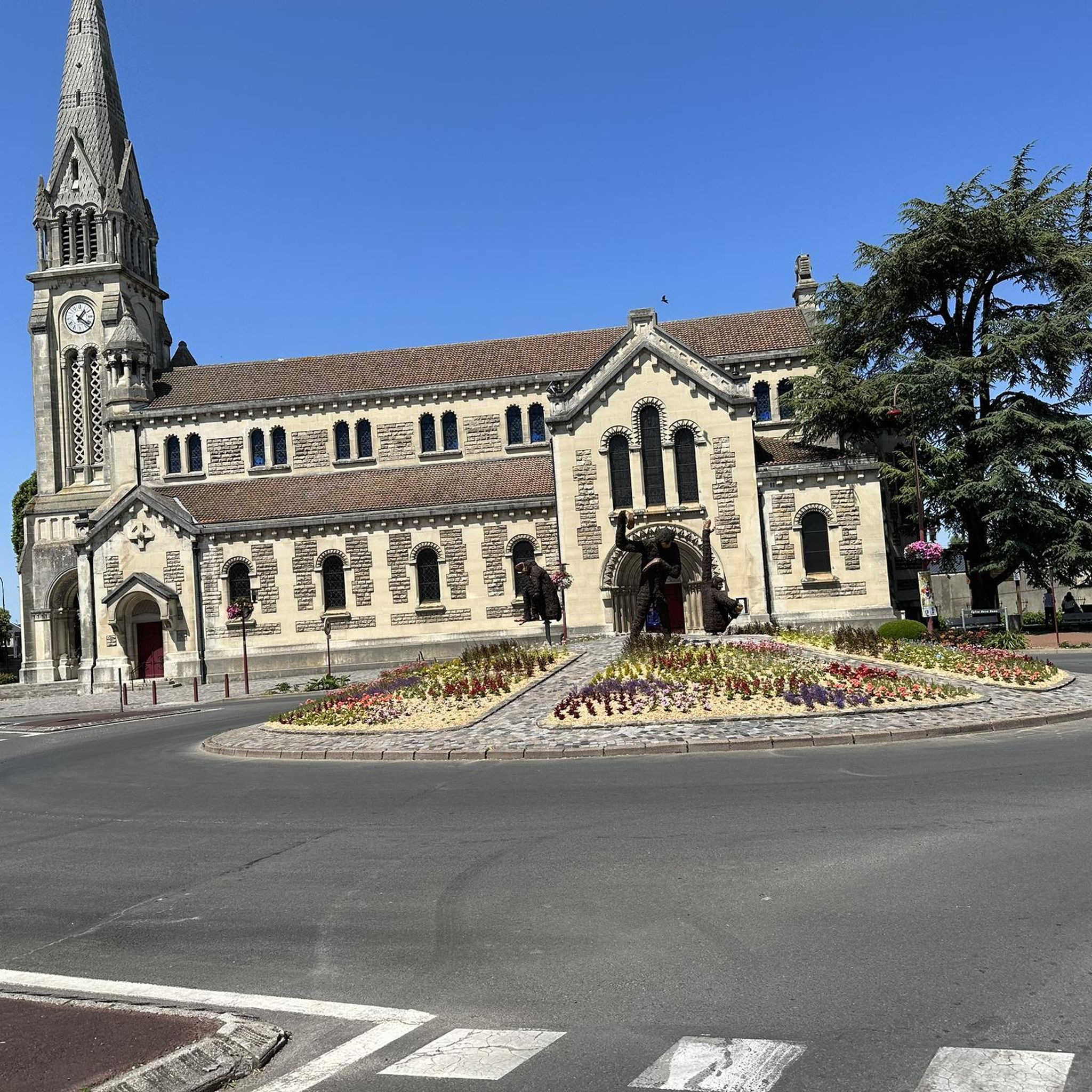
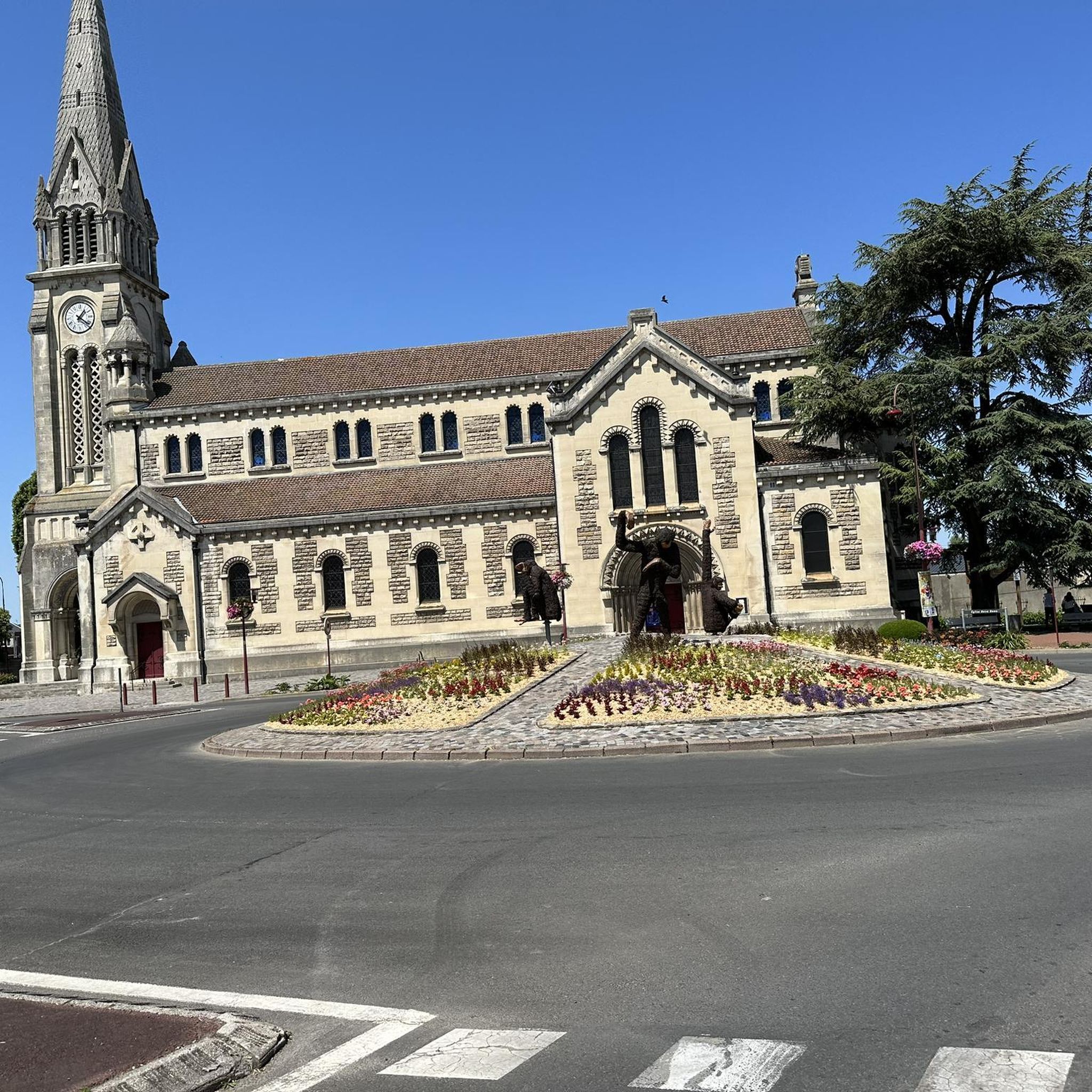
Tergnier where Art Deco is omnipresent. Its most representative examples are Place Carnégie (classified as a historic monument), the Town Hall and the Fargniers church. The media library, a former station buffet, is a site that became historic with the arrival of Victor Hugo in 1870 who had his first meal on French soil there upon his return from exile. The bell tower of the Veltin school, visible from rue de la Famille Sauvage (Quessy-Cité), still indicates the time of the bombing which ravaged the city on the night of April 10 to 11, 1944. Seven tourist signs, located in the city to constitute the Trails of Memory, retrace acts of war or resistance during the Second World War which took place in the territory.
6
0

The Saint-Gobain Caves are a series of natural caves in limestone cliffs. There you can admire impressive rock formations and dwellings from the past that you can explore.
3
0
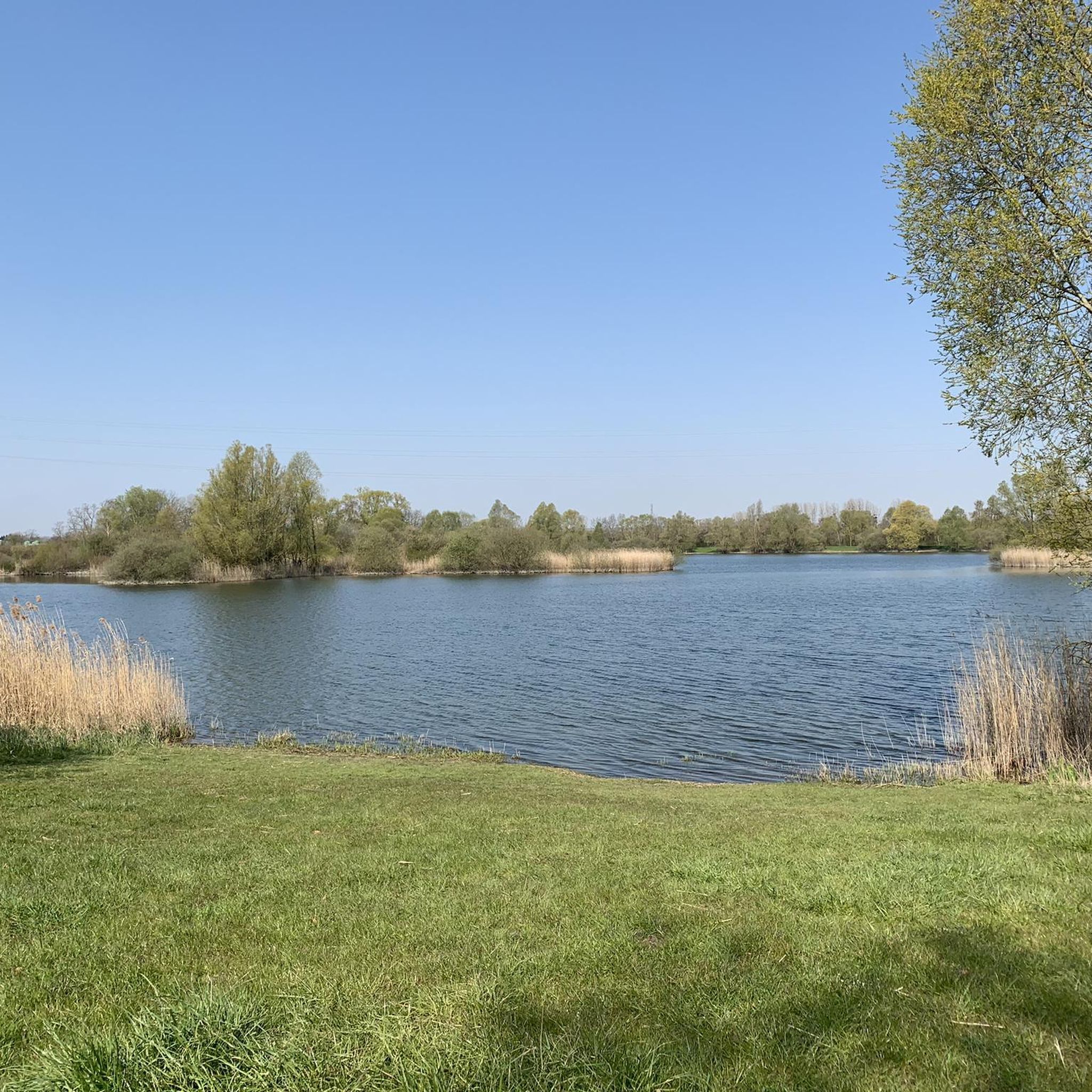
If you are looking for a peaceful and picturesque hike in Aisne, you can discover the Boucle de l'Etang Montplaisir. This loop trail takes you to the edge of two ponds, where you can enjoy views of the water and wildlife. The trail is largely flat and easy to follow. The hike is approximately 5 km and takes approximately an hour and a half. You can leave from the car park located near Chemin de la Pature. Happy hiking!
2
0

Tergnier is a garden city for railway workers. After the First World War, the completely destroyed city had to be rebuilt: Tergnier thus became the site of the construction of the largest garden city of the railway company. It was created in 1919 to accommodate railway workers (hence its name). Very influenced by the art deco style of these years of the beginning of the 20th century, one finds there more surprisingly many Masonic symbols while browsing its streets.
3
0

Platform of the Coucy 38 cm SKL / 45 Lange Max cannon, which was wrongly called "La Grosse Bertha". This gun weighing 210 tons, fired only 90 rounds in 6 months.
1
0

Frequently Asked Questions
What historical sites can I explore around Chauny?
Chauny and its vicinity offer several significant historical sites. You can visit Tergnier, a town known for its Art Deco architecture and the Museum of the Resistance and Deportation. Another notable site is the Manufacture des Glaces de Saint-Gobain, a former Royal Glass Manufactory established in 1692. History enthusiasts might also be interested in the Coucy Forest Gun Platform (38 cm SKL/45 Lange Max), a historical site from World War I. Further afield, the impressive Château de Coucy, a UNESCO World Heritage site, is approximately 13 km away, and Ourscamp Abbey is about 21 km from Chauny.
Where can I see examples of Art Deco architecture in Chauny and its surroundings?
Chauny was largely rebuilt in the Art Deco style after World War I. Key examples within the town include the Chauny Station, Indoor Market, and City Hall, which features particularly representative interiors. The Église Saint-Martin (built 1927) and the Église Notre-Dame (founded 1930) are also significant Art Deco churches. Nearby, Tergnier is another excellent place to experience Art Deco, especially around Place Carnégie and its Town Hall, as it was rebuilt as a garden city for railway workers in this distinctive style.
Are there any museums or cultural centers in Chauny?
Yes, Chauny has a Municipal Museum that houses approximately 300 artifacts, including geological collections, Gallo-Roman pottery, and Sinceny earthenware. For contemporary culture, the Cultural Centre Le Forum is a modern theatre and cultural hub hosting exhibitions and performances. Additionally, the nearby town of Tergnier features a Museum of the Resistance and Deportation.
What natural features and outdoor spaces are there to enjoy near Chauny?
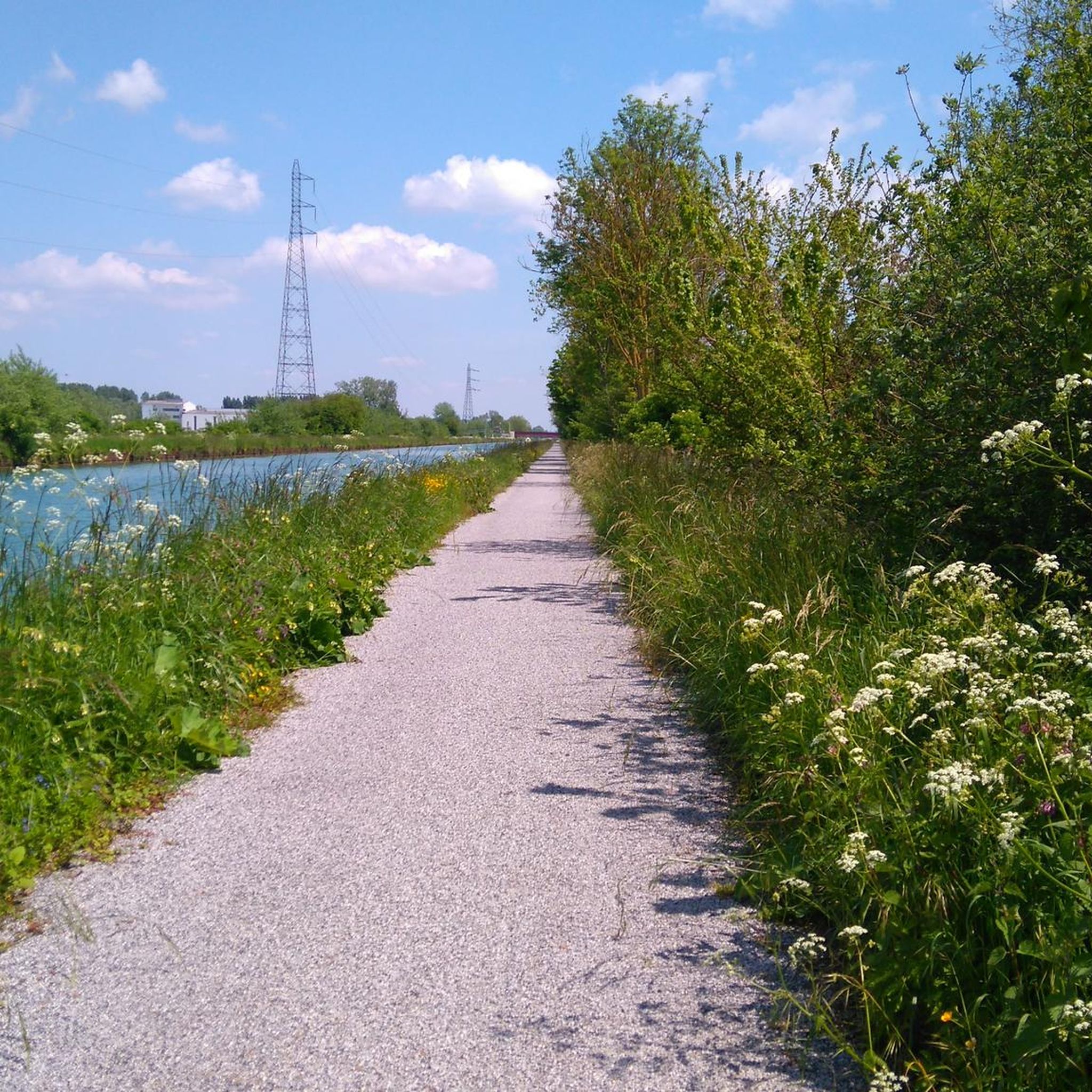
Chauny is situated on the banks of the Oise River and the Saint-Quentin Canal, which are active waterways popular with boaters. The town also has the Parc des Promenades, built on old city ramparts, offering a fitness trail. For more extensive natural exploration, Chauny is close to several large forests, including the Forêt de Laigue (26km away), the Forêt de Compiègne (35km away), and the Forest of Saint-Gobain and Coucy Basse, which offers beautiful hikes to places like the rocks of the Hermitage.
Are there opportunities for hiking or walking around Chauny?
Yes, the region around Chauny offers various hiking and walking opportunities. The nearby forests like Forêt de Laigue, Forêt de Compiègne, and the Forest of Saint-Gobain provide numerous trails. For specific routes, you can explore options like the easy 'Étang Monplaisir — loop from Viry-Noureuil' or the moderate 'Étang de Villette loop from Ognes'. You can find more detailed hiking routes and guides at Hiking around Chauny.
What kind of cycling routes are available near Chauny?
The area around Chauny is well-suited for cycling. For mountain biking, there's a Cross-country area with jumps and routes like 'Chemin Rural de la Thiérache – Mountain bike outing loop from Chauny'. Road cyclists can enjoy routes such as 'On the trails of the Paris Chauny circuit' or 'View of the Castle – Coucy-le-Château-Auffrique loop from Chauny'. More cycling options are available in the guides for MTB Trails around Chauny and Road Cycling Routes around Chauny.
Are there any family-friendly attractions or activities in the Chauny area?
While specific family-focused attractions are not detailed, the general outdoor spaces offer family-friendly activities. The Parc des Promenades in Chauny has a fitness trail and areas for Jeu de Paume and Archery. Exploring the canals and locks can also be an interesting activity for families. The nearby forests provide opportunities for easy walks and picnics. The town of Tergnier, with its unique garden city layout and Art Deco architecture, can also be an engaging visit for families interested in history and urban design.
What are some less crowded outdoor spots or hidden natural gems near Chauny?
For those seeking quieter natural spots, consider exploring the various smaller forests and natural areas surrounding Chauny beyond the main ones. The Forest of Saint-Gobain and Coucy Basse, for instance, offers beautiful hikes to the rocks of the Hermitage, which might be less frequented than larger, more well-known forests. The canals and locks, such as at The Y point on the Canal de l'Oise, offer peaceful waterside strolls.
What is the best time of year to visit Chauny for outdoor activities?
The best time to visit Chauny for outdoor activities is generally during the spring (April to June) and autumn (September to October) months. During these periods, the weather is typically mild and pleasant, ideal for hiking, cycling, and exploring the forests and canals. Summer can also be enjoyable, though it can be warmer, while winter might limit some outdoor options due to colder temperatures and shorter days.
Can I find any unique gardens in the vicinity of Chauny?
Yes, there are several notable gardens in the vicinity that offer a different kind of outdoor experience. You can visit the Jardin Des Monterelles in Baboeuf or the Jardins Du Nouveau Monde in Blérancourt. These gardens provide tranquil settings and beautiful landscapes for a leisurely visit.
What do visitors enjoy most about the attractions around Chauny?
Visitors appreciate the blend of historical significance and distinctive architecture, particularly the Art Deco style found in Chauny and Tergnier. The historical sites like the Manufacture des Glaces de Saint-Gobain and the Coucy Forest Gun Platform offer unique insights into the region's past. Many also enjoy the opportunities for outdoor activities, from exploring the canals to mountain biking in areas like the Cross-country area with jumps.

Get inspired with the komoot mobile app


Explore more
Still not found the Highlight you’re looking for? See guides of the top attractions in other regions:
