Attractions and Places To See around Chavignon - Top 20
Best attractions and places to see around Chavignon are found in this commune in the Aisne department of the Hauts-de-France region. Chavignon is notable for its historical significance, particularly the Fort de la Malmaison, which played a role in World War I. The area is also characterized by the confluence of the Ardon and Ailette rivers. Its location provides access to several historical and natural sites in the broader region, including the nearby city of Laon.
Best attractions and places…
Last updated: November 1, 2026
Notre-Dame Cathedral
Highlight • Other
Translated by Google •
Tip by

Porte d'Ardon
Highlight • Monument
Translated by Google •
Tip by
Sign up now to discover places like this
Get recommendations on the best single tracks, peaks, & plenty of other exciting outdoor places.
Laon Old Town — Murals and Fortifications
Highlight • Historical Site
Translated by Google •
Tip by

Porte de Soissons
Highlight • Other
Translated by Google •
Tip by
Morlot Battery
Highlight • Monument
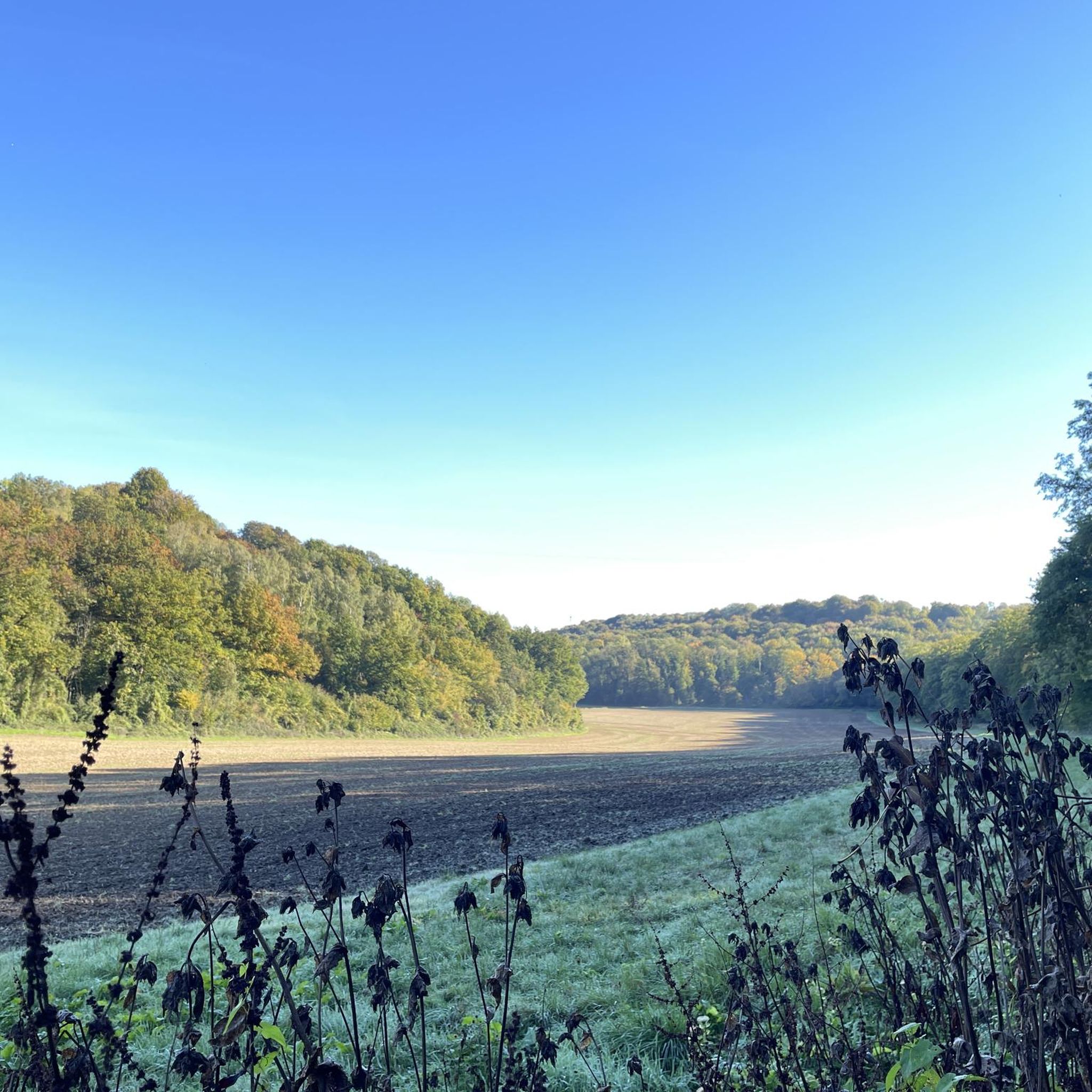
Today a nice picnic spot with a beautiful view of the surroundings. From here you can also see the cathedral.
Translated by Google •
Tip by
Sign up for free to discover even more attractions around Chavignon.
Already have an account?
Start today with a free account
Your next adventure awaits.
Tips from the Community

The fort was built in 1878 by Séré de Rivières to enable military communication with other forts in the Laonais. The core was an optical telegraph, consisting of a petroleum lamp and a set of mirrors, with which sunbeams could be captured and directed. This allowed messages to be sent to six surrounding forts, which were invisible to the enemy below. From this hill, you have a magnificent view of the lower town of Laon and the Chemin des Dames! Source: https://www.tourisme-paysdelaon.com
1
0


The Porte d’Ardon is one of the medieval city gates of Laon. The current structure dates from the 13th and 14th centuries. Originally, this gate was called “Porte Royée” because of its proximity to the royal palace of Laon. The gate consists of a châtelet with a portcullis and used to have doors. There was also a barbican, but this has now disappeared. Under the gate there was a fountain and wash houses, some of which still exist. The Porte d’Ardon was classified as a historical monument in 1909.
10
0
This fort was put into use in 1878 to protect Paris as a last line of defense. Today a nice picnic spot with a beautiful view of the surroundings. From here you can also see the cathedral.
11
1
The Porte de Soissons is a medieval city gate in Laon. It is one of the three remaining city gates of Laon and was built at the beginning of the 13th century when the fortifications were resumed. The gate is located in the south-west of the medieval city and is built of sandstone and limestone. The gate was originally known as the Porte Saint-Martin or Soibert, but was later renamed after the nearby town of Soissons. The rear of the gate (which was demolished in 1895) offers a cross-section of this type of defensive system: a vaulted room on the first floor, giving access to the harrow and the machicolation.
12
1

Here, the city walker will find an early masterpiece of Gothic architecture, a style often found in this part of France – Chartres and Reims, for example, attract enthusiastic international visitors and are far more famous than Laon. In the following 13th century, many Gothic churches were built, not only in their country of origin, France, but also beyond the country's borders, where this sky-high, light-filled architectural style was now in great demand for new churches (for example, the laying of the foundation stone for Cologne Cathedral in 1248).
3
0

Loan is a medieval town on a mesa. A trip is very worthwhile! I would always prefer visiting Reims.
1
1
Frequently Asked Questions
What historical sites can I explore near Chavignon?
Chavignon is a great base for exploring significant historical sites. You can visit the impressive Notre-Dame Cathedral in Laon, a prime example of early Gothic architecture. The medieval Laon Old Town — Murals and Fortifications, with its extensive protected area, is also a must-see. Additionally, the Saint-Martin Abbey, founded in 1124, offers another glimpse into the region's rich past.
Are there any World War I historical sites in or near Chavignon?
Yes, Chavignon itself is home to the
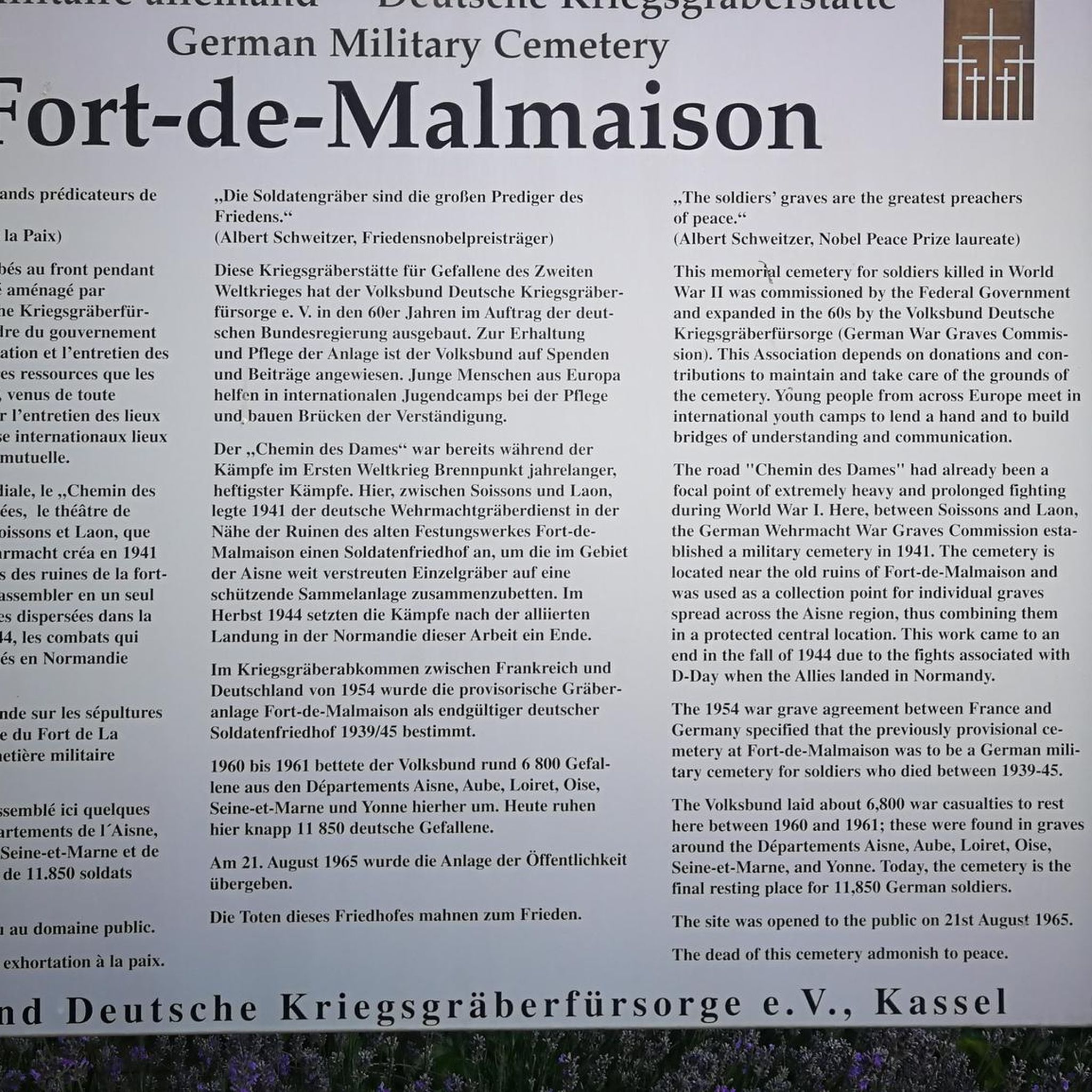
Fort de la Malmaison, a significant World War I landmark. While visits are currently suspended for safety, its ruins mark a key site of the Battle of La Malmaison. The broader region also features the Chemin des Dames, a historic ridge that was central to many WWI battles.
What natural features are prominent around Chavignon?
Chavignon is located at the confluence of the Ardon and Ailette rivers, offering scenic river landscapes. The banks of the Ailette River are particularly picturesque, and the area provides access to views of Lake Ailette, which is often featured in local cycling and gravel biking routes.
What kind of walking or hiking trails are available around Chavignon?
The area around Chavignon offers various walking and hiking opportunities. While specific hiking trails are not detailed in the highlights, you can find numerous routes for different skill levels. For more information on routes, including easy and moderate options, check out the Chavignon guide page.
Are there opportunities for cycling or mountain biking near Chavignon?
Absolutely! The region around Chavignon is well-suited for cycling and mountain biking. You can explore various routes, from easy gravel biking trails around Lake Ailette to more challenging MTB trails. Discover detailed routes and guides for MTB Trails around Chavignon, Gravel biking around Chavignon, and Cycling around Chavignon.
Are there family-friendly attractions in the area?
Beyond historical exploration, the broader region offers family-friendly options. The Axo'Plage leisure park is mentioned as a nearby area, providing recreational activities suitable for families. The scenic riverbanks and various outdoor routes also offer opportunities for family walks and bike rides.
What is the best time of year to visit Chavignon and its surroundings?
The best time to visit Chavignon and its surroundings generally depends on your preferred activities. Spring and autumn offer pleasant temperatures for exploring historical sites and engaging in outdoor activities like cycling and walking. Summer is ideal for leisure activities, while winter walks can also be charming, especially around the historic towns.
What do visitors particularly enjoy about the attractions near Chavignon?
Visitors frequently praise the rich historical significance and architectural beauty of the area. The Notre-Dame Cathedral is often highlighted for its early Gothic grandeur, and the Laon Old Town is appreciated for its medieval charm and extensive protected area. The medieval city gates like Porte d'Ardon are also popular for their historical context and preservation.
Is Laon Old Town worth visiting, and what makes it special?
Yes, Laon Old Town is definitely worth visiting. It's a historic fortified town situated on a table mountain, boasting numerous medieval buildings. It's recognized for having the largest contiguous protected area in France, offering a unique atmosphere with its ancient walls, murals, and stunning views from various points.
Are there any specific medieval city gates to see in Laon?
Laon features several well-preserved medieval city gates. The Porte d'Ardon, dating from the 13th and 14th centuries, is a notable example and was classified as a historical monument. Another significant gate is the Porte de Soissons, built in the early 13th century, which served as a fortified entrance to the medieval town.
Are there any hidden gems or lesser-known spots worth discovering?
While the main attractions are well-known, exploring the smaller streets and alleys of Laon Old Town can reveal charming murals and quiet corners. The Saint-Martin Abbey, though significant, might be considered a quieter historical site compared to the cathedral, offering a serene experience of medieval architecture.
Most popular routes around Chavignon

Get inspired with the komoot mobile app


Explore more
Still not found the Highlight you’re looking for? See guides of the top attractions in other regions:
