The best road cycling routes around Échebrune
4.7
(14)
360
riders
159
rides
Road cycling routes around Échebrune are situated in the "Petite Champagne" area of Charente-Maritime, France. The region is characterized by extensive vineyards and gentle terrain, making it suitable for road cycling. Routes often follow small roads and agricultural paths that wind through this agricultural landscape. The area offers a network of routes with modest elevation changes, providing accessible cycling experiences.
Best road cycling routes around Échebrune
- The most popular road cycling route is Saint-Sauvant, Chaniers and Chadenac loop, a…
Last updated: November 13, 2026
2
riders
84.5km
03:36
470m
470m
Moderate road ride. Good fitness required. Mostly well-paved surfaces and easy to ride.
12
riders
110km
04:30
500m
500m
Moderate road ride. Good fitness required. Mostly well-paved surfaces and easy to ride.

5.0
(2)
9
riders
66.2km
02:44
320m
320m
Moderate road ride. Good fitness required. Mostly well-paved surfaces and easy to ride.
12
riders
43.6km
01:51
260m
260m
Easy road ride. Mostly well-paved surfaces and easy to ride.
7
riders
40.5km
01:40
230m
230m
Easy road ride. Mostly well-paved surfaces and easy to ride.
Get access to more routes and recommendations from other explorers.
Already have an account?
Our route recommendations are based on thousands of hikes, rides, and runs completed by other people on komoot.
Start today with a free account
Your next adventure awaits.
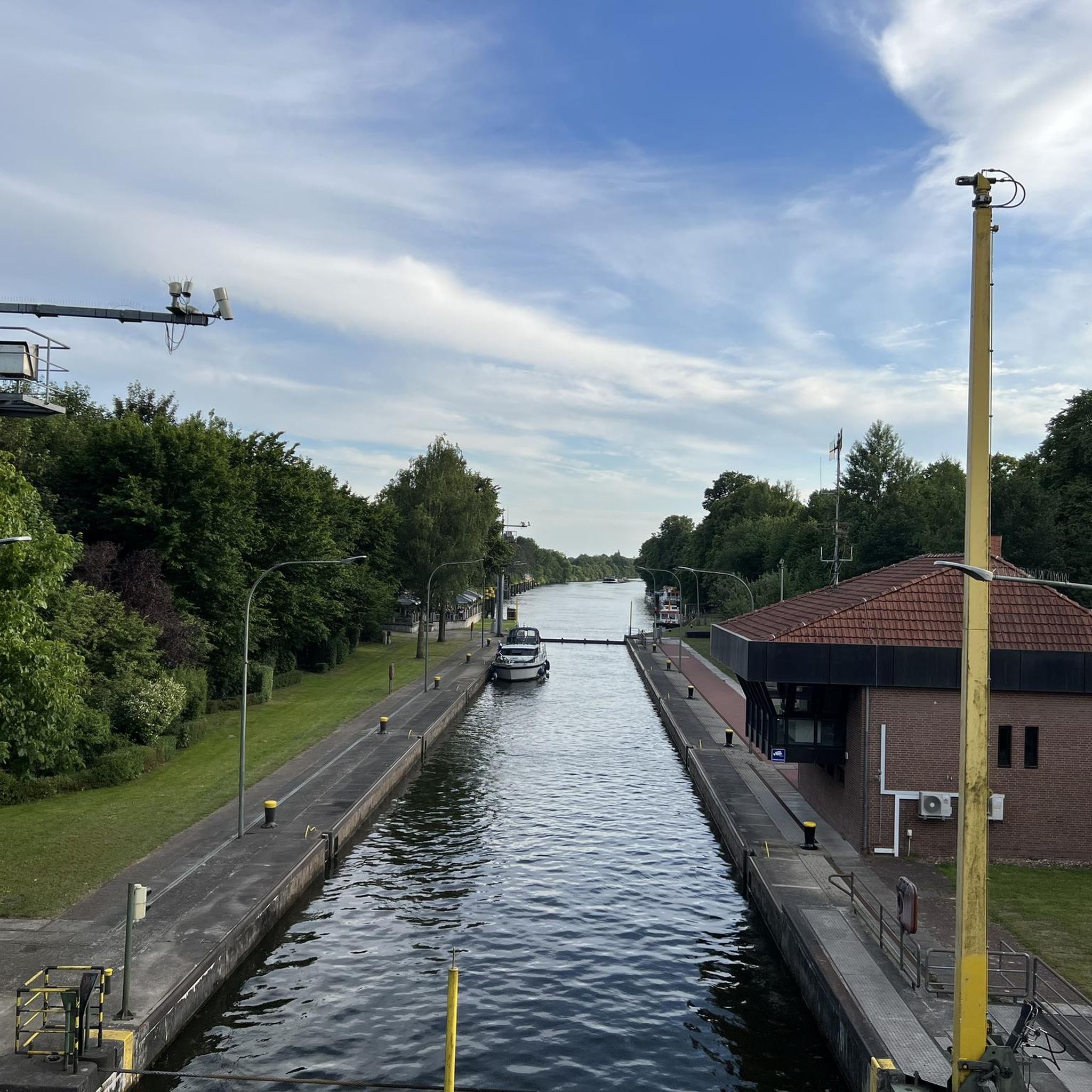
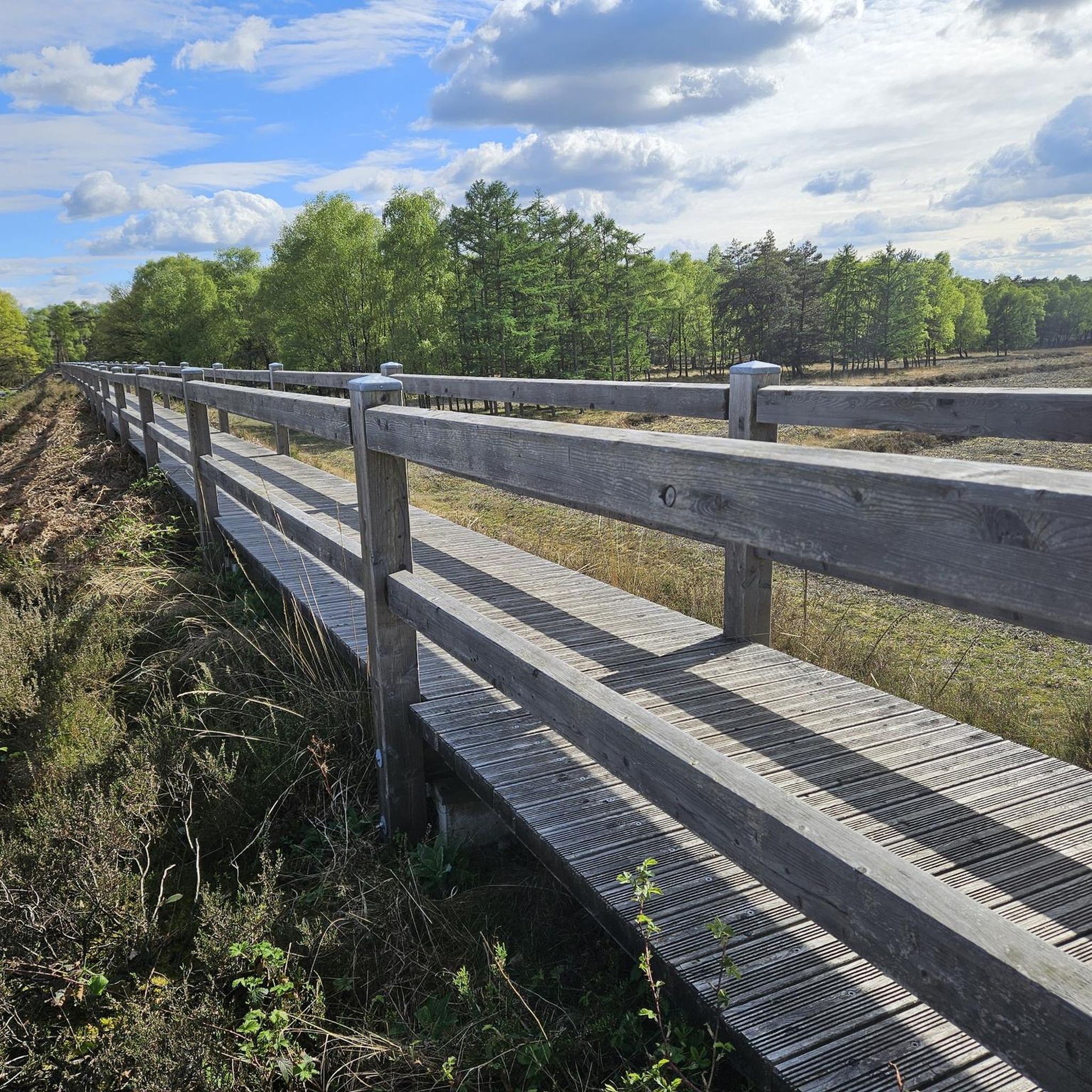
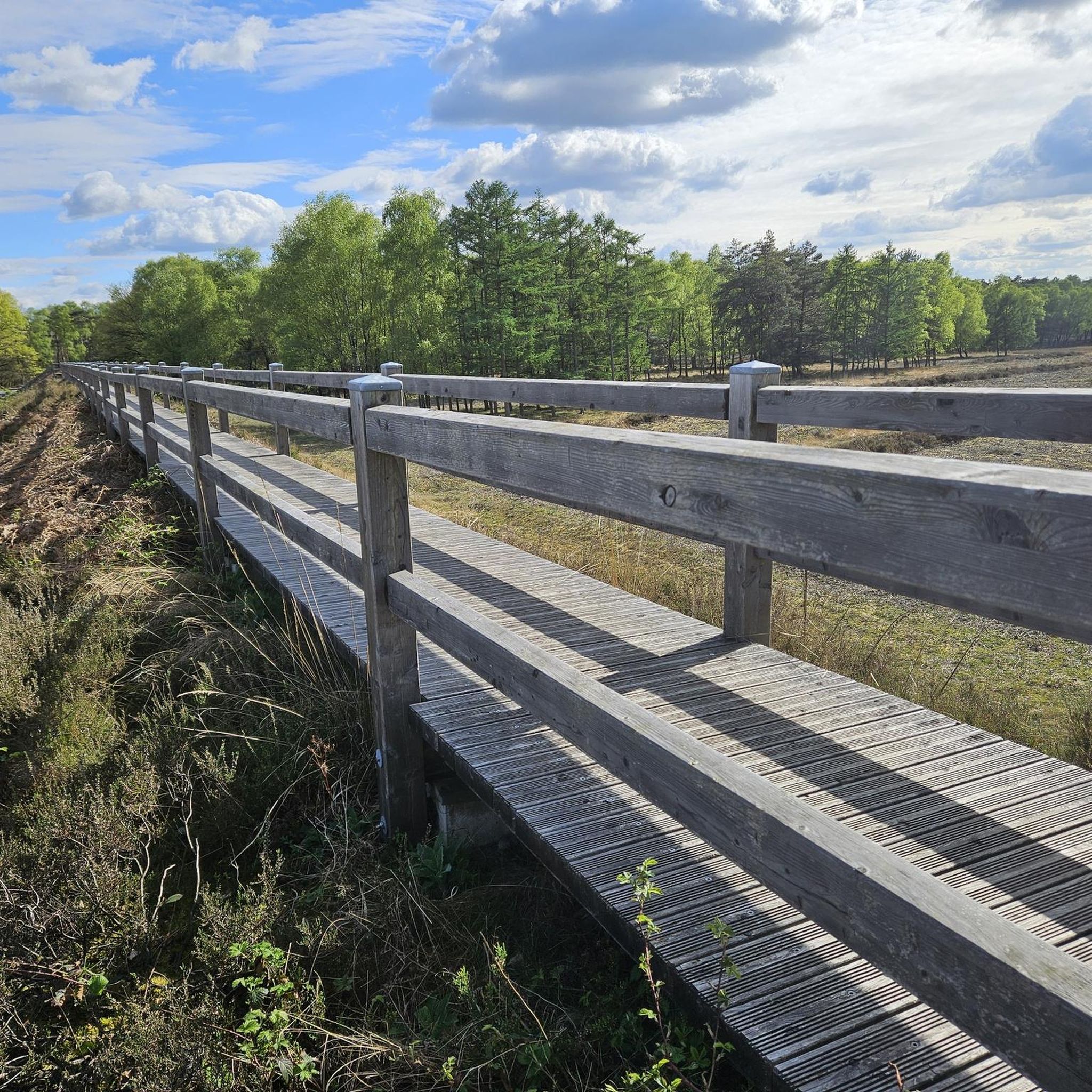
Tips from the Community

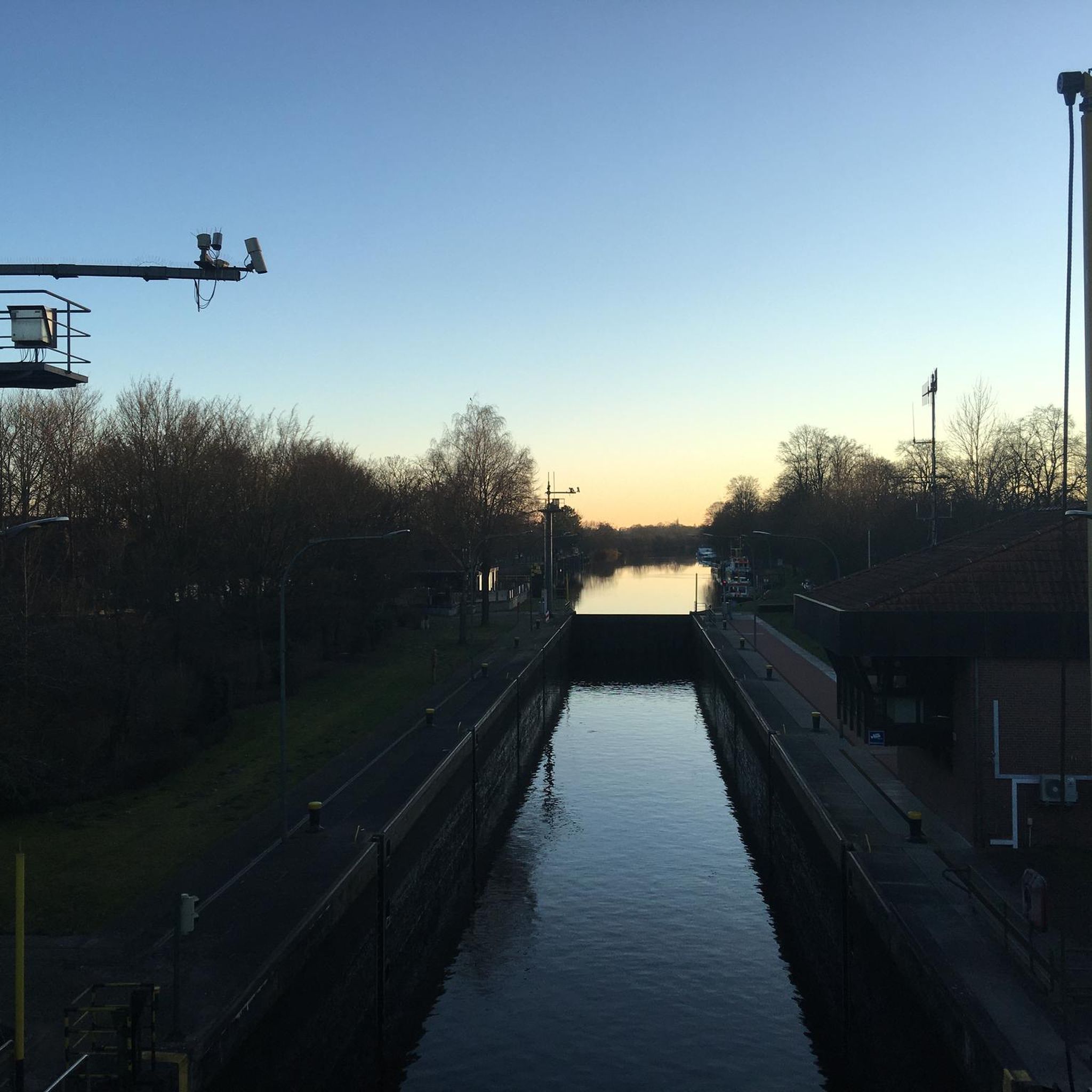
The site of La Baine, in Chaniers, predates the current mill. 14th century: the first attested mills A document dated 1310 mentions cloth mills at La Baine. They were built on piles driven into the riverbed and were used, among other things, for fulling fabrics. These mills then belonged to the dean and chapter of the cathedral of Saintes. They had been destroyed a few years earlier by the Count of la Marche. In 1313, the chapter obtained authorization to rebuild two mills, a weir, and a fishery. 17th century: Colbert's royal mill It was in the 17th century that La Baine gained considerable importance. A complex of five wheat mills was rebuilt on a secondary branch of the Charente, which was not used for navigation. Around 1630, the mills belonged to the brothers Charles and Jacques Duval, who held the beneficial ownership, while the lordship of Chaniers was under the chapter of the Saint-Pierre de Saintes cathedral. Then came Jean-Baptiste Colbert, minister to Louis XIV and Secretary of State for the Navy. Around 1670, Colbert had the mill redeveloped and enlarged to considerably increase its production capacity. The new complex had seven water passages and thus became one of the most powerful mills in the region. Why was Colbert interested in La Baine? The reason was directly linked to the creation and development of the Rochefort arsenal. The mill primarily produced wheat and barley flour intended for the sustenance of the Royal Navy sailors. The grains arrived via the Charente aboard gabares (flat-bottomed barges). After delivering their cargo to the mill, the gabares departed with the flour destined, among other places, for Rochefort. The mill of La Baine was therefore part of a true royal industrial and logistical system organized around the Charente and Rochefort. 19th century: gradual transformation In the 19th century, milling activity continued. The old mills gradually became a true industrial establishment. In 1845, the site was operated by five different millers. From 1897, the complex was gradually brought together by Mr. Lardy, who modernized the facilities and introduced machinery. His son Rémy Lardy succeeded him. 20th century: the flour mill In the 1930s, the mill had become a true industrial flour mill. Its capacity reached about 50 quintals of wheat per day. In 1936, the hydraulic power was supplied by several wheels about 5 meters in diameter. The total water intake was about 4 meters, with a head of 1.50 meters. The facilities included, among other things: two double grinders; a double converter; a pair of millstones; a plansichter; five purifiers. Milling activity finally ceased in the mid-20th century, with sources placing the end of industrial activity around the years 1940-1960, depending on whether one refers to the flour mill or the complete disappearance of milling activity. Today The building has been preserved and transformed into a restaurant, while retaining remarkable elements of its industrial past, notably the wheel and part of the old machinery. The Moulin de la Baine is now located at 14 rue Colbert, 17610 Chaniers, directly above the Charente. A particularly interesting point The mill, the dam, and the locks form an inseparable historical ensemble. The current dam has, however, undergone modern transformations: a prefectural decree from 2012 classifies the hydraulic structure of the Moulin de La Baine as a Class D dam, among other things.
0
0
🏛️ Construction: 18-19 AD The arch was built around 18-19 AD, during the reign of Emperor Tiberius. It stood at the entrance to the Roman bridge crossing the Charente, at the outlet of the Via Agrippa, which connected Lyon to Saintes. It is therefore not truly a "triumphal arch": it was both a road monument and a monumental gate marking the entrance to Mediolanum Santonum, the capital of Roman Aquitaine. 👤 Who had it built? The arch was financed by Caius Julius Rufus, a Romanized notable from Saintonge. He dedicated it to Tiberius as well as his nephew Germanicus. The inscriptions engraved on the entablature still allow us today to know the figures to whom it was dedicated. The name "Arch of Germanicus" therefore comes from this dedication, and not from the fact that Germanicus personally had the arch built or crossed it. 🏗️ A rather exceptional monument The arch has two bays, likely allowing for the differentiation of traffic flows. It measures approximately 15 m high by 16 m wide. Its Corinthian and composite capitals bear witness to particularly meticulous Roman architecture. It constituted a true demonstration of the power and Romanization of Saintes. ⚠️ The moment the arch almost disappeared This is probably the most interesting episode in its history. For centuries, the arch was always located at the level of the Roman bridge and then the medieval bridge, on the right bank of the Charente. In the 19th century, the old bridge had become dilapidated. When it was decided to demolish it, around 1843, the arch was also threatened with destruction. It was then that Prosper Mérimée, Inspector General of Historical Monuments, intervened. He advocated for its preservation and arranged for its dismantling, relocation, and reassembly on the new bank. Another figure is also associated with this preservation: Victor Hugo, who stayed in Saintes in September 1843 and intervened in favor of the monument's conservation with Mérimée. 📍 Why is the arch no longer exactly in its ancient location? The arch we see today, on Place Bassompierre, is therefore no longer in its original location. It was moved a few dozen meters during the transformation of the quays and the disappearance of the old bridge. It was dismantled stone by stone and then reassembled in order to preserve it. It is now located in the immediate vicinity of the ancient Roman bridge crossing. 🏛️ Protection The Arch of Germanicus was finally classified as a historical monument in July 1905. An interesting detail The Crazannes quarries, located near Saintes, supplied a limestone widely used in the region's ancient constructions. Crazannes stone was notably used for monuments such as the Arch of Germanicus. In summary: 18-19 → construction of the arch at the entrance to the Roman bridge ↓ Antiquity → Middle Ages → the arch remains associated with the crossing of the Charente ↓ 1843 → demolition of the old bridge and threat to the arch ↓ 1843-1844 → Mérimée's intervention and relocation of the arch ↓ 1905 → classified as a Historical Monument
0
0

You can also spend a night at the Saint James House B&B, quality guest rooms, swimming pool and view of the Donjon 🙂
0
0

The Abbaye-aux-Dames is built around the church of Sainte-Marie, built in the twelfth century. Famous for its facade and its characteristic "pinecone" bell tower, it is one of the emblematic monuments of Saintonge's Romanesque art. After several wars and fires, the place was restored in the 1970s and 1980s and is now a hotel. When you walk through the long corridors you feel like you have been transported back to the time when the abbey was still alive.
4
0

The keep of Pons is located in the commune of Pons in the French department of Charente-Maritime in the Nouvelle-Aquitaine region. This tower is the old keep of the castle of Pons. 33 m high, it is visible from a long distance and is the symbol of the city. With the Saint-Gilles chapel, the remains of the ramparts and the main building, it constitutes the remains of the ancient castle of Pons.
1
0
Like many amphitheaters in the Roman Empire, that of Saintes was built on the outskirts of the city in a place now called "Vallon des Arènes" (Little Valley of the Amphitheater). The LTS builders took advantage of the local topography to build part of the amphitheater. Today, despite the disappearance of its superstructure, the remains give a very good idea of what this amphitheater looked like in its heyday. The site is now open to visitors all year round.
6
0

A former Benedictine abbey created in 1047, Abbaye-aux-Dames was the first women's monastery in Saintonge. These powerful women were nuns, that is to say, nuns living cloistered and having taken a vow of piety, occupying their lives in contemplation. They carried the crosier, in other words the pastoral staff of a bishop, and minted coins. Richly endowed, the abbey carried its influence well beyond the borders of the county and over time it became one of the most powerful women's monasteries in all of South-West France. With up to a hundred nuns at its peak, it was entrusted with the mission of instructing young girls, often from the French nobility, and counted among its most illustrious residents the future Marquise de Montespan, favorite of Louis XIV. The Abbaye-aux-Dames is structured around the Sainte-Marie church, built in the 12th century, famous for its facade and its characteristic “pine cone” bell tower. The premises were restored during the 1970s and 1980s and now house a Cité de la musique in which the Saintes Festival dedicated to classical music takes place each year. You can also stay in a wing of the building, the cells having been converted into hotel rooms, and leave your bike in a secure room.
0
0

Built in the 11th and 12th centuries, this church, listed as a historic monument in 1912, is a spectacular work of art. Well worth the drive past when crossing town!
0
0
Frequently Asked Questions
How many road cycling routes are available around Échebrune?
There are nearly 160 road cycling routes around Échebrune, offering a wide variety of options for different skill levels. These routes navigate through the picturesque "Petite Champagne" area, characterized by its extensive vineyards and gentle terrain.
What kind of terrain and difficulty can I expect from road cycling routes in Échebrune?
The road cycling routes in Échebrune are primarily characterized by gentle terrain, winding through vast vineyards on small roads and agricultural paths. You'll find a good mix of options, with nearly 50 easy routes, over 100 moderate routes, and a few more challenging options for experienced cyclists. The modest elevation changes make the area accessible for many.
Are there any family-friendly road cycling routes in Échebrune?
Yes, the gentle terrain and network of small, quiet roads around Échebrune make it suitable for family-friendly cycling. Many of the nearly 50 easy routes are ideal for families looking for a pleasant ride through the vineyards without significant climbs. The region's focus on agricultural paths also means less traffic.
What are the best times of year for road cycling in Échebrune?
The best seasons for road cycling in Échebrune are typically spring and autumn. During these times, the weather is generally mild and pleasant, making for comfortable rides through the vineyards. Summer can also be enjoyable, but it's advisable to cycle in the mornings or late afternoons to avoid the midday heat.
Are there circular road cycling routes available around Échebrune?
Yes, many of the road cycling routes around Échebrune are designed as loops, allowing you to start and finish in the same location. For example, the Moulin de la Seugne loop from Pérignac offers a moderate 76.8 km ride through rural scenery and vineyards.
What can I see along the road cycling routes around Échebrune?
While cycling through the vineyards of Petite Champagne, you'll encounter charming villages and historical sites. Notable attractions include the historic Pons Donjon, the Saint-Vivien Church of Pons, and the scenic Port of the Lys. Many routes offer views of the Charente River and opportunities to explore the region's rich heritage.
Are there any long-distance road cycling options near Échebrune?
Yes, for those seeking longer rides, the region offers several extended routes. The Pons Donjon – Abbaye aux Dames de Saintes loop from Pons is a substantial 109.2 km trail that takes you through the heart of the "Petite Champagne" wine-growing region, ideal for a full day's cycling.
Where can I find parking facilities for cyclists in Échebrune or nearby towns?
Parking is generally available in the towns and villages around Échebrune, which serve as common starting points for many routes. Look for public parking areas in places like Pons or Pérignac, which are often convenient for accessing the cycling network.
What do other road cyclists enjoy most about cycling in Échebrune?
The road cycling experience in Échebrune is highly rated by the komoot community, with an average score of 4.6 stars from over 16 reviews. Cyclists often praise the serene atmosphere of the vineyard landscapes, the quiet agricultural paths, and the accessibility of routes for various skill levels, making it a pleasant and scenic destination.
Are there cafes or restaurants along the road cycling routes in Échebrune?
As you cycle through the villages and towns in the Échebrune area, you'll find opportunities to stop at local cafes and restaurants. Many routes pass through communities where you can refuel and experience local cuisine, particularly in larger towns like Pons or Saintes.
Can I combine road cycling with other activities in the Échebrune region?
Absolutely. The Échebrune region, part of Charente-Maritime, offers more than just cycling. You can explore cultural and historical sites like the Donjon de Pons, visit local distilleries such as Cognac Lablanche to learn about brandy production, or even enjoy relaxation at Les Antilles de Jonzac aquatic center. The area also has trails for walking, like the "Echebrune: la Petite Champagne" circuit.
Are there any less crowded road cycling routes for a more tranquil experience?
Given the extensive network of small roads and agricultural paths, many routes in the Échebrune area offer a tranquil cycling experience away from heavy traffic. Opting for routes that primarily traverse the vineyards and connect smaller hamlets, such as the Donjon de Pons – View of the Charente River loop from Pons, can provide a more peaceful ride.
Most popular attractions around Échebrune

Get inspired with the komoot mobile app


Explore more
Browse the best Road cycling routes in other regions.
