Attractions and Places To See around Saint-Thomas-De-Conac - Top 20
Best attractions and places to see around Saint-Thomas-De-Conac include a variety of historical sites and riverside settlements. The region is characterized by its proximity to the Gironde estuary, offering insights into historical trade and maritime activities. Visitors can explore a mix of cultural landmarks and scenic spots, making it suitable for family friendly things to do Saint-Thomas-De-Conac.
Best attractions and places to see around Saint-Thomas-De-Conac
- The most popular attractions is Mortagne-sur-Gironde Marina, an other man-made site that serves as a recreational port with capacity for 150 boats. It offers visitor berths for stopovers and amenities such as toilets, showers, and Wi-Fi.
- Another must-see spot is Port Maubert, a settlement located at the mouth of a small canal. This historical site was once a center for wheat trade and fishing on the Gironde estuary, now featuring a recreational port and picnic areas.
- Visitors also love Saint-Séverin Church, Nieul-lès-Saintes, a religious building with construction elements dating from the 11th and 12th centuries. It features a distinctive bell tower with a cone or "pine cone" spire, approximately 24 meters high.
- Saint-Thomas-De-Conac is known for its historical sites, religious buildings, and riverside settlements. The area offers a variety of attractions to see and explore, from ancient churches to active marinas.
- The attractions around Saint-Thomas-De-Conac are appreciated by the komoot community, with 54 upvotes and 15 photos shared by visitors.
Last updated: July 15, 2026
Port Maubert
Highlight • Settlement
Tip by

Mortagne-sur-Gironde Marina
Highlight • Structure
The port of Mortagne-sur-Gironde has a capacity of 150 boats on pontoons but also a visitor area for stopovers with 20 places available. It is reserved for boats under 19 m. Attention, the maximum draft is 4 m. The depth of the outer harbor is 2.5 m (average tides) with dredged channel, of the basin 4 m on average, of the channel 3 m (average tides). The voltage and intensity of the electrical terminals are 220 V/16 A on the quay and 220 V/6 A on the pontoon. Water on the pontoon. Ice cream available at the Café de la Rive. The amenities include: 4 toilets and 2 showers, 2 sinks, 2 washing tubs, WIFI. Guarding ashore and afloat. A beaching area is available: 2 slipways (including 1 slipway), Slip, Shipyard.
Translated by Google •
Tip by

Sign up now to discover places like this
Get recommendations on the best single tracks, peaks, & plenty of other exciting outdoor places.
Sign up for free
Saint-Séverin Church, Nieul-lès-Saintes
Highlight • Religious Site
The main portal of the church, as well as the two false doors, are crowned by ogival arcades with a few rare ornaments borrowed from the Romanesque period, such as saw teeth, diamond points, etc. These gantries have been the subject of a subconstruction.
The nave is made up of three recently vaulted bays in brick and plaster, without ribs; each span is separated by groups of four small columns, only two meters and fifty high, and appearing to date from the 14th century. The apse has two bays in the 15th century ogival style.
The Saint-Joseph chapel, to the north, has kept its original Romanesque style; it is dominated by a semi-circular vault, and offers the example of an apsidion of which no advantage is currently being taken. It is adorned with a small apse which housed the baptismal font. The chapel of the Virgin, to the south, was remodeled in the 17th century; it has the character of a 15th century restorer; it was then lengthened, and consists of three spans. There is, it is said, an ossuary under the choir.
The bell tower with a cone or "pine cone" spire, placed above the transept, and about 24 meters high (54 steps lead to its summit), is worthy of attention. This is the oldest part of the church. It is covered with a stone dome carved in tortoiseshell called the pine cone bell tower, similar examples of which can be found in Saintonge (Abbaye aux Dames de Saintes, Notre-Dame-de-l'Assomption church in Fenioux)3 but which recalls above all the domes of Byzantine inspiration observed in Poitou, Angoumois and Périgord (church of N.-D.-la-Grande in Poitiers, cathedral of Saint-Pierre in Angoulême, cathedral of Saint-Front in Périgueux). The foreground includes five Romanesque windows on each side, oriented as usual, on the upper level there are only two; the tower ends in a cut of stone, formed of small somewhat deformed cubes and forming a slightly rounded cone, but deformed by time. Inside, this bell tower offers a quadrangular vault, with cut sides, of very good taste. The bell, weighing 430 kilograms, was cast by Guillaume Besson, from Angers, and blessed in 1859, under the name of Marie. The godfather was Mr. Blanc Fontenille, former lawyer and notary, mayor of Nieul, and the godmother Mrs. Marie Belloteau, born Babin; parish priest M.Antoine Lanson.
Translated by Google •
Tip by
Church of the Abbey of Sainte-Marie-Madeleine of Pleine-Selve
Highlight • Religious Site
12th century church, made up at the time of a single nave, a transept and a flat apse. In the 13th century, addition of chapels to the arms of the transept. The convent buildings were completely destroyed by French troops in 1407 during the Hundred Years War and then during the Wars of Religion. The church itself had its nave amputated. Of the 13th century building, the crossing, the north arm of the transept, the north chapel, the flat apse remain. During the 19th century, construction of a sacristy on the south facade of the chevet.
The Romanesque church is only the choir of the old church, only the apse presents the architecture of the 12th century. Today it has the status of a parish church. The building was classified as a historical monument in 1908.
Translated by Google •
Tip by
A surprising church name
Highlight • Other
12th century church, enlarged in the 15th and 16th centuries. Dependent on the priory of St-Thomas-de-Conac in the 12th century, it retains a Romanesque structure and a western portal with arches and sculpted capitals. The right apse choir was covered with ribbed vaults in the 13th century. Existence of a solid square bell tower. New enlargement in the 19th century, with the construction of two chapels adjoining the collateral.
Building built in the 12th century. At the end of the 15th-beginning of the 16th century, the western bays of the nave are doubled by a second vessel to the south, and a square bell tower is high. To face the Wars of Religion, an upper chamber was built; presence of an underground refuge. In the 19th century, the late collateral was divided by a longitudinal shear wall, and received a slight vault; the apse is pierced with a twin neo-Romanesque window.
A sign at the entrance (and pictured in the must-see) explains the church's noteworthy features.
Translated by Google •
Tip by
Sign up for free to discover even more attractions around Saint-Thomas-De-Conac.
Sign up for free
Already have an account?
Start today with a free account
Your next adventure awaits.
Login or Signup
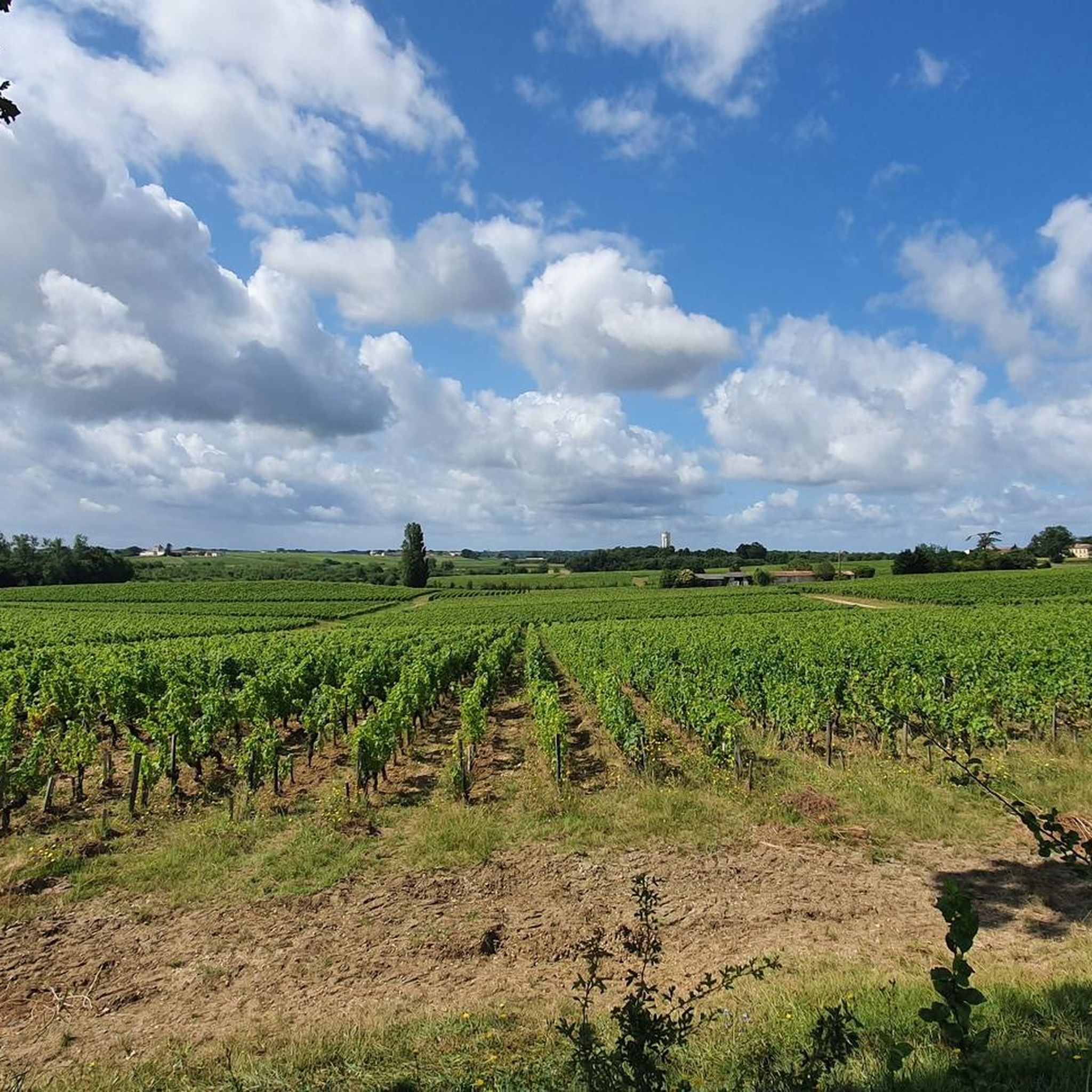
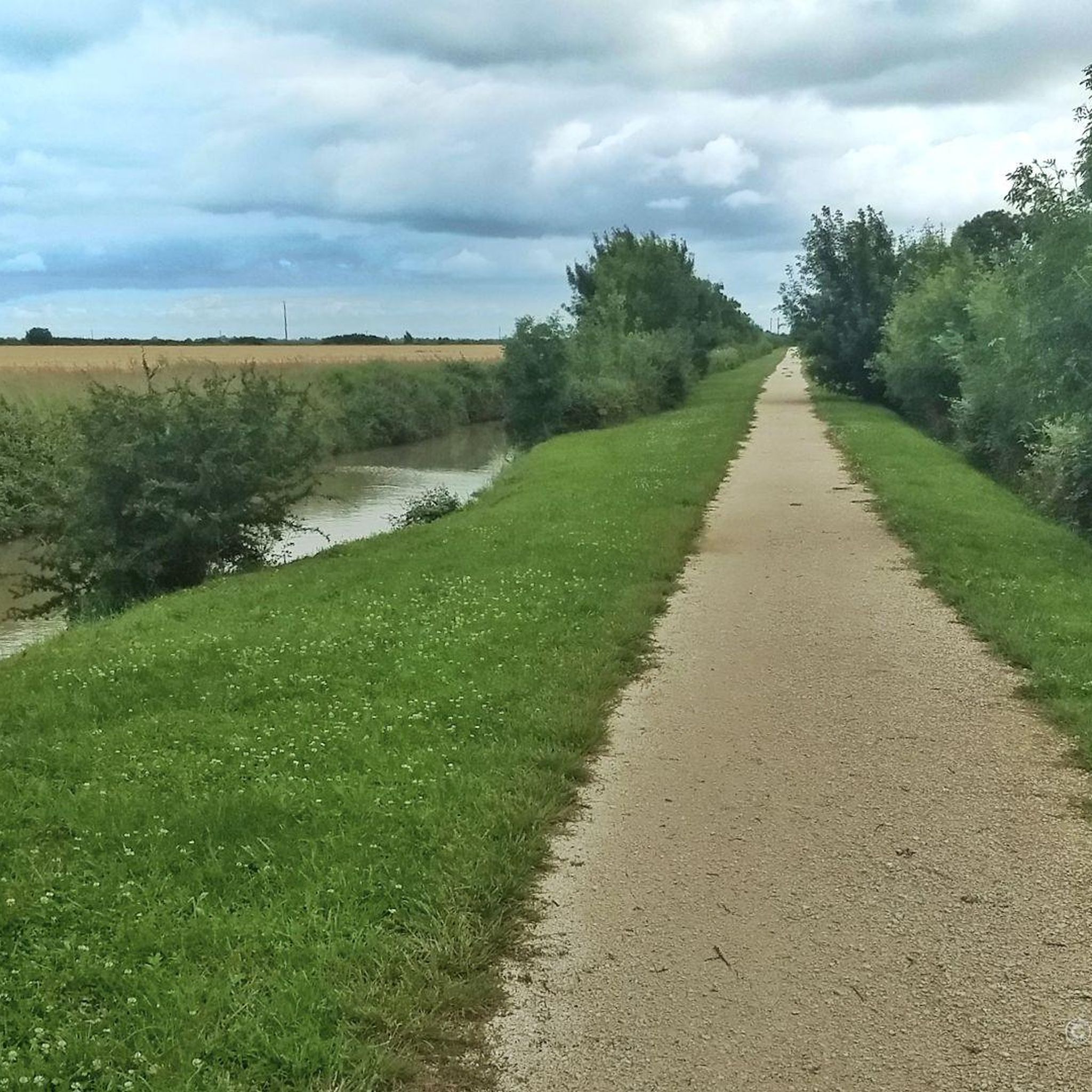
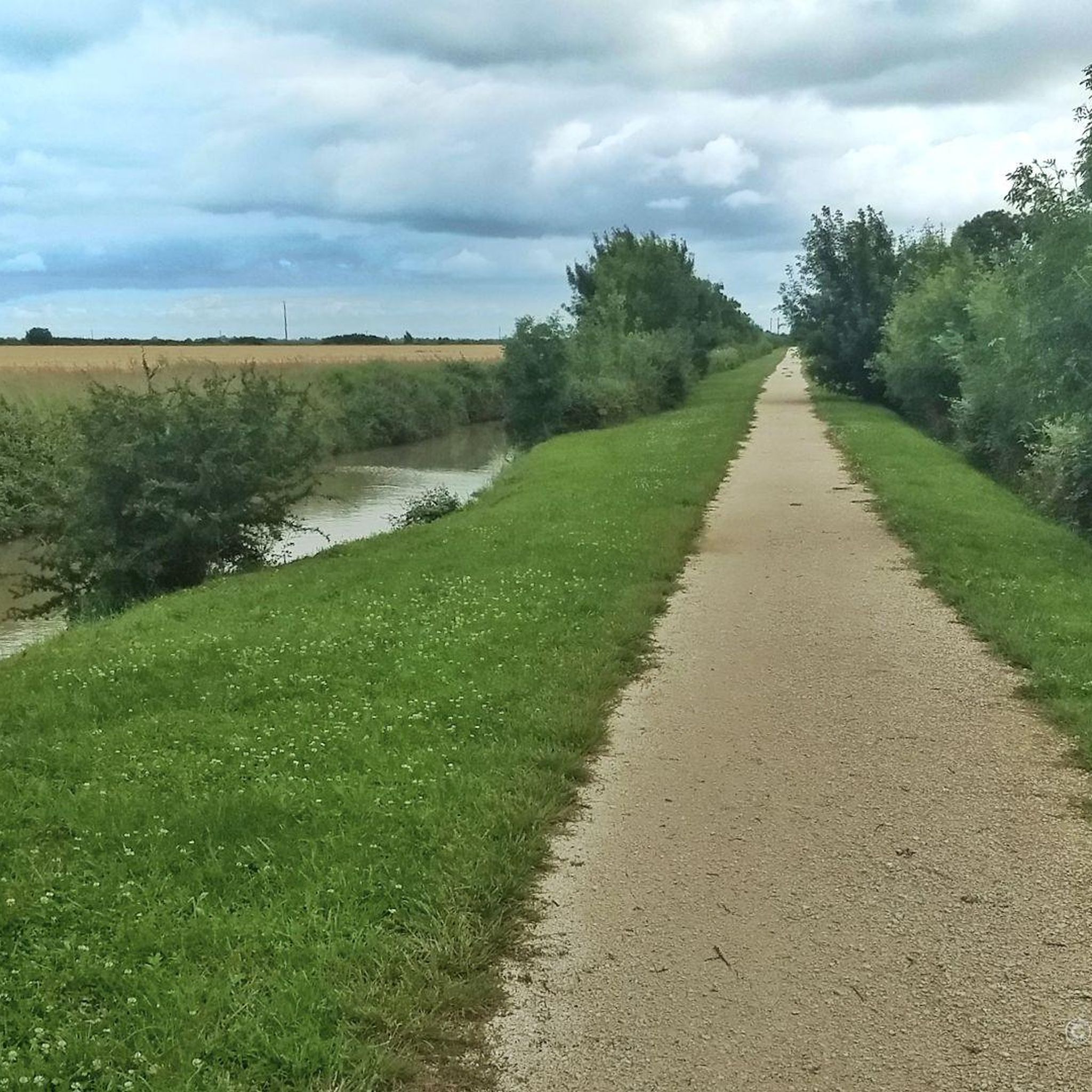
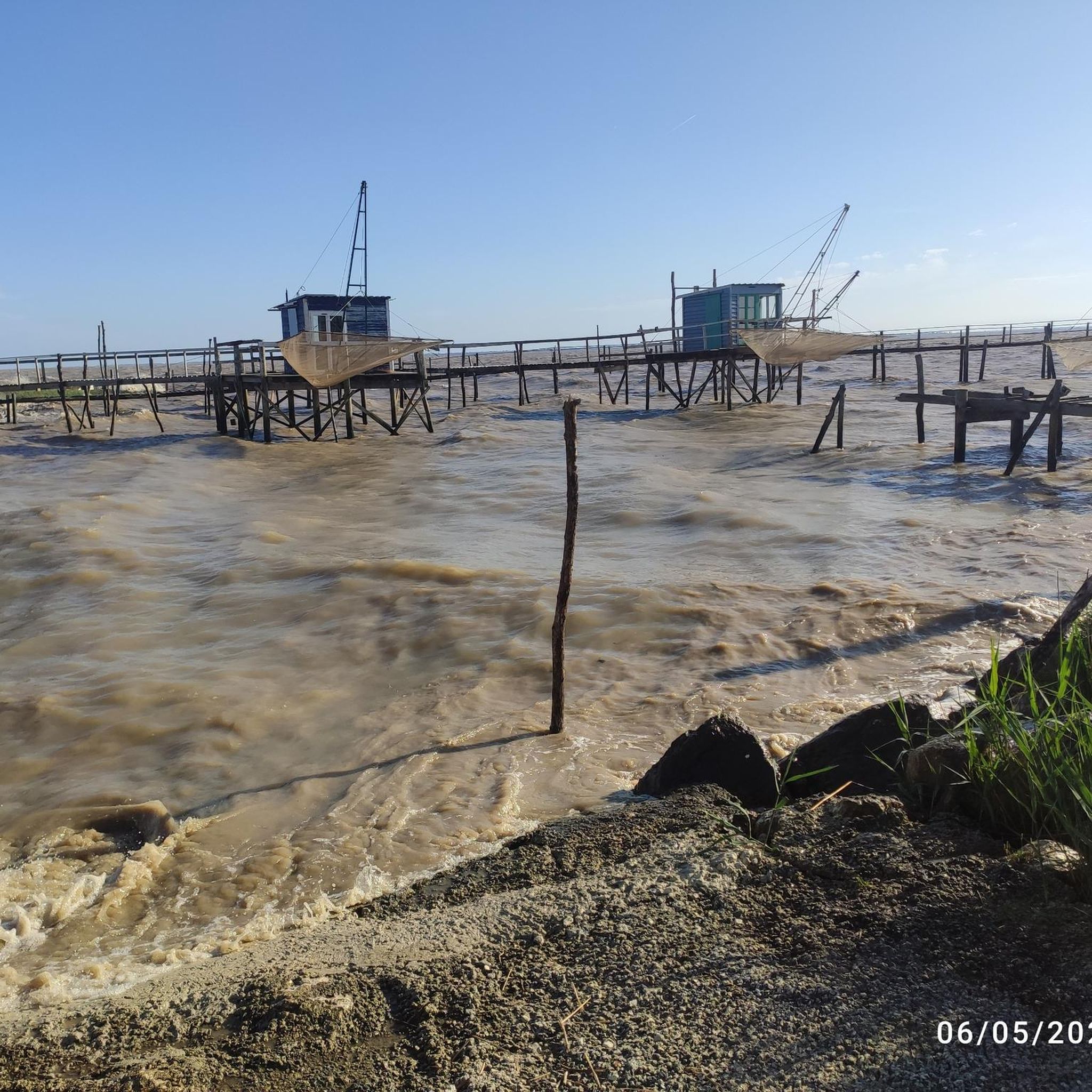
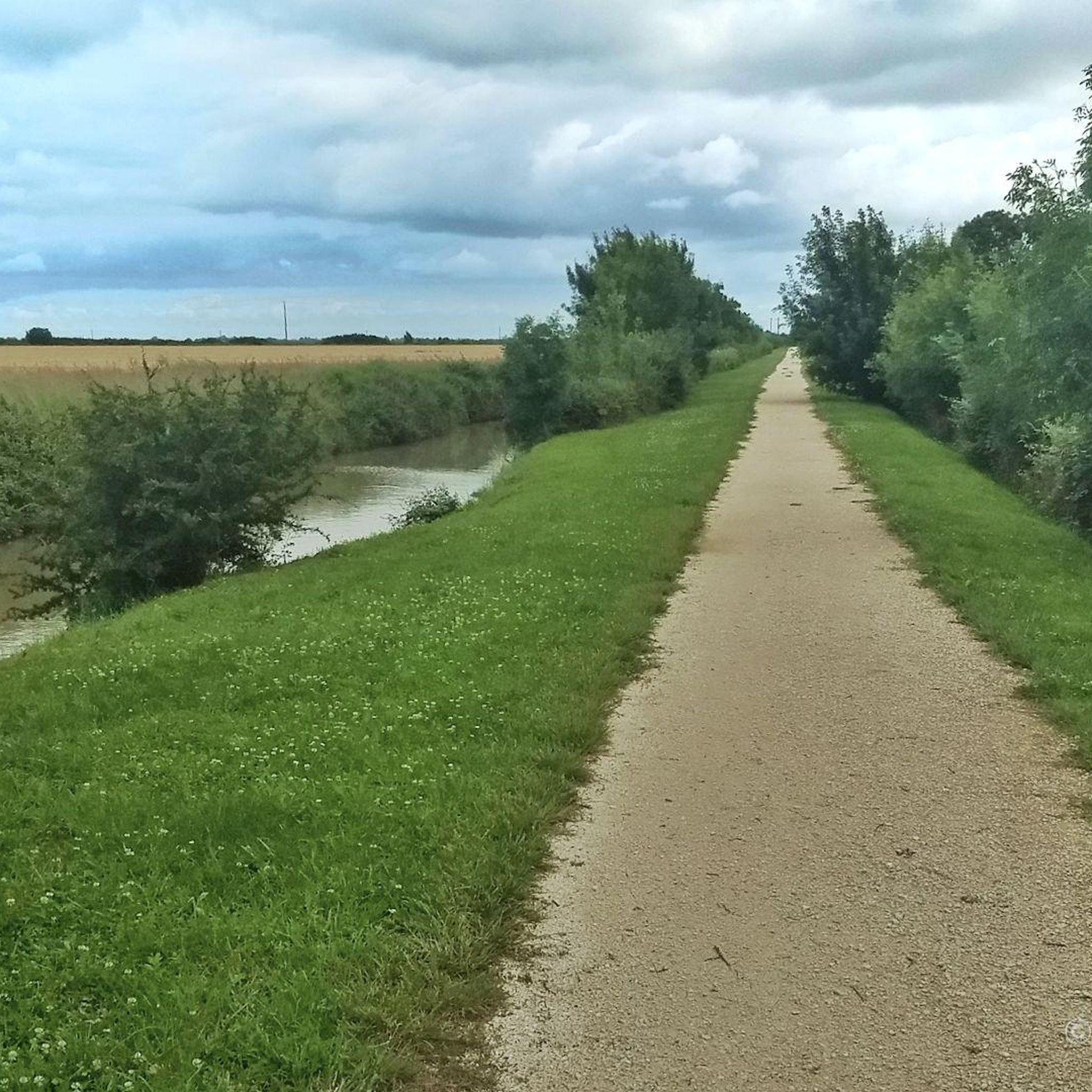
Tips from the Community

Magnificent port
1
0

Cute little coastal village at the mouth of a small canal, with a recreational port and a few restaurants as well as picnic spots for a break.
0
0

nice little hike
1
0

Good selection of restaurants, however if like us you want to create your own lunch the supermarket is 10 minutes up hill on your bicycle.
0
0

The Mortagne-sur-Gironde marina is located in the Charente-MaritimeAddress 9, place Parias 17120 Mortagne-sur-Gironde - GPS position-0.793356, 45.477200 - Landline: 05 46 90 63 15 - Mobile: 06 43 48 91 93 - VHF channel: 9 - Harbor master: Stéphane Donot The port of Mortagne-sur-Gironde has a capacity of 150 boats on pontoons but also a visitor area for stopovers with 20 places available. It is reserved for boats under 19 m. Attention, the maximum draft is 4 m. The depth of the outer harbor is 2.5 m (average tides) with dredged channel, of the basin 4 m on average, of the channel 3 m (average tides). The voltage and intensity of the electrical terminals are 220 V/16 A on the quay and 220 V/6 A on the pontoon. Water on the pontoon. Ice cream available at the Café de la Rive. The amenities include: 4 toilets and 2 showers, 2 sinks, 2 washing tubs, WIFI. Guarding ashore and afloat. A beaching area is available: 2 slipways (including 1 slipway), Slip, Shipyard.
1
0
The Abbey of Sainte-Marie-Madeleine goes down in history for having been founded by Geoffroi du Loroux, Archbishop of Bordeaux, around 1145-1150. The only vestige of the imposing Premonstratensian monastery, the church of the Abbey of Sainte-Marie-Madeleine, founded in the 12th century, is the jewel of the village of Pleine-Selve. 12th century church, made up at the time of a single nave, a transept and a flat apse. In the 13th century, addition of chapels to the arms of the transept. The convent buildings were completely destroyed by French troops in 1407 during the Hundred Years War and then during the Wars of Religion. The church itself had its nave amputated. Of the 13th century building, the crossing, the north arm of the transept, the north chapel, the flat apse remain. During the 19th century, construction of a sacristy on the south facade of the chevet. The Romanesque church is only the choir of the old church, only the apse presents the architecture of the 12th century. Today it has the status of a parish church. The building was classified as a historical monument in 1908.
0
0
The church, built in the shape of a Latin cross, the first construction elements of which date from the 11th and 12th centuries, with later additions and alterations (15th and 19th centuries to the beginning of the 13th century then modified in the 15th and 16th centuries, is dedicated to Saint Séverin, alias Seurin, bishop of Bordeaux in the 5th century, and whose feast day takes place on October 21. However, the solemn patronal feast is that of Saint Blaise, martyr bishop of the 4th century, fixed on February 3, and for which there is great veneration in the country. The main portal of the church, as well as the two false doors, are crowned by ogival arcades with a few rare ornaments borrowed from the Romanesque period, such as saw teeth, diamond points, etc. These gantries have been the subject of a subconstruction. The nave is made up of three recently vaulted bays in brick and plaster, without ribs; each span is separated by groups of four small columns, only two meters and fifty high, and appearing to date from the 14th century. The apse has two bays in the 15th century ogival style. The Saint-Joseph chapel, to the north, has kept its original Romanesque style; it is dominated by a semi-circular vault, and offers the example of an apsidion of which no advantage is currently being taken. It is adorned with a small apse which housed the baptismal font. The chapel of the Virgin, to the south, was remodeled in the 17th century; it has the character of a 15th century restorer; it was then lengthened, and consists of three spans. There is, it is said, an ossuary under the choir. The bell tower with a cone or "pine cone" spire, placed above the transept, and about 24 meters high (54 steps lead to its summit), is worthy of attention. This is the oldest part of the church. It is covered with a stone dome carved in tortoiseshell called the pine cone bell tower, similar examples of which can be found in Saintonge (Abbaye aux Dames de Saintes, Notre-Dame-de-l'Assomption church in Fenioux)3 but which recalls above all the domes of Byzantine inspiration observed in Poitou, Angoumois and Périgord (church of N.-D.-la-Grande in Poitiers, cathedral of Saint-Pierre in Angoulême, cathedral of Saint-Front in Périgueux). The foreground includes five Romanesque windows on each side, oriented as usual, on the upper level there are only two; the tower ends in a cut of stone, formed of small somewhat deformed cubes and forming a slightly rounded cone, but deformed by time. Inside, this bell tower offers a quadrangular vault, with cut sides, of very good taste. The bell, weighing 430 kilograms, was cast by Guillaume Besson, from Angers, and blessed in 1859, under the name of Marie. The godfather was Mr. Blanc Fontenille, former lawyer and notary, mayor of Nieul, and the godmother Mrs. Marie Belloteau, born Babin; parish priest M.Antoine Lanson.
1
0
The first mention of Port-Maubert appears in the 16th century. It is one of the ports with an intense wheat trade activity on the Gironde estuary. Trade is mainly with Bordeaux. The goods are loaded on barges which transported their cargoes according to the tides and the winds. In the middle of the 19th century, work changed the appearance of the port. At the same time, a landing stage was built to accommodate steamboat passengers. In the 1860s, the State ceded its land to build houses, warehouses for goods, a fairing slipway and establish a shipyard (the future "le Chérif" shipyard). At the entrance to the port, a steam flour mill processes and exports a large part of the cereal production of the Jonzac district. Port activity was at its peak: wines, wheat, potatoes, and other goods flowed in from all over Saintonge to be shipped to Bordeaux, Libourne, Pauillac. The fishing activity continues, the fishermen use boats equipped with nets the "filardières", some come out of the shipyard of Port Maubert, the "Chérif". Fishing has been mentioned in the estuary since the Middle Ages, a modest activity which grew with the modernization of the ports in the middle of the 19th century. The sturgeon, called here "Créac" or "Créa" is one of the fish caught for their flesh. According to tradition, a Russian princess would have come to St-Seurin-d'Uzet. She would then have undertaken to re-teach them how to prepare caviar and when she left, she would have forgotten her umbrella, now carefully kept in St-Seurin-d'Uzet. More specifically, the Prunier house, a great Parisian restaurateur, undertook in 1921 to organize the production of caviar in France and sent Alexandre Scott to St-Seurin-d'Uzet to teach the preparation of caviar to the fishermen of the region. From this activity by several production sites develop as in Port Maubert. The intensity of fishing, in addition to pollution and the modification of natural environments, leads to the scarcity of sturgeons. Its fishing declined in the 1960s and was finally banned in the 1980s, the sturgeon becoming a protected species. Since the 1990s, research has been carried out to reintroduce the original species of sturgeon, the sturio. At the same time, Baerii sturgeon farms are open along the estuary to provide caviar. In the 1980s, sturgeon fishing was banned and fishermen reoriented themselves towards pibales, hitherto practiced on foot or in skiffs with a landing net, and which now is done with boats equipped with "haveneaux": the "pibaliers", also used for shrimp fishing. Today the activity of Port Maubert is mainly linked to fishing and yachting, while a sailing school allows learning how to handle the Optimists on the hunting basin in complete safety. Local fishermen perpetuate the activity and offer the product of their work in the form of numerous recipes sold at the on-site shop.
0
1
Frequently Asked Questions
Are there family-friendly attractions around Saint-Thomas-De-Conac?
Yes, the region offers several family-friendly spots. Mortagne-sur-Gironde Marina is a recreational port with amenities like Wi-Fi, toilets, and showers, suitable for a pleasant stopover. Port Maubert, a historic settlement, features picnic areas and a sailing school, making it ideal for families.
What historical sites can I visit near Saint-Thomas-De-Conac?
The area is rich in history. You can explore Port Maubert, a settlement that was once a hub for wheat trade and fishing on the Gironde estuary. Religious buildings like Saint-Séverin Church, Nieul-lès-Saintes, with elements from the 11th and 12th centuries, and the Romanesque Saint-Étienne Church, which underwent significant changes after the Wars of Religion, also offer deep historical insights.
Are there any unique or hidden gems to discover?
Yes, A surprising church name, also known as St Georges d'Agout, is a 12th-century church with a unique name derived from an old Saintonge word for 'sewer,' referring to the local water flow. It features a Romanesque structure, a western portal with sculpted capitals, and an upper chamber built for defense during the Wars of Religion, along with an underground refuge.
What outdoor activities can I do near these attractions?
The region around Saint-Thomas-De-Conac offers various outdoor activities. You can find numerous cycling routes, including easy to moderate loops like the 'Port Maubert – Port Maubert loop' or the 'Mortagne-sur-Gironde – Mortagne-sur-Gironde loop'. For more details, visit the Cycling around Saint-Thomas-De-Conac guide. There are also MTB trails and running routes available.
Are there hiking or walking trails suitable for beginners?
While specific beginner hiking trails are not detailed for these attractions, the area's riverside settlements like Port Maubert and Mortagne-sur-Gironde Marina offer pleasant, easy walks along the water. For more structured routes, you can explore the Running Trails around Saint-Thomas-De-Conac guide, which includes moderate loops that can be enjoyed as walks.
What is the best time to visit Saint-Thomas-De-Conac attractions?
The region, with its marinas and riverside settlements, is particularly enjoyable during warmer months. Summer activities are popular, and the pleasant weather makes exploring historical sites and engaging in outdoor activities like cycling and walking more comfortable. Visiting outside peak summer can also offer a quieter experience.
Are there places to eat or get refreshments near the attractions?
Yes, Mortagne-sur-Gironde Marina has a restaurant and offers ice cream at the Café de la Rive. Port Maubert also features a few restaurants and picnic spots, perfect for a break while exploring the historical port.
What kind of architecture can I expect to see in the churches?
You'll encounter a mix of Romanesque and Gothic architecture. Saint-Séverin Church, Nieul-lès-Saintes, has construction elements from the 11th and 12th centuries and a distinctive cone-shaped bell tower. Saint-Étienne Church is originally Romanesque with Gothic additions, featuring carved capitals and a 19th-century bell tower-porch.
What do visitors enjoy most about the attractions around Saint-Thomas-De-Conac?
Visitors appreciate the blend of historical significance and scenic beauty. The recreational ports like Mortagne-sur-Gironde Marina and Port Maubert are popular for their relaxed atmosphere and amenities. The ancient churches are valued for their architectural details and rich history, offering a glimpse into the region's past.
Are there opportunities for cycling near the attractions?
Absolutely. The area is well-suited for cycling, with routes like 'Gironde Estuary by Bike: Mortagne-sur-Gironde to Vitrezay' and various loops around Port Maubert and Mortagne-sur-Gironde. These routes range from easy to moderate difficulty. You can find detailed information and more options in the Cycling around Saint-Thomas-De-Conac guide.
Can I find facilities like restrooms and Wi-Fi at the marinas?
Yes, Mortagne-sur-Gironde Marina is well-equipped with amenities for visitors. It offers toilets, showers, and Wi-Fi, along with visitor berths for stopovers, making it a convenient and comfortable place to visit.
What is the significance of the Gironde estuary to the region's attractions?
The Gironde estuary plays a central role in the region's history and character. Settlements like Port Maubert were historically vital for trade and fishing along the estuary. The proximity to the estuary also influences the scenic beauty and provides opportunities for maritime activities and views, as well as inspiring projects like the 19th-century bell tower of Saint-Étienne Church, which was designed to serve as a berth for boats.
Most popular routes around Saint-Thomas-De-Conac

Get inspired with the komoot mobile app


Explore more
Still not found the Highlight you’re looking for? See guides of the top attractions in other regions:
